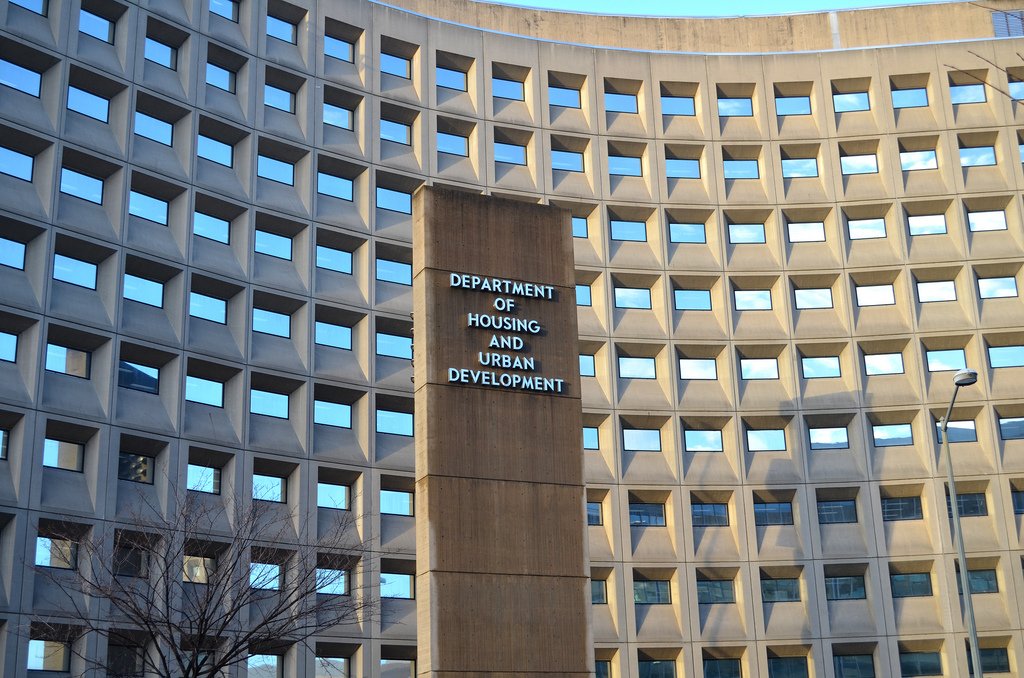
OTI Joins Coalition Opposing HUD-Proposed Changes that Would Undermine Fair Housing Act Enforcement
HUD’s proposed rule change would give housing providers new defenses to escape liability for discrimination.
Big ideas, bold solutions. Explore the latest research, analysis, and policy insights from our experts.
HUD’s proposed rule change would give housing providers new defenses to escape liability for discrimination.

OTI denounces the FCC’s approval of a merger that will raise prices, kill jobs, and worsen the digital divide.

OTI and partners urge the D.C. Circuit Court to reject the harmful, anticompetitive T-Mobile/Sprint merger.

The Public Interest Technology University Network’s inaugural “Network Challenge” is awarding 27 grants to 21 colleges and universities.

OTI responds to an international effort to pressure Facebook to back away from encryption.


While the Charter includes some encouraging elements, it fails to ensure a meaningful role for the Board and accountability to the public.

OTI and CDT file an amicus brief in the case of Jewel v. National Security Agency in support of the class of plaintiffs.

In New America’s 20th anniversary year, the Fellows Program will be supporting 12 books, two films, and its first podcast project.

The FCC’s proposal to cap the USF is unnecessary and harmful to programs that help those in need access critical services.