Will New York City Leave Millions of Pre-K $$ on the Table This Year?

City Lights, a publication of the NYC-based Center for the Urban Future, has an excellent if disheartening profile of botched pre-k implementation in New York City. Hundreds of pre-k slots are going unfilled even as other programs have long waitlists. Millions of state pre-k dollars could go unspent,–and pre-k advocates fear that, given the tightening fiscal climate in New York, dollars that don’t get used and are returned to the state translate into dollars that the state legislature won’t appropriate for pre-k in the years ahead.
The main problem is that much of the state pre-k funding the city received can only be used to fund half-day programs–but many working families need full-day childcare and so aren’t able to enroll their children in half-day pre-k programs. There are long waiting lists for the limited numbers of full-day slots available. Moreover, the system, which includes both public schools and community-based providers, has proven complicated for parents to negotiate. There’s no centralized way for parents to apply for pre-k programs or get information about the various options available, their quality and other features.
New York’s example provides a good case study of why the “if you fund it, they will come,” approach doesn’t work for early education. Yes, funding is often the major political barrier to establishing quality early education programs, but ensuring smart implementation after programs are funded is just important to get the long-term benefits policymakers are seeking when they fund pre-k. Unfortunately, New York made rapid investments in expanding pre-k without first ensuring that those investments were made in ways that matched parent needs and provider capacity, and without supporting necessary infrastructure to support an effective early education system–particularly in a city as large and diverse as New York. That’s not an argument against more early education funding–but it certainly gives opponents of early ed funding a tool they can use to attack these programs. Planning effective systems to deliver high-quality pre-k that meet parent needs and provider interests–before investing–is a smart approach both practically and politically.
P.S.: One thing New York could do to expand the number of quality pre-k slots available to waitlisted families? Allow high-performing charter schools serving elementary schools to also offer pre-k–and get state funding for it. Under current state law they can’t, and that keeps lots of excellent charter schools in the city from serving students at younger ages, even as the public school pre-k classrooms are overwhelmed. So, come on, New York legislators, let’s open the door to pre-k in charters, too.
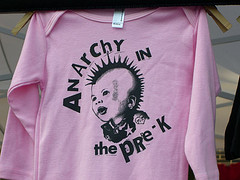
Photo by flickr user Brouhaha (Jonathan) used under a Creative Commons license.
More About the Authors
Issues
Programs/Projects/Initiatives
Related
Confronting Harmful Federal Disability Policy in Health and Human Services

Federal Early Education Update: March 2026
A Bureaucratic Shakeup Threatens Future Child Care Research