
Why Marriage Isn’t Dying—It’s Getting Harder to Do Right
Leading gender-family historian weighs in during webinar discussion
Marriage is having a moment. In many ways, the mood around it—either that it’s becoming obsolete or that it must be saved through a return to distinct gender roles—is changing faster than the facts.
In a recent conversation hosted by New America’s Better Life Lab, historian and gender-and-family scholar Stephanie Coontz discussed her new book, For Better and Worse: The Complicated Past and Challenging Future of Marriage. The discussion was moderated by Better Life Lab Senior Writer and Researcher Haley Swenson, who wrote the afterword to Coontz’s new book, and included journalist and New America Fellow Anna Louie Sussman, who explored how marriage fits with today’s widespread interest in gender equality.
New America’s Better Life Lab hosted a virtual conversation on July 1 with author Stephanie Coontz, journalist Anna Louie Sussman, and Better Life Lab Senior Writer and Researcher Haley Swenson. Together, they explored what history can teach us about where we are now, and why, despite everything, there is real reason for hope.
Coontz challenged a common misconception: that people are giving up on marriage. “Marriage is not devalued. It’s the highest expression of commitment most people can imagine,” she explained.
She argued that marriage still matters to many couples, but the expectations around it have shifted and grown. People aren’t only looking for companionship. They also want fairness, teamwork, and respect.
At the same time, Coontz said, the fights couples have today may be shaped by old habits. Even when men and women want more equality, they often bring baggage into daily life, assumptions about who should do what, and how much effort should be “required” for the relationship to feel stable.
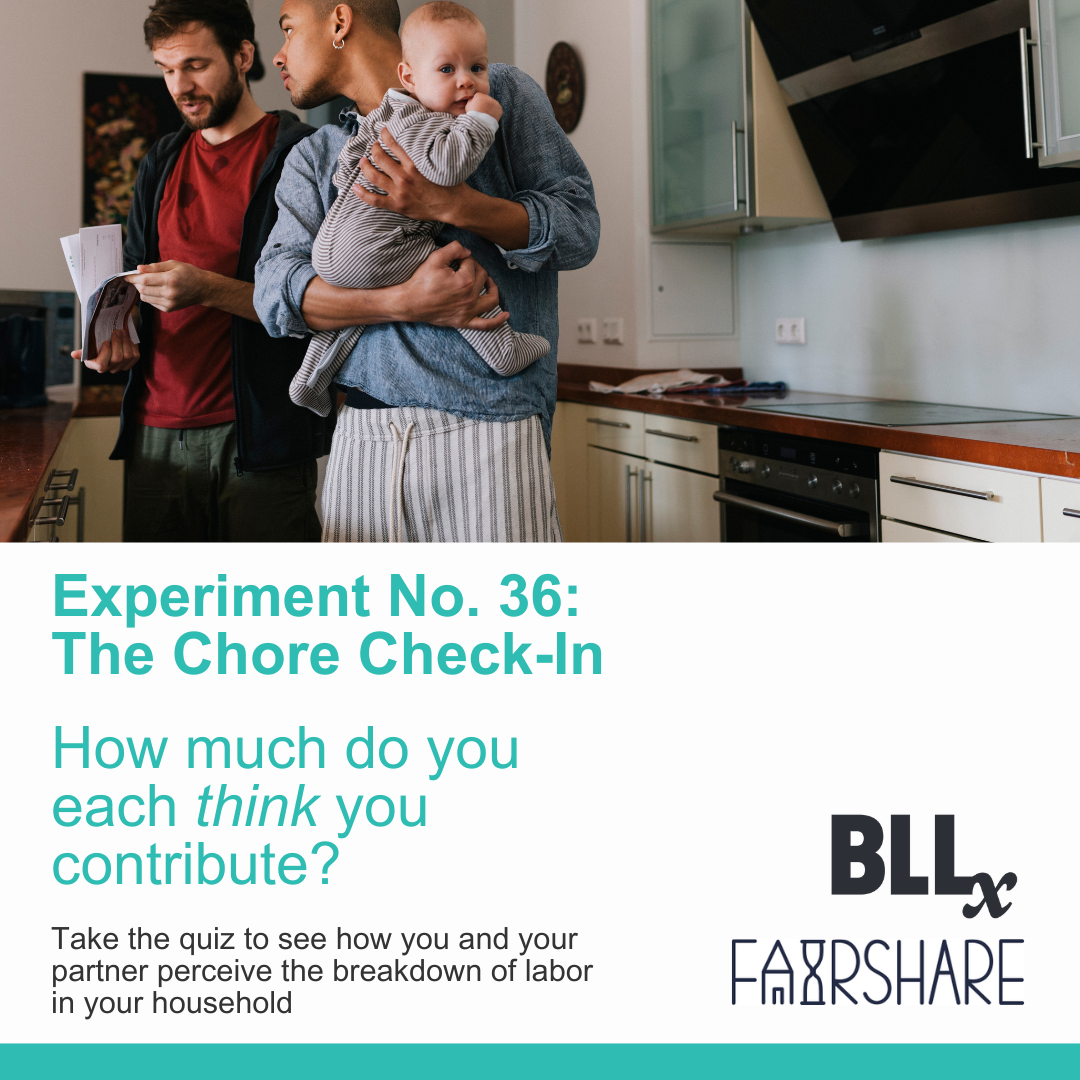
She gave an example of how domestic conflict can become strangely symbolic of our gender equality commitments, like turning small chores into huge emotional battles. “We have to ask ourselves, is this really necessary?” Coontz urged listeners to ask whether every disagreement is truly about fairness or about power, pride, or outdated scripts.
That brings us to one of the biggest tensions marriage now faces. Couples are asked to do more emotionally and practically, while life outside the home can be unstable. Coontz described a paradox: higher standards within the relationship, paired with external pressures from inequality and economic stress. The result is that marriage can feel both more meaningful and more difficult to sustain.
Sussman emphasized that gender roles didn’t evolve in isolation; expectations for women and men changed together with politics and the economy. She also pointed to how modern masculinity has taken a sharper, more hostile turn in public culture—something that can spill into private relationships. She described “this turning point of the emergence of what you might call toxic masculinity,” arguing that men increasingly define themselves in opposition to women. In that environment, building an equal partnership becomes harder, not only because of logistics, but because of attitudes.
Ultimately, the conversation suggests a simple takeaway: Marriage doesn’t exist in a vacuum. It reflects broader cultural beliefs about gender, fairness, and power. And if we want marriage to support gender equality, not undermine it, then couples, workplaces, and communities all have roles to play. Swenson wrote about Better Life Lab’s commitment to giving couples tools to navigate this changing landscape in the book’s afterword, through BLLx, a behavioral science approach to changing habits and starting conversations about fairness.
The “future of marriage” isn’t just about who gets married or who stays together or who takes on which roles. It’s about whether we can update the rules and norms inside the home and beyond. Equality isn’t just an ideal, but a lived reality.
Issues
Programs/Projects/Initiatives
Related

How to Share the Work of Cooking And Build Community

Experiment No. 37: Food Director for a Week