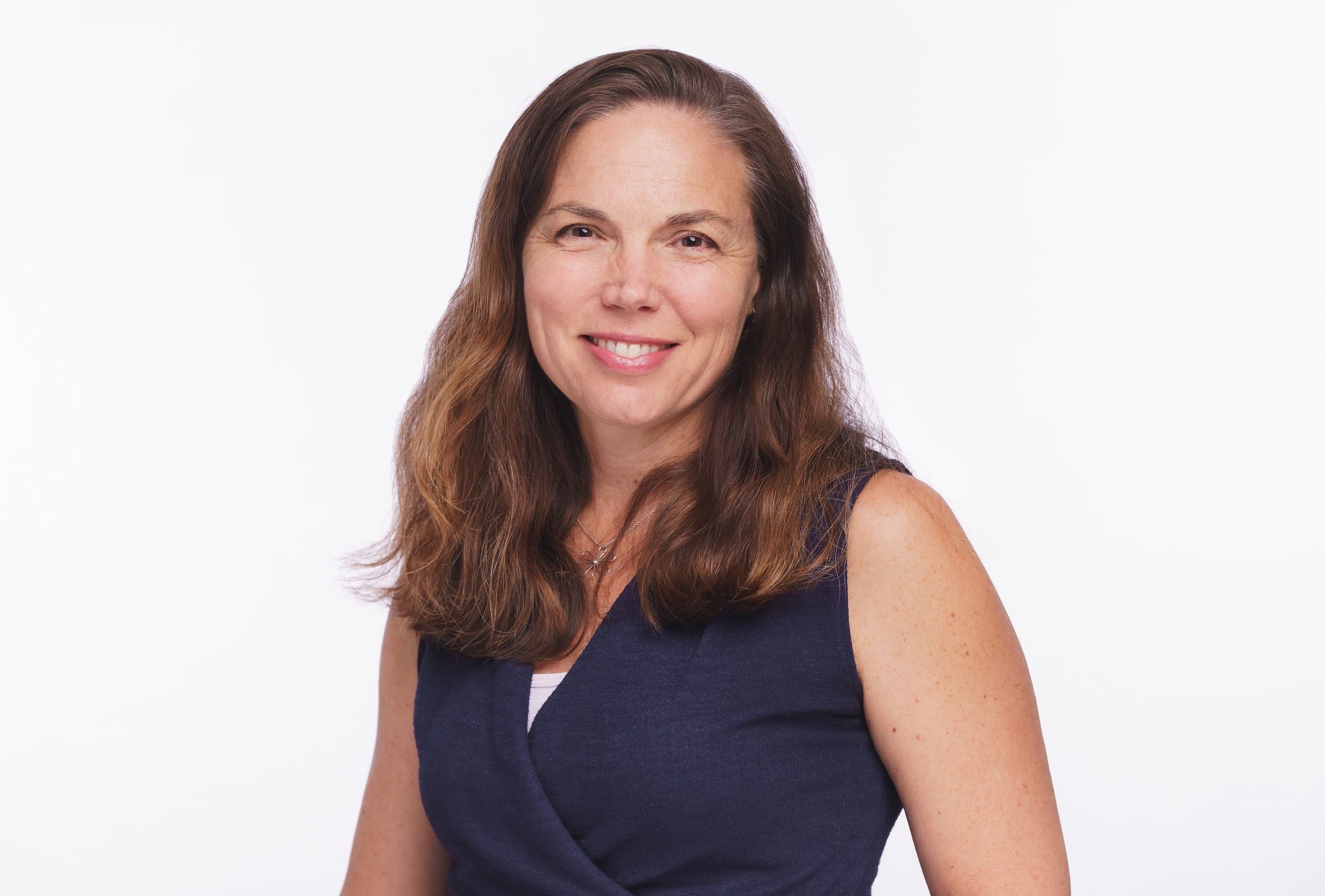
Lisa Guernsey
Senior Director, Birth to 12th Grade Policy; Co-Founder and Director, Learning Sciences Exchange

Though good teaching is considered essential to children’s achievement, much of education policy remains disturbingly silent on how to identify, promote and reward it. Studies consistently remind us of what children could achieve if they attended high-quality early learning programs and received high-quality instruction throughout their early grades of school. But the reality is that too many children experience teaching that is inconsistent from year to year and sometimes quite poor.
To address this, educators and policymakers need to be able to measure what teachers do in the classroom. Professional development programs would be far more effective if they were designed to address specific teachers’ strengths and weaknesses within the context of their own classrooms. Formal evaluations of early childhood programs and of teachers in the PreK-12 grades would be much improved if they took into account objective observations of how well teachers teach.
In our latest report, released this week by the Early Education Initiative, we argue that observation tools – valid and reliable rubrics scored by trained observers who visit classrooms – should be harnessed to help promote effective teaching and improve alignment across the PreK-3rd grades. The report, Watching Teachers Work: Using Observation Tools to Promote Effective Teaching in the Early Years and Early Grades, was written by myself and Susan Ochshorn, founder of ECE Policy Works, a consultancy in New York City.
With many states currently redesigning their K-12 teacher-evaluation systems, our report urges policymakers to use valid and reliable observation instruments as one method for identifying good teaching. As we write: “Observation tools allow for measurements that are far less subjective than many of the checklists and rubrics currently used today.”
And with many states also using or developing Quality Rating and Improvement Systems (QRIS) for publicy funded programs that start before kindergarten, the report argues for the inclusion of observation tools that focus on how professionals interact with the infants, toddlers and preschoolers in those programs.
The report crosses boundaries between “birth to 5” early childhood and PreK-12 programs, and is based information culled from dozens of interviews with experts in infant-toddler settings, pre-K and preschool programs, kindergartens and the early grades of elementary school. Several sections describe why these tools are important for advancing PreK-3rd grade reforms.
The arguments for the use of valid and reliable observation tools come on the heels of the Obama Administration’s new regulations for Head Start program funding. Part of the new rules, announced Tuesday, require that Head Start programs be evaluated using tools highlighted in the report.
In addition to 17 recommendations to policymakers at specific levels of government, as well as for educators and teacher-preparation programs, the report offers five general guidelines for the use of observation tools in education policymaking:
1. Identification of effective teaching in infant-and-toddler care and across the PreK-12 spectrum—whether in teacher-preparation programs, inservice professional development programs, or personnel evaluation systems—should include results from valid and reliable observations of teachers interacting with children.
2. Observation tools for assessing good teaching should be aligned with standards and assessments across children’s ages and grade levels so that teachers and professionals in one setting, such as a pre-kindergarten classroom, are able to “speak the same language” and share values related to high-quality teaching with teachers and professionals in another setting, such as a kindergarten or first-grade classroom.
3. Policymakers and educators in infant-and-toddler care and across the PreK-12 spectrum (including administrators in all settings) should receive training in the purposes and implications of observation-based assessments as well as how to interpret the data from those assessments fairly to improve interactions between children and the adults helping them learn.
4. Professional development and high-stakes evaluations of programs and individual teachers should be aligned to ensure that all teachers’ trainings and evaluations are based on common definitions of effective teaching; if used in high-stakes evaluations, valid and reliable observation tools for assessing teachers should also be at the core of programs to help them improve.
5. Researchers should continue to develop and improve observation tools for identifying effective teaching, with attention given to English language learners and the association between specific teaching practices and children’s outcomes in different academic subjects and across multiple domains, including social-emotional and cognitive growth.
I had an opportunity to talk about the report in a webinar hosted by Pre-K Now and the Education Commission on the States earlier this week, which we’ll link to here as soon as the archived version becomes available. In the meantime, feedback is welcome. We hope this will stir conversation on how to identify, promote and reward good teachers throughout the full education spectrum, starting with the youngest learners and continuing seamlessly up through their years in public school.
Senior Director, Birth to 12th Grade Policy; Co-Founder and Director, Learning Sciences Exchange