
Since 9/11, 147 people in America have died in
terrorist attacks, including 94 at the hands of
jihadists. And while U.S. officials say they have
prevented many other attacks, it is simply not
possible to stop them all, especially in a society
that depends on the freedom of movement of ideas,
information, capital, and people.
This paper examines the changing context for public reactions to terrorism in America,
particularly the evolving role of the news media in
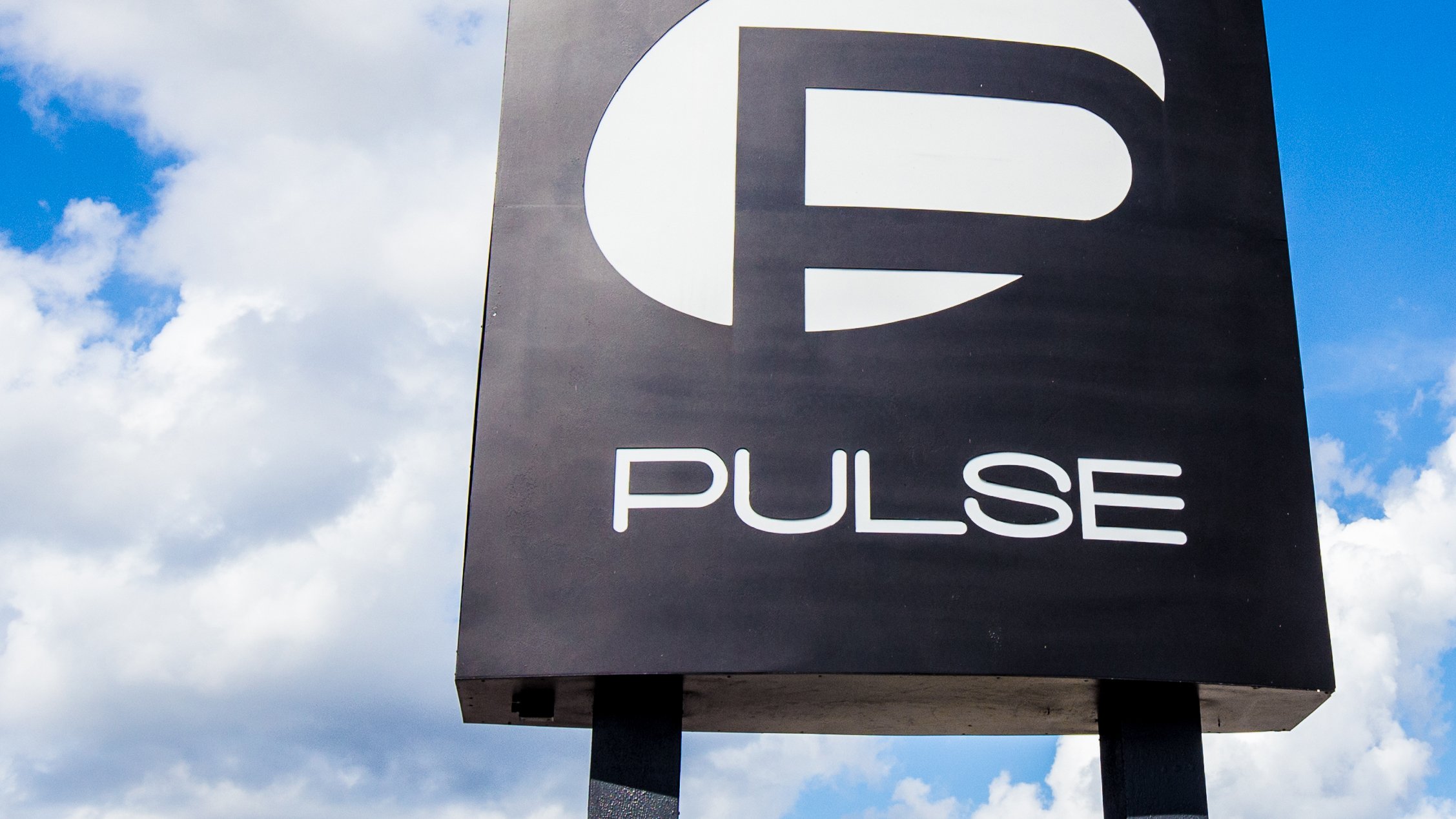
shaping those reactions and the rising, powerful influence of social media. The Pulse nightclub attack in Orlando is considered as
a case study for how government decisions, political
rhetoric, and especially news and social media
shape public reactions to terrorist attacks and ultimately build civic resilience to terrorism. Leaders
in Orlando did many things right in a difficult,
tragic, and chaotic situation, and their actions can
serve as an example for other cities.
Authors Sharon Burke, Alyssa Sims, and David Sterman present five policy recommendations based on their study of the Pulse nightclub attack and the response of Orlando city officials, journalists, social media, and the public.
- Leadership Matters. Even in an era when social media can define a story
before traditional media or government officials
can even comment, officials and law enforcement remain an authoritative source of information in a
crisis. - Give the Public a Constructive Role. Orlando Mayor Buddy Dyer and other city officials gave the people
of Orlando a way to be something other than victims
of terrorism, focusing them on positive emotions, rather than
fear and anger. - Include Communications and Social Media Use in Exercises and Planning—and Real Life. Law
enforcement and city officials actively used social
media to shape press coverage and directly
reach the public, disseminating news as
quickly and widely as possible. The city had included strategic communications in disaster planning efforts. - Empower Local Press. As members of the community themselves, local
reporters and editors play a particularly important role in public resilience and recovery. - Social Media Companies Should Embrace Responsibility. These companies should acknowledge
the de facto role they are playing as the mass media
of choice for many people and be proactive about
adopting standards and responsibilities.
Civic resilience to terrorism should be a
public policy priority and the responsibility of city
governments, law enforcement officials, journalists,
social media companies, and members of the
public, who ultimately get to choose how they react
to an attack. Orlando offers one example of how a
community can successfully choose to be resilient.
Editor’s Note: October 27, 2016—This paper has been updated with additional citations and sourcing, and to update the number of annual visitors to Orlando. The city received 66 million visitors in 2015, which is the most recent data.