
Table of Contents
- Executive Summary
- Introduction
- About Our Organizations
- Methodology and Terminology
- First Principles of Civil Society
- Blockchain and Digital Currency
- Use Cases
- Key Findings
- Other Findings
- Conclusion
- Appendix 1: Virtual Currency Terminology
- Appendix 2: International Highlights
- Appendix 3: Australia
- Appendix 4: Bermuda
- Appendix 5: Canada
- Appendix 6: Denmark
- Appendix 7: Malta
- Appendix 8: Singapore
- Appendix 9: South Africa
- Appendix 10: Switzerland
- Appendix 11: United Kingdom
- Appendix 12: United States
Appendix 5: Canada
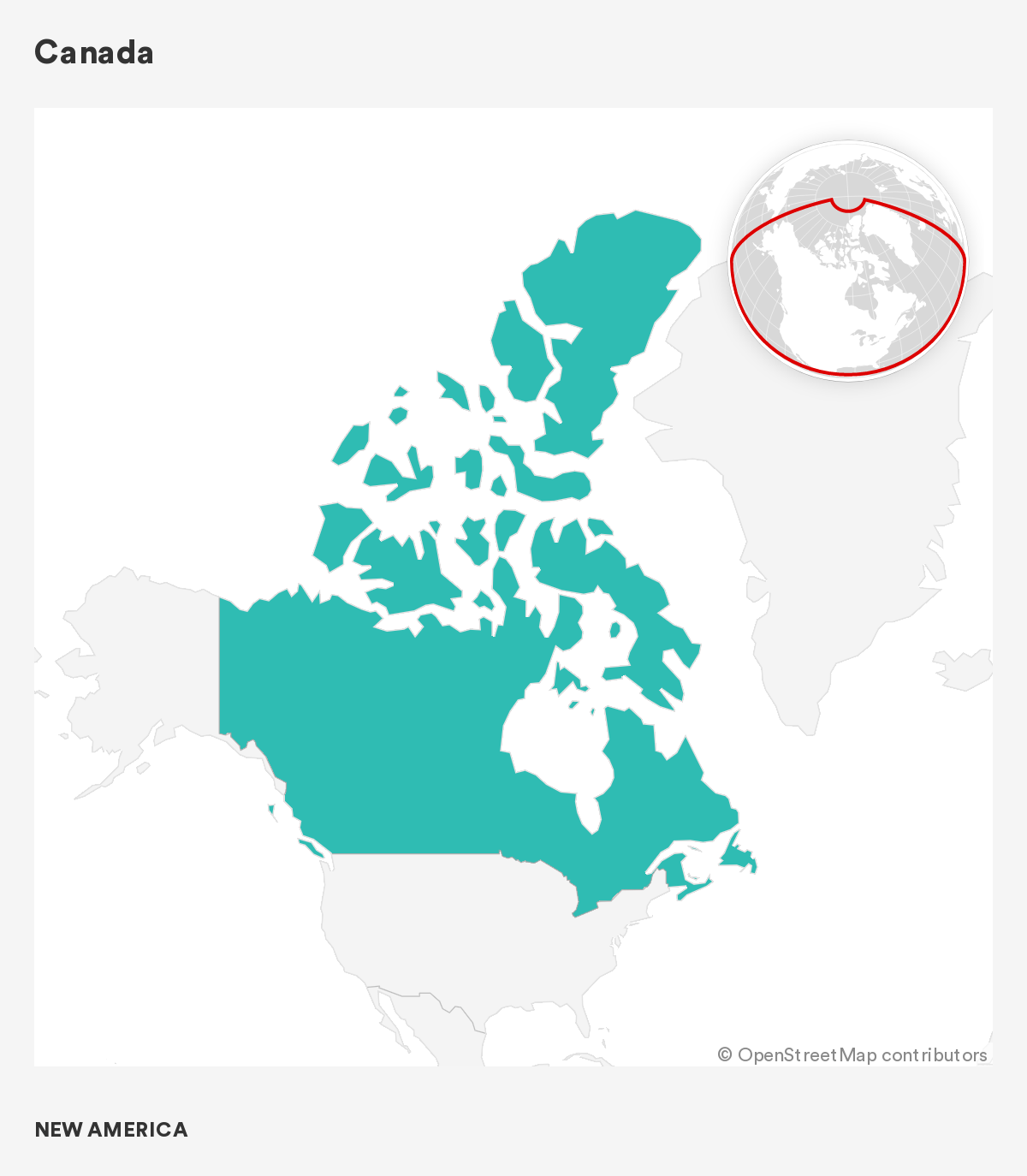
Highlights
- Currently, Canada’s Income Tax Act does not allow charitable virtual currency donations to be tax-benefited like donations of shares, mutual funds, and other non-cash contributions. A Canadian Parliamentarian has introduced a bill to expand the Income Tax Act to include virtual currency donations as an approved tax-benefited category, but the Bill has yet to pass into law.
- Canadian Securities Administrators (CSA) generally require custodians of virtual currencies to have expertise relevant to holding cryptocurrencies. For example, CSA explains, custodians should have experience with hot and cold storage, security measures to keep cryptocurrencies protected from theft and the ability to segregate the cryptocurrencies from other holdings as needed.
- Virtual currencies can be accepted as payment for taxable goods or services in Canada, but doing so entails rigorous record-keeping requirements. If an entity accepts virtual currency as payment for taxable property or services, the value of the virtual currency for tax purposes is calculated based on its fair market value at the time of the transaction, and the receiving and giving entity are both required to keep detailed records of the transaction for cost basis calculation purposes.
Virtual Currency-Specific Regulations
- Canada Revenue Agency, Virtual Currency
- Canada Revenue Agency, Guide for Cryptocurrency Users and Tax Professionals
- Financial Consumer Agency of Canada, Digital Currency
- Canada Revenue Agency, What You Should Know About Digital Currency
- Canadian Securities Agency, CSA Staff Notice 46-307: Cryptocurrency Offerings (Aug. 24, 2017) (also includes custody requirements)
- Canadian Securities Agency, CSA Staff Notice 46-308: Securities Law Implications for Offerings of Tokens (June 11, 2018)
Nonprofit Regulations
- Government of Canada, Advantages and obligations of becoming a registered charity
- Government of Canada, Charities and Giving
- Government of Canada, Guidance CG-002: Canadian registered charities carrying out activities outside Canada (July 8, 2010)
- Government of Canada, Anonymous Gifts
- Government of Canada, Anti-avoidance rules and designated gifts
- Government of Canada, Disbursement Quota Calculation
Tax Regulations
- Government of Canada, Income Tax Act
- Canada Revenue Agency, Acts and Regulations
- Canada Revenue Agency, Interpretation Bulletin IT-490, Barter Transactions
- Canada Revenue Agency, Interpretation Bulletin IT-479R, Transactions in Securities
Anti-Money Laundering Regulations
- Two Canadian virtual-currency AML Bills have been introduced and the first even approved, but neither has come into force:
- Parliament of Canada, Bill C-31: [Amending the] Proceeds of Crime (Money Laundering) and Terrorist Financing Act (NB: although this bill received Royal Assent in 2014, the rules have not come into force awaiting further regulation, and do not appear to be coming into force soon).
- Department of Finance Canada, Regulatory Initiative: Regulations Amending Certain Regulations Made Under the Proceeds of Crime (Money Laundering) and Terrorist Financing Act – Forward Regulatory Plan 2018-2020
- Office of the Privacy Commissioner of Canada, Section 37 of the Privacy Act; Section 72(2) of the Proceeds of Crime (Money Laundering) and Terrorist Financing Act Final Report 2017
- Department of Finance Canada, Reviewing Canada's Anti-Money Laundering and Anti-Terrorist Financing Regime (Feb. 2018)
- Government of Canada, Checklist for charities on avoiding terrorist abuse
Other Relevant Regulations, Sources, Notes
- Law Library of Congress, Regulatory Approaches to Cryptoassets in Selected Jurisdictions: Canada (April 2019)
- Global Legal Insights, Blockchain & Cryptocurrency Regulation (2019), “Canada”
- Library of Congress, Regulation of Cryptocurrency: Canada (accessed Oct. 2019)