Introduction
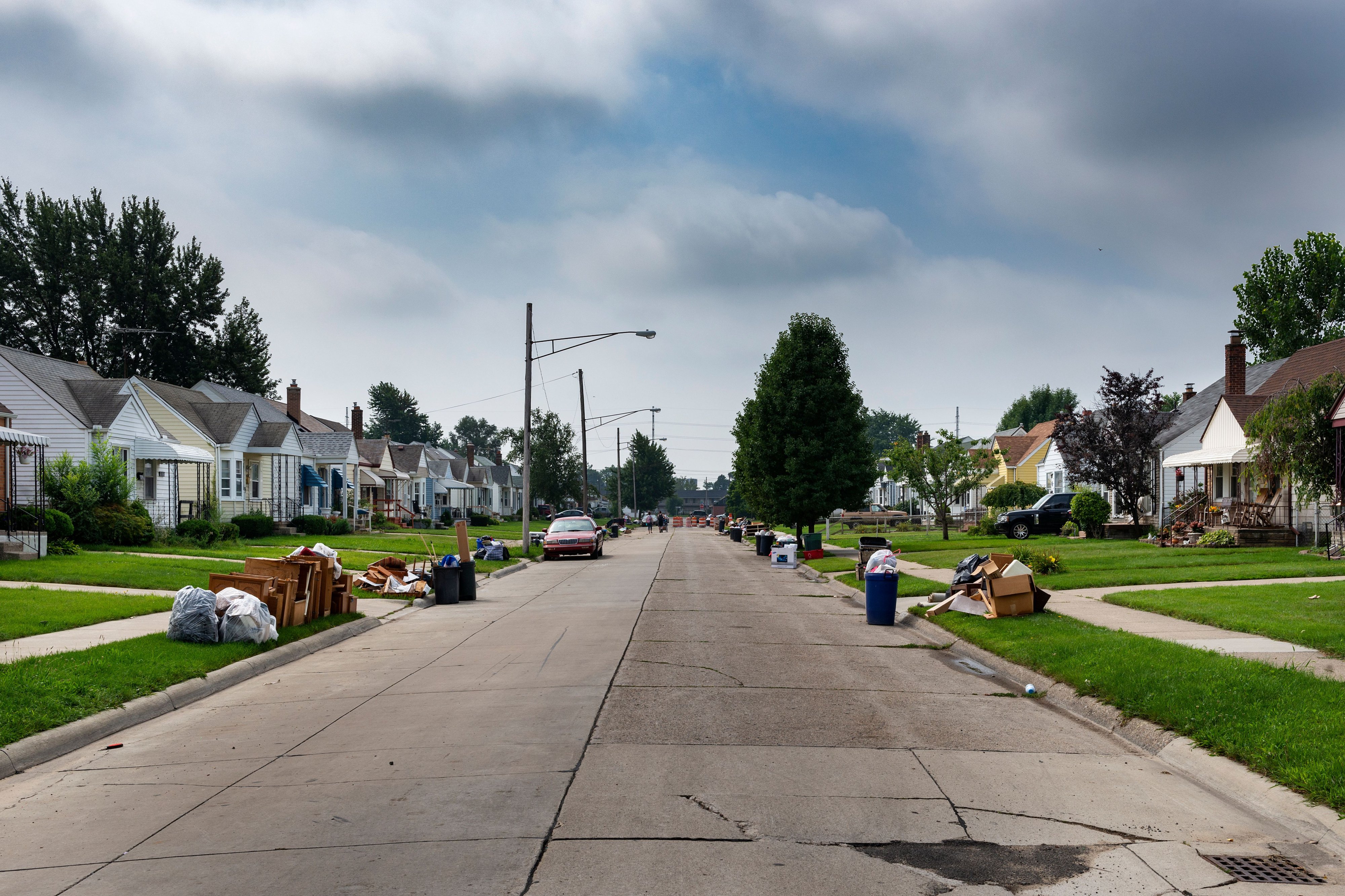
Eviction has become one of the most visible manifestations of America’s housing crisis. Decades of rising housing costs, stagnant wages, and a nationwide shortage of affordable housing has resulted in a majority of lower-income households spending more than half their income on rent.1 Given that most families face eviction for non-payment of rent, this level of economic precarity suggests that millions of families will continue to be at risk of eviction each year.2
Eviction can occur formally through the legal system, or informally outside of it,3 but in either case, an eviction is the forced removal of a tenant from their home. An abundance of evidence has detailed how eviction is more than a one-time event, but a destructive and traumatic process with lasting and negative consequences on housing stability, physical, and mental health, and other indicators of well-being.4 And like other systems rooted in a history of segregation and discrimination, eviction disproportionately impacts lower-income Black and Hispanic families, perpetuating long-standing patterns of housing insecurity.5
Given what we know about the harmful nature of eviction, and why families are commonly at risk, it is essential that we ask what more can be done to prevent them. We need to know who is most impacted by eviction, where evictions are geographically concentrated, and what kinds of policies, programs, and resources are most effective in preventing them.
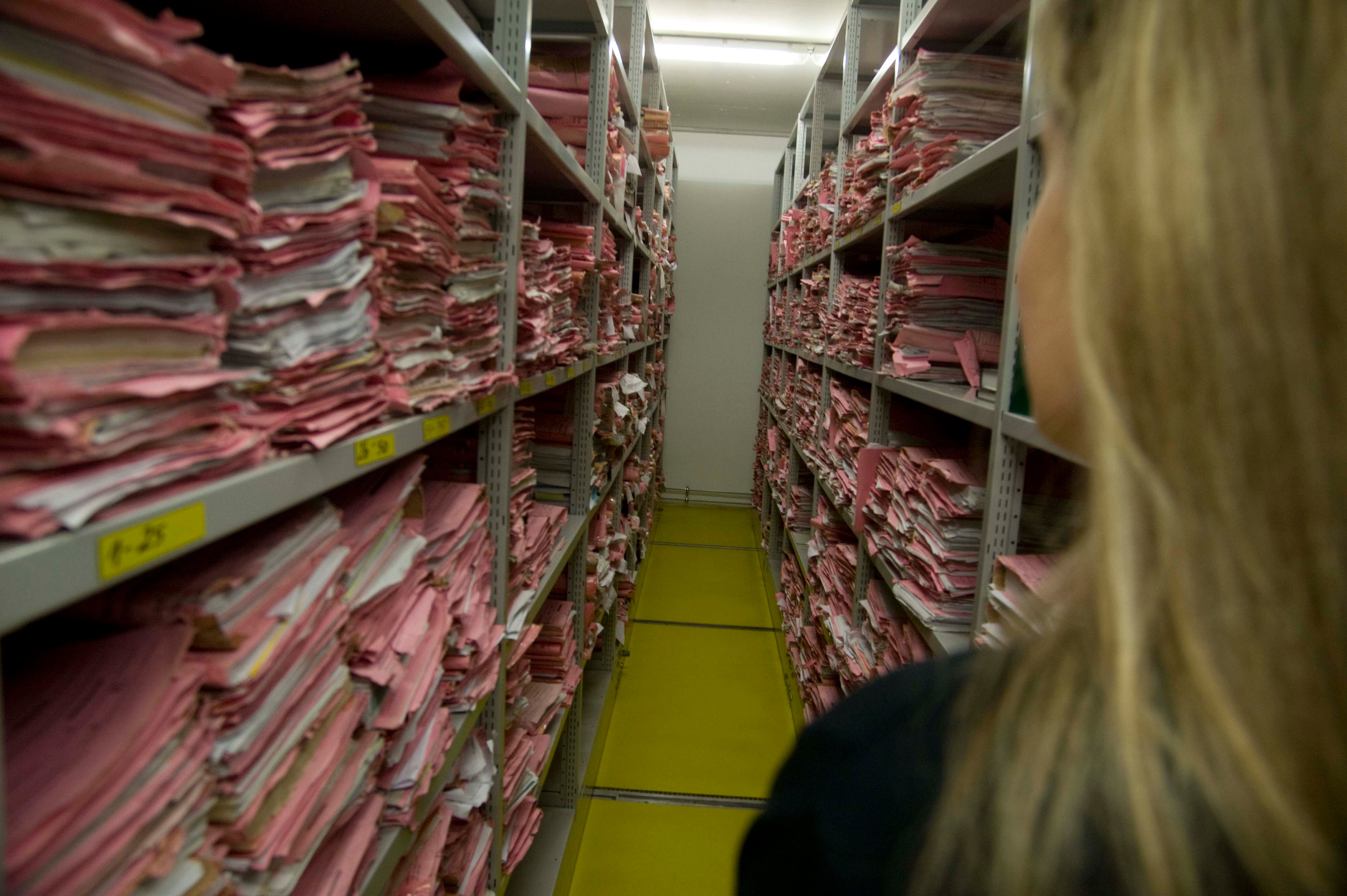
To address these questions, we turn our attention to the primary data source in the United States on evictions—the court records generated from eviction lawsuits. How courts collect and share information on eviction varies greatly across the country, but understanding this data source—including how information on evictions is generated during the eviction process and whether this results in actionable information for the public—is a foundational step in better understanding evictions and preventing unnecessary displacement and harm.
This report explores what information eviction court records can, and just as importantly, cannot tell us about eviction. Section 1 provides a high-level overview of how information related to evictions is typically generated during court processes. Section 2 lays out some of the inherent limitations of this data source, by shedding light on what eviction court records will never be able to tell us. And Section 3 walks through each stage of the formal eviction process, highlighting what information is commonly collected and shared in court records, and what information could become accessible by adjusting processes.
While court eviction data alone is not enough to prevent unnecessary displacement and the range of consequences for being caught up in the process, it is a necessary tool for understanding, addressing and organizing for policies and programs that address the root causes and consequences of eviction.
Citations
- Emily Benfer, “The American Eviction Crisis, Explained,” The Appeal, March 3, 2021, source.
- Enterprise Community Partners, Home for Good: Strategies to Prevent Eviction and Promote Housing Stability (Washington, DC: Enterprise Community Partners, 2022), source.
- Sabiha Zainulbhai and Nora Daly, Informal Evictions: Measuring Displacement Outside the Courtroom (Washington, DC, New America, 2022), source.
- Emily A. Benfer, David Vlahov, Marissa Y. Long, Evan Walker-Wells, J.L. Pottenger, Jr., Gregg Gonsalves, and Danya E. Keene, “Eviction, Health Inequity, and the Spread of COVID-19: Housing Policy as a Primary Pandemic Mitigation Strategy,” Journal of Urban Health 98 (February 2021):1-12, source.
- Peter Hepburn, Renee Louis, and Matthew Desmond, “Racial and Gender Disparities among Evicted Americans,” Eviction Lab, December 16, 2020, source.