Table of Contents
Introduction: Humanity Is Not Helpless
Heavy snow blanketed central China in the winter of 1930–1931, followed by unusually heavy spring rains and then a record-breaking monsoon season in the summer. By August, the Yangtze, Huai, and other major river systems across the country were flowing over their banks, washing out poorly managed dike systems and inundating over-farmed land and city alike. Conflict throughout the region complicated the distribution of aid. It was one of the worst disasters in recorded history: an estimated 150,000 people drowned, while almost 2 million more succumbed to starvation and disease. The flood displaced or affected 52 million people.1
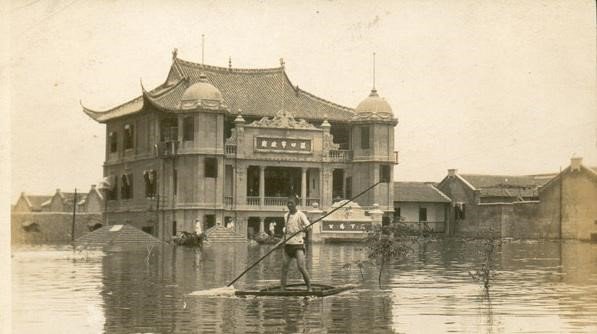
http://blog.sina.com.cn/s/blog_8d3799ba0100y11p.html, Public Domain, https://commons.wikimedia.org/w/index.php?curid=18840497
Although the Great Central China Flood of 1931 is an extreme example, it is also indicative of enduring disaster risks across the Indo-Pacific region, with its interplay of natural hazards and human vulnerability. Indeed, the epicenter of the Great Flood was Hubei Province, the point of origin of the pandemic unfolding as this report went to press. At the same time, the 1931 flood also serves as a reminder that humanity is not helpless in the face of such dangers: improved governance and infrastructure mean the Chinese heartland is more resilient than it was 100 years ago, and the capacity of both local and global disaster response is greater. While the reports to date indicate that local and national authorities in China made mistakes in how they handled the initial outbreak of COVID-19, the country also rapidly identified the virus, added hospital capacity, and took measures to try to contain the spread of the virus, albeit with less transparency and alacrity than it should have. It is too early to tell how successful the U.S. response will be, but as of early March, the United States was also making many mistakes, especially concerning transparency, alacrity, and consistency of public information.
This lack of governmental and practical preparedness will be increasingly costly. Disaster hazards are rising in a warming climate, and larger, more mobile global populations mean more people are exposed to disasters, which portends a growing need for resilience and response. As the current health crisis suggests, shifting disaster trends will create new challenges and perhaps opportunities that will shape the geopolitical landscape of the Indo-Pacific region for the United States, its allies, and its competitors
Civilian organizations, both governmental and non-governmental, provide the majority of humanitarian aid and disaster relief, but militaries also have an important role to play. That role is delineated by the United Nations Oslo Guidelines,2 which dictate that disaster relief is a non-political, life-saving activity, no matter the social, economic, or political circumstances. Nonetheless, in addition to the tangible benefits these missions deliver in alleviating human suffering, they deliver intangible benefits in building goodwill in allies and adversary nations alike. Furthermore, if climate change continues unabated or surpasses some of the worst possible tipping points, no one country or even a collective of nations is likely to have enough resources to respond to every contingency.
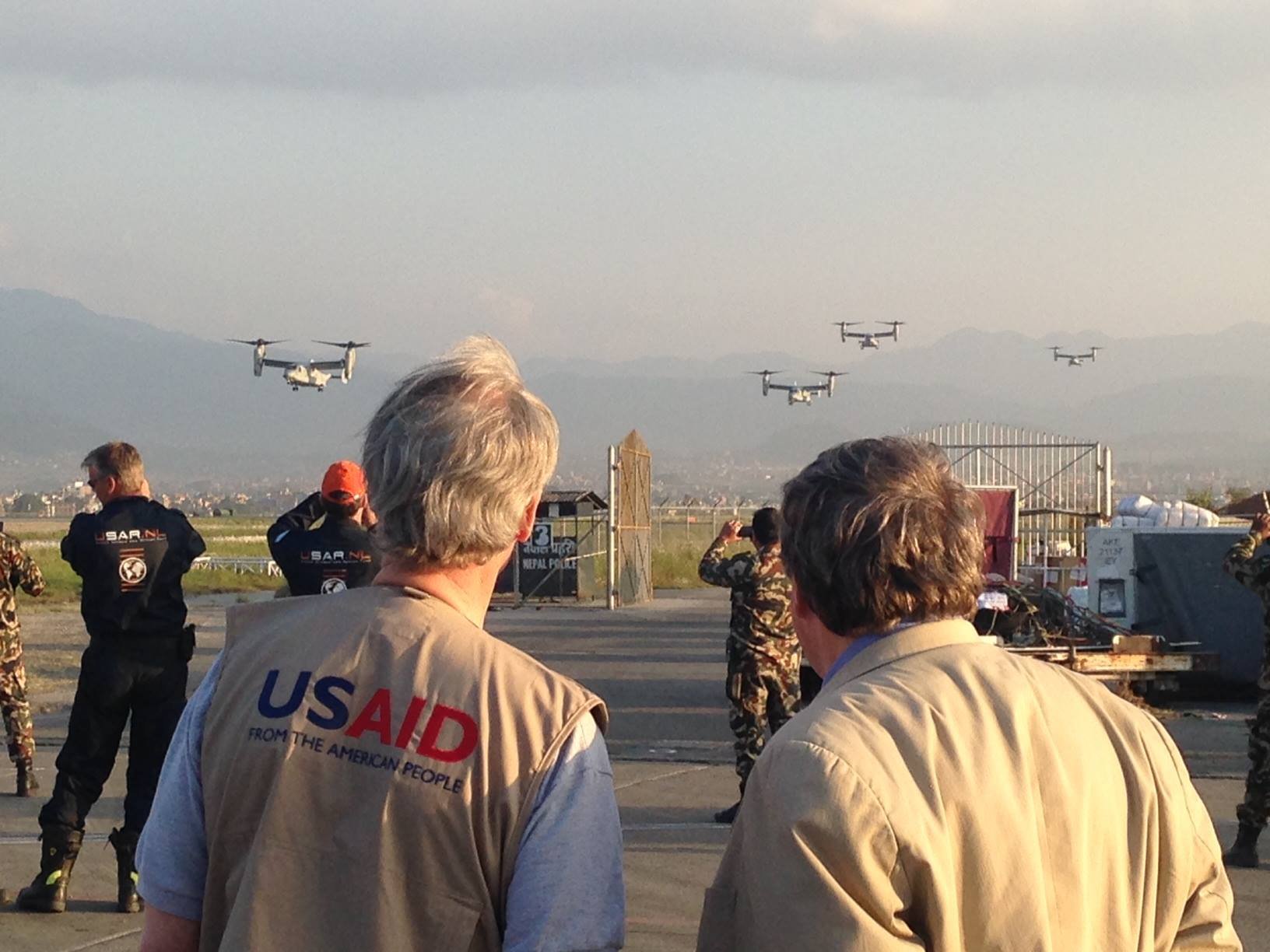
Natalie Hawwa, USAID/OFDA
Disaster relief has long been a comparative advantage for the United States, often with the associated geopolitical benefits. This strength reflects, in part, the American national character. The United States has been the single largest donor of humanitarian aid in the world, both as a government and through private donations.3 The U.S. comparative advantage also reflects the capacity and capability of U.S. armed forces, particularly in logistics. Specifically in the Indo-Pacific region, the United States, acting through U.S. Pacific Command (now U.S. Indo-Pacific Command or INDOPACOM), has played a major role4 in responding to recent, regional disasters, including the Indian Ocean tsunami of 2004, the East Japan earthquake/tsunami of 2011, Typhoon Haiyan in the Philippines in 2013, New Zealand earthquake in 2016, and the cyclone and subsequent flooding in Sri Lanka in 2017. For recipient nations, U.S. demonstration of support in a time of utmost need is often a powerful statement of American commitment and character.
The 2017 U.S. National Security Strategy describes a new era in America’s national security, one defined by competition with nations and non-state actors that may not share U.S. interests or values. In addition to a strong military and defense of the homeland, the strategy prioritizes economic prosperity and “advancing American influence” as foundational pillars for protecting and promoting the American people and their interests. The United States, according to the document, gains security by remaining a generous nation, engaged with allies, partners, and international institutions, and by acting in the world according to U.S. values. Humanitarian, development, and disaster aid and assistance are important means to realizing these strategic aspirations, both in terms of U.S. self-interest in prosperous and stable markets and trade partners, and of demonstrating U.S. values and commitment to cooperation.
The United States is not alone, however, in recognizing the moral imperatives and strategic value of humanitarian aid and disaster assistance. In particular, China has increasingly engaged in such relief and assistance efforts, alongside extensive development and investment through such programs as the Belt and Road Initiative. Indeed, China is supplying Italy—with an escalating number of COVID-19 cases as this report is published—with doctors and medical equipment.5 Of course, the virus first emerged in China, likely as a result of animal handling in a market in Wuhan,6 so the Chinese government may have a particular interest in the positive response such aid efforts can provoke. In addition to such civil relief efforts, the People’s Liberation Army is increasingly capable of engaging in humanitarian and disaster relief missions, including outside the Indo-Pacific region. Given the cultural, moral, economic, and geopolitical importance of these missions, the upward trend in disasters, and an increasingly competitive U.S.–China relationship, Indo-Pacific Command should expect both rising demand for such humanitarian and disaster relief operations, and increased strategic implications in answering that demand.
Section one of this report examines the natural risk in the region. First, the report looks at historical natural disaster trends, and then what climate change projections suggest about the future. The next section focuses on specific countries and megacities. Section two of the report charts the role of military organizations in disaster response, looking at U.S. military humanitarian and disaster relief missions and capabilities, as well as those of other regional powers. The final section offers observations and conclusions.
Citations
- Chris Courtney, “Central China Flood, 1931,” DisasterHistory.org, accessed March 25, 2020, source
- UN OCHA, “Oslo Guidelines: Guidelines on the Use of Foreign Military and Civil Defence Assets in Disaster Relief” (Geneva: UN, 2007), source
- Development Initiatives, “The Global Humanitarian Assistance Report 2019,” 2019, source
- US Senate Armed Services Committee, “Advance Policy Questions for Admiral Philip Davidson, USN Expected Nominee for Commander, U.S. Pacific Command,” § US Senate Armed Services Committee (2018).
- Tim Hume, “China Is Now Sending Doctors, Masks and Hazmat Suits to Help Italy With Its Coronavirus Outbreak,” Vice, March 11, 2020, source
- CDC, “Coronavirus Disease 2019 (COVID-19) Situation Summary,” Centers for Disease Control and Prevention, March 21, 2020, source