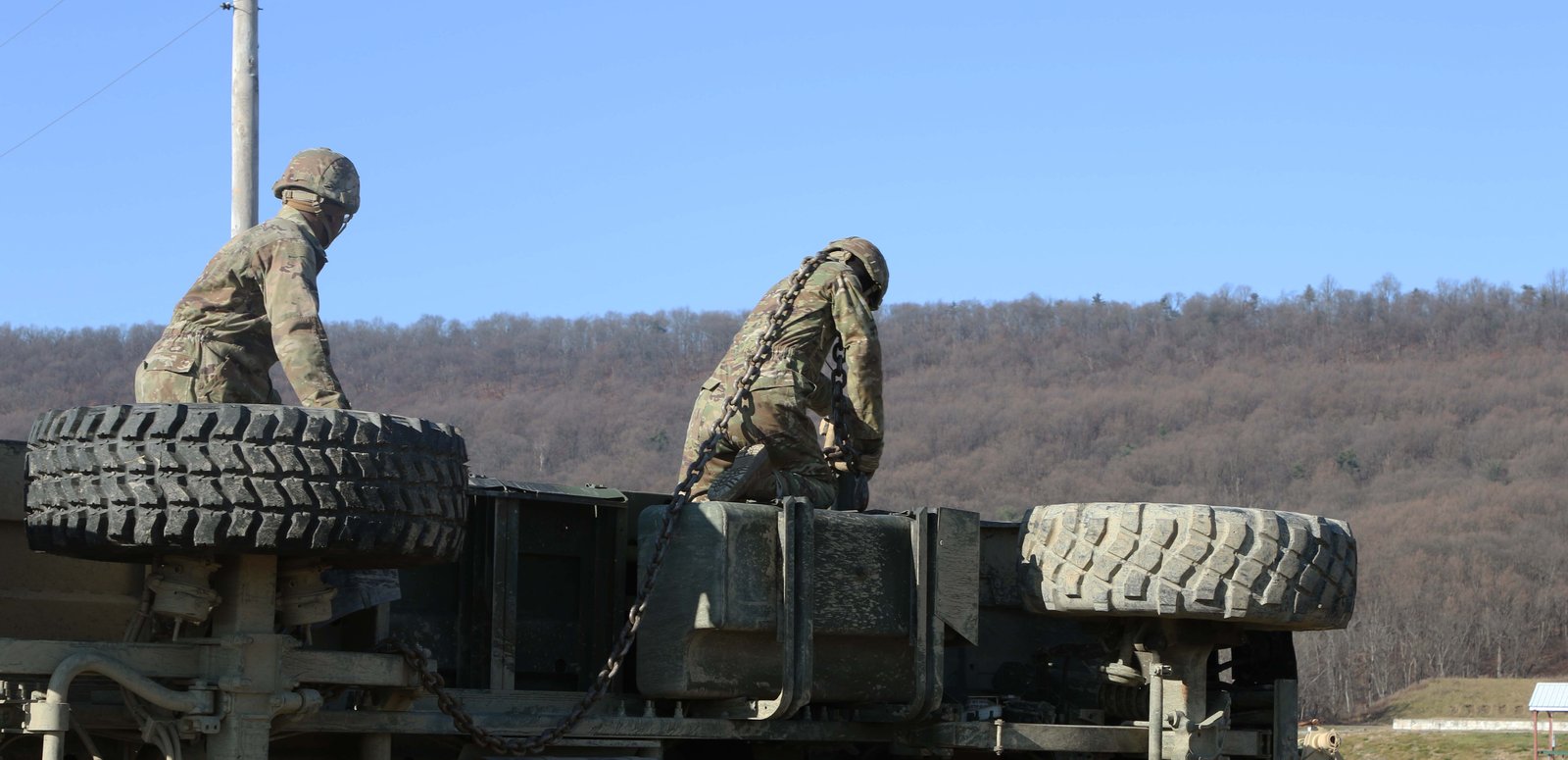
Understanding the Shocking Death Toll in Military Vehicle Rollovers
Far more young men and women in our military die in training than in combat. Rollover accidents are an ongoing and significant contributor to this toll. Across the military, service members have died or sustained significant injury when armored vehicles roll over. In this report, Michael McDowell, whose family was thrust into the challenges of understanding the issue when their only child died in a rollover accident, provides a review of the extent of the problem, the factors that contribute to it, and the recent government reforms aimed at reducing the toll.
Editorial disclosure: The views expressed in this report are solely those of the author(s) and do not reflect the views of New America, its staff, fellows, funders, or board of directors.
Introduction
Far more young men and women in our military die in training than in combat, and a shocking number of these accidents are preventable. More troops died in accidents than as a result of hostile action every year between 2012 and 2022.1 Many of these tragic deaths occurred in armored vehicles that are prone to rolling over—killing soldiers, Marines, sailors, and airmen and airwomen or causing traumatic brain injuries and the loss of limbs. This is especially the case for Humvees, the vehicle involved in most rollover incidents. According to a 2021 Government Accountability Office (GAO) report, between 2012 and 2019, 85 young men and women were killed in Army and Marine Corps tactical vehicle accidents.2 The majority of the deadly accidents in the data examined by the GAO involved rollovers.3
Our only child, Marine 1st. Lt. Hugh Conor McDowell, was killed in a rollover of his Light Armored Vehicle (LAV) at Camp Pendleton, San Diego, on the morning of May 9, 2019. We knew that high-risk training for battle was dangerous, but for Conor to lose his young life in his own country, not in a firefight in some foreign field, was hard to bear.
We immediately flew to the West Coast to bring Conor home and were to meet with his chain-of-command and his platoon three days later. But before we did so, we learned that there had been another fatal rollover at the same base just a month before.4
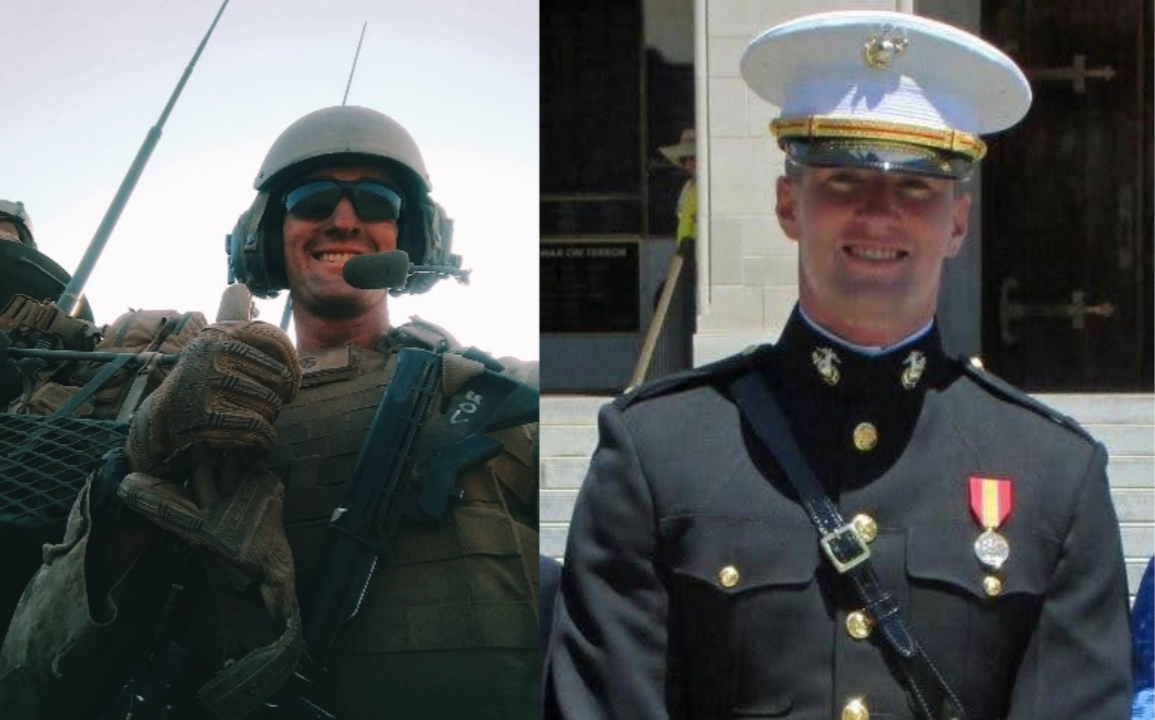
Photos courtesy of Michael McDowell, used with permission.
At first, we thought this was a sad coincidence. But we were stunned to find, month after month, year after year, a long litany of deaths and crippling injuries in rollovers at different bases, at home and abroad, with different war vehicles, in different terrains, and different weather conditions.
The military rarely connected these deaths to what almost certainly was a systemic problem with armored vehicles. Simple steps to lower these deaths had never been taken. How could this be?
Our research into the issue, as we advocated for our son and others who have experienced the impact of military rollovers, suggests several key findings regarding the problems posed by rollovers and what measures have been responsive to the issue.
Key Findings
- More members of the military die in training than in combat. Many die in preventable “accidents.” In 2012, 239 service members died in “hostile actions.”5 Since that year, the toll of combat has fallen sharply—in 2022, the United States registered no deaths as a result of hostile action. Over the same period, hundreds of service members have died in accidents every year.
- Many of these deaths occur in armored vehicles that are prone to rolling over. Rollovers have killed soldiers, marines, sailors, airmen, and airwomen and also caused injuries, including traumatic brain injuries and the loss of limbs. The GAO identified 85 deaths in Army and Marine Corps tactical vehicle accidents between 2012 and 2019.6 According to the GAO’s analysis, the majority of deadly tactical vehicle accidents involved rollovers.
- Humvees pose a particular risk of rollovers. While all armored vehicles are at risk, Humvees are the most at risk for rollovers due to the overwhelming number of Humvees among the total of armored vehicles in operation, in addition to other factors.
- The U.S. government has implemented a number of policy changes to address the problem of rollovers. These include expanded training, enforcement of vehicle-specific certifications for drivers and operators, expanded maintenance budgets that severely cut down the cannibalization of old vehicles for parts, and mandatory reporting of training deaths.
- Recently, the death toll in rollover accidents has been declining. Training is high risk, but the number of service members dying in training can be reduced. Deaths will continue to occur, but the introduction of new procedures can make a difference. However, it takes time for safety reforms to filter through military bureaucracies.
Understanding the Rollover Problem
Rollover deaths pose a systemic problem for the U.S. military embedded within the larger problem of training and accidental deaths. Over the past decade, deaths as a result of accidents have far outpaced deaths as a result of hostile action in combat. This period saw the winding down of direct U.S. military involvement in wars abroad with the 2011 withdrawal from Iraq and the drawdown of U.S. forces in Afghanistan.
While deaths in combat have fallen, the toll of accidents has remained high. Between 2012 and 2022, 3,494 service members died in accidents.7 This accounts for more than seven times the number of service members who have died as a result of hostile action over the same decade. Deaths in circumstances unrelated to war make up the majority of accidental deaths, with training deaths repeatedly surpassing the toll of hostile action.8
Rollovers are an important and regular contributor to this toll. According to the GAO’s 2021 data, there have been an average of two or three serious Army or Marine Corps tactical vehicle accidents per month each year between 2012 and 2019.9 Over that period, 85 people died in such accidents, an average of almost one death every month.10 Although not all tactical vehicle accidents involve rollovers, the majority of deadly ones do.11
Until recently, there was a reluctance by the Pentagon to see rollovers as a systemic problem. The Department of Defense (DOD) portrayed the issue as primarily explainable by the characteristics of particular incidents.
However, the GAO’s 2021 report on military vehicles showed that old arguments by the DOD regarding different vehicles, roads, weather conditions, or the time of day did not explain the continuing problem. The GAO reported that most tactical vehicle accidents occurred in the United States, that most accidents occurred on roadways or in parking lots or facilities, and that most accidents took place during the day or with full visibility.12 The GAO concluded that “this underscores the importance of human factors relative to environmental conditions.”13
The GAO report also noted the repeated citation in narrative statements regarding accidents of contributing causes, including “improper supervision or leadership,” “inexperience or lack of training,” and “improper risk management or other planning or pre-mission briefing,” among other factors.14 References to equipment failure or a lack of proper equipment were less commonly cited but also appeared in a substantial number of reports.15
The GAO’s analysis of narrative reports focused on Army data, as “detailed narratives describing causal factors were unavailable in the Marine Corps data,” but the issues and concerns it raises apply across all military services, not just the Marine Corps and the Army but also the Navy and Air Force because the latter services also use armored vehicles.16
Vehicles will roll over not just on rough road services but on tarmac roads such as state and interstate highways, on bends taken too fast, in vehicles driven too fast, on turns taken too quickly, during operations in broad daylight as well as in the dark, and in heavy rain, where parts of roads may be washed out. The DOD is now far more open to the evidence provided by the GAO and from families of fallen service members and military experts that there are systemic reasons for rollover deaths.
The Anatomy of a Rollover Accident and Common Causes
All armored vehicles—except tanks, which are broad, flat vehicles—are top heavy, with a high center of gravity that makes the vehicle prone to rolling over. If the vehicle is driven too fast, if the drivers turn too quickly, if they hit even a seemingly “minor” bump, these vehicles can spin out of control and, in seconds, roll over. The risk of rollover applies to Bradley Fighting Vehicles, tactical personnel trucks, dune-buggy-like MRZRs, and other vehicles, all of which have seen deadly incidents.
However, Humvees, the vehicle that replaced the World War Two era Jeep with a resultant increase in size, are the most likely to roll.17 Humvees, and later, larger and more armored versions of the vehicle that carry four to eight passengers, are at particular risk due to a variety of factors.
One factor is that Humvees are in widespread use. According to the GAO, Humvees were involved in more reported accidents than any other tactical vehicle from 2010–2019.18 However, the GAO noted that other vehicles—notably Army Strykers, Marine Corps LAVs, and Mine Resistant Ambush Protected vehicles had higher rates of accidents based on the number of vehicles in the military’s inventory.19
A second factor is that many Humvees are old. In 2017, there were about 95,000 of these predominantly old vehicles.20 The oldest are worn out from wars in Afghanistan and Iraq. The operation of these old vehicles, damaged as a result of desert and mountain/ice/snow use, makes them liable to break down.
The age of many Humvees also limits access to new spare parts. Cannibalizing grounded vehicles with old parts is sub-optimal for operating since new parts are either not available at depots or not budgeted for. Used equipment is not a substitute for safe training.
A third factor is that these older vehicles were built without life-saving correctives like anti-lock brakes (ABS) and Electronic Stability Control (ESC), which have been on passenger cars for decades. The military has sought to retrofit a number of its older vehicles to add this functionality.21 ABS and ESC lessen the chances of vehicles swerving and rolling and allow drivers to more effectively brake vehicles earlier and at shorter distances.
A fourth factor is how Humvees have been adapted in the midst of conflict. Further, heavy armor and weightier guns had often been added to Humvees and other war wagons. Adding these elements changes the center of gravity of the original vehicles, making them prone to rollovers—an issue that came to prominence during the Iraq war.22
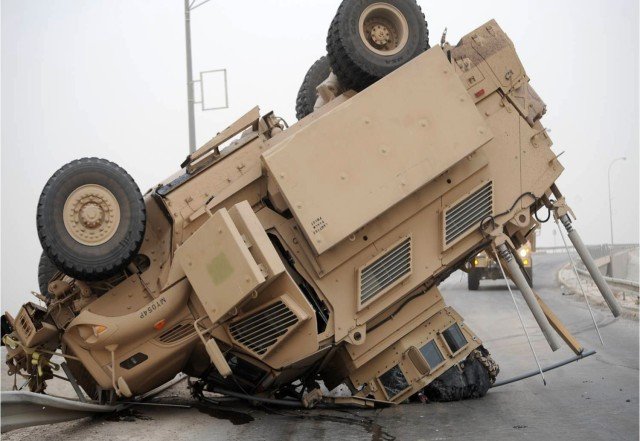
U.S. Army
What Happens When a Vehicle Rolls
When a war vehicle rolls, unless those inside have strapped themselves in and are wearing helmets, bodies are tossed around in what is a 20–40 ton iron box, packed with young troops. The vehicle interiors also contain heavy ammunition boxes, weapons, and other equipment. It is a terrifying split-second experience when a vehicle rolls. Often, in hot, humid climates, troops tend to shed clothes that would provide some protection.
Rollover simulators, a critical safety measure, were rushed to Iraq when rollovers rocketed up in numbers.23 This training equipment saved lives. Tragically, the use of these simulators has diminished, and supplies have become scarce. Those that were used were either in poor condition or not deployed regularly.
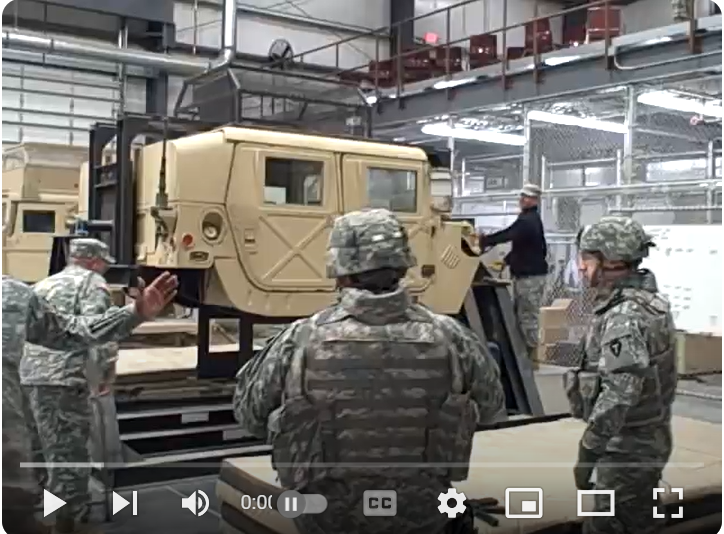
YouTube/HoustonTexans61
That earlier training prepared troops to know how to “starfish” in an “X” pattern, reaching up with their arms and down with their legs, protecting their heads in a rollover. Conor used the shouted command “Rollover” to protect his troops when he realized the vehicle he was commanding was about to roll. He and his troops did not have rollover training in a simulator.
Recent Reforms and Improvements
Encouragingly, the death toll in rollovers and accidents more broadly has been slowly dropping. In 2012, 407 service members died in accidents. In 2022, 265 service members died in accidents.24 The efforts of families of fallen service members, including our family, to bring attention to the systemic issues involved in rollovers have played an important role in increased awareness of the issue, and the government has responded with a series of policy changes.
The GAO’s decision to initiate a deep-dive inquiry, followed by a lengthy report to Congress, the media, and the public on the issue, has also been a key driver of improvements. The GAO inquiry began before and continued through the pandemic. It strongly supported major safety reforms. The GAO also followed up on the implementation of these reforms.25 In almost every category raised by the GAO report, the DOD accepted the recommendations and sought to implement the suggested reforms.26
The U.S. military has significantly updated and expanded its training, including increasing the number of drivers’ hours and days of training it requires.27 One particular improvement is that the military is moving to enforce training and certification to drive specific vehicles rather than a more generalized certification covering multiple vehicles.28 In addition, Congress enhanced the budgets for maintenance and spare parts.
In 2022, for the first time, the DOD formed a Joint Safety Council, which monitors deaths or serious injuries in training, including those involving tactical vehicle accidents for the Army and Marine Corps.29 The Joint Safety Council emerged out of safety efforts with regard to the U.S. Air Force and military aviation. In 2020, the National Commission on Military Aviation Safety released a report recommending the establishment of a Joint Safety Council focused on aviation safety, an area where billions of dollars of public money and 198 lives had been lost in non-combat accidents over about a half decade.30 As a result of the establishment of the Joint Safety Council, the Deputy Secretary of Defense is required to (via the council) provide reports to the Congressional Armed Services Committees regarding the council’s findings and efforts, including efforts to unify reporting of accidents and analysis of safety improvement efforts.31 In effect, this requires the reporting of any death and an explanation of why it happened and what actions could be taken to prevent such a death in the future.
In addition, in the 2023 National Defense Authorization Act, Congress tasked the Army and Marine Corps with beginning a pilot program to put “black box” data recorders on hundreds of vehicles to show speed and other metrics for later analysis as to why a rollover had occurred.32 In the 2024 National Defense Authorization Act, Congress required a GAO study of the feasibility and advisability of adding black boxes to tactical vehicles.33 Black boxes are standard equipment on airplanes and are made to withstand crashes, fires, and water damage. Civilian and commercial vehicles have utilized this feature for roughly the past decade. The information on speed, time of incident, and other metrics can be used to try and prevent future tragic accidents on land, sea, and air.
These and other policy changes reflect a growing awareness of the systemic issues contributing to rollover accidents and deaths. Beyond the impact of each specific policy, the renewed attention to the issue constitutes an important improvement.
Conclusion
There will always be training accidents, but members of Congress, Congressional staff, GAO experts, and the DOD are far more aware of the need to act today. In addition to the various training and technical reforms described above, the introduction of mandatory reporting of training deaths to Congress will ensure ongoing, increased oversight of the military on this issue.
A whole new regime on training safety is in place, but it will take years to implement fully. While the jury is still out on its final impact, initial indications show a heightened awareness by the Pentagon, Congress, and the media on reducing deaths in training, especially on mitigating rollover fatalities.
Downloads
More About the Authors

Michael McDowell
Fellow, Future Security

Citations
- “U.S. Active Duty Military Deaths by Year and Manner,” Defense Casualty Analysis System, Accessed May 7, 2024, source.
- Military Vehicles: Army and Marine Corps Should Take Additional Actions to Mitigate and Prevent Training Accidents (Washington, DC: Government Accountability Office, July 2021), 17, source.
- Military Vehicles, 88, source.
- For more detail on our experience, see: Lesley Stahl, “Military Vehicle Training Accidents, Many Fatal, Reveal Faulty Equipment, Poor Training,” CBS 60 Minutes, February 6, 2022, source.
- “U.S. Active Duty Military Deaths by Year and Manner,” source.
- Military Vehicles, 17, source.
- “U.S. Active Duty Military Deaths by Year and Manner,” source.
- Zachary Cohen, “More U.S. Troops Die during Training than in Combat Operations,” CNN, June 6, 2019, source.
- This calculation includes only tactical vehicle accidents listed as Class A (meaning an accident “resulting in death or permanent total disability, destruction of a DOD aircraft, or $2 million in damages or greater”) or Class B (meaning an accident resulting “in permanent partial disability, inpatient hospital care for three or more individuals, or damages of $500,000 or more, but less than $2 million”). The number of such accidents was totaled for each year, divided by twelve, and rounded to the nearest single digit to produce a monthly average for each year. See: Military Vehicles, 15–17, source.
- Military Vehicles, 17, source.
- Military Vehicles, 18, source.
- Military Vehicles, 23, source.
- Military Vehicles, 23, source.
- Military Vehicles, 25, source.
- Military Vehicles, 25, source.
- Rachel S. Cohen, “Humvee Mishaps Kill 2 Airmen in 2 Months, Prompting Investigations,” Air Force Times, November 16, 2023, source.
- On the origin of the Humvee, see: “Military to Replace Jeep with Bigger Vehicle,” New York Times Archives, March 27, 1983, source.
- Military Vehicles, 20, source.
- Military Vehicles, 20, source.
- Dan Parsons, “Army Steadily Integrating Open Architecture On Tactical Wheeled Vehicle Fleets,” Defense Daily, May 17, 2017, source.
- See, for example: Sam Tricomo, “Army Hits Milestone: Installs 10,000th Upgrade to HMMWV Fleet,” U.S. Army, January 26, 2024, source.
- “Extra Armor Causes Humvee Rollovers,” ABC News, June 12, 2006, source.
- See, for example: 3rd Sustainment Command Expeditionary Public Affairs, “Army Fields New MRAP Rollover Trainers,” U.S. Army, May 11, 2009, source; Army and Marine Corps Training: Better Performance and Cost Data Needed to More Fully Assess Simulation-Based Efforts (Washington, DC: Government Accountability Office, August 2013), 6, source.
- “U.S. Active Duty Military Deaths by Year and Manner,” source.
- For examples of the GAO’s follow up regarding its recommendations, see: Military Training: The Services Need to Ensure That All Commanders Are Prepared for Their Legal Responsibilities (Washington, DC: Government Accountability Office, July 2021), source.
- Military Training, source.
- For an example of expanded training, see: Konstantin Toropin, “After a Spate of Rollovers, Marine Corps Graduates Retrained Amphib Vehicle Drivers,” Military.com, July 31, 2023, source; Caitlin Kenney, “After 2 Rollovers, Marines Overhaul Amphibious Combat Vehicle Training,” Defense One, April 19, 2023, source.
- Kenney, “After 2 Rollovers,” source; Davis Winkie, “Major Updates Coming for Army Driver Training,” DefenseNews, May 12, 2022, source; Military Vehicles, source.
- “Defense Department Hosts First Joint Safety Council,” U.S. Department of Defense, August 30, 2022, source; Meghann Myers, “New Pentagon Group Hopes to Revitalize Effort to Reduce Mishaps,” Military Times, August 29, 2022, source.
- “Defense Department Hosts First Joint Safety Council,” source; U.S. Naval Institute Staff, Report of National Commission on Military Aviation Safety on Aviation Mishaps from 2013 to 2020 (Washington, DC: National Commission on Military Aviation Safety, December 1, 2020), vii, 23–26, source.
- “Title 10-ARMED FORCES,” 185 U.S.C §, Accessed May 21, 2024, source).
- National Defense Authorization Act for Fiscal Year 2023, Pub. L. No. 117–263, § 389 (2022), source.
- National Defense Authorization Act for Fiscal Year 2023, Pub. L. No. 117–263, § 389 (2022), source.