Table of Contents
- Overview
- Property Restitution and Compensation in Ukraine
- The Diia Portal and the eRecovery Property Compensation Program
- Strengths of Diia and the eRecovery Program
- Challenges of Diia and the eRecovery Program
- Recommendations for Improving Diia and the eRecovery Program
- Conclusion
- Additional Resources
The Diia Portal and the eRecovery Property Compensation Program
“In the history of our digital state, eRecovery is one of the most difficult services to implement and one of the easiest for the user. It is very important that the reconstruction process is as transparent and accessible to Ukrainians as possible. The eRecovery service is not just about submitting an application to Diia. This is data from a registry that records information and cannot be changed. It is verification of data in other registers. This is the work of the local commission and other tools, such as anti-fraud, which assess how effectively the funds received by citizens are used. There were no similar projects in the world.”
—Mykhailo Fedorov, Ukrainian Minister of Digital Transformation, Remarks, July 19, 2023
The groundwork for Ukraine’s current digital capabilities in administering public solutions and programs began before the 2022 invasion. Ukraine has built a global reputation as a country of innovative programmers, with a tech entrepreneur ecosystem that quickly transitioned from building start-ups to supporting war efforts and high rates of internet connectivity supporting a well-educated and tech-savvy population.
These foundational strengths are aligned with President Volodymyr Zelensky’s vision, announced in 2019, of creating a “state in a smartphone.” Zelensky’s digital transformation plans, initially hoped to be reached by 2024, included major goals around the ubiquitousness of government services online, a digital skills development program, and an Information Technology (IT) sector representing 10 percent of the country’s GDP.
In 2020, Ukraine’s Ministry of Digital Transformation launched the Diia e-governance web portal and mobile application. For added context, Diia means “action” in English. The ministry moved methodically on system development, deployment, and scale. Ukraine is the first country in the world where digital smartphone passports have the same legal weight as the hard copy form of documents. Ukrainians can choose to use a digital driver’s license and can access a legal digital signature feature in Diia allowing for the online creation of bank accounts or signing of contracts, among many other unique public services.
About TREMBITA
Video by e-Governance Academy on Trembita, the data exchange backbone of Ukrainian digital transformation, published on January 4, 2021.
Source: e-Governance Academy, YouTube video
This digital transformation under President Zelensky, scaled in a war environment and to date, is widely regarded as a model for resilience and adaptability in the public sector. Adoption of Diia grew significantly after the Russian invasion; 19 million Ukrainians were using it to access over 120 public services as of May 2023.
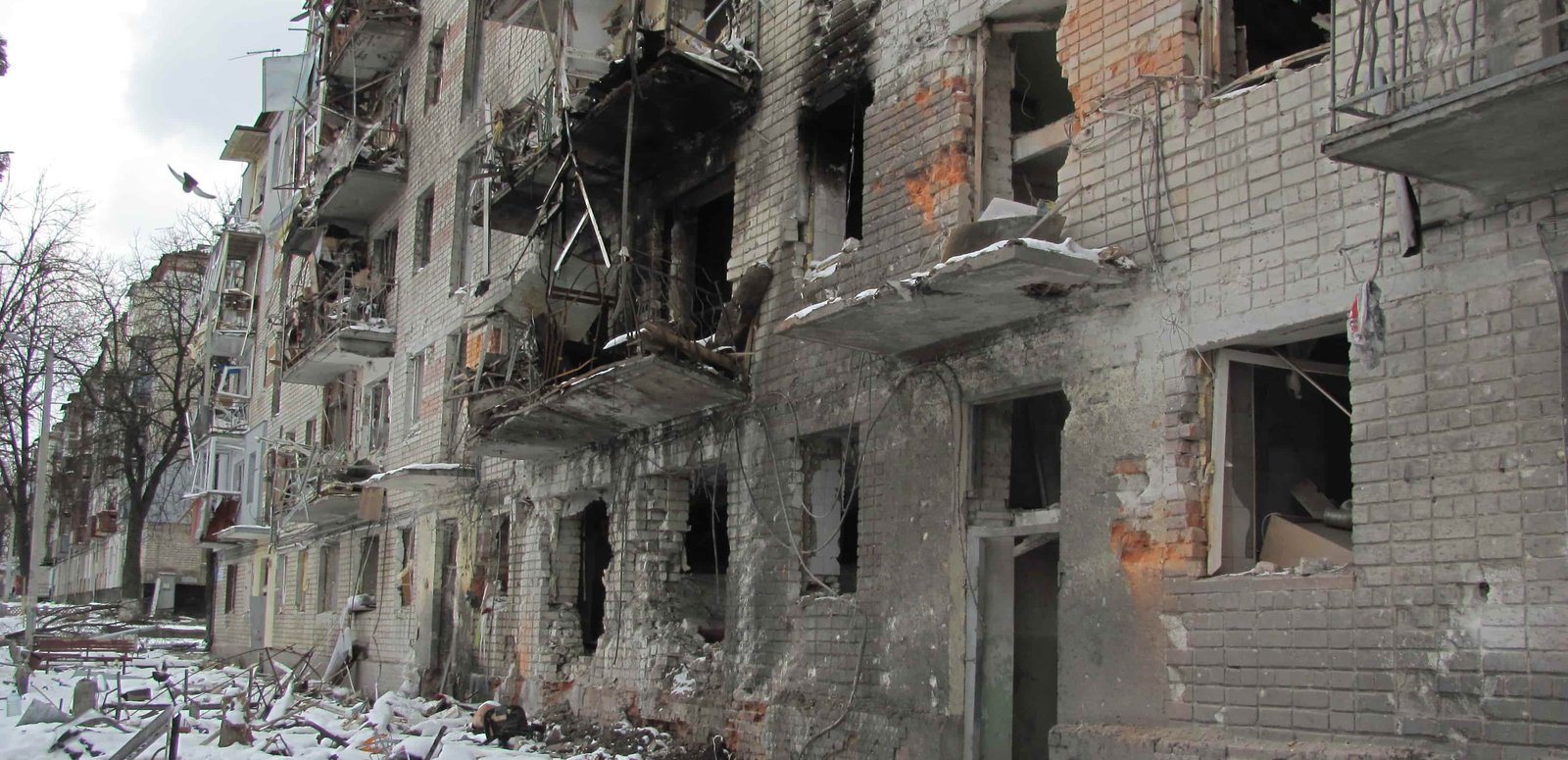
In response to the conflict, the Government of Ukraine extended Diia’s features to allow Ukrainians to report property damage or destruction. This “Damaged Property” service prompts citizens to upload details of their damaged or destroyed home, including photographic evidence and geo-location data. As part of the submission process, users can also describe the extent of the damage and provide additional pertinent information.
In spring 2023, the Government of Ukraine enacted legislation that established a procedure for compensating Ukrainians for these claims. Law No. 2923 (“Compensation Law”), adopted in March 2023, sets forth the compensation procedures for property damaged or destroyed after the outbreak of the full-scale war, as well as the types of claimants and property eligible for compensation. Resolution No. 381, adopted the following month, sets forth the operational procedures to apply for and receive compensation.
After the adoption of these two key measures, in May 2023, Ukraine’s Ministry of Digital Transformation and its Ministry for Communities, Territories, and Infrastructure Development launched the eRecovery program, which allows claimants to apply for and receive financial compensation for damaged property.
Steps of the eRecovery Process
- Claimant reports property damage on the “Damaged Property” page accessed through the Diia platform. Alternatively, Ukrainians can report property damage or destruction and then apply for compensation in person at local administrative offices.
- Claimant opens a specialized eRecovery account with a participating bank, either online or at a physical branch location.
- Claimant applies for financial compensation, via the Diia application. This is a separate process from creating an eRecovery account (Step 2).
- Claimant requests an inspection of the damaged or destroyed property. Local authorities send a member of the local commission to inspect the property and verify both the occupant’s identity and the applicant’s ownership of the property before determining the amount of compensation. The maximum compensation amount is 350,000 Ukrainian hryvnia (approximately $9,250 as of January 2024). Of note, Ukrainian military members and their families, as well as vulnerable groups such as people with disabilities, are prioritized for compensation.
- The local commission records the assessed damage or destruction in the “Register for Damaged or Destroyed Property,” created in 2022.
- Funds are paid to the claimant’s eRecovery card, and the claimant can use the money for specific items including construction materials or repair services depending on what the government has approved.
In December 2023, the Ukrainian government made an important update to the eRecovery program, allowing Ukrainians to retroactively claim a refund of up to 500,000 hryvnia (approximately $13,400) for repairs claimants had made themselves. By then, the Ministry of Infrastructure reported that more than 566,000 property damage reports had been filed through Diia. Of those initial reports, 62,000 claims were completed via the eRecovery program and 25,000 damage claims were paid.
The Government of Ukraine has a separate program for the restitution of destroyed housing. The program provides claimants with cash for the full reconstruction of a house or a certificate they can use to fund the construction of a home. According to Ukraine’s Housing, Land and Property Technical Working Group, as of November 2023, the government received 4,354 applications for the reconstruction of destroyed housing and provided 400 claimants with cash or housing certificates worth approximately $22.5 million.