
The Road to Financial Inclusion in India: Almost There, but Still A Long Way to Go

As the deadline for the Reserve Bank of India’s (RBI) ambitious plan to extend banking services to the unbanked draws closer, the State Level Bankers’ Committee has reported reaching 100% financial inclusion in those villages with a population of over 2,000 in the state of Karnataka. Other states in India have released similar reports recently, with more likely to follow during the next couple of weeks. The Financial Inclusion Plan (FIP), an initiative driven by the RBI, seems to have gained momentum in recent months after its inception in 2009. Despite the positive reports from the RBI, some observers have noted the modest impact the initiative has had on the delivery of financial products to low-income individuals.
The RBI introduced the FIP as an effort to bring banking access by the end of March 2012 to India’s villages with a population of more than 2,000. So far, RBI’s nationwide data shows that the number of villages covered has doubled and the number of bank accounts has increased by 60% over the last couple of years. The next phase of the plan will seek to extend coverage to villages that have a population of more than 1,000 by end-March 2013. Based on the numbers released by the RBI, it is easy to view the first phase of the initiative as a success. Millions of Indians have gained access to financial services in the last few years. “What could not be done in the last 50 years has been done in the last six,” commented Usha Thorat, a retired RBI deputy director, when speaking about the initiative’s impressive results. Indeed, the FPI has allowed many of the poorest in India to open bank accounts by easing the regulatory environment for banks to open branches in rural areas. However, most of this expansion has come through “business correspondents” (BCs) and not because of an increase in the number of banks operating in rural areas.
BCs function as bank intermediaries and offer point of transaction services in rural areas across India. The RBI has gradually liberalized the regulatory environment for BCs in order to facilitate financial inclusion. For instance, for-profit entities can now act as BCs and conduct transactions on behalf of banks. BCs have successfully brought financial services to small villages, but banks need to provide financial products that enable them to operate at a sustainable basis. No-frills accounts, the most common type of savings product offered through BCs, allow banks to make a profit by lending the deposits on their balance sheet. However, the average balance in these accounts is not enough to make BCs viable in the long-term.
Besides the questions about the sustainability of the BC model, concerns remain about the FIP’s agenda and the actual impact it has had on the delivery of financial products to low-income individuals. Two of the major organizations working in the microfinance sector in India, MicroSave and the Centre for Microfinance Research, have received the FIP’s results with some skepticism as in-depth studies show that most of these accounts have remained inactive for more than a year. These studies show that many of the people who have opened bank accounts do not continue to make deposits after creating them – possibly because of the lack of financial products available to customers. Critics have also voiced some apprehension about a shift in focus from savings and credit services towards remittances and social security transfers – local governments are particularly interested in delivering welfare payouts and pensions to the bank accounts of beneficiaries via electronic benefit transfers (EBT) accessible through BCs. The demand for EBTs has the potential to give many customers their first experience with banking, but banks should offer savings products that encourage customers to keep their money in these accounts – such as recurring deposit accounts. Furthermore, the RBI must provide incentives for banks to develop products that cater to low-income customers.
India’s FIP is part of a comprehensive effort by the Indian government to increase the types of financial services available to low-income citizens. The central government has proposed the creation of a Microfinance Development Fund to encourage the promulgation of MFIs across India by disbursing funds from the Finance Ministry for capacity building programs and other support to these institutions. Additionally, the government plans to introduce a bill targeted to regulate the microfinance sector at the national level, and thus require any organization providing microfinance services to obtain a certificate of registration with the RBI. As the first phase of the FIP comes to an end, the onus is on banks to deliver financial products that make financial inclusion sustainable and meet the needs of low-income customers.
More About the Authors
Issues
Programs/Projects/Initiatives
Topics
Related
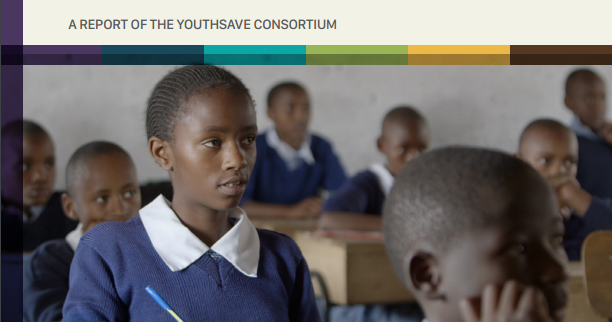
85,000 Low-income Youth Open Savings Accounts through YouthSave
A Conversation on the Weekly Wonk: Should We Bank On It?
Global Anti-Poverty Targets Tepid