The Principal Should be your Pal

 Ed Week looks at the CAYL Principals Fellowship in Early Care and Education, which provides elementary school principals with professional development to help them better understand early education and support quality early education programs in their schools and communities. There’s a real need for programs such as this. While there are exceptions, most elementary school principals have little or no training in early education. Most started out their careers as grade school teachers, or, in some cases, even middle or high school teachers. As a result, their initial teacher training and experience did little to prepare them to manage early education programs. Nor are principals likely to learn much about early education in their principal training programs, which tend to focus heavily on legal issues and school management. As a result, many principals are uncomfortable with early education and do not understand what appropriate early education practice is or how pre-k fits into their larger educational goals for children.
This lack of understanding and comfort with early education among elementary principals is emerging as a major barrier to improving alignment between pre-k, kindergarten, and early elementary programs. Strong principal leadership is key to creating an aligned PK-3 early education program. If the principal herself sees pre-k as an “add-on” that’s tangential to the school’s core work, alignment is unlikely. Principals’ lack of familiarity with early education also undermines efforts to improve the quality of pre-k programs offered in public schools, since many principals don’t have a strong grasp of what quality pre-k programs look like.
The CAYL Principals Fellowship seeks to address this problem by providing principals with intensive summer professional development in early education, taking them to visit high-quality early education programs, connecting them with other elementary principals seeking to be effective leaders for early education, and providing ongoing support and professional development.
In addition to better supporting the quality of early education programs under their watch, Ed Week’s Linda Jacobson reports that principals who participate in the CAYL program are also has benefits for the early elementary grades, as principles use what they’ve learned about child development and early learning to improve learning experiences for younger elementary students as well.
Early education policy discussions focus a lot on how to improve the qualifications and skills of pre-k and early childhood teachers. But it’s just as important to build the early education knowledge and skills of principals and other educational leaders. Professional development programs like the CAYL Fellowship are important tools. Long-term, however, as states move to increase the supply of pre-k programs, and more elementary schools incorporate pre-k into their standard program, there is a need to more generally rethink the competencies required for elementary educators and the types of training they need to acquire those skills. In recent years there’s been a shift in thinking about the principalship away from merely building management towards thinking of principals as “instructional leaders.” That’s a positive development. For elementary principals, instructional leadership must increasingly include familiarity with and ability to lead pre-k and early childhood programs.
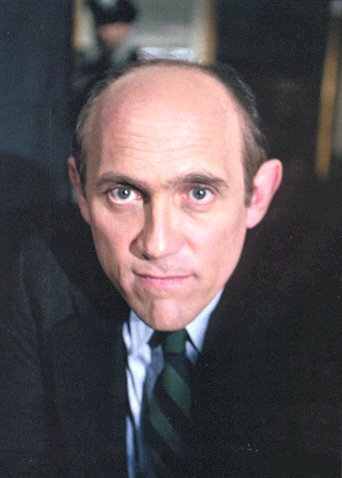
Note: We don’t think Principal Snyder has the skills to be a good instructional leader for early education programs. Perhaps he could benefit from the CAYL Fellowship program.
More About the Authors
Issues
Programs/Projects/Initiatives
Related

Confronting Harmful Federal Disability Policy in Health and Human Services

Federal Early Education Update: March 2026

A Bureaucratic Shakeup Threatens Future Child Care Research