Table of Contents
- I. Introduction
- II. Asset Allocators, Principles, and Criteria
- III. The RAAI Index and Leaders List
- IV. Why the Leaders Matter
- V. Key Findings: Are Global Asset Allocators Becoming More Responsible?
- VI. What’s New? Comparing the 2021 and 2019 RAAI Leaders List
- VII. Methodology
- VIII. Glossary of Terms
- IX. Scorecards
- X. Previous and Current Award Winners
- XI. Appendix: Ten Recommendations for Success in Responsible Investing
III. The RAAI Index and Leaders List
The RAAI Index

The 30 Most Responsible Asset Allocators
The 2021 RAAI Leaders List: The 30 Most Responsible Asset Allocators is comprised of the 30 top-scoring funds in the RAAI Index as rated against 10 core principles and 30 criteria for responsible investing practices (see the Principles and Criteria section for more). The leaders were selected from the 251 rated asset allocators, including seven SWFs, 22 GPFs, and one global fund (as a multilateral institution, the UNJSPF is classified as a global fund). The leaders stand out for their commitment to responsible, long-term investing; integration of ESG risks into their portfolio decision-making process; and leadership in reflecting saver’s preferences on key issues such as climate change, gender equality, fair labor practices, sustainable infrastructure, education, and healthcare.
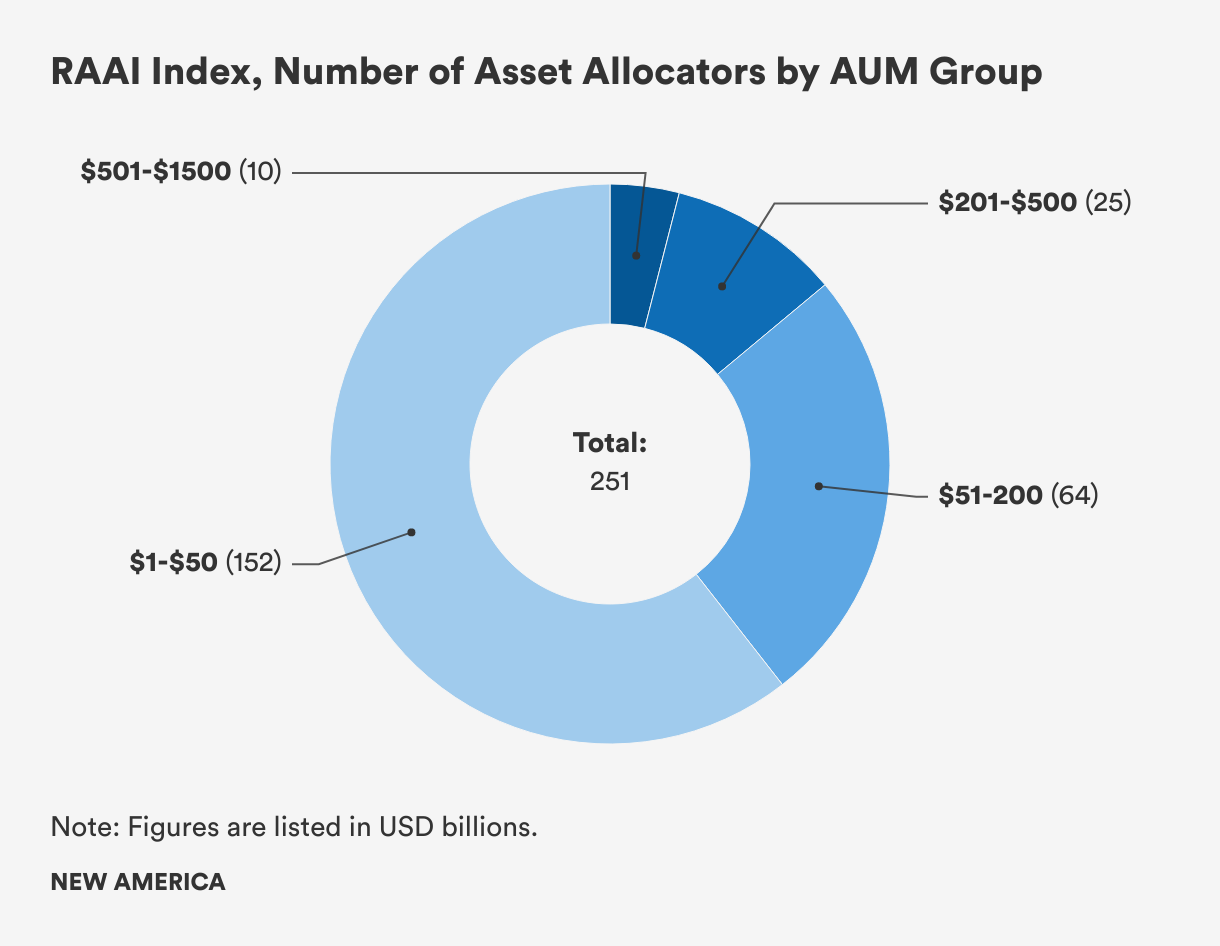
Together, this impressive group of Leaders on responsible investing have a combined assets under management (AUM) of $7.9 trillion, and individual funds ranging from a low of $2 billion to a high of nearly $1.4 trillion in assets.
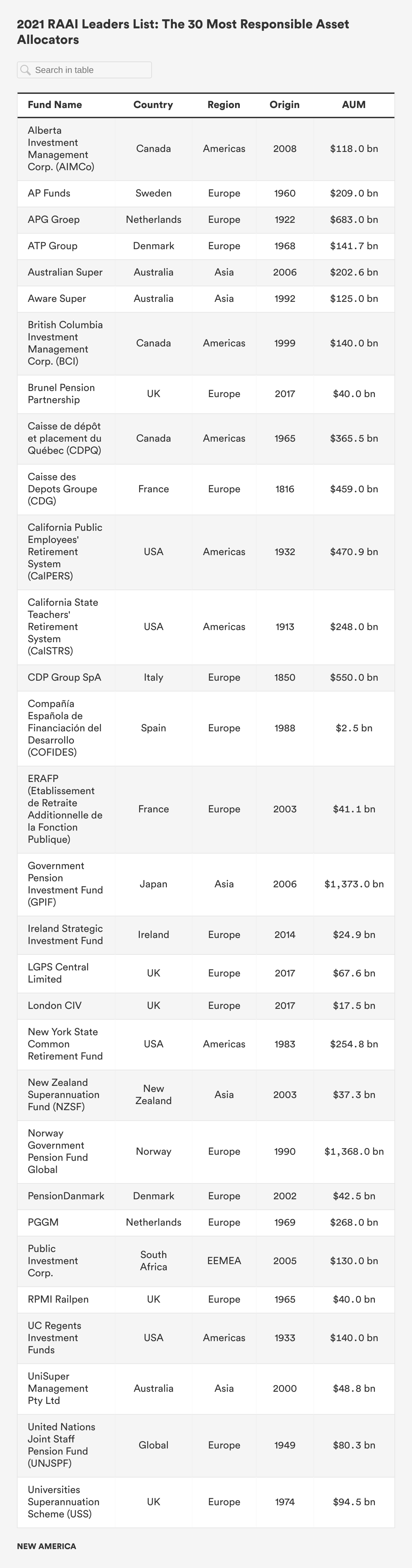
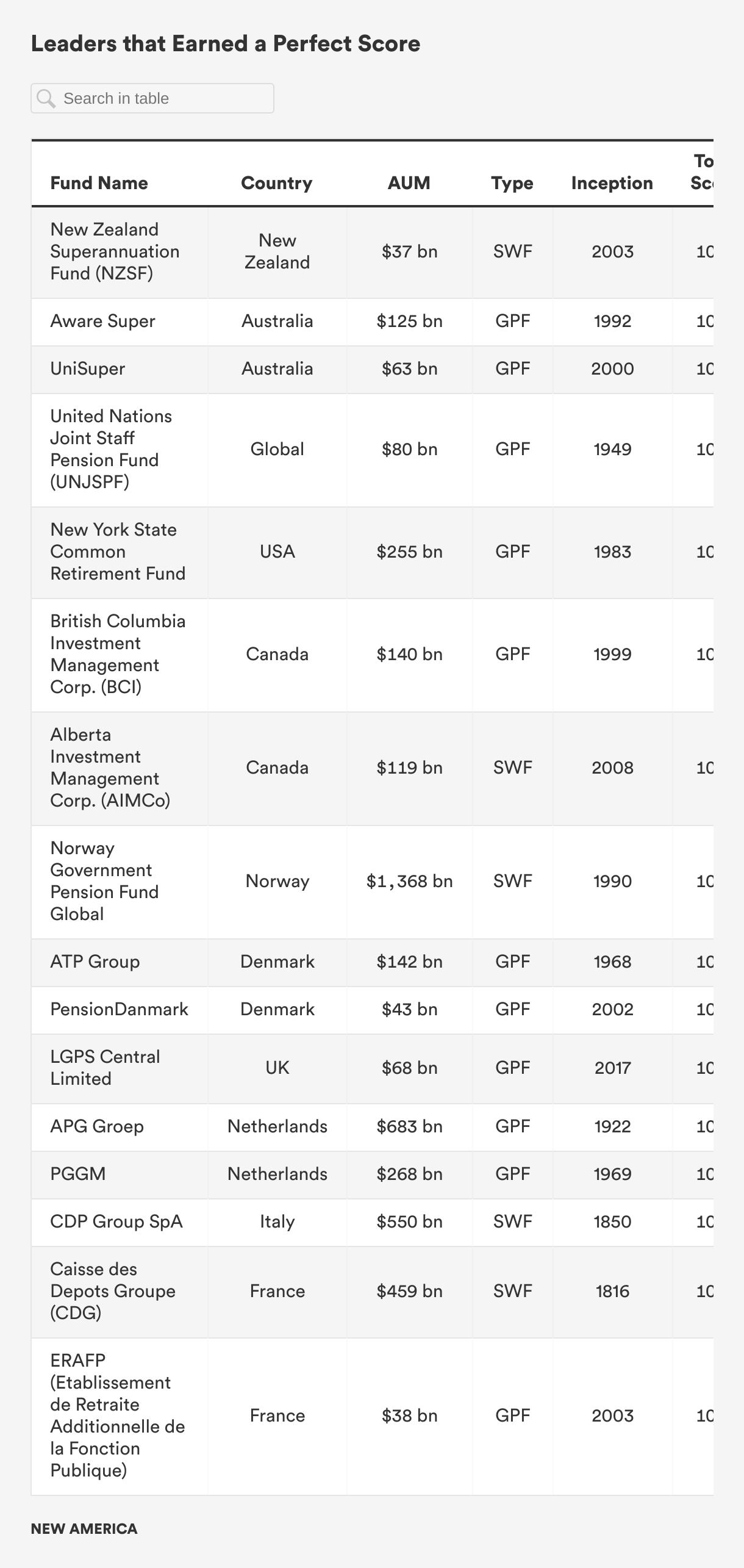
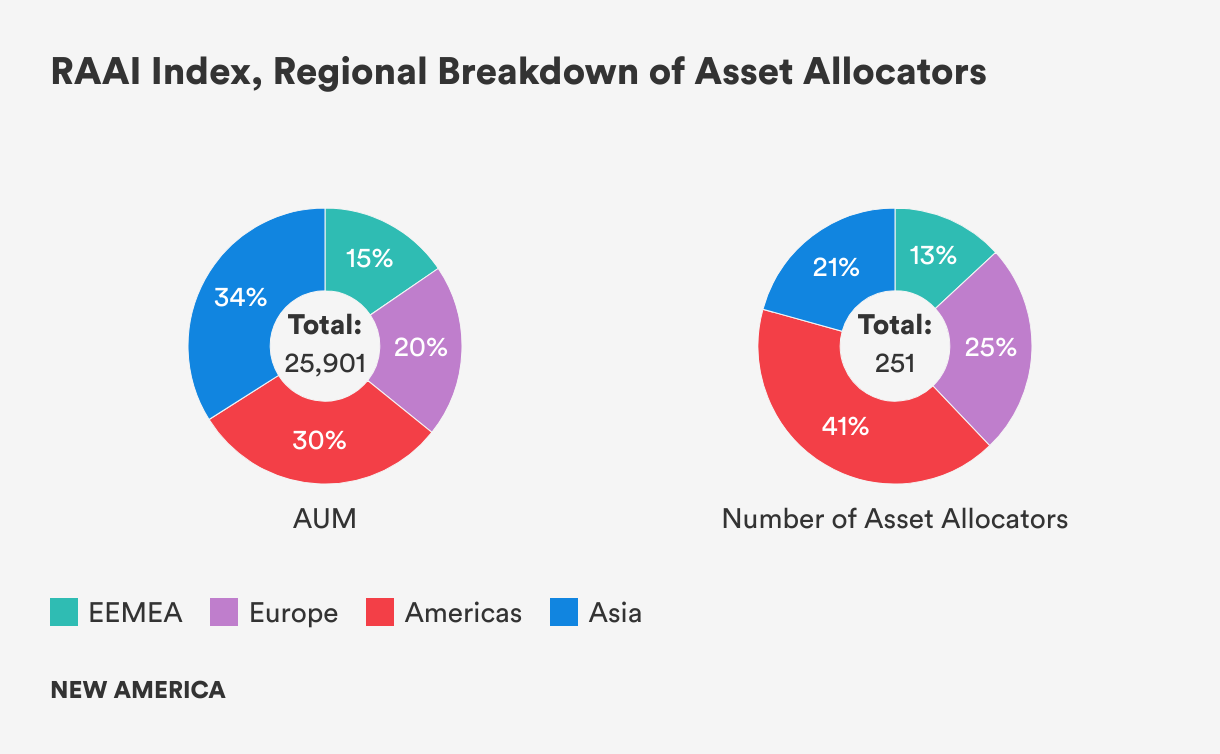
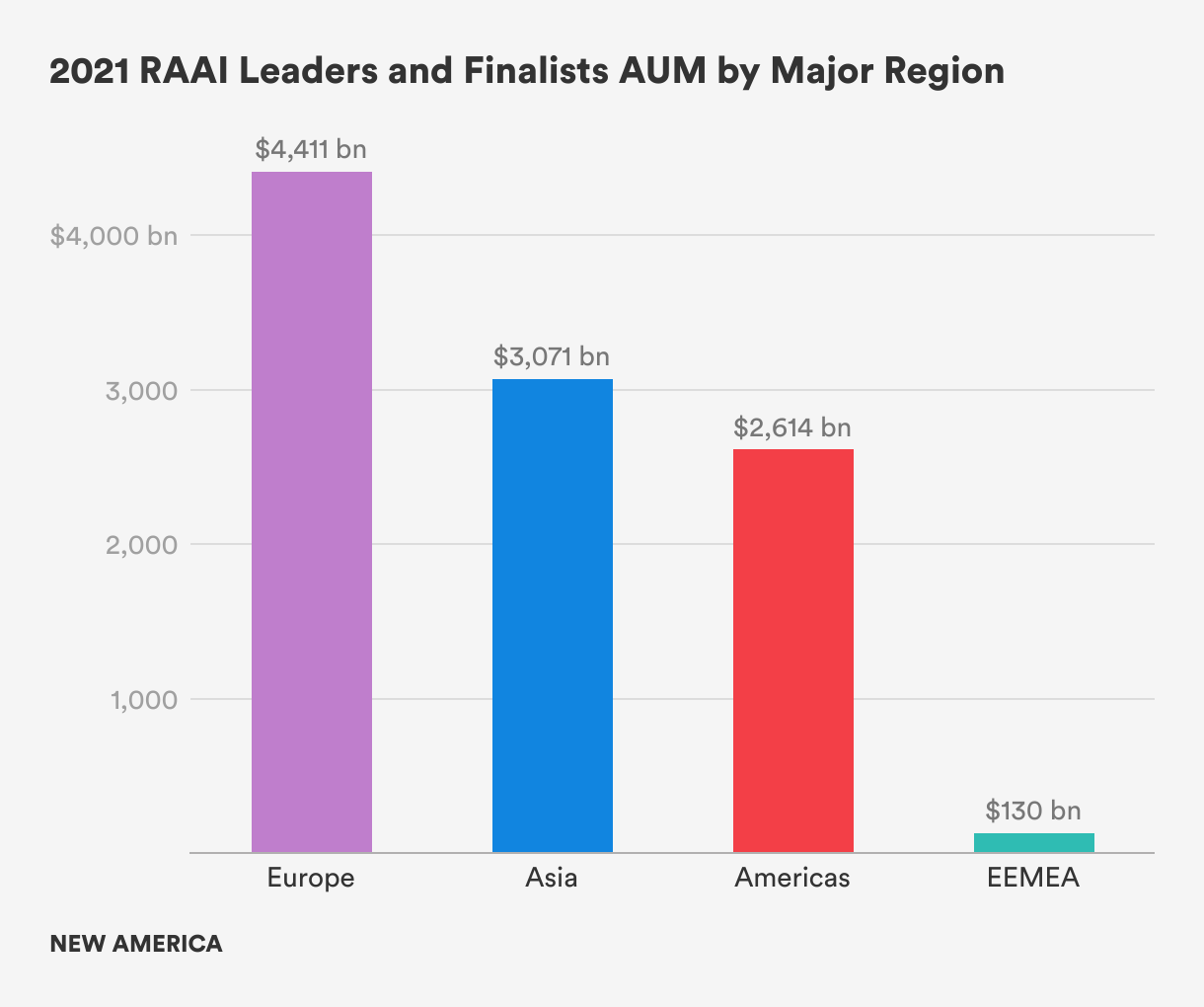
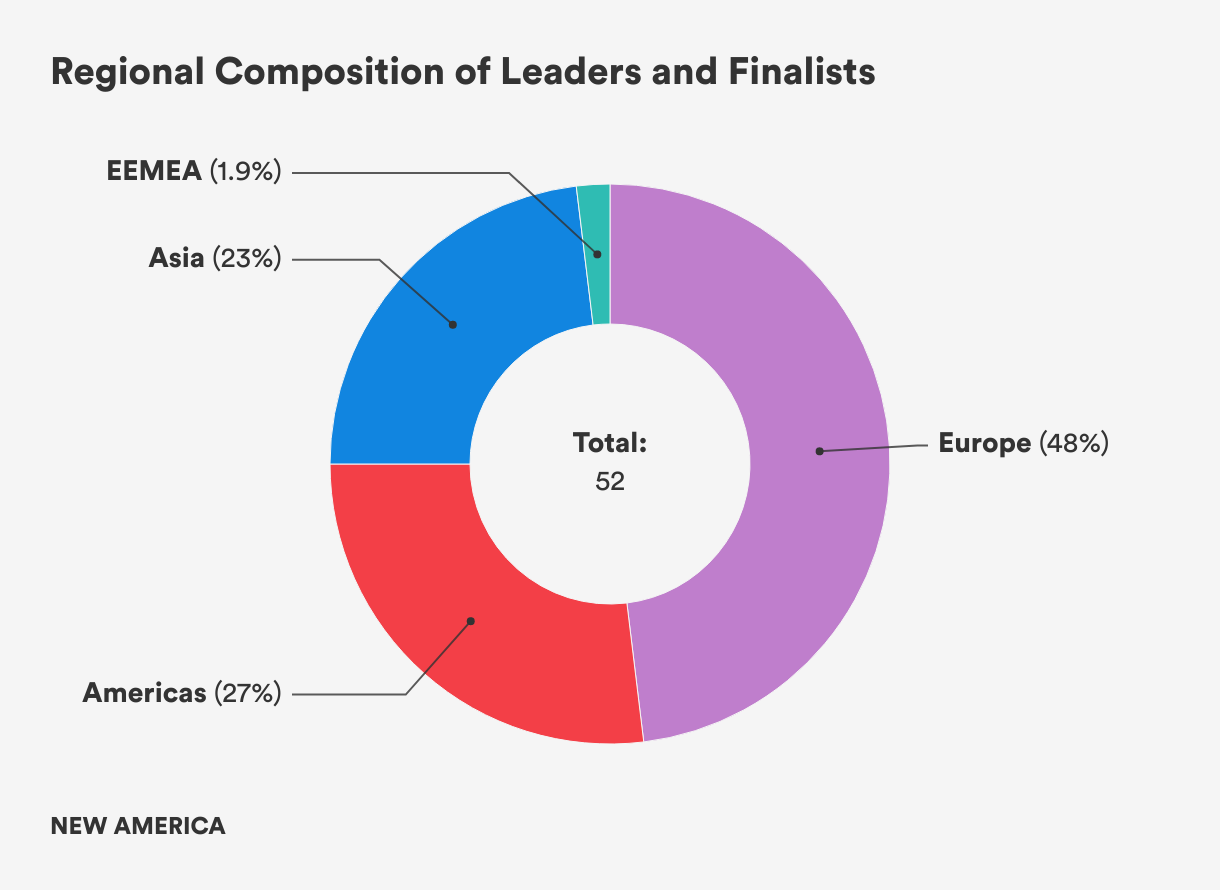
To put this in context, the combined asset base of this group is larger than the GDP of every country but the United States and China. The leaders list is diverse with asset allocators from 15 countries and four major geographic regions: the Americas (Latin and North America), Asia (Central Asia, East Asia, and Australasia), EEMEA (Eastern Europe, Middle East, and Africa), and Europe (Europe and Other).
Europe is the most well-represented continent, including 16 asset allocators that comprise over 50 percent of AUM in the Leaders List. European Leaders include two from France, two each from the Netherlands and Denmark, five from the United Kingdom (the country with the highest number of Leaders), and one each from Ireland, Italy, Spain, and Sweden. North America is second, with seven funds in the Leaders List (together comprising 23 percent of AUM), including three from Canada and four from the United States. Asia has five asset allocators on the Leaders List, with three from Australia, and one each from Japan and New Zealand. Asian funds represent only 17 percent of the number of Leaders but comprise almost 25 percent of total assets. Lastly, the EEMEA region has one representative on the Leaders List—a South African government pension fund with $130 billion in assets.
Surveying RAAI Rated Asset Allocators by Country and Region
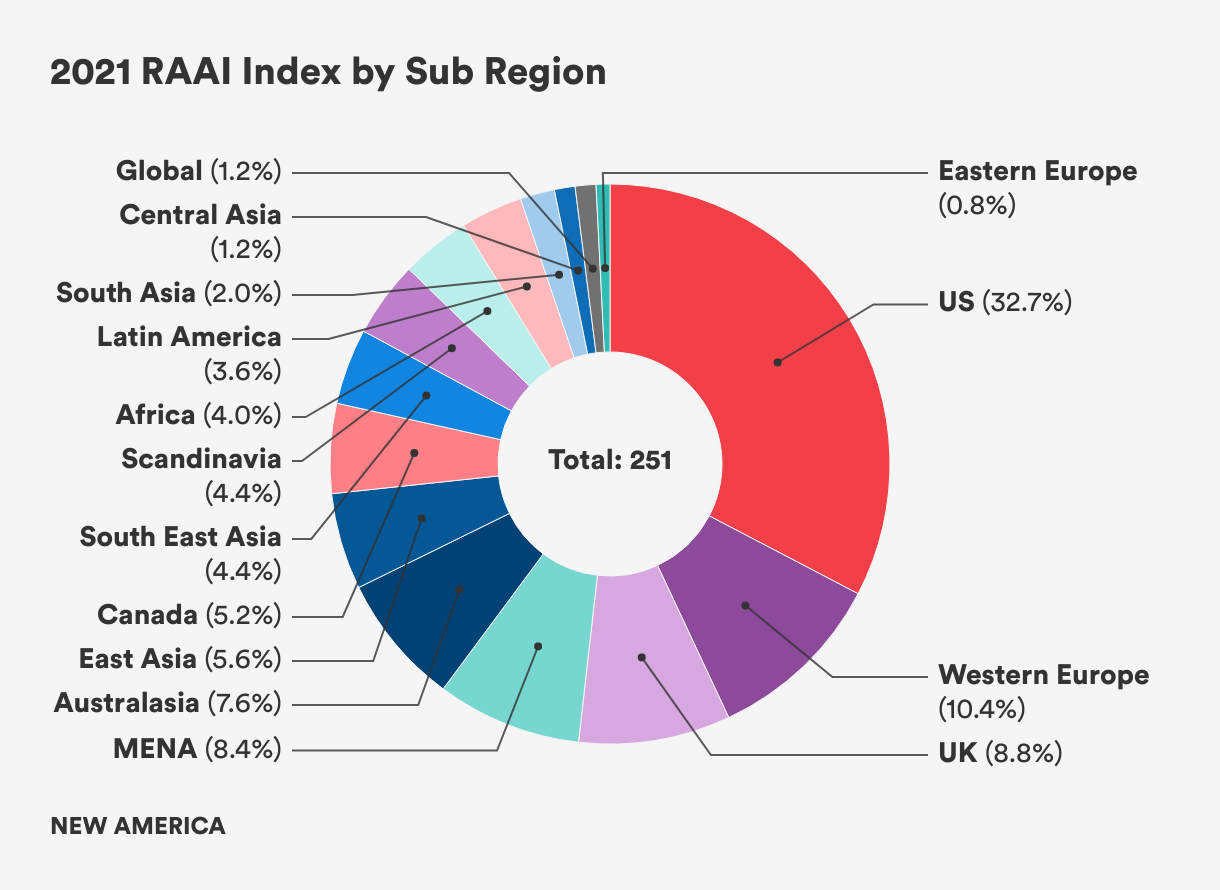
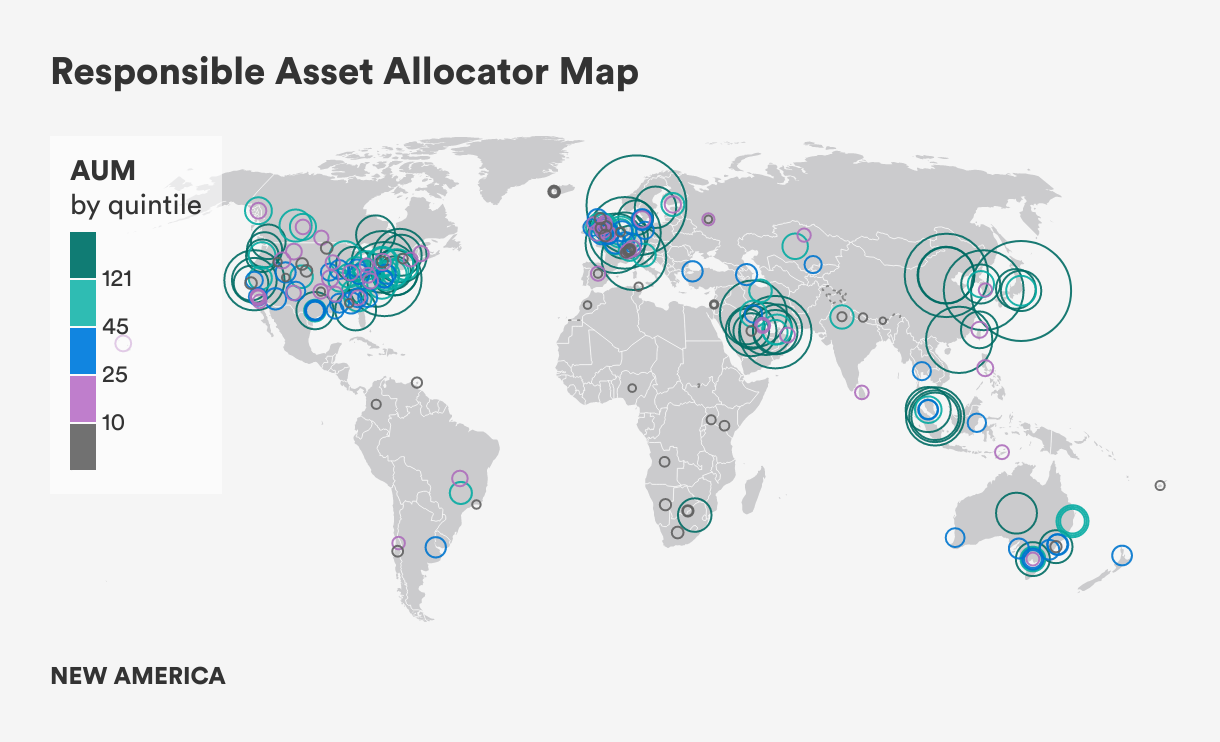
For the 2021 RAAI Index and Leaders List Report, our staff began by reviewing 634 asset allocators in 98 countries, with a total AUM of $37 trillion. After excluding duplicates, asset allocators that were too small or that did not have information available in the public domain (See Methodology section for more information on exclusions), our reviewers rated and ranked 251 asset allocators from 61 countries, with a total AUM of $26 trillion. The Responsible Asset Allocator Map below, an interactive display that highlights the geographic scope of RAAI’s coverage, shows key information on each rated entity including location, AUM, quintile ranking, and inception date.
Performance Analysis of the Leaders and Finalists
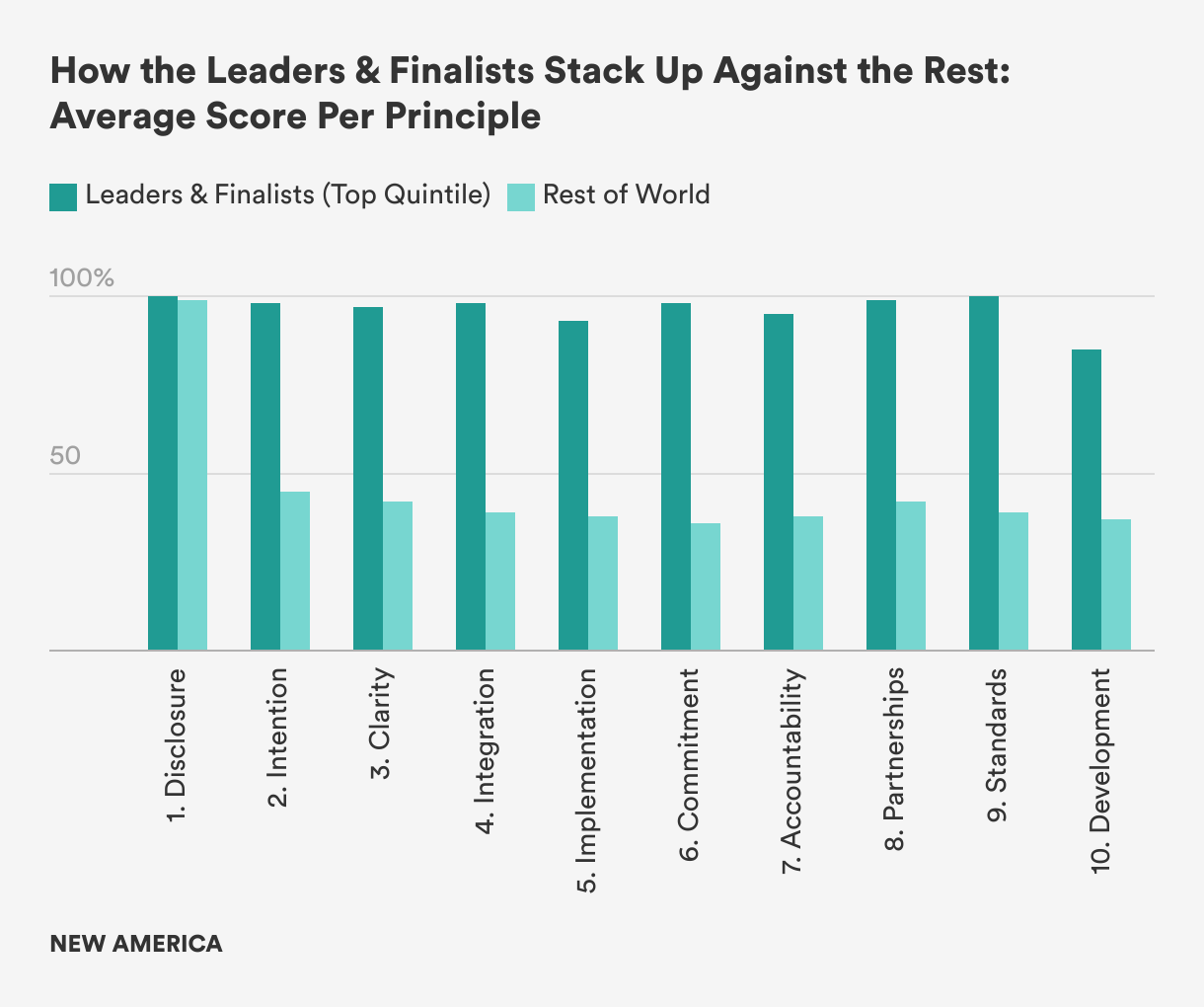
The leaders list funds (those funds ranked 1-30) scored significantly higher than other rated funds on the index, with an average score of 98 points (out of 100). No Leader failed to score on less than 29 out of 30 criteria, with 16 obtaining a perfect score, a remarkable achievement. The finalists (the funds that ranked 31-52 on the index) were not far behind, with an average score of 93 points. The finalists scored on at least 28 out of 30 criteria. Together, the leaders and finalists, the top quintile performers, provide a benchmark of excellence for the broader asset allocator community. The rest of the 199 rated funds only scored an average of 40 points.
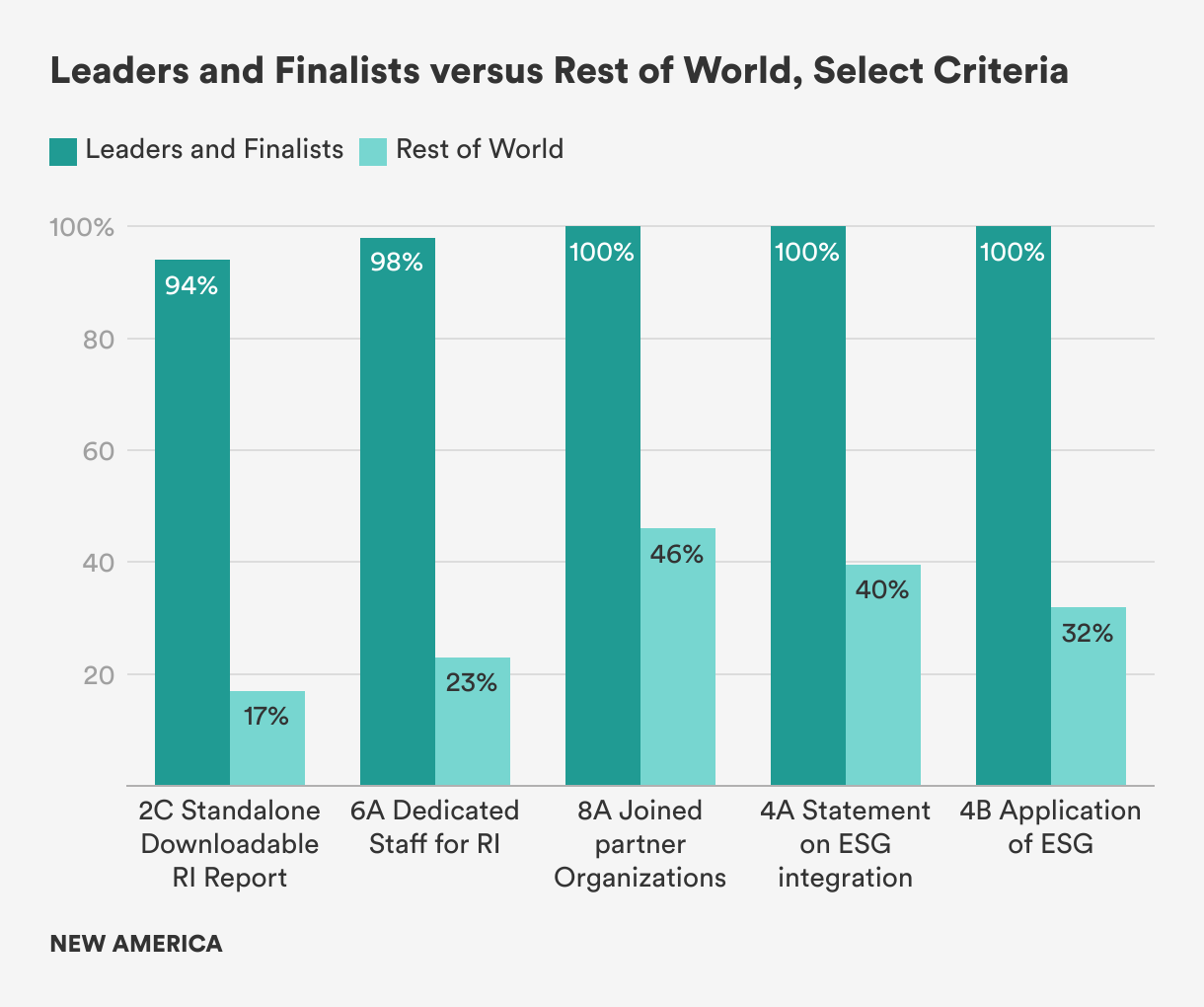
Performance on key criteria shows a stark difference between the responsible investing practices of the leaders and finalists and the rest of world-rated funds, indicating that much work remains to be done. For example:
- Ninety-four percent of leaders and finalists publish a standalone, downloadable report on their responsible investing practices, compared with only 17 percent for the rest of funds.
- Ninety-eight percent of leaders and finalists hire dedicated staff for responsible investing and have internal resources to do the job effectively, versus 23 percent of all other rated funds.
- One-hundred percent of leaders and finalists have joined partner organizations to learn about best practices and share knowledge on responsible investing, compared with 46 percent for the rest of funds.
- One-hundred percent of leaders and finalists issue a statement on integrating ESG risks into their investment decision-making process and explain how they implement ESG in the portfolio, while the rest of world funds score 40 percent and 32 percent, respectively, on the same criteria.
These are relatively straightforward criteria, and it is surprising that the majority of world funds rate poorly on them, in the opinion of the reviewers.

Note, leaders and finalists also have room for improvement, scoring well below their total average score of 96 percent on select criteria. For example:
- Under development, leaders and finalists show below-average scores. Only 90 percent of leaders and finalists reference the SDGs, only 85 percent show leadership on innovation in ESG, and just 78 percent invest in frontier markets and follow responsible investing practices while doing so. Accordingly, the average score for development at 86 percent, is the lowest among all principles for leaders and finalists.
- In terms of accountability, 100 percent of Leaders and Finalists report progress toward meeting ESG targets, but only 86 percent report on the financial performance of their ESG investments.
- Regarding implementation, 100 percent of leaders and finalists provide examples of ESG investments for their stakeholders in select categories, but just 90 percent are able to provide examples of responsible investments for all three ESG categories, and only 88 percent provide a benchmark for measuring the ESG performance of their responsible investments.