Boosting Capital for Communities with the Hub-and-Spoke Model
Fahe builds the capacity of local financial ecosystems in rural communities to deliver homeownership financing at scale.
The limited availability of small-dollar mortgage loans is a barrier to homeownership—and the wealth-building and stability it can provide.




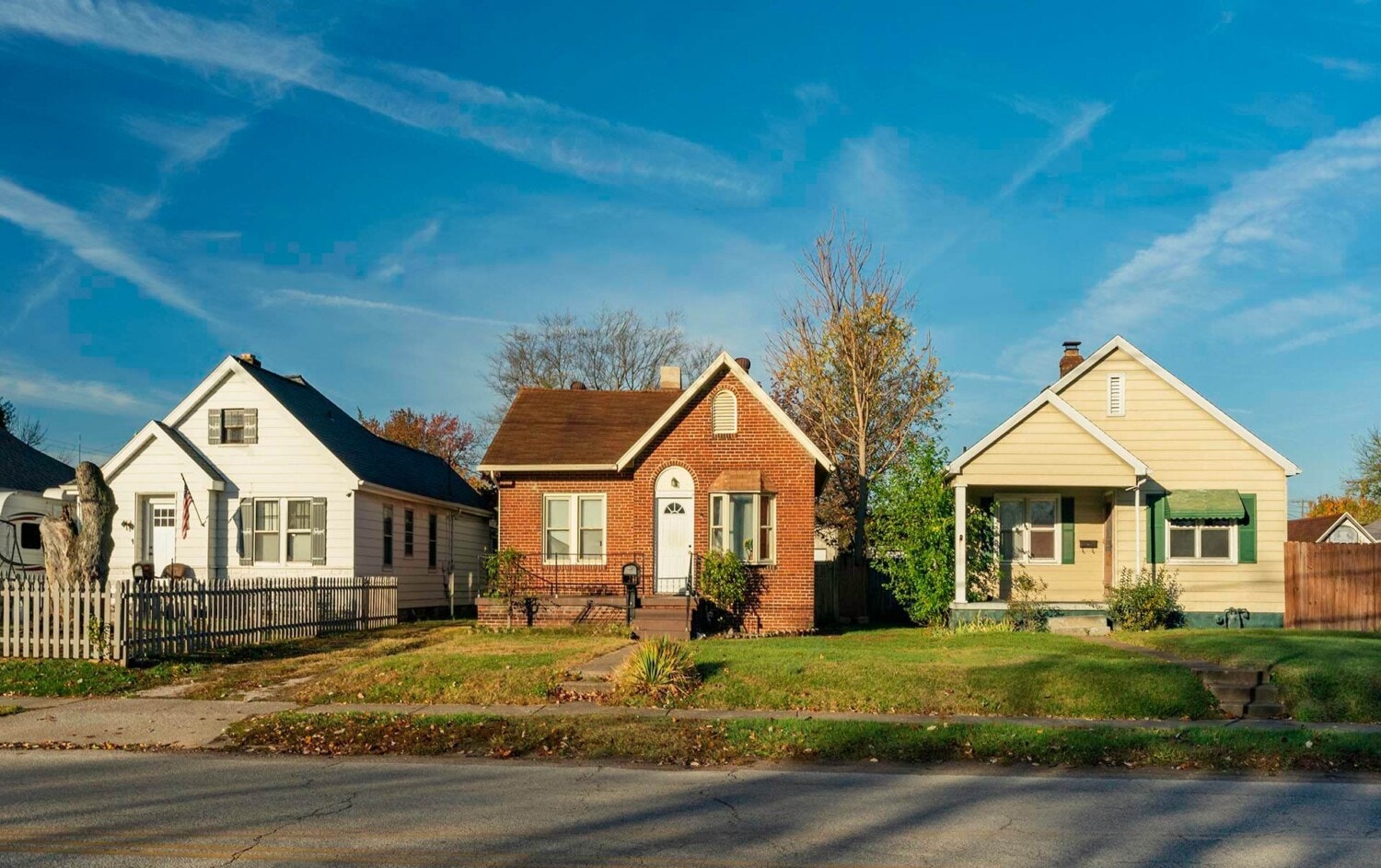
The vast majority of homebuyers—and 97 percent of first-time buyers—rely on a mortgage loan to afford homeownership. Yet, mortgages for small-dollar homes, valued at $150,000 or less, have dropped by nearly 70 percent between 2004 and 2021. This decline locks millions out of homeownership, particularly low- and moderate-income households, often in communities of color.
To better understand the consequences of this mortgage financing gap on the racial homeownership gap, the U.S. Department of Housing and Urban Development supported New America’s Future of Land and Housing program and Craig J. Richardson (CJR) Economic Consulting, LLC to conduct two complementary analyses: a quantitative analysis examining how declining small-dollar mortgage lending over two decades has impacted the Black homeownership rate relative to the white homeownership rate nationwide, and a solutions landscape for expanding small-dollar homeownership, organized around financing, housing quality, and supply barriers.
The report also includes case studies of organizations across the country tackling these challenges through innovative programs, financial products, and partnerships, showcasing how solutions can be put into action. We’ve highlighted a few below.
Fahe builds the capacity of local financial ecosystems in rural communities to deliver homeownership financing at scale.
Local Initiatives Support Corporation provides access to flexible underwriting, alternative credit, and legal assistance.
Grounded Solutions Network provides an alternative pathway to homeownership and preserves affordability.
ROC USA combines affordable capital and technical assistance to enable resident-owned communities.
The Houston Land Bank leverages public-private partnerships to create affordable homeownership opportunities.
The National Community Stabilization Trust connects mission-driven buyers with discounted foreclosed properties.
Editor’s note: The report above was previously submitted to the U.S. Department of Housing and Urban Development Office of Policy Development and Research. The views expressed in this report are solely those of the authors and do not necessarily reflect the views of the U.S. Government or New America, its staff, fellows, funders, or board of directors.
Deputy Director, Future of Land and Housing Program
Director, Center for the Study of Economic Mobility
State Partnerships Lead, Eviction Data Response Network
Senior Fellow and Director, Future of Land and Housing