Table of Contents
- Summary of Findings
- Introduction
- Making Ends Meet in the Margins: Female-Dominated, Low-Wage Sectors
- Breaking Into the Blue-Collar Boys’ Club: Male-Dominated, Low- and Middle-Wage Sectors
- Finding a Financial Foothold: “Pink Collar” Female-Dominated, Middle Wage Sectors
- Pleasing the Powerful and Prominent: Male-Dominated, High-Wage Sectors
- Conclusion
Pleasing the Powerful and Prominent: Male-Dominated, High-Wage Sectors
While the sectors of technology, media, politics, finance, and entertainment are high-wage and in some cases employ significant percentages of women, a closer look at each industry shows deep vertical segregation—the phenomenon of men dominating the high-paid and high-power roles at any given workplace—as described in the previous section on female-dominated, middle-wage sectors. In this case, women may be the majority of reporters in a given newsroom, for instance, but it’s still predominantly men who are the editors and publishers—the ones who determine their salaries and often the stories that get told and promoted.
The way power, impunity, and masculine identity threat manifest in this sector can create a different and distinctly toxic cocktail of harassment and assault. The public and societal power that men hold, as well as the significantly higher wages they earn, add to the feeling of being threatened by the advancement of women and marginalized groups common in lower-wage, blue-collar work. Though there are similarities to the previous sections in how harassment manifests, another key difference is that the politics, finance, technology, media, and entertainment industries are fueled by particular myths and narratives that create cultures of dismissal and denial that normalize sexual harassment, assault, and toxic, abusive behavior. The idea of a “larger calling” in many of these industries elevates the need to serve an institution, group, or set of ideas that’s much larger than an individual. Consequentially, the experience of the individual can be minimized and subsumed by a larger-than-life commitment—regardless of the toxic or abusive behavior—to producing an Oscar-winning film, a Pulitzer Prize-winning story, breakthrough research, electing the candidate, sealing the deal on Wall Street, bringing in the big bucks or making the case in law firms, or shipping a “disruptive” product in Silicon Valley.
The way power, impunity, and masculine identity threat manifest in this sector can create a different and distinctly toxic cocktail of harassment and assault.
Women, especially women of color, are underrepresented in positions of power across the male-dominated technology, media, finance, politics, legal, and entertainment industries. According to the EEOC, about 6 percent of sexual harassment charges filed between 2005 and 2015 came from the professional, scientific, and technical services category, which includes the positions found across the technology, media, and entertainment industries, and an additional 4 percent of the sexual harassment charges came from the finance and insurance category which includes financial advisors on Wall Street. In academic science, engineering, and medical fields, more than 50 percent of women faculty and staff and 20-50 percent of women students see or experience sexual harassment. Since women are so underrepresented, and people of color even more so, and since instances of sexual harassment are under-reported and the data so incomplete, we are limited in the conclusions we can draw about those experiences, and need more quantitative and qualitative research to fully explore their problems and experiences.
Higher-wage male-dominated jobs include:
- Technology: Engineer, developer, programmer
- Media: Editor, writer, producer
- Entertainment: Actor, producer, director, editor, designer
- Politics: Senator, mayor, governor, representative, legislative aid, press secretary, chief of staff
- Finance: Analyst, financial advisor, accountant, auditor, investment banker
- Legal: Counsel, paralegal
- Advertising, Marketing and Public Relations: creative director, account or brand manager, PR manager
Factors Contributing to Sexual Harassment
The Myth of the Creative Genius
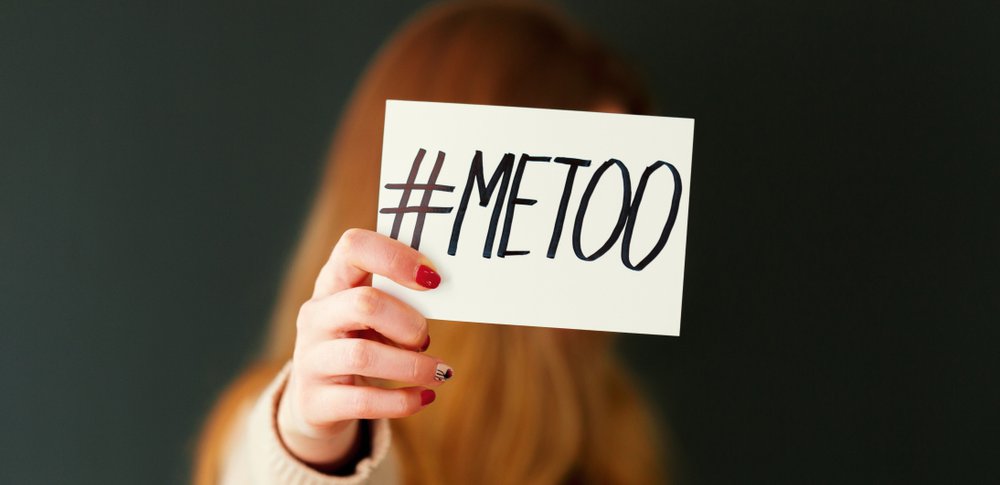
The stories of the #MeToo movement made clear that sexual harassment had become tolerated and normalized in creative industries like Hollywood, the arts, fashion, media, advertising, and high-tech business—industries that are driven by the myth that creative geniuses need creative license to say and do whatever they want, for the sake of the generation of new, innovative ideas, or in service of artistic inspiration and vision. “'Creative necessity’ is a bedrock principle in Hollywood, but the extreme behavior it protects may be unsupportable now,” writes Dana Goodyear in the New Yorker. Fashion photographers are particularly notorious for their sexual harassment and abuse of models, as shown in the stories shared on social media using #MyJobShouldNotIncludeAbuse. This behavior has often been dismissed or tolerated as the behavior of a temperamental artist.
Filmmaking itself is a highly visual medium, where the objectification of the female form is often integral to “artistic expression.” Indeed, women’s bodies are often prized over their faces, even when it comes to promoting films where they play lead roles. Headless Women of Hollywood documents movie posters that offer some egregious examples.
The stories of the #MeToo movement made clear that sexual harassment had become tolerated and normalized in creative industries.
Protecting the Superstar and Rainmaker
The legal profession has long grappled with a troubling and persistent talent drain of women: Although women have made up about half of all law school graduating classes for more than two decades, women make up only 19 percent of equity partners in top law firms. Sexual harassment and the “rainmaker” partnership structure of law firms, where equity partners bring in business, protect their friends and clients, make big bucks and are often seen as untouchable, are a big reason why. The American Bar Association’s Commission on Women in the Profession reports that one-half to two-thirds of women lawyers experienced or observed sexual harassment—not only by colleagues and bosses, but by judges, clients, court personnel, and other lawyers—but that few make reports, and those that do are often silenced by out-of-court settlements or mandatory arbitration clauses in their contracts.
Further, women who’ve made complaints, especially against a rainmaker, are often asked to leave a firm, or, if they stay, are seen as a “pariah,” writes Wendy S. Lazar in the New York Law Journal. “Often, other associates or partners do not want to work with them, their billable time drops off, and often they begin to fail at the firms that they had previously succeeded at.” Both are factors not only in keeping targets of sexual harassment silent, but in damaging careers or policing them out of the profession.
Ideal Worker Norm and Masculinity Contest
The masculine “ideal worker” norm, that the best workers are entirely work devoted, can and do work long hours and have no outside or caregiving responsibilities, is particularly powerful in this professional sector. By demanding and rewarding all-out sacrifice—something that only traditional breadwinner males have ever able to do—these work environments create a different, subtle, yet no less pervasive value and power imbalance that can drive dismissive, discriminatory, and sexually harassing behavior. For instance, in Silicon Valley, Wall Street, and other male-dominated environments, workers are often judged by long hours of presence at the office. Flexible work arrangements are seen as accommodations for lesser workers, which reinforces the notion that work is an endurance test where women and caregivers aren’t qualified and don’t belong.
Forthcoming research by Jennifer Berdahl and colleagues explores how across sectors, and in particular in male-dominated, high-wage professions, work has become a masculinity contest, and that dysfunctional “masculinity contest cultures” can foster bullying, burnout, toxic leadership, reduced wellbeing, and harassing behaviors, including sexual harassment.
The “Noble Calling” Narrative
Workers are pressured to not report sexual harassment when the narrative of a noble calling or greater good of doing their job stands in the way. Historically, journalists have been fueled by the idea that they give voice to the voiceless, and that it’s their job to investigate and hold those in power accountable. As the narrative goes, this role involves some amount of sacrifice—working very hard for little pay—and recognition that you serve a much larger, and greater good–the preservation of democracy, or freedom of the press. In politics, workers may be “reluctant to make waves” and try to preserve the position and image of a more senior worker for the “greater good.” Political workplaces, especially campaigns or the offices of officials or lawmakers, connect the success of the staffer to the success of the elected official in charge, creating more vulnerable workers who may feel pressured to protect the reputation of their workplaces, themselves, and bosses even while they may be experiencing harassment.
Flexible work arrangements are seen as accommodations for lesser workers, which reinforces the notion that work is an endurance test where women and caregivers aren’t qualified and don’t belong.
Denial and the “We’ve Already Fixed This” Narrative
The finance industry was one of the first industries to confront sexual harassment in the workplace after scandals like the “Boom Boom Room” lawsuit against Smith Barney, exposing a workplace culture that consistently marginalized women in the workplace. The suit pushed the finance industry to establish more anti-harassment trainings and develop human resources. Many workers in the finance industry, particularly men, believe their #MeToo moment came decades ago, and that sexual harassment is no longer a large problem. In other words, they believe that they’ve already “fixed” the issue.
The finance industry tends to keep sexual harassment internal and private, and pushes employees to resolve most of their sexual harassment complaints through arbitration, rendering the problem invisible. A recent survey reported 35 percent of respondents working in finance firms said there were no processes in place to report sexual harassment, and 28 percent said the processes in place were unclear. While the finance industry was an early adopter of sexual harassment trainings, these solutions focus more on individual empowerment and learning to tolerate harassment in the workplace.
The current solutions do not seem to be making a difference in women’s safety and equality in the finance industry workplace. While some organizations in finance, such as Bank of America, have made incremental improvements in diverse hiring since the 1990s, some jobs within the sector, such as financial advising, are still some of the most unequal in terms of wages and hiring opportunities for women. Because women occupy lower positions in finance, the threat of retaliation after reporting a colleague is very high, which can lead to victims staying silent for fear of losing their jobs.
Inadequate Human Resource Structures
Those in the technology industry pride themselves on being meritocratic, rational, and impervious to making decisions based on emotions or bias. (Ironically, research has found a “paradox of meritocracy”—workplaces that promote meritocracy also show greater levels of gender bias in favor of men against equally performing women.) Tech industry leaders promote cultures where people are encouraged to move fast and break things, to step on toes, fail fast, and be visionaries about making the world a better place. Most of all, industry observers say, it’s an industry that’s allergic to slowness and people who might raise cautionary flags—those who might not be a “culture fit” (meaning they don’t look and sound like everyone else).
As a result, “establishing rigorous [human resources] protocols and training their employees about proper etiquette and how to prevent harassment and discrimination is often an afterthought,” writes Doree Shafrir in Buzzfeed. In addition, smaller startups or organizations may not have human resources departments. Even if they do, their human resources departments are often ill-equipped to step in and prevent sexual harassment.
In politics, since many positions are short-term and the workplace structures connect staffers’ success with the success of their elected official, sexual harassment goes un- or underreported. In addition, victims on Capitol Hill are required to wait three months—a “cool-down” period—before filing a complaint, adding months of inaction before an issue can be addressed. While the House and Senate passed bipartisan anti-sexual harassment bills in the spring of 2018, the old rule will continue to apply until a compromise bill is passed and signed into law.
Their human resources departments are often ill-equipped to step in and prevent sexual harassment.
Congress established an Office of Compliance through the bipartisan Congressional Accountability Act of 1995 in order to provide a structure for reporting abuses; however the office lacks outside accountability and transparency. Since 2013, the Office of Compliance has paid out claims against six offices led by House members, two involving sex discrimination and one involving sexual harassment. The new House and Senate bills would eliminate the “Office of Compliance” and replace it with new offices and structures.
Fewer Legal Protections for Entrepreneurs, Independent “Gig” Contractors, or Those in Politics
The tech and media industries are reliant on a large population of contractors and freelancers, and some data suggests that these more independent types of employment are becoming more common. Yet for the most part, these groups are not covered under federal workplace and discrimination protections such as the Americans with Disabilities Act, the Age Discrimination Employment Act, and Title VII of the Civil Rights Act. Neither are entrepreneurs, nor employees of Congress or many legislative bodies. This lack of coverage means there is often no legal recourse in the case of sexual harassment. While better compensated than their lower-wage counterparts who work on contract, their more tenuous connection to employment makes it difficult for contract and independent employees to address harassment informally, if at all, with managers or coworkers, independent of legal action.
Vertical Sex Segregation and Power Imbalance
Few women occupy positions of power and leadership in tech, media, finance, politics, and Hollywood. Overall, women comprise 26 percent of the information technology sector (of that number, 3 percent are African-American and 1 percent are Latina), and between 26 and 43 percent of the workforce at top tech companies—but those self-reported diversity numbers fall when it comes to technical roles. Of the top 100 biggest venture capital firms in the world—which control who and what gets funded—just 7 percent of the partners are women. Women comprise only about 11 percent, on average, of the executive leadership positions at major Silicon Valley companies. In the widely cited Elephant in the Valley survey, 60 percent of women in tech said they have experienced unwanted sexual advances; 65 percent said that their unwanted sexual advances had come from a superior.
Women are 50 percent of moviegoers, but women made up only 18 percent of directors, executive producers, writers, cinematographers, editors, and producers that worked on the top 250 films of 2017, according to analysis from the Center for the Study of Women in Television and Film.
The top 100 biggest venture capital firms in the world—who control who and what gets funded—just 7 percent of the partners are women.
Women comprise 53 percent of the financial industry workforce, including but not limited to positions in banking, insurance, funds, and real estate. The numbers mask substantial vertical and sub-sector segregation by sex. The percentage of women occupying roles in finance decreases as seniority increases, with 28 percent women at senior level positions and just over 1 percent women CEOs at S&P 500 companies in 2016. One in five funds has at least one woman manager. According to Wall Street’s oversight body, the Financial Industry Regulatory Authority (FINRA), only 17 women won sexual harassment claims in 30 years, with many settling due to pressure from employers. Sexual harassment might also be underreported in this industry because younger workers may attempt to avoid retaliation and maintain positions in the fast-paced industry.
In politics, vertical segregation means that women occupy lower-paid positions. As of 2018, women make up 20 percent of Congress; 23 women (23 percent) hold seats in the U.S. Senate, and 84 women (19 percent) serve in the House of Representatives. Women hold 25 percent of state legislator positions in the United States. Only 7 percent of members of Congress and 6 percent of state legislators are women of color. Although women comprise 45 percent of House staffers, women staffers in political offices are more likely to serve in people-facing or administrative work while men occupy roles with more managerial and political duties.
Gender Pay Gap
One of the consequences of the power imbalance in these industries is the pay gap between men and women. Women are likely to earn less than their male counterparts for the same role, and according to the EEOC, these kinds of “disparities in power” can allow harassment to thrive. A survey from the private company Hired–which is not representative, and merely a starting place for more analysis–suggests that in the technology industry, men are offered more compensation for the same job in the same company than women are 63 percent of the time, and that women are offered about 4 percent less money, on average (though they also ask for less money than men 66 percent of the time).
According to a Glassdoor survey (which, like the Hired survey, is not representative) the gender pay gap in the media industry is 7 percent, which includes arts, entertainment, and traditional news media. Certain examples of the pay gap in Hollywood have become better known, in part because cyber security attacks—like the Sony hack—revealed them to the world. In one recent example, actor Mark Wahlberg was paid $5 million for the movie All the Money in the World, while co-star Michelle Williams was paid $625,000. In business and financial operations, women earn 77 percent of what men make in their field, and in financial management specifically that percentage drops to 62 percent.
Silencing Through Contracts
Across the tech, media, finance, politics, and entertainment industries, legal contracts like confidentiality provisions, arbitration clauses, and non-disclosure and non-disparagement agreements (NDAs) silence victims of harassment, and in many cases prohibit them from taking public legal action against a workplace harasser. In finance, women risk their careers to report their harassers, or are otherwise forced into arbitration or non-disclosure agreements in order to keep issues of harassment internal and private.
Many employers in the tech, entertainment, and finance industries force employees to sign an NDA when they accept a job. New York's state legislature passed a bill to ban NDAs. Pennsylvania and California have recently proposed bills to ban NDAs as well and, in some cases, void any clause that could silence victims in sexual harassment settlement proceedings. Still, these for the most part only include employees with formal contracts.
Isolation and Blurred Boundaries
Similar to female-dominated industries, isolation affects workers in high-wage, male-dominated sectors as well. In the media and entertainment industries, isolation contributes to sexual harassment when women must work for weeks on isolated movie or TV sets, or when they’re required to travel to a desolate part of the world to report a story. Isolation also affects campaign workers on the road, whose jobs are temporary in nature and separate from an office. Drinking while at networking events is also common and expected in politics, tech, and finance, blurring boundaries between the social and the professional. Like other male-dominated industries, there is a “work hard, play hard” ethos in politics that can lead to ambiguity around interpersonal relationships, and isolation exacerbates confusion about separating different types of relationships.