
On February 24-25, 2015 New America and Arizona State
University held the First Annual Future of War Conference. The event featured
top thinkers and policymakers from academia, major media, think tanks, the
military, government agencies, and civil society. The conference was
co-sponsored by CNN, had over 400 attendees, and over 9,000 viewers via
live-streaming.
The following are some key insights from the event:
1. The future of war will be defined
by uncertainty
2. Small wars will continue and the
United States may continue to lack an effective strategic response
3. The future of war will increasingly
involve unmanned and autonomous weapons systems
4. Cyberspace will expand as a key
domain of conflict
5. The United States’ security capacity
will increasingly depend upon the ability to integrate multiple capabilities
and adapt to change
6. Armed conflicts will involve hybrids
of state and non-state adversaries
7. War will increasingly involve the
private sector
8. Existing legal and political systems
are unprepared for the changing nature of war
9. Cities and megacities will play a
growing role in defining global security threats
10. The invasion of Iraq will continue to
loom large in the United States’ strategic thinking
11. Viruses, and diseases, both natural
and man-made, as well as biological modifications will challenge international
security
12. Civil/military relations may stress
the United States’ capacity to address future threats
13. Climate change will shape the future
of war
14. Big data and mass surveillance will
threaten civil liberties and human rights and play a growing role in future
conflicts
15. Interstate war will remain rare,
elements of global violence may decline, but armed conflict will retain many of
its core qualities
Downloads
More About the Authors
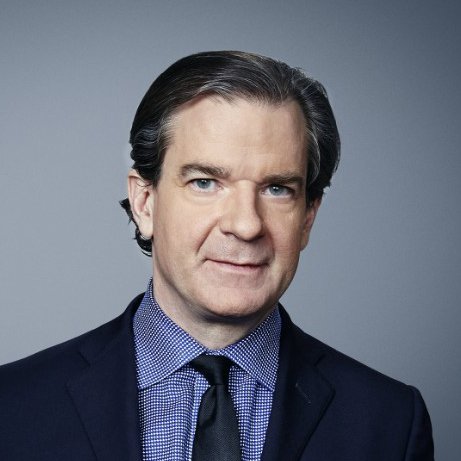
Peter Bergen
Vice President, Global Studies & Fellows; Professor of Practice, Arizona State University

David Sterman
Deputy Director, Future Security

Daniel Rothenberg
Co-Director, Future of War; National Fellow, 2015; Professor of Practice, Arizona State University