Pre-K and the States: Who’s Up, Who’s Down

A new report from Pre-K Now gauges state legislative support for quality pre-k during the 2008 state legislative sessions. This report is one of two the organization does annually; the other is an annual barometer of governors’ leadership on pre-k through state funding requests.
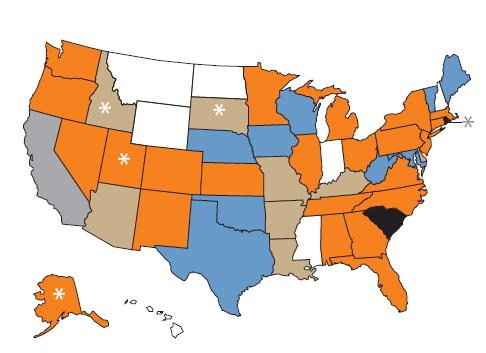 Generally, the news is looking good: Despite the economic downturn, state legislatures in twenty-three states and the District of Columbia Council increased pre-k funding for fiscal year 2009. Nine more states that don’t appropriate money directly for pre-k but fund pre-k through school funding formulas also project an increase. At the same time, eight states maintained pre-k funding at fiscal year 2008 levels, two decreased funding for pre-k, and twelve states don’t invest in public pre-k at all. Overall, however, net state investments in pre-k for 2009 will increase by $309 million–or roughly 6 percent–to $5.2 billion.
In their characteristic awards ceremony approach (who needs the Emmys, anyway?) Pre-K Now highlighted the efforts of the Louisiana legislature, which endorsed universal pre-k despite concerns about program costs. The District of Columbia Council gets recognition as well, for boosting funding for its universal pre-k program while keeping a watchful eye on program quality.
Several other states –including the stragglers — offer lessons as well:
Formula for Success – In the current economic environment, advocates and legislators need to work to protect pre-kindergarteners from funding cuts. This report underscores the wisdom of insulating pre-k programs from cuts by making pre-k funding part of the state school funding formula for public education. By linking pre-k funding with K-12 school funding, legislators can avoid creating competition between K-12 and pre-k programs for funds, and prevent pre-k from being put on the chopping block every year, as is often the case in states that fund pre-k out of a separate pot of money. Of the elite club of states striving toward universal pre-k,
Pre-K is Purple Policy – The most successful state legislatures advanced pre-k with bipartisan support. In Virginia, both Democrats and Republicans came together to approve funding for expanded pre-k in the face of a billion-dollar budget shortfall. In Kansas, Louisiana, and elsewhere, state legislators have realized that the benefits of pre-k outweigh the gains of partisanship.
The Other Legislature – While state appropriations for pre-k are on an upward trend, Congress has not followed suit. Federal support for state early education initiatives has declined by 8 percent in the last four years (and that’s in nominal terms, not accounting for inflation).
Don’t Loose Hope – Even in states that fallen behind, leadership changes following November’s election may create new opportunity to rejuvenate pre-k efforts next year. Voters too have shown in opinion polls that they care about quality early education.
How did your state legislators do this year? Check out the report here.
Map from Pre-K Now, Votes Count 2008.
More About the Authors
Issues
Programs/Projects/Initiatives
Related

Confronting Harmful Federal Disability Policy in Health and Human Services
Federal Early Education Update: March 2026

A Bureaucratic Shakeup Threatens Future Child Care Research