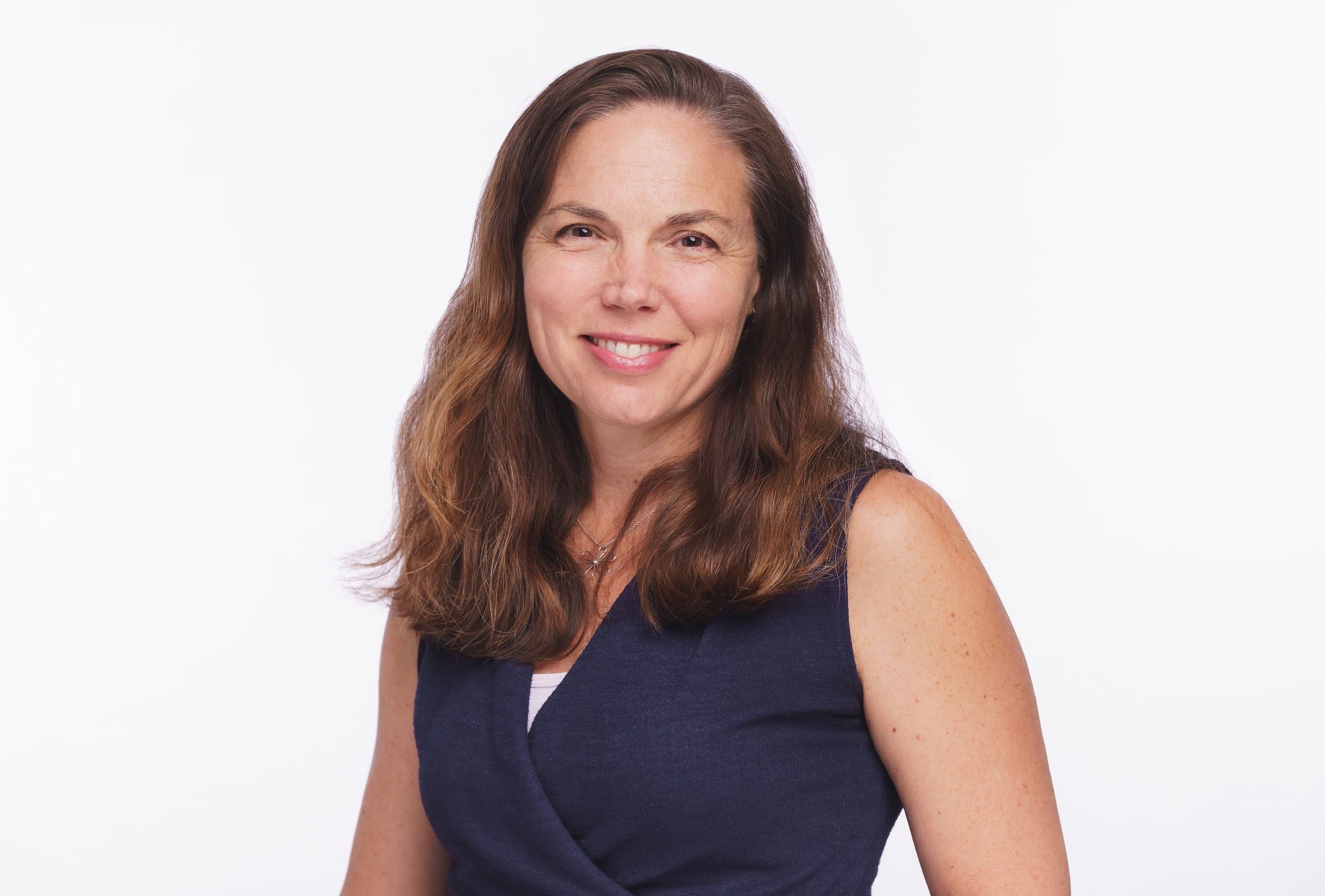
Lisa Guernsey
Senior Director, Birth to 12th Grade Policy; Co-Founder and Director, Learning Sciences Exchange

Children undergo tremendous changes in how they think about the world throughout their pre-kindergarten and early elementary school years, presenting a challenge for educators who work in this age span. In a new book, Growing Minds: Building Strong Cognitive Foundations in Early Childhood, an array of experts expound on the development of children’s understanding and thought processes, while also providing ideas for fostering this growth in ways that match what is known about human cognitive development. The book is comprised of articles from Young Children, one of the magazines published by the National Association for the Education of Young Children, as well as from previous NAEYC books on cognitive growth in young children.
In this podcast we talk with Carol Copple, the book’s editor and NAEYC’s former publications editor, about many of the ideas in the book, including a focus on the importance of helping children learn to self-regulate (control their impulses, complete tasks) as well as an explanation of what is meant by an opaque phrase that is often used in child development conversations: “approaches to learning.” Our discussion also touches on how children develop the ability to take the perspective of others and how and when they are able to think in the abstract — two cognitive moments that are tied up in children’s growth in moving from “learning to read” to “reading to learn” by the end of third grade.
New Book on Children’s Cognitive Growth, Birth through 3rd Grade
With our guest Carol Copple, editor of Growing Minds: Building Strong Cognitive Foundations in Early Childhood
Senior Director, Birth to 12th Grade Policy; Co-Founder and Director, Learning Sciences Exchange