Decision Support Tools
A combination of models, analytics, and data access to aid specific decision-makers
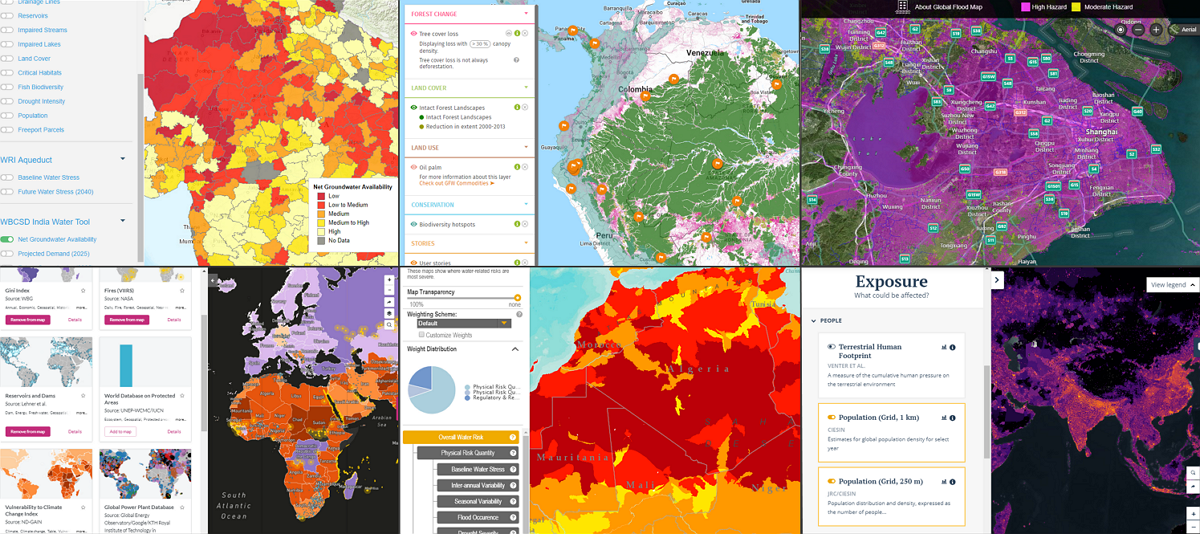
Decision support tools tend to be tightly coupled with discrete decisions by specific actors. Some tools, such as UNEP’s MapX and Earth Genome’s Green Infrastructure Support Tool (GIST), rely on a foundational platform that can be configured in collaboration with specific end-users. This type of co-creation is a great fit to inform decisions or actions in complex situations, but the tools customized for one user are less likely to be useful for a wider audience.
| Tool Name | Climate Change | Conflict and State Instability | Natural Resource Drivers |
|---|---|---|---|
| MapX | ✔ | ✔ | ✔ |
| Long-Range Energy Alternatives Planning System | ✔ | ||
| Water Evaluation and Planning System | ✔ | ||
| Vital Signs | ✔ | ||
| Green Infrastructure Support Tool | ✔ |
MapX
UN Environment Program, the World Bank, and the Global Resource Information 1
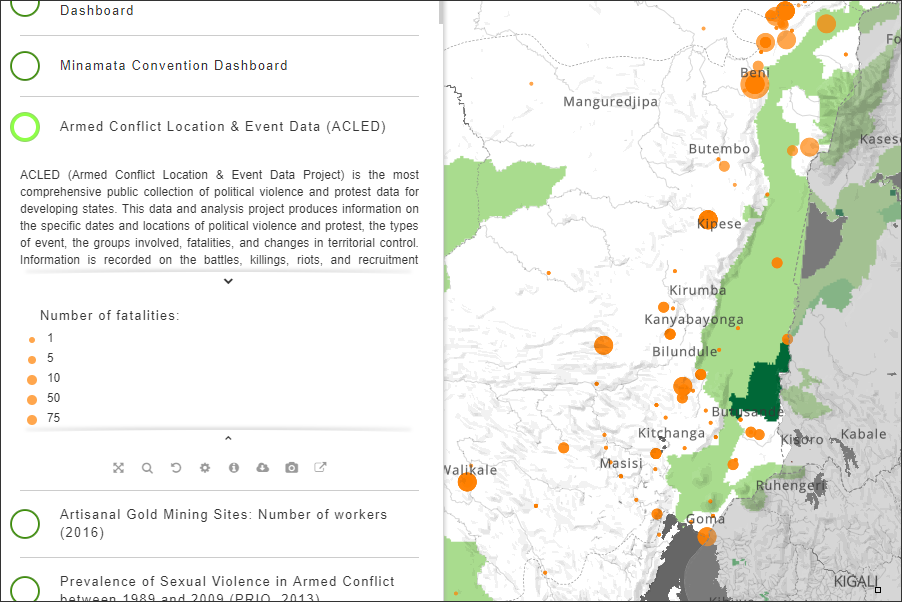
MapX is a decision support tool where stakeholders can build customized applications on a common platform.
The goal is to generate actionable insights from geospatial data to inform dialogue and help all stakeholders understand benefits and risks, manage expectations, and make evidence-based decisions.
Visit the tool here: www.mapx.org
Long-Range Energy Alternatives Planning System
Stockholm Environment Institute (SEI) 2
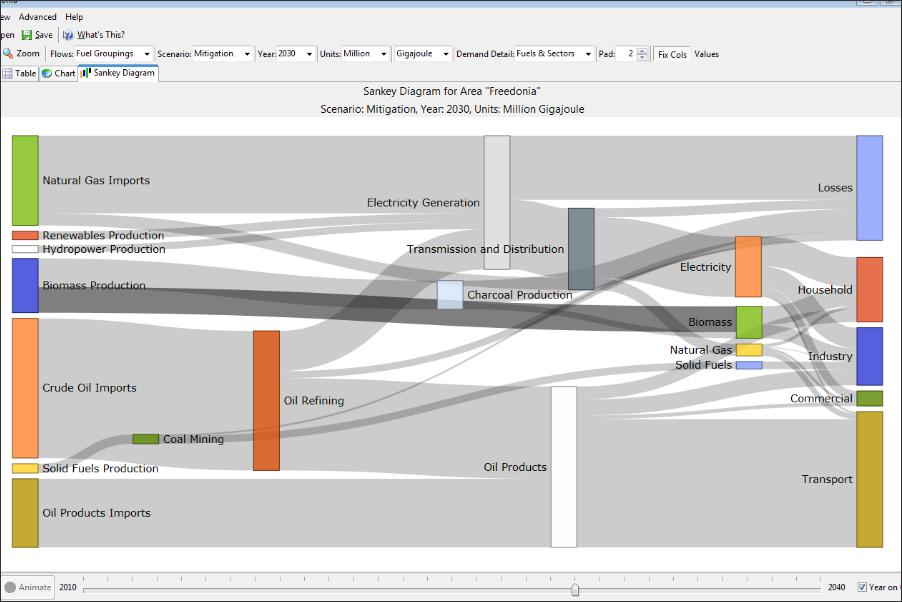
An integrated, medium to long-term scenario-based modeling tool that tracks energy consumption, production, and resource extraction in all sectors of an economy. At least 32 countries used LEAP to create energy and emissions scenarios that were the basis for their Intended Nationally Determined Contributions on Climate Change (NDCs).
Visit the tool here: www.energycommunity.org
Water Evaluation and Planning System
SEI 3
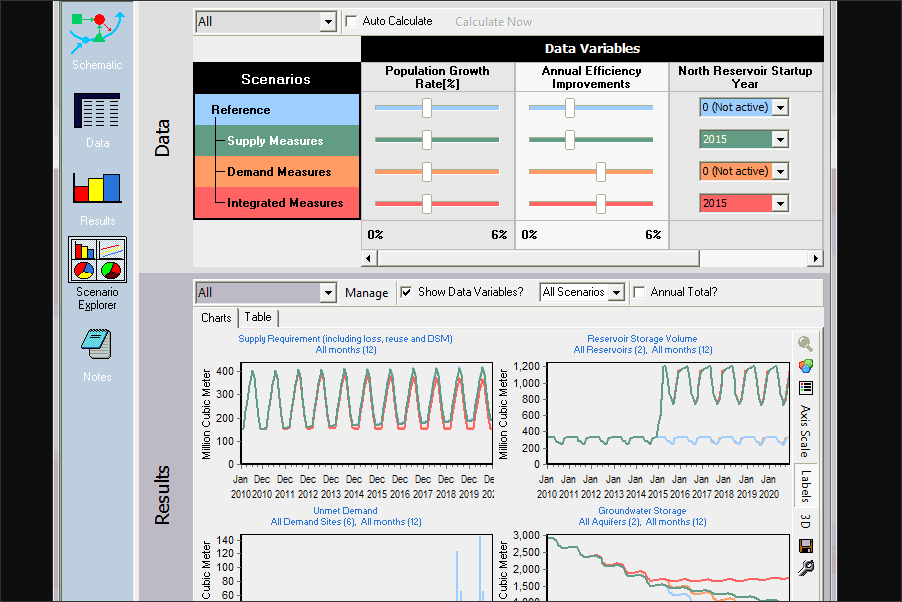
A software tool for integrated water resources planning that attempts to assist rather than substitute for the skilled planner. WEAP places demand-side issues, such as water use patterns, equipment efficiencies, re-use strategies, costs, and water allocation schemes, on an equal footing with supply-side topics, such as stream flow, groundwater resources, reservoirs, and water transfers.
Visit the tool here: www.weap21.org
Vital Signs
Conservation International, Wildlife Conservation Society, Africa Innovations Institute, and Tanzania Forest Conservation Group 4
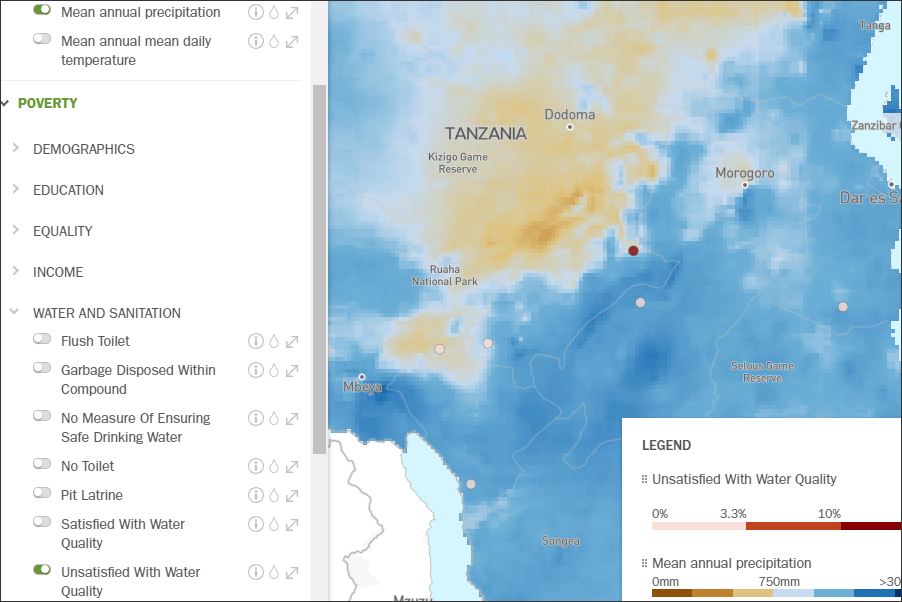
A collection and visualization of standardized data sets and baselines for tracking land degradation across several African countries.
The user can choose different levels of data granularity, ranging from households to global.
Visit the tool here: indicators.vitalsigns.org/map
Green Infrastructure Support Tool
Earth Genome 5 and World Business Council for Sustainable Development (WBCSD) 6
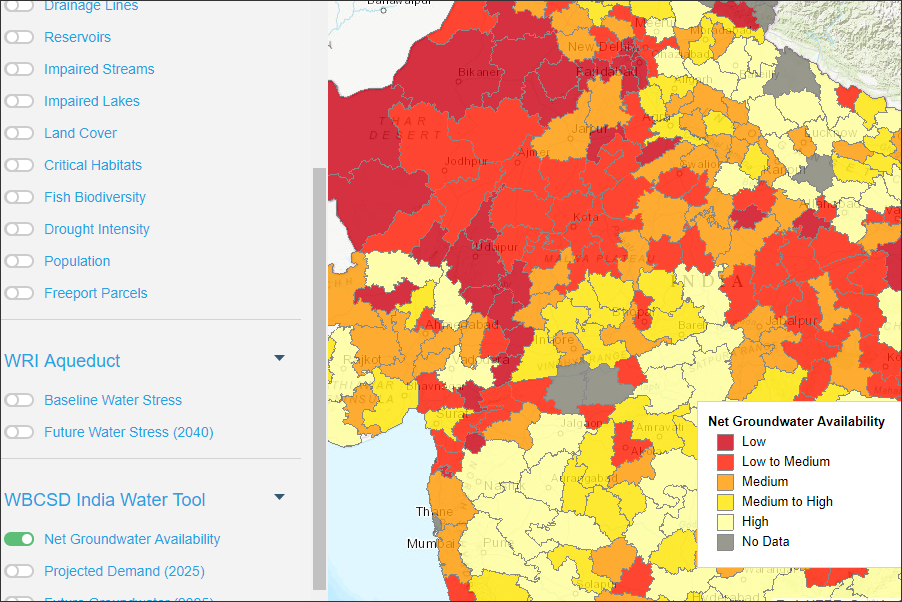
A decision support tool that enables collaborative consulting based on the Earth Genome platform. It brings together 40+ indicators, scientists, and end-users to identify alternative solutions to water security risks.
Visit the tool here: www.earthgenome.org/gist
Citations
- A project of international institutions, funded through fee-for-service.
- A global science policy research organization headquartered in Sweden, funded by the Swedish and other governments, foundations, corporations, and NGOs.
- A global science policy research organization headquartered in Sweden, funded by the Swedish and other governments, foundations, corporations, and NGOs.
- Independent research and advocacy groups based in the U.S., Uganda, and Tanzania with diverse funding sources.
- A private consulting company.
- An independent advocacy group led and supported by member companies.