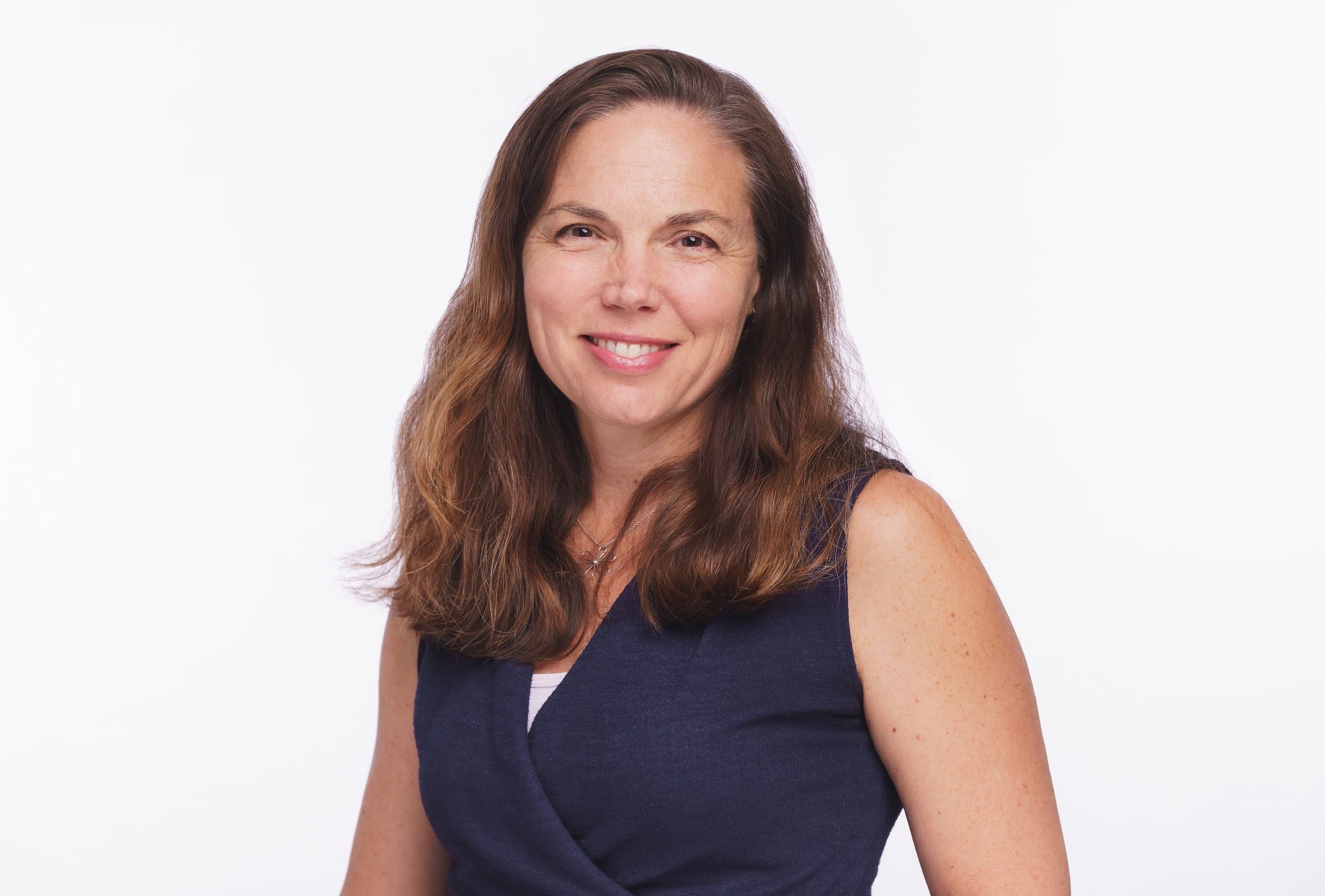
Lisa Guernsey
Senior Director, Birth to 12th Grade Policy; Co-Founder and Director, Learning Sciences Exchange

Last week, PBS’s education correspondent John Merrow blogged about a video he produced about preschool haves and have-nots in Chicago. The post has attracted 16,000 views — far more than usual, Merrow says — and the video is well worth watching. But the segment never makes any reference to the schools that these children attend after their year or years in pre-k. It represents a huge missed opportunity to tell a story that is missing from the national conversation on how to make smart early ed investments: how to ensure continuity in quality.
The PBS segment makes the value of pre-k very concrete by telling the story within the microcosm of Chicago, where budget cuts loom. It also offers images of high-quality preschool juxtaposed against glimpses of what life is like for low-income children without access to it. (One shot, for example, shows a barren room with two spindly chairs in front of a TV set.) Diana Rauner, president of the Ounce of Prevention Fund, is eloquent in describing the language development that comes with high-quality preschool, which enables disadvantaged children to enter school at the same level of preparation as their peers. In Chicago, only 40 percent of children are in preschool and educators are struggling to increase those numbers in the midst of a budget situation that Barbara Bowman, chief early childhood education officer for the Chicago Public Schools, calls “dire.”
Here’s the clip:
But what kind of classrooms these children will attend in the K-3 grades? This is a time when the foundation for language development, not to mention social-emotional development and academic performance, is still being laid. There’s no information on whether the kids in these preschools will be going to half- or full-day kindergartens. There’s no talk about whether the gains they have made in preschool can be sustained and how to do it. There’s no discussion of whether, once in kindergarten and first grade, these children have teachers who are aware of the rich concepts, vocabulary and self-control skills that the kids have already learned and how to build upon those skills.
In policy circles, we critics would say that the segment should have talked about “alignment.” But the word alignment sounds empty and meaningless to people who aren’t living and breathing education policy everyday. It’s time to start telling more stories — through journalism and other forums that can reach broader audiences — about what a high-quality system of early education looks like all the way up through the early grades of school. We have a lot of work to do.
Senior Director, Birth to 12th Grade Policy; Co-Founder and Director, Learning Sciences Exchange