New Faces to Watch in the Congressional Freshman Class

The 2008 election was a big debut for early education at the national level – not just in the presidential race, but in several congressional races as well. While a handful of races are headed for recount or runoff, we already we know of eight new senators and almost fifty new members of the House who are preparing for their first moves into offices on Capitol Hill.
If early education’s starring role in the Obama platform is any indication, the coming months may see some important federal legislation to reform Head Start and boost funding for pre-kindergarten and child development programs. President-elect Obama has proposed a $10 billion “zero to five” plan to boost early care and learning programs. And the House Education and Workforce Committee has already passed legislation that would advance federal support for state pre-k programs.
The incoming 111th Congress is “bluer” than the one it succeeds, which may signal a more favorable legislative environment for early education. But we know that any effective movement at the federal level will require a strong bi-partisan coalition of support. Early Ed Watch wants to know, who among this “freshman class” is poised to join the growing coalition of early education leaders in Congress?
We already know the names and faces of the current early education advocates in Congress, including Sen. Chris Dodd (D-Conn.), Sen. Hillary Rodham Clinton (D-N.Y.), Sen. Kit Bond (R-Mo.), Sen. Lamar Alexander (R-Tenn.), Rep. George Miller (D-Calif.), Rep. Mazie Hirono (D- Hawai’i), and Rep. Mike Castle (R-Del.). Here are some other faces to watch out for:
First, to the Senate, which will soon welcome three former governors with strong records on early education:
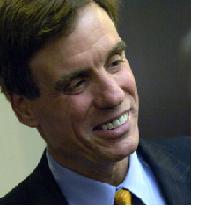 Mark Warner (D-Va.): As governor of Virginia from 2002-06, Warner oversaw the first big expansion of the state’s Preschool Initiative. In 2005, he established the Virginia Early Childhood Foundation, a public-private partnership that reached its goal of bringing preschool services to 100 percent of at-risk four-year olds not served by Head Start. The governor also worked to strengthen childcare regulations and professional development for early education instructors. This leadership to put school readiness front and center on the agenda paved the way for his lieutenant and successor, Gov.Tim Kaine, to champion expansion to a universal program.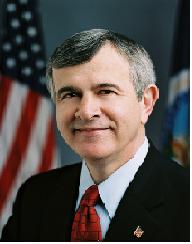
Mike Johanns (R-Neb.): We aren’t sure why he didn’t highlight it in his Senate campaign, but this former governor and Secretary of Agriculture is one of the few incoming Republican congressmen with a record on early education. Early in his term as governor (1999-2005), Johanns succeeded in expanding funding for early childhood development programs in the state, and fiercely defended these funds in the face of a budget shortfall. He also pushed for full-day kindergarten and professional development grants to help childcare workers earn degrees in childhood development.
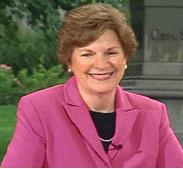 Jeanne Shaheen (D-N.H.): While governor of New Hampshire (1997-2003), Shaheen was chairwoman of the Education Commission of the States (ECS) and oversaw the ECS’s two-year Early Learning Initiative, which sought to support states’ efforts to improve early childhood programs and boost private sector support for early education. Back at home, Shaheen’s efforts to improve early education, by convening early learning councils made up of public actors and local businesses, met with little success, however. New Hampshire is still one of only 12 states that has no publicly funded pre-k program, and is just about the only state in the country that doesn’t even offer kindergarten to all its 5-year-olds. As a candidate for the Senate, Shaheen expressed support for federal incentive funding to help state boost their early childhood programs.
Other promising new faces in the Senate include two former state legislators: Jeff Merkley (D-Ore.) says he will expand Head Start and early education funding, like he did as speaker of the House in Oregon. Kay Hagan (D-N.C.) supports increased federal funding for Head Start and pre-kindergarten, expanded resources for teacher development, and promises to introduce legislation to create a federal grant program to support state pre-k programs. We are still waiting to hear senator-elect Jim Risch‘s (R-Idaho) position on early education, because he hasn’t said much on education (and he hails from another of those 12 states with no pre-k program).
On the other side of the Capitol, we count 35 incoming Representatives to the House who made little or no mention of the importance early education (or education at all!) in their campaigns. There is however, a modest cadre of those who advocated early education in their public or private careers: Jared Polis (D-Colo. 2), an entrepreneur and former state board of education member who runs a foundation that promotes investments in early childhood programs; Ann Kirkpatrick (D-Ariz. 1), who worked to establish full-day kindergarten while a state legislator in Arizona; Suzanne Kosmas (D-Fla. 24), a state legislator who called attention to poor quality that was undermining Florida’s Voluntary Pre-Kindergarten program; Walt Minnick (D-Idaho 1), who is part of a business coalition that pushes for voluntary pre-k in Idaho, which currently has no pre-k program; Mark Schauer (D-Mich. 7) who helped administer Head Start programs in Michigan; and Kurt Schrader (D-Ore. 5) who helped steer more money to early childhood programs as a state senator.
Of course, future actions will speak louder than words, and it is clear that education may have to fight for attention even in this new Congress. What do you think of your representatives’ records on early ed? We want to hear from you.
More About the Authors
Issues
Programs/Projects/Initiatives
Related

Confronting Harmful Federal Disability Policy in Health and Human Services
Federal Early Education Update: March 2026

A Bureaucratic Shakeup Threatens Future Child Care Research