
MicroSave and FAI Virtual Conference on Portfolios of the Poor

MicroSave and the Financial Access Initiative recently hosted a two day virtual conference on topics raised in the book Portfolios of the Poor: How the World’s Poor Live on $2 a Day. Conference panelists and participants posted questions, made comments, and participated in podcasts with the authors. The book examines several long term case studies of poor people in Bangladesh, India, and South Africa and demonstrates how savings, borrowing, and financial management practices amongst the poor are more diversified than many believed. Through their accounts, the book shows that many poor are not in fact deeply in debt or spending their entire income on subsistence or food alone, but are however saving through several mechanisms. It turns out that many are not just saving, but are often involved in a complex combination of formal and informal financial services. Among these services, are MFI loans, cash holding/watching for neighbors and family, life, health, or burial insurance policies, informal savings within the house, small cash reserves for emergencies, community banking clubs as well as others. Many who participate in this fluid system of lending and saving are not wholly satisfied with these often inconvenient, un-safe, and inefficient financial service mechanisms and are eager to find better and safer methods to save and borrow.
The virtual conference raised many more issues related to financial inclusion and asset building among the poor. The role and effectiveness of MFIs and traditional banking institutions was a hot topic of debate. Several of the authors pointed out that credit lending through formal institutions, which requires structured monthly deposits/payments, often makes the loans too rigid for many poor who receive inconsistent income. As a result, many choose more flexible and informal financial services better tailored to their needs. To counter this, the conference hosts suggest that financial services adapt to consumer needs in four critical areas: reliability, convenience, flexibility, and structure, while continuing to remain affordable. Other topics of discussion were the potential for microinsurance as financial risk management policies, the effectiveness of savings groups for small loans instead of through MFIs, increasing financial literacy and education, and how technology is increasingly making financial inclusion a reality for many that are climbing out of poverty.
More About the Authors
Issues
Programs/Projects/Initiatives
Topics
Related
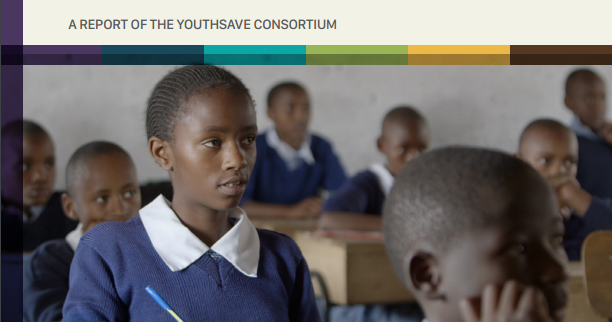
85,000 Low-income Youth Open Savings Accounts through YouthSave
A Conversation on the Weekly Wonk: Should We Bank On It?
Global Anti-Poverty Targets Tepid