Made in China 2025 and the Remaking of Global Supply Lines
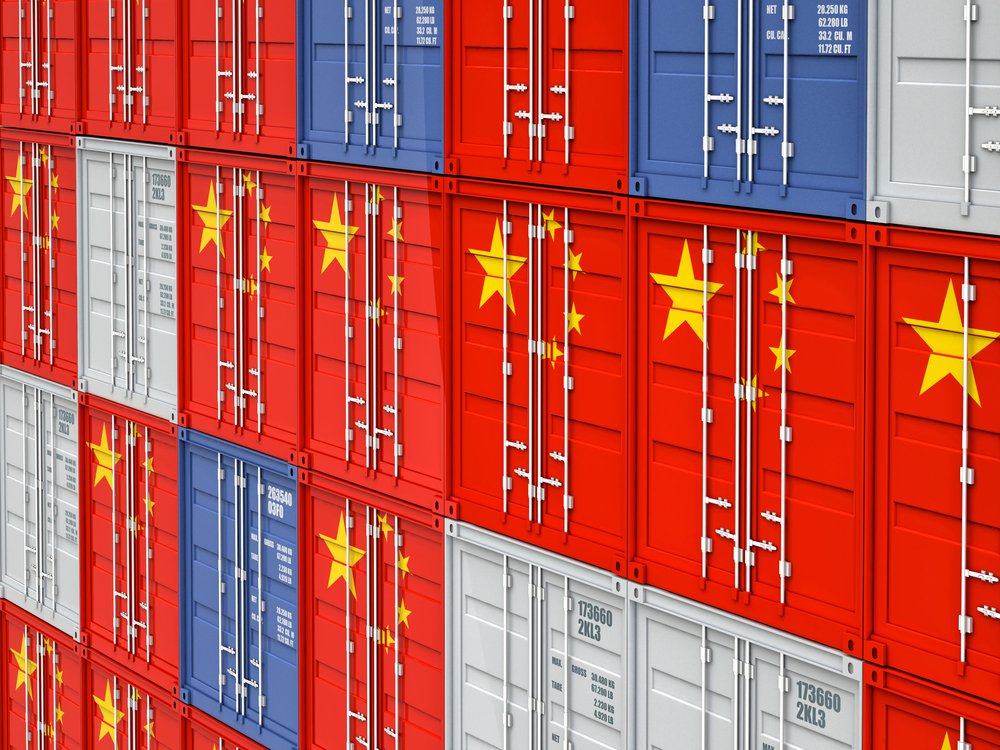
Last month, Shaanxi Ligeance Mineral Resources, a Chinese
rhenium producer, bought
Gardner Aerospace, a UK-based aerospace
component manufacturer. The move may seem insignificant at £326 million, but
the deal offers an illuminating perspective into China’s new industrial policy,
Made in China 2025.
Made
in China 2025 is focused on developing ten strategic manufacturing sectors
such as aerospace and robotics. A key
piece of the plan is to bring component manufacturers to its shores to ensure
entire supply lines are developed in country.
China already has a tremendous advantage for building supply
lines domestically due to its domination of the production and processing of
numerous rare metals from cobalt to rare earths. It’s now adding foreign
know-how through acquisitions like SLMR’s to achieve a simple goal: to produce
the next generation of trains, planes and advanced green technologies, solely
within the country.
The Chinese government no longer wants to use foreign
components that can be made domestically. Instead of importing most of the
components it needs, they want to find domestic sources for 70% of the
components by 2025. If achieved, this would drastically remake global supply
lines.
This move by SLMR is just the beginning for the company. As
Lizhi Wang, SLMR vice president, said, “With the management team at Gardner
together with our advisers – we intend to further consolidate the global
aerospace supply chain through careful strategic acquisitions.”
And to make clear the rationale for the move, Wang added,
“The acquisition of Gardner will allow us to serve our customers better –
in China and the rest of the world – for decades to come.”
SLMR’s strategic acquisition is a clear indication that a
new strategy is afoot. It’s a sign that China’s metals industry will soon be
less about supplying the materials to global consumers and more about domestic
supply line development in China.
More About the Authors
Issues
Programs/Projects/Initiatives
Topics
Related
A New Military Energy Imperative
Hydro-Poverty: How Global Water Crises Impact the Poor
Energy Insecurity in Japan