Let’s Not Forget About the Education Jobs Fund

States have been very vocal about the coming end of the State Fiscal Stabilization Fund (SFSF), a $48.3 billion fund to help states fill budget gaps created by the American Recovery and Reinvestment Act of 2009. The SFSF expires at the end of this fiscal year (September 30, 2011). But few are discussing the Education Jobs Fund, a $10 billion program created in August 2010 to help states pay K-12 education employment-related expenses like salaries and benefits. The Education Jobs Fund expires at the end of fiscal year 2012, a full year after the SFSF. Though the Education Jobs Fund is much smaller than the SFSF, it has played a major role in keeping teachers and other school staff in their jobs, particularly in states that are facing large budget shortfalls. And as with the SFSF, states have opted to spend the funds at widely different rates.
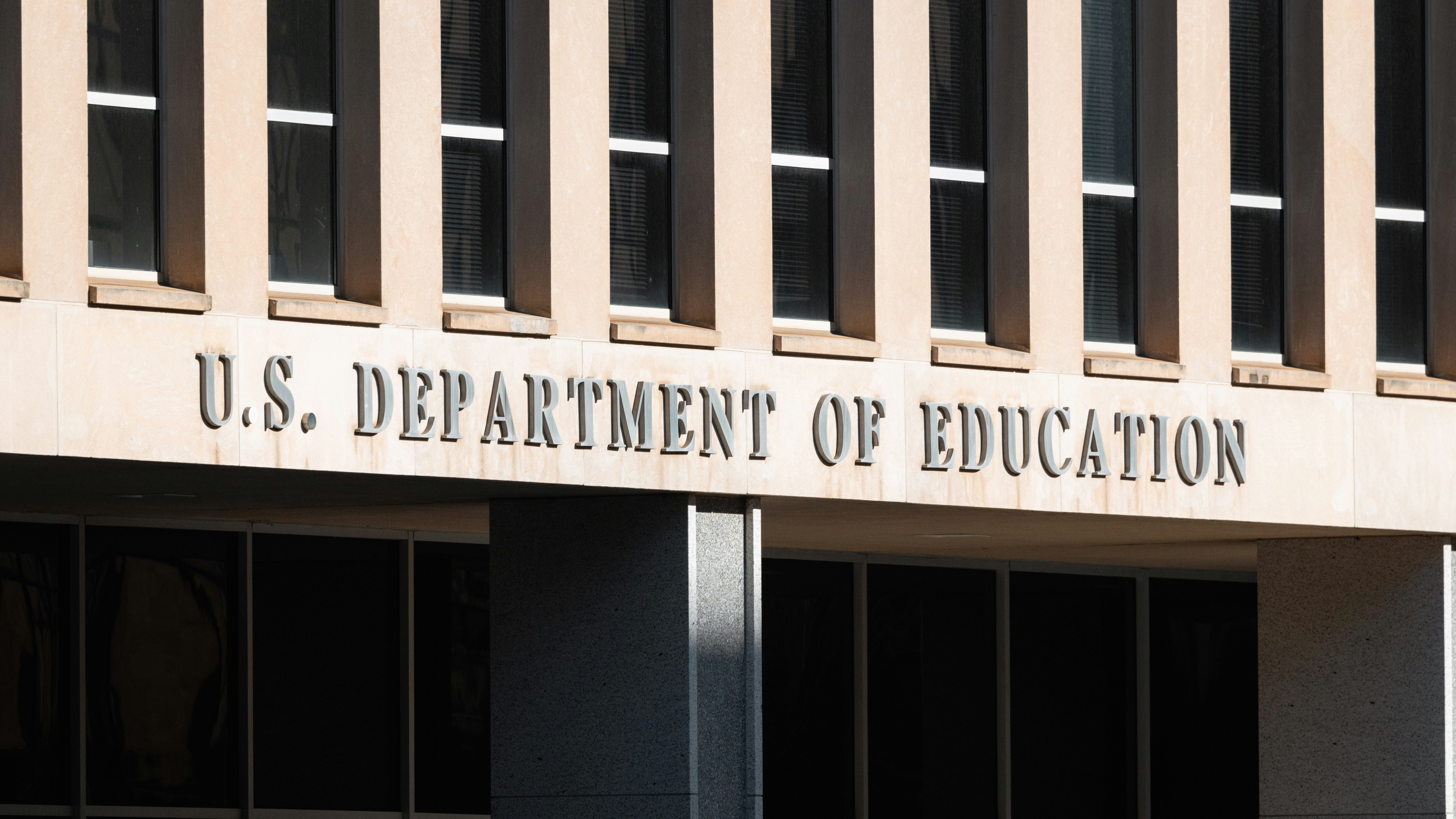
According to data from the U.S. Department of Education, as of April 8, 2011, states had drawn down 42.3 percent of the $9.0 billion available through the Education Jobs Fund that had been obligated to states. The Department of Education has yet to obligate any funds to Texas or South Carolina, because neither has been able to qualify for the funds under the law’s maintenance of effort provision which requires states to maintain funding levels for K-12 and higher education funding.
However, a recent change to the program – made in the text of the 2011 final appropriations bill – will make it easier for Texas to qualify for the funds. The Education Jobs Fund originally contained a provision that specifically required Texas to guarantee that K-12 education spending in fiscal years 2011, 2012, and 2013 would remain at the same proportion of total state spending as was determined for fiscal year 2011.. Texas has been unable to make such a guarantee and as a result has been ineligible for the funds. The 2011 appropriations bill eliminates the Texas-specific provision so the state can begin to access the funds.
The Department of Education has obligated funds to Hawaii, Missouri, North Dakota, Vermont, and West Virginia, but none of these states have drawn down any dollars from the federal government.. However, this does not necessarily mean that these states have not spent any funds under the Education Jobs Fund. Instead, it means that they have not yet received reimbursement from the federal government for approved expenditures they may have made.
A whopping 22 states and territories have drawn down less than 25 percent of their Education Jobs Fund allocations. Some of these states, including Alaska, Colorado, Maine, and New Jersey, have drawn down less than 5 percent of their funds. There are several explanations for why these states have been so slow to spend the funds. It is possible that they are not facing large budget shortfalls or perhaps they are still using remaining SFSF monies to fill their budget gaps. However, it seems likely that many states are saving the Education Jobs Funds until fiscal year 2012 to stave off more severe shortfalls.
Some states, however, have drawn down all or nearly all of their dollars from the Education Jobs Fund. Both South Dakota and Pennsylvania have drawn down 100 percent of their allocations. Georgia and Kansas have drawn down more than 99 percent, and California has drawn down 89.5. This makes sense in states like California and Georgia, both of which faced budget deficits of more than 20 percent according to the Center for Budget and Policy Priorities. Pennsylvania’s deficit was 16.2 percent. South Dakota and Kansas, on the other hand, faced deficits below 10 percent. This is surprising given how quickly these states spent their Education Jobs Fund allocation.
States have a little less than a year and a half to spend the remaining 57.7 percent of the Education Jobs Fund. For some states, there will be almost no money left when fiscal year 2012 rolls around, while others will just be beginning to scratch the surface of their available funds. Either way, states and the media should remember to include the Education Jobs Fund when they discuss federal support for public education and the ongoing economic downturn as they do with the State Fiscal Stabilization Fund.
To see a spread sheet of Education Jobs Fund obligations and outlays for every state, click here.
More About the Authors
Issues
Related
5 Takeaways from the Trump Plan Overhauling College Accreditation

Accreditation on the Ground: A Q&A with Heather Perfetti