Women’s Land Rights and COVID-19
Abstract
In the six months since the coronavirus began its global spread, more than 15 million people have been diagnosed with COVID-19 and more than 600,000 have perished. Governments around the world have instituted lockdowns and shut down businesses. Entire industries have been devastated, notably travel, hospitality, and entertainment in the formal sector, and day labor and street and market vendors in the informal sector. Overall, hundreds of millions of people worldwide have lost their livelihoods.
These facts are well known. But less documented are the various implications of the COVID-19 pandemic on the land and property rights of billions of people around the world. This series of briefs, inspired by and sourced heavily from the Land Portal’s Land and COVID-19 webinar and discussion series, spotlights a selection of these challenges, and provides suggestions for how they may be addressed.
Women’s Land Rights and COVID-19
By Karol Boudreaux
In the six months since the coronavirus began its global spread, more than 15 million people have been diagnosed with COVID-19 and more than 600,000 have perished, causing governments around the world to institute lockdowns and shut down businesses while entire industries have been devastated. This brief, inspired by and sourced heavily from the Land Portal’s Women’s Housing and Land Rights and COVID-19 webinar and discussion series, spotlights a selection of these challenges, and provides suggestions for how they may be addressed.
The Challenge
The COVID-19 crisis threatens the lives and livelihoods of millions. As family members become ill or die, as work burdens increase, as migrants return to rural areas, pressure on land—including women’s land rights—rises. Major concerns include:
- Many women rely on land as their main economic asset. However, few women formally own land and 40 percent of the world’s economies have laws that limit women’s property rights. Forty-four countries treat women less favorably than men when it comes to inheriting property. Daughters who lose fathers may also lose claims to inherit land and so lose an opportunity to acquire assets they control.
- Discriminatory social norms make it difficult for women to exercise formal land and property rights. Although women regularly manage land and provide approximately 43 percent of the world’s agricultural labor, men are much more likely to control land and the proceeds that come from using land. With less access to extension services, agricultural inputs, and credit as compared to men, women who lose husbands or sons face extra hurdles to becoming successful farmers. In some countries, leaving fields fallow for too long sets the stage for the loss of land, as fallow lands can be seen as underproductive and can be reallocated to someone else.
- A recent survey finds that as many as 480 million women feel their land and property rights are insecure. Married women, the survey finds, feel especially vulnerable to eviction after a husband’s death or after divorce. If women lose husbands to COVID-19, they run the risks of they need to grow food crops or to provide shelter for their children. As women either get sick themselves or tend to sick family members, their ability to till, weed, and harvest crops and care for animals decreases. Secure land rights can help protect women from displacement, improve access to services and help them rebuild their lives after a crisis like a pandemic.
Early Responses and Key Considerations
Immediate Recommendations
During the pandemic, governments and communities can take steps to reduce the land-related risks women face, namely:
- Gather data on the specific impacts of the pandemic on women’s land and housing rights: Municipal, regional, and/or national governments can work with local organizations, including women’s groups, to gather data about the specific impacts the pandemic is having on women’s land and housing rights. This could take the form of rapid surveys to determine if women are being threatened with displacement, or are being displaced or evicted, by family members or others (landlords, governments) when someone in the family falls ill. Governments and relief organizations could use data to improve the targeting of assistance and establish rapid response mechanisms to counter dispossession and eviction.
- Enable access to services: It is important that women be able to register land claims either jointly with spouses, family members or in collective groups, or as sole owners. But during the pandemic some governments have shut down land offices. To support women who wish to register claims, governments should consider keeping offices open and view them as essential services.
- Be on the lookout for fraudulent transfers: During lockdowns, officials should be trained to be on the lookout for fraudulent transactions that involve women’s land claims. When family members pass away or when women are not able to travel to defend their rights, others with better access to land offices may file claims for women’s land. The Tanzania Widows Association is working with COVID-19 widows and to help protect them from eviction and displacement by formalizing their land rights. The mobile application Sheria Kiganjani (Law on Your Palm) is providing Tanzanian women with access to free legal advice related to land—so they do not need to travel.
Longer-Term Recommendations
Medium to longer-term steps that can help reduce risks to women’s land rights include:
- Identify and address discriminatory gaps in the legal framework: Governments can work with researchers and civil society to identify specific provisions of family laws, including inheritance and matrimonial laws, and other laws that conflict with and weaken women’s land rights and propose new language to harmonize these laws.
- Support women’s collective farming and production opportunities: When it becomes difficult for women to farm their land, because they are widows, have a sick husband or son, or are ill themselves, an important alternative can be collective farming, which allows women to spread risks and share benefits. Legal frameworks should enable this voluntary approach, including by supporting equitable land leasing.
- Close the digital gender divide to enable women to use online land platforms: As more land administration, agricultural extension and financial services move online, women can be left behind due to the digital gender divide. To protect women’s land rights in those countries with online service platforms, governments can track data on women’s secure access to and use of technology, promote digital literacy through schools and work with local NGOs, civil society organizations and women’s groups, and create and support safe, accessible public access facilities for women to use the internet.
- Activate men as allies to strengthen women’s land rights: In the longer term, to protect and promote women’s land rights from the pressures associated with pandemics and other crises, it is essential to engage with men and boys to support social change that empower women and their families.
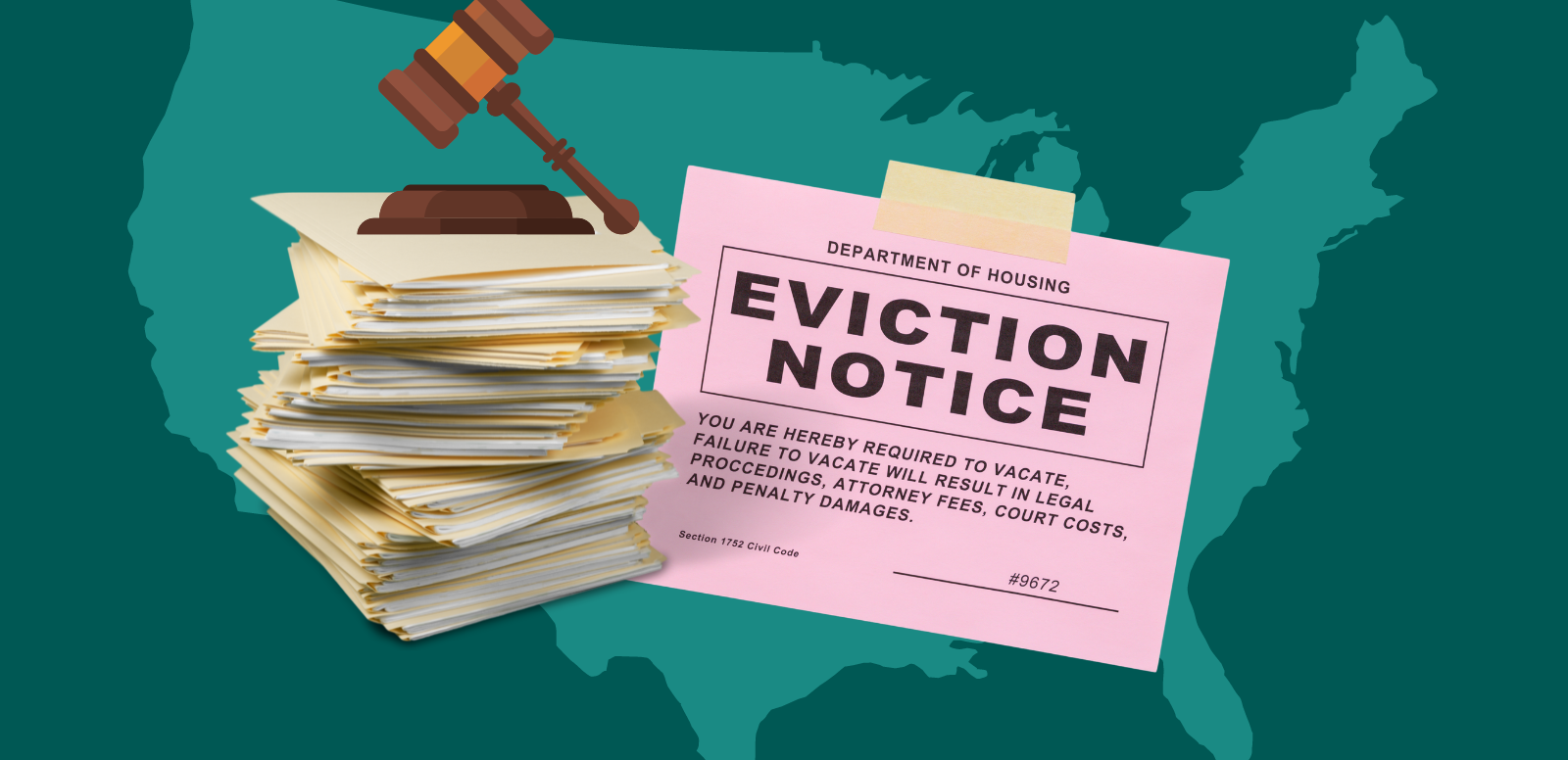
Evictions and COVID-19
By Alexandre Corriveau Bourque and contributing authors1
In the six months since the coronavirus began its global spread, more than 15 million people have been diagnosed with COVID-19 and more than 600,000 have perished, causing governments around the world to institute lockdowns and shut down businesses while entire industries have been devastated. This brief, inspired by and sourced heavily from the Land Portal’s Eviction Response During and After COVID-19 webinar and discussion series, spotlights a selection of these challenges, and provides suggestions for how they may be addressed.
The Challenge
Even before COVID-19 hit, vulnerable populations all over the world faced chronic threats of eviction from their homes and settlements. The pandemic has exacerbated virtually all of the intersecting factors which increase the risks of eviction, namely:
- Structural inequalities and discrimination amplified: Communities such as immigrants, migrant workers, internally displaced persons (IDPs), refugees, Indigenous Peoples, racialized communities, marginalized castes, and women-headed households have been historically excluded from access to adequate housing and face chronically insecure tenure. Because of these structural discriminations, they have less ability to claim and exercise their rights, and are therefore more likely to face forced evictions. Vulnerable and poor communities are also more likely to live in overcrowded and inadequate housing, which increases the risks of virus transmission. With the emergence of the pandemic, many communitie face increasing xenophobic, racist, and sexist attacks while also being systematically excluded from protections and social safety nets that are being delivered by governments in response to the COVID-19 crisis.
- The economic crises created or deepened by the health crisis: People working in the informal economy are exceptionally vulnerable as their livelihoods are curtailed by government restrictions on different kinds of work and access to specific spaces. At the same time, they do not benefit from any social protections and therefore cannot afford to lose their jobs. These people are increasingly unable to pay their rent. As people lose their livelihoods as the crisis draws on, the pool of economically vulnerable populations expands.2
- Stigma associated with actual or perceived risk of exposure to the virus: Many of these historically marginalized communities are doing the “essential” jobs which increase their risk of exposure to the virus. They, and other front-line care workers, are threatened with eviction by landowners and neighbors who are afraid of exposure.
- Decreasing oversight, due process, and protections: Opportunistic actors (governments, armed groups, and landowners) are using this crisis to justify evicting people from houses, camps, and informal settlements—often under the guise of “public health measures” and without consulting these communities, seeking their consent, nor following due process.
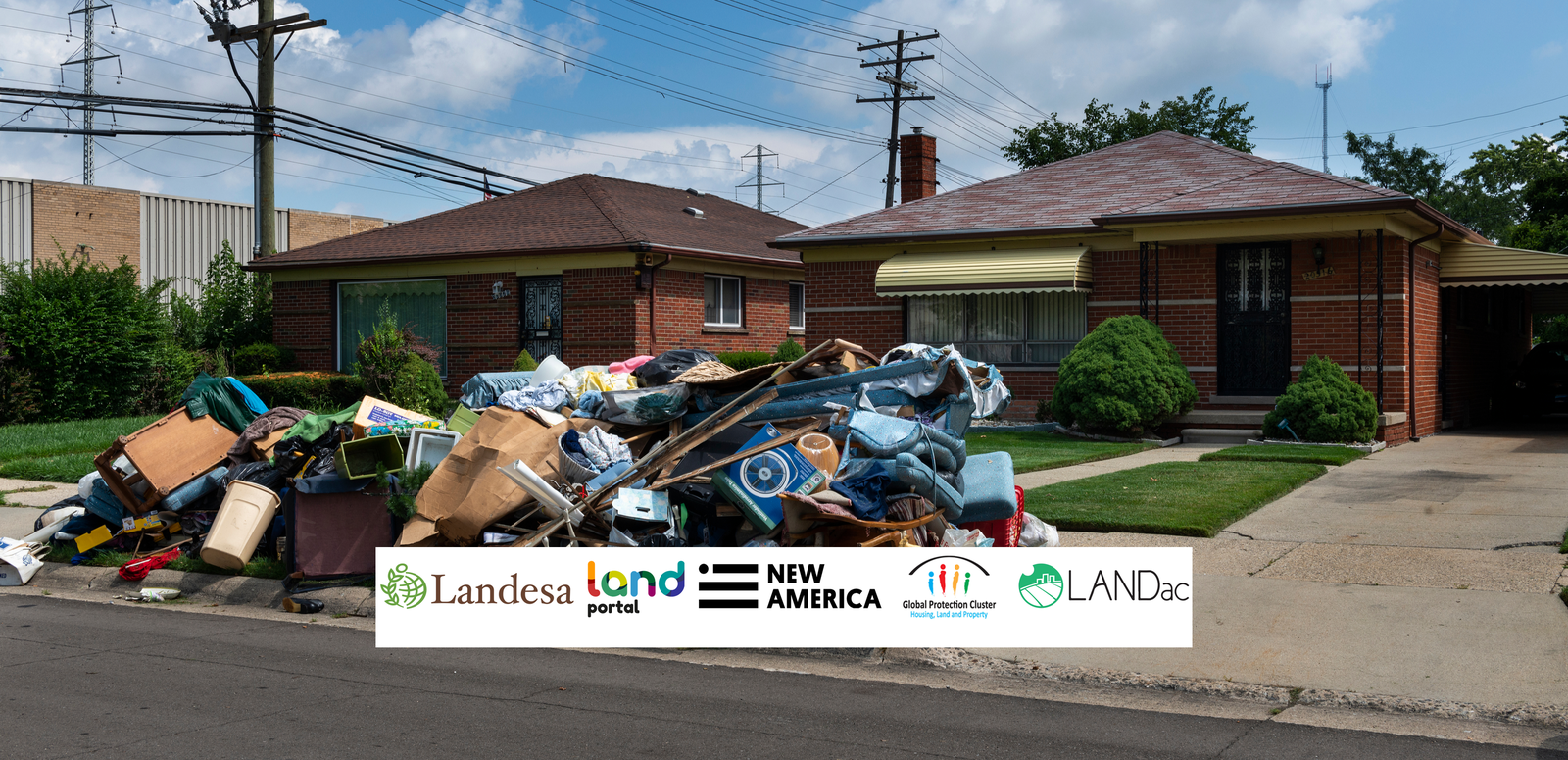
Even in non-pandemic times, evictions are humanitarian crises with lasting effects on the health, wellbeing, education, and livelihoods of not only those who have been evicted, but communities as a whole.3 In the pandemic, this has taken an additionally nefarious dimension since access to adequate housing is essential to reducing the spread of the virus.
Unfortunately, much of the conversation around the risk of evictions in the era of COVID-19 remains anecdotal, with little available data to track and follow eviction trends—with some notable exceptions like Somalia and the United States.
Early Responses and Key Considerations
While some governments have enacted measures to secure housing tenure for tenants and occupants of camps and informal settlements in response to this crisis, many have not.
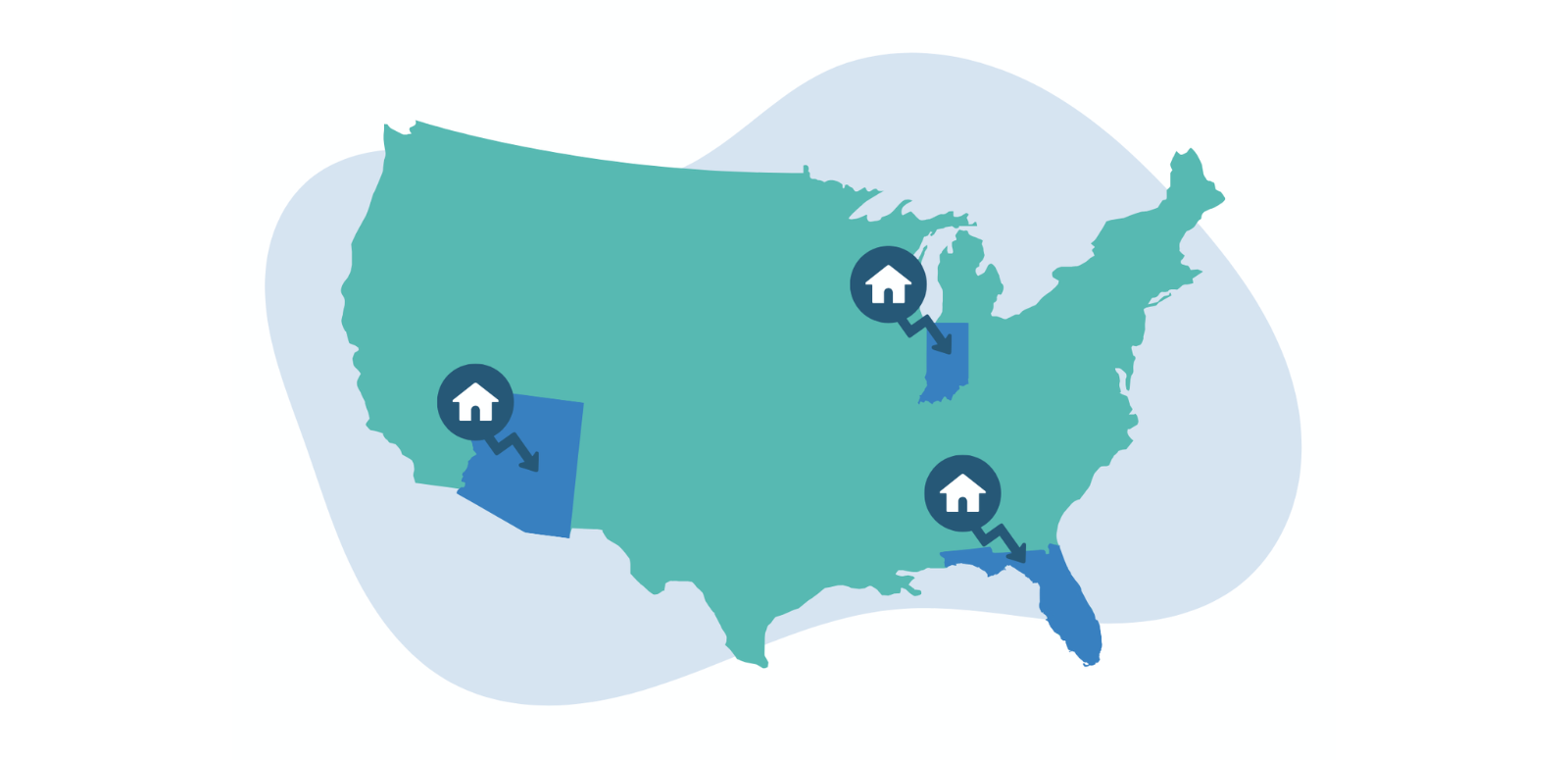
Among those jurisdictions who have put in measures, the most common measure has been to enact moratoriums on some types of evictions and utilities shut-offs (Baidoa, Somalia; Indiana, USA; South Africa; Uganda).
While moratoriums are an important and often game-changing measure, they have important limitations:
- Moratoriums do not necessarily recognise that housing is part of a complex social and economic ecosystem, nor take into account the full range of calculations being made by landlords and tenants during this health crisis. Some landlords rely on rent for their subsistence, so the loss of rent may be devastating to them. Others may prefer to keep properties occupied with a formerly reliable tenant rather than evict in a situation where there may not be a renter to replace them. Policies and initiatives should take into account these local dynamics.
- In many countries, the relationships between the landowner and the tenant/occupant are informal, which often renders them invisible to the state. While a moratorium may be a point of leverage for advocacy (or even used as a threat to punish landlords who continue evictions), it will remain largely ineffective without a community-based strategy for monitoring and response.
- Moratoriums often postpone the problem of evictions since they do not address the issue of unsustainable debt accruing during the moratorium period. Once the various moratoriums expire, a spike in eviction cases is widely expected. Furthermore, without some form of debt relief or reduction in rents, accumulated debt can have devastating legal consequences and force households to adopt negative coping mechanisms such as child labor and sex work, and expose them to predatory actors who will extract debt payments through debt bondage and/or sexual violence. Owners of micro-enterprises are also at high risk of eviction—and if they are evicted, reviving their livelihoods once lockdown measures ease will be an even bigger challenge.
In anticipation of this last issue, a small number of jurisdictions have enacted measures to reduce or freeze rents or offer rental subsidies to the most vulnerable households (El Salvador; Los Angeles, USA; Tigray State Ethiopia; and British Columbia, Canada). From a programmatic approach, humanitarian basic needs, shelter, and protection actors in Jordan have organized to expand the delivery of unconditional cash payments to refugee households who are most likely to be at risk of eviction.
Recommendations
Beyond the emergency policy and programming measures outlined above, there are concrete things that governments and civil society actors can do to address these vulnerabilities on the medium- and long-term. None of these recommendations are new for this sector, COVID-19 has only shed light on their critical importance for resilience of communities.
- Establish monitoring mechanisms (especially community-based): To serve as early warning systems which can allow practitioners to mount timely programmatic and/or legal responses to keep people securely housed.
- Guarantee tenants and occupants’ access to legal representation in all formal eviction proceedings: To ensure a full respect of tenants’ and occupants’, rights and to mitigate against excessively harsh judgements.
- Implement and enforce rent controls to stabilize housing markets: To maintain remaining affordable housing supply.
- Invest in the construction of social housing: To increase stock of affordable and adequate housing—and make it available to economically and socially vulnerable communities, including those who are already homeless, IDPs, and refugees.
- Secure community tenure in informal settlements: Through programmes that use innovative approaches and instruments like community land trusts.
- Resist the instinct to impose austerity measures—instead, invest in and expand social safety nets: These important systems improve health, educational, and economic outcomes, especially for the most vulnerable communities and make them more resilient to shocks and crises.
- In the exceptional event that evictions or relocations are unavoidable and must be undertaken for bona fide and proportionate health reasons, ensure that these are done in full compliance with applicable international4 and national laws, after consideration of all possible alternatives. These processes must also adhere to global best practices for consulting, seeking consent from, and re-housing affected communities.
Citations
- Joseph Jackson, Ibere Lopes, Nathalia Watanabe, Robert Lewis-Lettington, and Theresa Williamson
- Landowners who rely on rental income for their subsistence (especially retirees in countries without social safety nets) may also enter the pool of economic vulnerability and may risk defaulting on debts and facing foreclosure due to the reduction of this income.
- Desmond, M. 2016. Evicted: Poverty and Profit in the American City. New York: Broadway Books.
- In particular the right to adequate housing and protection against forced eviction as per article 25 of the Universal Declaration of Human Rights (UDR), Article 11 of the International Covenant on Economic, Social and Cultural Rights (ICESCR), and ICESR General Comments 4 and 7.
Displacement, De-urbanization, and COVID-19
By Yuliya Panfil with contributing author1
In the six months since the coronavirus began its global spread, more than 15 million people have been diagnosed with COVID-19 and more than 600,000 have perished, causing governments around the world to institute lockdowns and shut down businesses while entire industries have been devastated. This brief, inspired by and sourced heavily from the Land Portal’s Migration, Displacement, and De-urbanization in the Context of COVID-19 webinar and discussion series, spotlights a selection of these challenges, and provides suggestions for how they may be addressed.
The Challenge
The COVID-19 crisis has millions of people on the move. As economies shut down and lockdowns proliferate, de-urbanization has emerged as a serious challenge throughout the developing world. Millions of migrant workers, day laborers, and others in the formal and informal economy are relocating to their villages and family homes, putting pressure on limited land resources and increasing the potential for conflict.
Below are the major challenges associated with migration, displacement and de-urbanization caused by COVID-19:
- Bad data: We know very little about who is actually moving, and where they are going. Is migration mostly internal or is it international? How many people are actually leaving, and where exactly are they going? How long do they intend to stay? Without knowing the answers to these questions, planning policy responses becomes difficult.
- Increased pressure on rural housing and land resources: After decades of rapid urbanization, many rural towns have adapted to a low population density. This is expressed through reduced availability of social services, schools, jobs, and healthcare, but also through availability of housing and land. As rural governments struggle to allocate land and homes to a reverse migration of residents, conflicts are arising over scarce resources. In particular, common resources such as pastures, forests, and communal agricultural land are coming under stress.
- Population movement makes it difficult to distribute aid: With millions on the move, some of them across international borders, governments are having a hard time quantifying and distributing aid. In particular, international migrant workers, many of whom are not registered as laborers in their host country, are being overlooked by government relief programs and local relief measures.
- Lack of remittances means less money for property upkeep: Rural communities have long relied on remittances from cities to make long-term investments such as purchasing land or maintaining property. In India, for example, remittances provide stability and even out seasonal land-related incomes. However, as urban workers lose their jobs and head to the countryside, this source of rural revenue has dried up.
- Properties left behind in cities are increasingly vulnerable: As workers flee cities and return to the countryside, they leave behind homes for which they often lack formal documentation. These vacant properties are vulnerable to being occupied by squatters, or to simply being razed and redeveloped. This later concern is particularly acute for informal settlements in rapidly developing parts of cities.
Early Responses and Key Considerations
Early observations suggest, unsurprisingly, that a combination of strong local institutions and robust non-governmental networks are helping to soften the destabilizing effects of mass migration and de-urbanization. Below are early recommendations for meeting these challenges:
- Gather improved data on key population movement metrics: The ubiquity of smartphones has allowed both governments and NGOs to trace large scale population movements. This capability has been successfully deployed in the wake of earthquakes and natural disasters in order to target aid, and indeed limited cell phone tracing has been instituted post-COVID-19 to assist with contact tracing and enforcing of lockdowns. Governments and NGOs should apply this methodology towards understanding where populations are moving, and whether they are remaining at their destinations, moving on to new locations or returning home.
- Improve dispute resolution mechanisms: Towns should begin preparing now by scaling up their dispute resolution mechanisms, whether that means enlisting the support of local civil society groups, hiring additional judges, lawyers, and mediators, or simply instituting an intake process that avoids clogging up courts with property disputes. National governments should explicitly resource local governments and NGOs to improve dispute resolution capacity.
- Allocate land to returnees: Local governments should examine their land use plans and land banks (if any) to proactively allocate land to new arrivals (some of whom may even contribute to local revitalization by bringing new knowledge and experience from cities). Many municipalities’ land allocation procedures are rigid and overly bureaucratic; in these cases, the procedures should be made more flexible in order to accommodate rapid influxes. Municipalities should be transparent and consistent about the criteria they use to allocate land in order to minimize grievances from existing community members, and should ensure women are not left out of land allocation decisions.
- Protect supply chains by moving processing closer to production: Supply chain disruptions are threatening to cause food shortages and food price spikes. Advocates suggest countering this possibility by moving food processing closer to production sites.
- Greater focus on safety nets for migrants: In many countries, including OECD (Organisation for Economic Co-operation and Development) countries, undocumented migrants are excluded from social safety nets, stimulus paymetns, and unemployment benefits. But this exclusion is short sighted: The resulting cash crunch pushes migrants to relocate back to family lands where they often put pressure on scarce resources. Governments should include migrants and undocumented workers in vouchers, cash, and stimulus payments.
In India, the state of Kerala has emerged the leader in managing COVID, owing to strong village-level governance, a healthy civil society, and women’s active participation in governance in the state. Kerala’s Kudumbashree program encourages rural women to form self-help groups and their federations act as an organised civil society counterpoint to village panchayats. Nearly 65 percent of all women elected to the panchayats are Kudumbashree members. It’s no coincidence that Kerala happens to be the first state to usher in pro-women land reforms. These measures were not put in place to fight coronavirus, but rather are a legacy of good state policies that prioritize gender equity and empowerment.
Citations
- Shipra Deo
Land Administration, Land Governance Institutions, and COVID-19
By Chantal Wieckardt with contributing authors1
In the six months since the coronavirus began its global spread, more than 15 million people have been diagnosed with COVID-19 and more than 600,000 have perished, causing governments around the world to institute lockdowns and shut down businesses while entire industries have been devastated. This series of briefs, inspired by and sourced heavily from the Land Portal and Cadasta’s Leveraging Technology to Accelerate Land Administration During COVID-19 and Beyond webinar and discussion series as well as LANDac’s online hub on Land Governance and the COVID-19 Pandemic, spotlights a selection of these challenges, and provides suggestions for how they may be addressed.
The Challenge
Crises disrupt society at many different levels and in many different ways, and a high level of uncertainty exists about how this situation will continue to develop. Where lockdown measures under the COVID-19 pandemic led to the closing of land administration services and land governance institutions (e.g. in Kenya and Uganda), land rights may come under pressure. The impact of COVID-19 on land administration and land governance institutions will vary across locality, region and context,2 but several preliminary challenges surfaced, including:
- Loss of assets and land access, and growing inequality: Poor people in both rural and urban areas are at risk of losing their land and properties, putting pressure on land administration and land governance systems which may already be working at partial capacity due to COVID-19 related shutdowns. In informal urban settings, people who lost their livelihoods may struggle to pay rents, increasing the risk of forced evictions. The close density and risk for disease transmission may be used as an additional justification for evictions. The loss of employment and informal life support systems in urban settings have caused a move out of the cities, putting pressure on rural land. This might lead to squeezing out the poorest segments of the population. Moreover, it remains uncertain what will happen to people’s bargaining power in local land markets and within households or extended families when their livelihood gets undermined or as pressures on land increase in the places where they live.
- Lack of due diligence in land-based investments: While the global economic crisis anticipated as a result of the pandemic might limit investment possibilities of major players, it may also offer a window of opportunity for both large-scale and smaller-scale investors to invest in land. We may see an increase in predatory capitalism and governments may be tempted to attract investments to finance the recovery from the crisis without observing the necessary due diligence. These investments may result in the acquisition of land to the detriment of vulnerable populations and those without preexisting land documentation.
- Lack of due diligence in the establishment of emergency infrastructure: The urgent need for new clinics, testing centers, quarantine units, hospitals, morgues, and burial sites during pandemics means that land must be quickly acquired or repurposed by government and humanitarian actors. In this rush, best practices for adequate consultation with local communities, as well as the verification of the underlying land rights and due process for expropriation and adequate compensation are often not followed, potentially leading to resistance and violence against these facilities and their workers.
- Withdrawal of funding: As governments focus on the healthcare crisis, there is a widely shared concern that this shift will strip funding from land administration services and land governance institutions, without a well-thought through strategy for how to keep these services operating. This deprioritization might reverse any progress that has been made so far in improving the capacity of land institutions. There are similarly worries about donor commitment to land governance programs as the (expected) global economic crisis reduces GDPs and with that budgets for international development.
- Reduced quality of land governance services: It remains to be seen whether public land administration services will be restored to their pre-pandemic levels. Limitations in funding and capacity may limit the role of land governance actors in curtailing irregular land acquisition and enhancing tenure security, whereas lockdown measures create obstacles to verification and validation of land transfers. Preliminary evidence also suggests that land administration programs and informational campaigns are delayed or have come to a halt under several countries’ lockdown measures, and have greatly reduced the opportunities for community-based organizations to provide support to local communities. This may especially negatively affect women’s ability to register and own land.
- Restricted civic space and regulatory rollbacks: The worrying scenario here is that civic space, currently restricted under states of emergency and lockdowns (e.g. here and here), will not be restored to its pre-pandemic level and remains restricted for a long time. Preliminary evidence so far also points towards regulatory rollbacks (e.g. in Brazil and Indonesia, but also with regards to mining) and limited access to justice due to court closures (e.g. in Iraq), threatening land rights as existing regulations are unwound. The effects may be widespread and cause irreversible grabbing of land, water, and forests and the eviction of vulnerable communities such as IDPs, refugees, and those living in informal settlements.
Early Responses and Key Considerations
- ICT-based land administration: The COVID-19 pandemic reveals the vulnerability of paper-based land administration systems and makes a case for ICT-based and fit-for-purpose land administration. While the use of technology can definitely strengthen land administration services and land governance institutions, it is not a panacea—a digital divide, digital illiteracy and the use of technology to benefit those who can work the (digital) system are important concerns that we need to (continue to) take into account.
- Locally trusted actors: Ensure that locally trusted actors, whether community leaders, civil society organizations, or customary authorities, are present on the ground to monitor and validate land transactions.
- Agenda-setting: We need to ensure that equitable and sustainable land governance remains a priority on the agenda of donors and (inter)national organizations, emphasizing how well-functioning land governance institutions can help build national and local resilience, and will be essential in our response to and recovery from the COVID-19 pandemic.
Recommendations
- To fully grasp the challenges and the impact of the crisis we need to systematically gather and monitor data and do so over a longer period of time.
- Make land rights due diligence a requirement for all funding of projects (humanitarian, development, or private sector) which rely on access to land and natural resources.
- Invest in equitable and accessible mechanisms for resolving land disputes, also under lockdown measures.
Citations
- Dr. Gemma van der Haar and Dr. Guus van Westen
- This brief is largely based on inputs we have received from our Online Survey source in April 2020 and through the Land Portal Online Discussion Series ‘Land Rights Implications of COVID-19’ source . We are grateful to everyone who (anonymously) shared their observations, experiences and ideas.
More About the Authors

Karol Boudreaux
Senior Director of Global Programs for Landesa

Alexandre Corriveau-Bourque

Yuliya Panfil
Senior Fellow and Director, Future of Land and Housing