
“Just Give Money to the Poor”? It seems to be working

Next week at the New America Foundation, we’ll be hosting an event to discuss an idea that has dominated aid, development, and anti-poverty news in the summer of 2010: just giving money to the poor. The general idea behind cash transfers as a development approach is, essentially, that impoverished people are just as capable of properly budgeting their household assets as wealthy people, they just lack the basic income to make positive, long-term decisions like continuing education, eating a healthy diet, or making regular trips to the doctor. So instead of distributing aid directly to NGOs or investing in often unsuccessful, large infrastructure projects, why not give small amounts of aid directly to the poor, to spend as they see fit?
While these programs have drawn a lot attention of late, several are quite well established. Brazil’s national Bolsa Familia program started in 2003 and has roots at the district level even earlier. The program is designed to end extreme hunger in the short term, by distributing small monthly cash transfers ($12-36USD per household), and building human capital in the long term, by attaching conditions to the funds, like school attendance and immunizations for children. The effects have been positive on both improving nutrition/health and education for those in extreme poverty.
Mexico, South Africa, Nicaragua, India, and others have instituted CCT programs of their own. While proving successful in combating poverty, cash transfers are also more transparent than most aid and subsidy deliveries, reducing graft and corruption. And because women are typically the cash recipients, they support gender equality, an important Millennium Development Goal.
While cash transfers are gaining adherents and new programs are producing additional data, a major debate is developing. Just Give Money to the Poor: The Development Revolution from the Global South is the latest book giving credence to cash transfers combating poverty. Its authors, however, advocate for condition-less cash transfers, believing that simply giving money to the destitute puts them in a position to make the same decisions as condition-based CT programs. Children that don’t have to work during the day to bring in additional income will go to school, regardless of conditions.
This theory is supported by a World Bank study on cash transfers in Malawi. There was no change in the percentage of school attendance between the condition-based and non-condition groups. Both groups receiving cash attended school more regularly and had a much lower rate of HIV infection. Others believe that condition-based cash transfers can increase education levels, and improve public health and general social conditions more effectively. A recent cash transfer program for women, based on successfully passing a series of STD tests, in Tanzania saw a 25% reduction in STDs for participants in the program.
The Indian government, in an effort to improve maternal health, started a CCT program encouraging women to deliver in hospitals and clinics, rather than the traditional, and less sanitary, in-home deliveries. The effort seems to be working in Uttar Pradesh district, where hospital/clinic deliveries have more than doubled since the program began. Another condition-based CT program in India’s most populous states is working to better control the booming population. The government is encouraging newlyweds to wait to have children with cash transfers. Many brides are instead building wealth, continuing their education, or starting their own careers.
While it may be too early to tell whether condition-less cash transfers will always bring the intended consequences of a conditions-based program, the fact that more debate and additional research is taking place is a positive sign that direct cash transfers to the poor is increasingly regarded as a tool to combat global poverty.
The Global Assets Team is thrilled to welcome featured speaker David Hulme, co-author of Just Give Money to the Poor: The Development Revolution from the Global South, and commentators Paul Francis, Julie Katzman, and David Roodman to New America on Thursday, September 16, 2010 at 4:00pm, for a book talk (followed by a cocktail reception) to discuss and debate this new development approach.
More About the Authors
Issues
Programs/Projects/Initiatives
Topics
Related
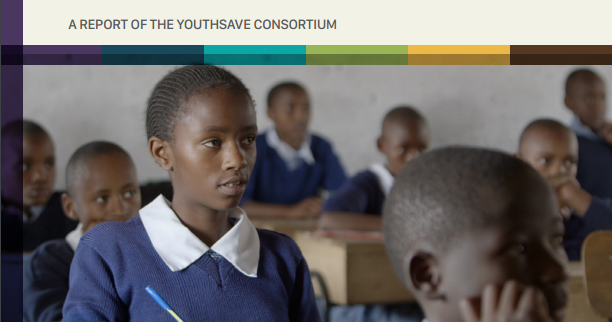
85,000 Low-income Youth Open Savings Accounts through YouthSave
A Conversation on the Weekly Wonk: Should We Bank On It?
Global Anti-Poverty Targets Tepid