
Journalism Spotlight: Child Care Pay Equity, Housing Instability, and Death Doula Pay
BLL's latest reporting on child care, elder care, and housing instability across America.
The Better Life Lab (BLL) at New America produces and supports high-quality independent journalism and storytelling that brings to life work and care challenges and solutions to raise awareness and drive action for change.
Here are BLL’s latest articles showcasing our high-impact journalism:
Pay Equity Fund for D.C.’s Early Educators Faces Possible Elimination
D.C. made national news with a groundbreaking pay equity program for early educators. Now the program may be cut, leaving thousands in limbo.
When Washington, D.C. launched the nation’s first-ever Pay Equity Fund for early childhood educators in 2022, it worked. Preschool teacher Ashley Ross saw her salary jump from $47,000 to $67,000. She bought a home. She enrolled her kids in after-school activities. Staff turnover plummeted across participating centers, and 219 more educators entered the field.
Now Mayor Muriel Bowser wants to cut $60 million from the fund, arguing it’s “not a child care affordability fund” but “more of an income support fund for child care workers.”
But here’s the thing: Paying people more is an affordability strategy. Teachers who can afford to stay in the profession create the stable, high-quality care that families depend on. Cut their pay and they leave, something Ross herself said she’d likely have to do, taking her 20 years of experience to a public school closer to home.
The fund’s growing price tag—it would need $92.4 million to be fully funded—is a direct result of its success. More teachers enrolled, more stayed in the field, more went back to school to earn degrees and higher salaries. “Normally this would be something that would be celebrated,” said Anne Gunderson of the DC Fiscal Policy Institute.
Instead, DC is poised to gut the very program that other states are trying to replicate. As one advocate put it: “We’ve scored a touchdown and now we’re fumbling the ball.”
BLL’s Rebecca Gale reports on the fund and what the potential cuts could mean in a The 74 article here.
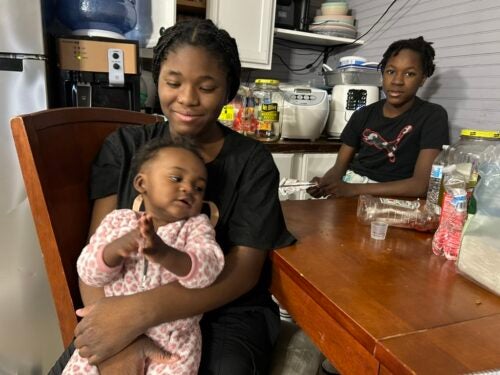
She’s 14 and She’s Moved 26 Times. The U.S. Housing Crisis Has Families like Hers ‘Running in Place’
Housing instability isn’t homelessness on the surface, but it disrupts kids’ lives just the same. Na’Kaya (14), Junior (12), and toddler Kylie have a home right now but keep having to move as rents rise, affordable child care is out of reach, and jobs stay unstable for their mother Jaimie Godfrey.
The constant moving disrupts schooling, behavior, and learning—and it slips them toward gaps that can widen into fewer opportunities later.
Brigid Schulte’s article for The Guardian exposes how hidden homelessness and housing instability affect real people.
Key takeaways:
- Recurrent displacement hurts children’s outcomes.
- Moving disrupts learning and future prospects.
- Families like the Godfreys illustrate the real toll behind the stats.
Caregiving Innovations and Ideas Across the Country
In a series of four videos linked below, BLL reporting grantees share the backstories of articles they’ve recently published about how the caregiving landscape is changing, and what needs to be done to bolster caregiving in this country.
Here’s a link to more information about BLL’s child care reporting grants.
Why Death Doulas Can’t Make a Living
As demand for death doulas surges, a striking paradox has emerged: many folks want to do this important work, but almost no one can sustain a livelihood doing it.
Through intimate portraits of practicing doulas, some paid, some unpaid, we learn how Medicare’s hospice reimbursement structure excludes non-clinical emotional labor, leaving families to pay out of pocket and doulas to rely on spousal income or second jobs.
This reveals a critical gap in the movement for equitable end-of-life care: the failure to reimburse the emotional, spiritual, and logistical support that dying people invariably need. Work that matters deeply remains invisible to the systems designed to fund care.
Read the two-part series by Bella Bromberg, a BLL grantee, in Aging in America News here and here, and watch her video here.
Retirees Opting to Become Child Care Workers
In Denver, the Early Childhood Service Corps trains adults ages 50 and older to work as substitute teachers and office staff in child care centers. Children get more attentive care, stretched-thin teachers get backup they desperately need, and retirees find renewed purpose.
The need is urgent. Centers are legally required to maintain adult-to-child ratios, yet qualified substitutes are chronically scarce. Without them, full-time workers can barely step out for a bathroom break. “Meeting the needs of the adults helps with morale,” says ECSC founder Lisa Armao.
Over three years, ECSC has placed about 150 volunteers across Denver, funded by more than $440,000 in state and local support. Inquiries about replication have come from California, Ohio, Oregon and Washington.
For retirees, the rewards run deep. Kit Karbler, 72, a glass artist whose work is on display in the Denver Art Museum, now works 20 hours a week as a child care substitute. “What would I be doing that would give me this emotional return?”
Read the full article by Mark Swartz, a BLL grantee, in the Hechinger Report here, and watch his video here.
What If Your Doctor Could Prescribe Connection?
What if the thing an older adult needs most isn’t another medication, but a weekly art class, a walking group, or simply someone to share a meal with?
That’s the idea behind social prescribing: medical providers prescribe activities that address non-medical needs, like social connection and community, alongside clinical care. For older adults, who are at particular risk of social isolation and loneliness, this approach can be transformative.
The evidence backs it up. International studies find $4 in health system savings for every $1 invested. In the U.S., philanthropy is working to build the case that more healthcare payers should fund social prescribing for older adults.
Read the full article by Allison Cook, a BLL grantee, in Aging in America News here, and watch her video here.
Elder Care Solution Hiding in Plain Sight
If you’re part of the “sandwich generation,” caring for aging parents while raising children, there’s a lifeline you may not know about: adult day care centers.
These programs provide crucial, affordable relief at half the cost of in-home care or assisted living. But the roughly 3,100 programs serving 200,000 people nationally are under constant threat from inadequate funding.
The pressure is only growing. Aging baby boomers will intensify demand while a “forgotten middle” of seniors, too wealthy for Medicaid, too poor for private care, falls through the cracks. Advocates say the dream is full Medicare funding, but they’re still just fighting to protect the programs that already exist.
The reporter behind this piece knows the stakes personally. Her father, who has advanced dementia, briefly attended an adult day care center in Berkeley, California before it shut down due to funding shortfalls.
Read the full piece by Courtney Martin, a BLL grantee, in Vox here, and watch her video here.
Issues
Programs/Projects/Initiatives
Topics
Related

10 Better Life Lab Stories That Shaped Family and Workplace Policy in 2025

Child Care Reporting Grants: Frequently Asked Questions