Introduction: Climate Impacts on U.S. Housing Security
Shutterstock
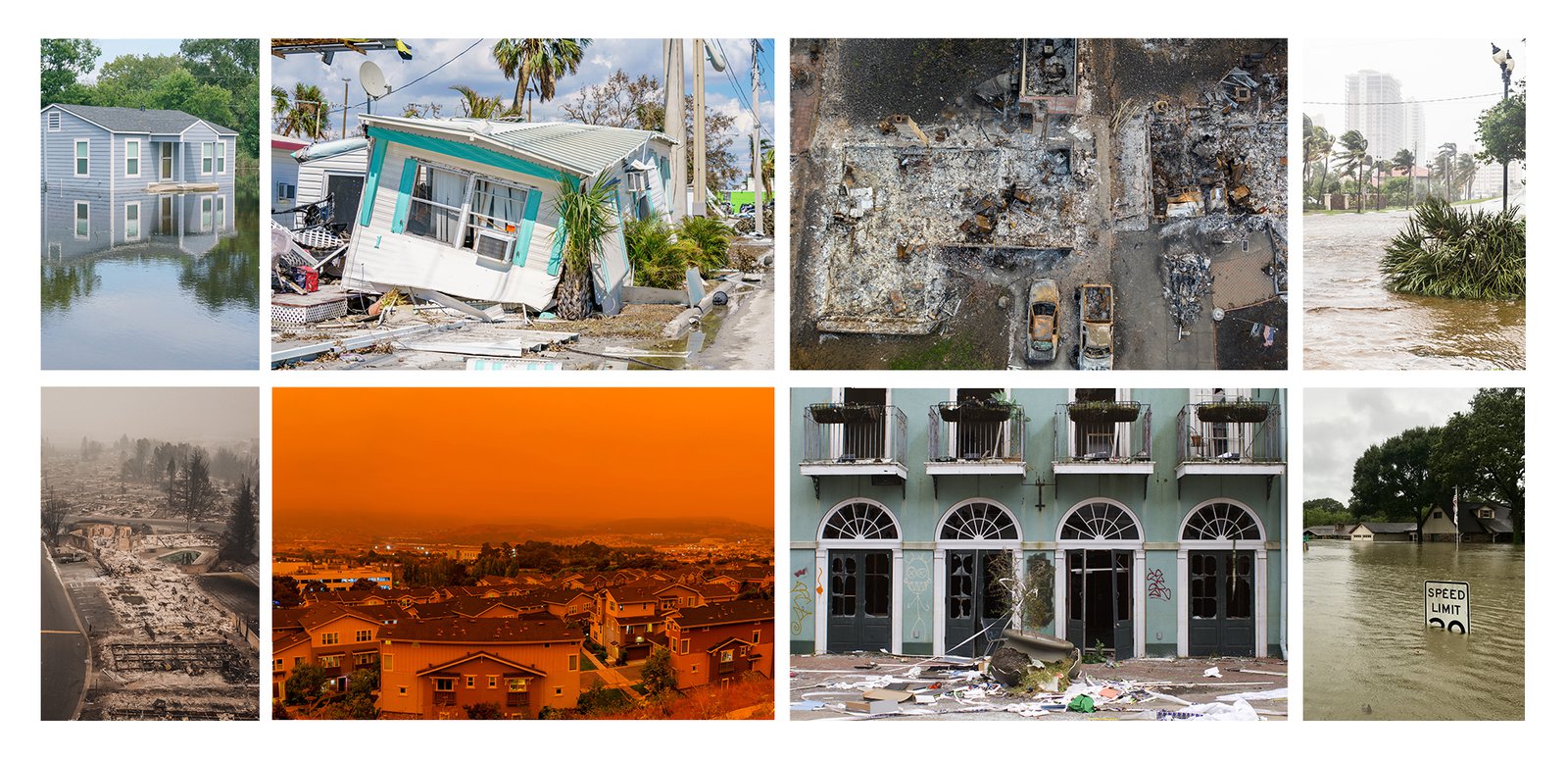
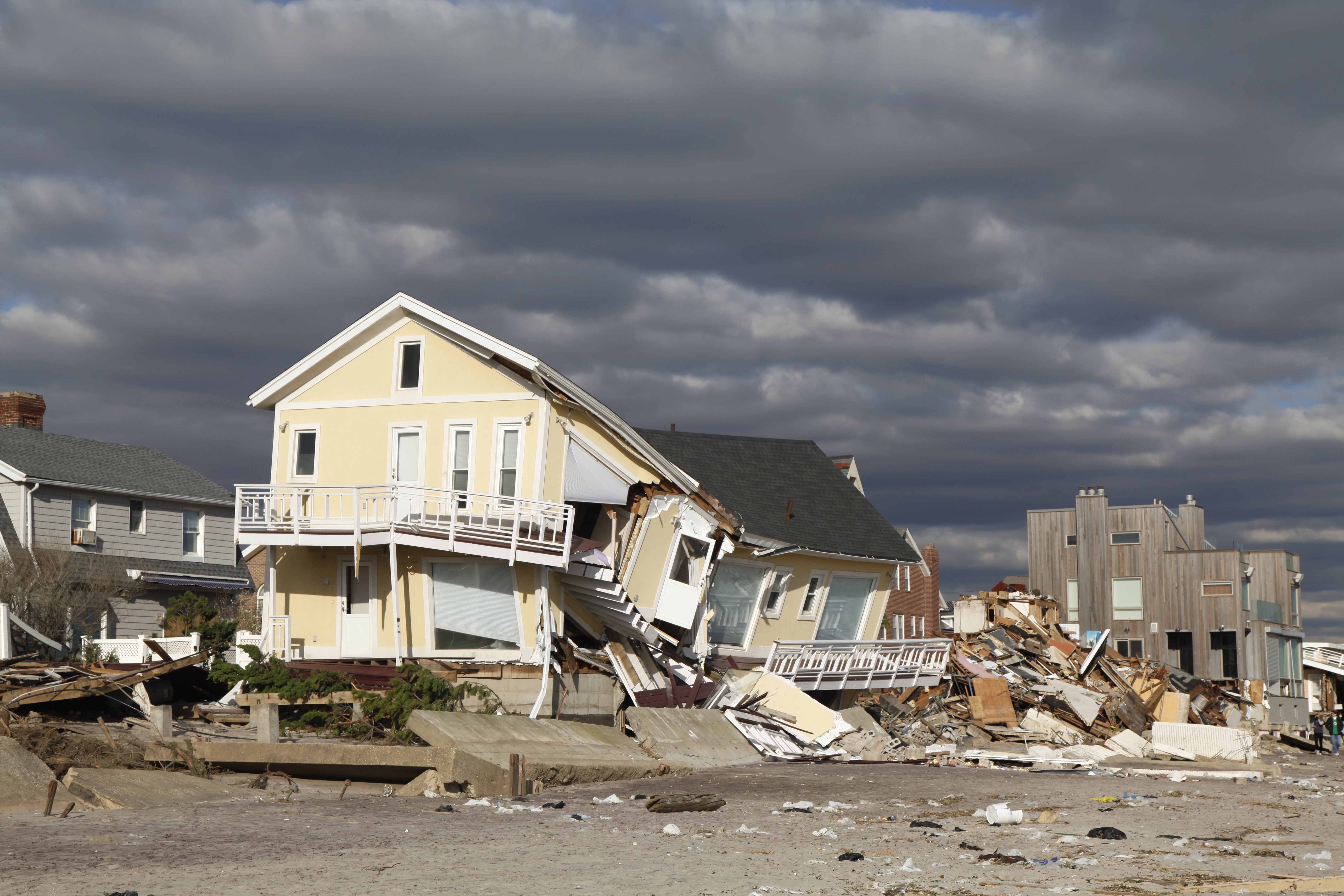
Climate change poses an unprecedented risk to housing security across the United States. According to CoreLogic, natural disasters impacted 10 percent of all U.S. homes in 2021, resulting in nearly $60 billion in damage and displacing 570,000 people.
The impacts of these increasingly frequent and severe disasters, along with rising sea levels, have long threatened coastal communities, home to over 125 million Americans. Sea-level rise alone could force over 13 million people to move by 2100, according to one prediction from the peer-reviewed scientific journal PLOS One. But the effects of climate change are not limited to the coasts. Inland communities are experiencing extreme weather events such as flooding and fires, and are also likely to see an influx of migrants from climate-impacted areas. And real estate markets throughout the entire country will feel the impacts of climate change on U.S. housing finance—on the federal budget, on mortgage and insurance markets, and on housing affordability.
Yet the United States struggles to develop local- and national-level policies that properly address the acute impacts of climate change on housing. Americans are actively moving into flood planes and other climate vulnerable areas. A 2021 analysis by Redfin found that a majority of the 50 U.S. counties facing the greatest climate risks from heat, storms, drought, flood, and fire saw an increase in population over the last five years. Worse, discriminatory 20th-century housing policies such as redlining have led to lasting racial disparities in housing and economic security, which in turn disproportionately increase lower-income and minority communities’ vulnerability to climate impacts and put them at higher risk of disaster-related displacement.
Over the last two decades especially, federal policymakers and municipal leaders have become more cognizant of the housing security challenges posed by climate change, and have made significant efforts to address these impacts. Most significantly, the Biden Administration’s 2022 Inflation Reduction Act (IRA) set aside $369 million in funding for climate and energy initiatives, including provisions that lower households’ utility costs and help build the resilience of housing.
Although important, the IRA and other climate policies are unlikely to significantly diminish the housing insecurity that will result from sea-level rise, natural disasters, and other climate impacts, especially considering the severe affordable housing shortage nationwide. The United States is currently short as many as 5 million homes and nearly half of American renters are housing cost burdened, or spend 30 percent or more of their income on housing. As climate change damages or destroys homes in vulnerable areas, such losses will exacerbate the crisis by driving up rent and making homeownership even less attainable. These effects will be felt most acutely by low-to-moderate income, non-white Americans.
We know that climate change will force millions of Americans from their homes over the coming decades. Where will these climate migrants go, and will they be able to afford safe and adequate housing in their new community? And what will happen to those who stay behind, whether by choice or necessity?
This report aims to present an analytical framework for understanding how climate change effects housing security in the United States. Through this framework, we explore the impacts of climate change on the housing security of three distinct populations:
- Those who move, or individuals and households that are displaced by climate disasters or voluntarily move from areas at-risk of climate impacts;
- Those who stay, or individuals and households that remain in areas at-risk of climate disasters, either by choice or necessity; and
- Those who receive, or the communities that will receive an influx of new residents due to climate-related migration.