Guest Post: Safety Net Needed for Private Loan Borrowers

By Deanne Loonin
We don’t know yet whether private student loans will be among the “troubled assets” purchased by the federal government as part of the massive bailout plan that Congress approved this month. Regardless of what happens at the Treasury Department and regardless of who ends up holding these assets, there are countless private student loan borrowers who need help.
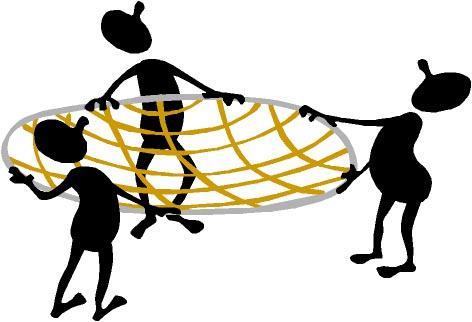 The problem is that private student loan providers are not offering long-term relief in the form of loan modifications, work-outs, flexible repayments or hardship deferments to financially distressed private loan borrowers. If the government is willing to come to the aid of private student loan providers, it should, at the very least, require these companies to provide relief to borrowers who won’t be able to repay these high-cost loans without assistance.
The costs of student loan defaults, while not as visible as boarded up houses, are real. Here’s why — education is the main ticket out of poverty in this country. We know it’s not always the case, but on average increased education brings higher incomes and helps individuals build assets. Oppressive student loan debt can stop this upward mobility in its tracks.
It is extremely difficult to recover from student loan indebtedness. Many individuals are in trouble because they didn’t succeed the first time they went to college. Some dropped out because they weren’t ready for college. Others ran into unexpected difficulties, such as health or family crises. Now they want to try again, something they need for themselves and we need for our economy, but they can’t get out from under their original student loan debts.
Meanwhile, student loan debt problems rarely occur in isolation. An individual in trouble with student loan debt is likely suffering other financial burdens as well (such as large medical bills, for example), making it difficult to save and build assets.
The harm is psychological as well. We hear over and over from borrowers that if they had known they would be buried in debt, they would never have pursued college in the first place. Killing the spirit that pulls people toward education is exactly the wrong message, especially in these difficult economic times.
As a society, we allowed predatory lenders to help shatter the dreams of countless subprime student loan borrowers. The same phenomenon occurred in the housing market. Subprime lending has led to a net loss of homeownership for almost one million families.
In the future, we should encourage students and their families to take in the potential financial consequences when making college choices. Students need to understand that they don’t have to go heavily into debt to get a solid education. They must be reminded to exhaust their federal student loan eligibility before taking on private loans, and when warranted encouraged to pursue less expensive options, particularly if they are choosing between attending a high priced trade school and a low-cost community college.
Hopefully, steps Congress has taken recently to increase oversight over private student loans will keep the worst products off the market. But in the meantime, there are borrowers who need help. In some cases, even relatively small breaks, including principal reduction, hardship deferments or income-based repayment will allow these borrowers to dig themselves out of trouble.
Not all borrowers can be helped. Some will never be able to afford to repay their loans. Restoring a safety net, including bankruptcy rights, is essential for these borrowers. But a great many borrowers could get back into repayment if only their loan holders would work with them to modify loan terms or offer flexible repayment.
Deanne Loonin is a staff attorney with the National Consumer Law Center and the director of the center’s Student Loan Borrower Assistance Project. She focuses on consumer credit issues generally and more specifically on student loans, credit counseling, and credit discrimination. She is the principal author of numerous publications, including “Paying the Price: the High Cost of Private Student Loans and the Dangers for Student Borrowers.” Her views are her own and do not necessarily reflect those of the New America Foundation.
Issues
Programs/Projects/Initiatives
Related
State Legislatures Weighing in on Workforce Pell
A Trump Official’s Thin Legal Case Against Accreditors’ DEI Policies