Table of Contents
Generations to Come: Natural Security Index for China
Hung Chung Chih / Shutterstock
Despite China’s arable land, energy resources, and significant mineral wealth, its inherent natural security is insufficient to meet the needs of 1.4 billion people. Rising incomes and an economic shift to industry, emerging technologies, and services are further stressing demand for key resources.
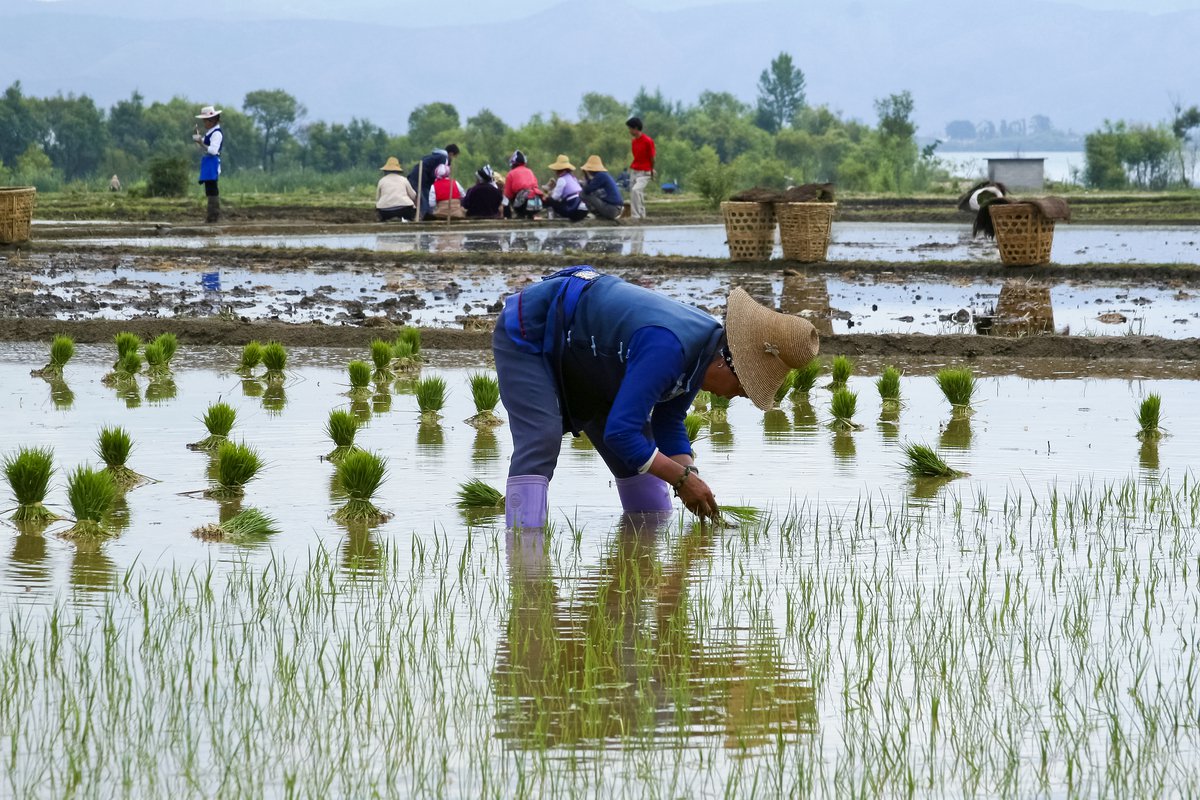
In agriculture, while China has been self-sufficient in staple crops (such as corn, rice, and wheat), a growing middle class is changing consumption patterns. In particular, a growing demand for meat is driving up some imports, such as soy for animal feed.
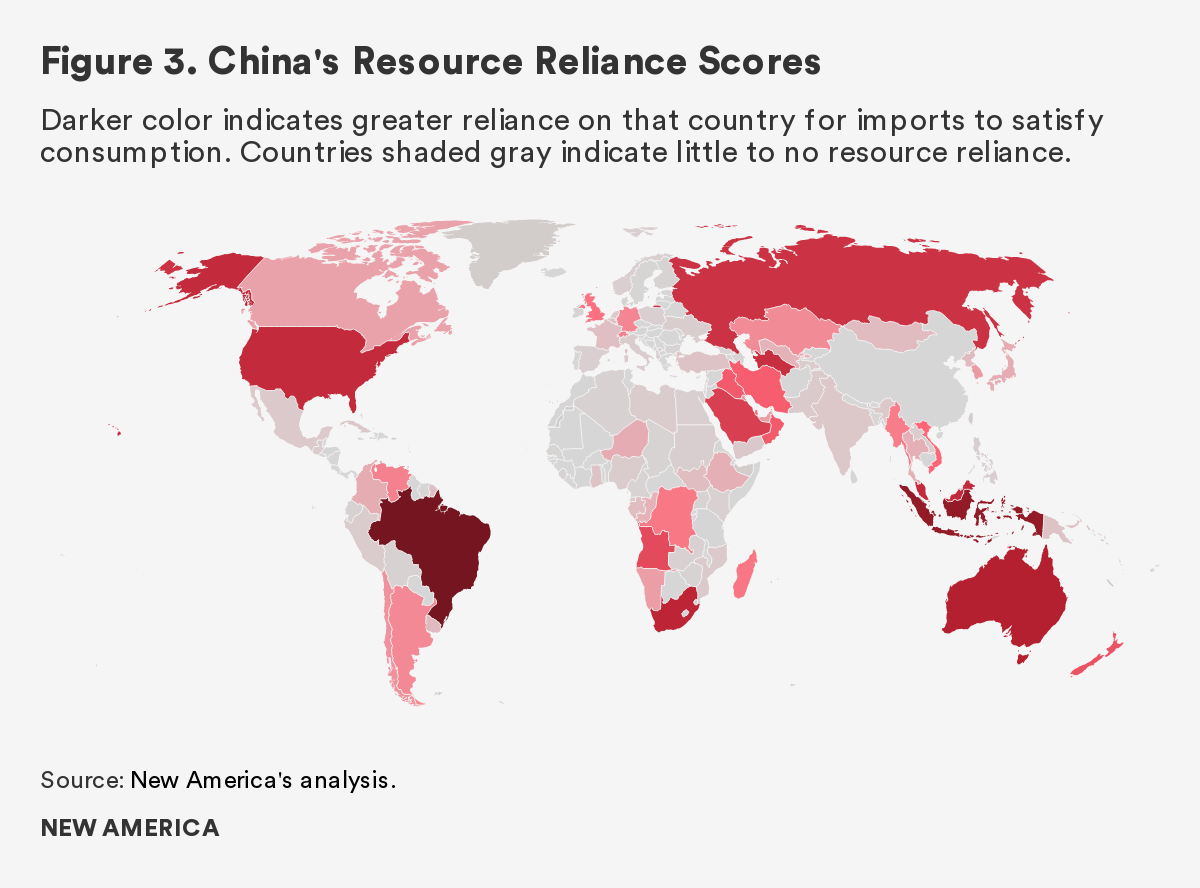
China is a major producer of critical minerals, but it also relies on imports for a select few minerals, such as lithium and niobium, which are important for the country’s consumer electronics, construction, battery, and renewable energy industries. These materials are in everything from smartphones to the steel in bridge spans.
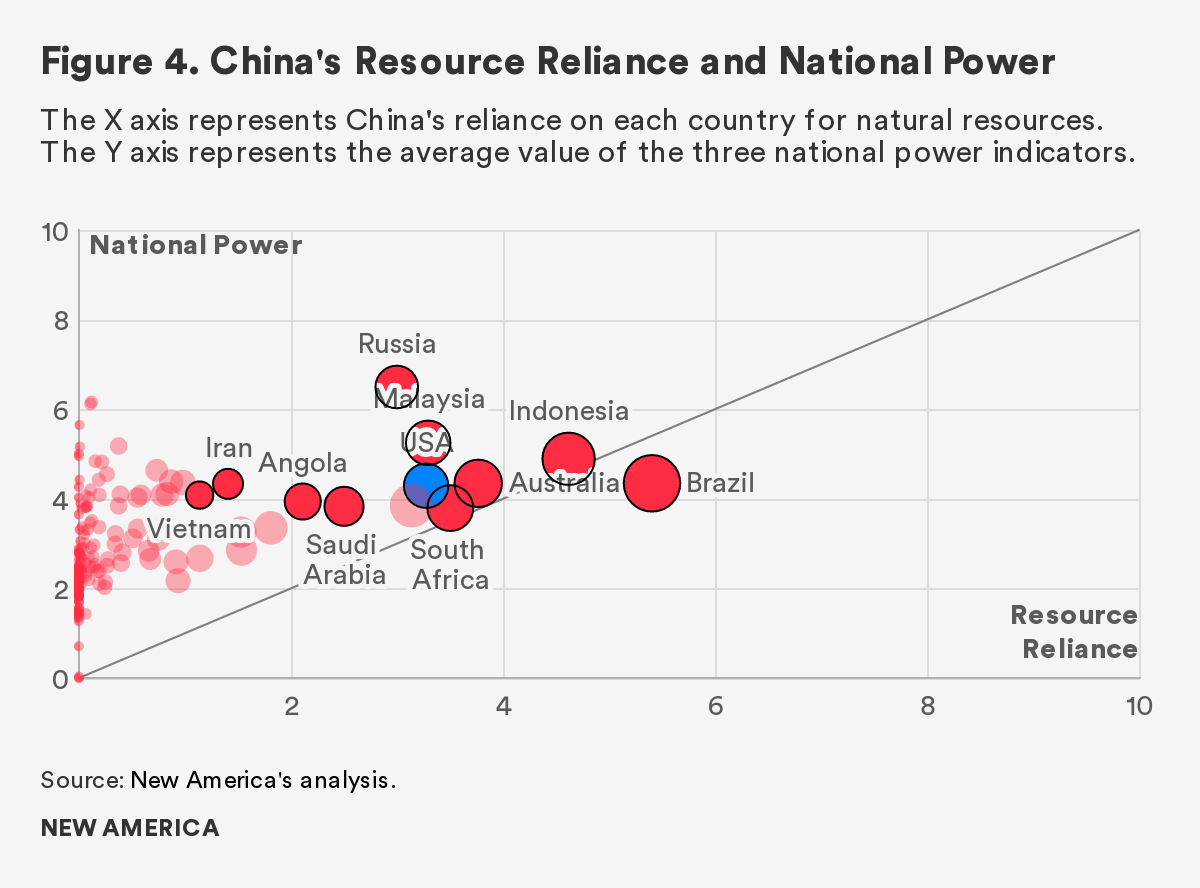
China relies on a more diversified, evenly spread range of trade partners for resources than does the United States, including countries that are resource powerhouses in global markets, such as Brazil, South Africa, and Australia. At this time, the United States also ranks highly in importance to China’s natural security, especially for agricultural commodities, and China invests in the U.S. energy sector.
The Democratic Republic of the Congo (DRC), while not a high-volume resource supplier, is a critical partner, given that China depends on the DRC for over 80 percent of a key resource: cobalt. Cobalt is important for batteries, consumer electronics, metal alloys, and medical applications.
In Brazil, Indonesia, Australia, South Africa, the United States, Saudi Arabia, and Angola, China’s resource relationships are highly correlated with military, cultural, diplomatic, and economic investments. Across all military and soft power indicators, Russia is China’s most important partner, and it is also a key supplier of energy, minerals, and metals. While proximity is important, it is not as dominant a factor as it is for the United States; for China, for example, Brazil is as important as Indonesia.
Although China is investing in renewable energy, the country remains highly dependent on fossil fuels. Domestically produced coal accounts for the majority of fossil fuel consumption, but China is import-dependent for oil and gas. In fact, China’s petroleum dependence closely resembles that of the United States a decade ago. According to our analysis of global trade from 2013-2017, China relies on imports to meet roughly 62 percent and 30 percent of its oil and natural gas needs, respectively, with Saudi Arabia, Russia, and Iran as top suppliers. All three countries are also top priorities for Chinese military, economic, diplomatic, and cultural investments.
Frame China / Shutterstock