Table of Contents
Analysis: Natural Security and Great Power Competition

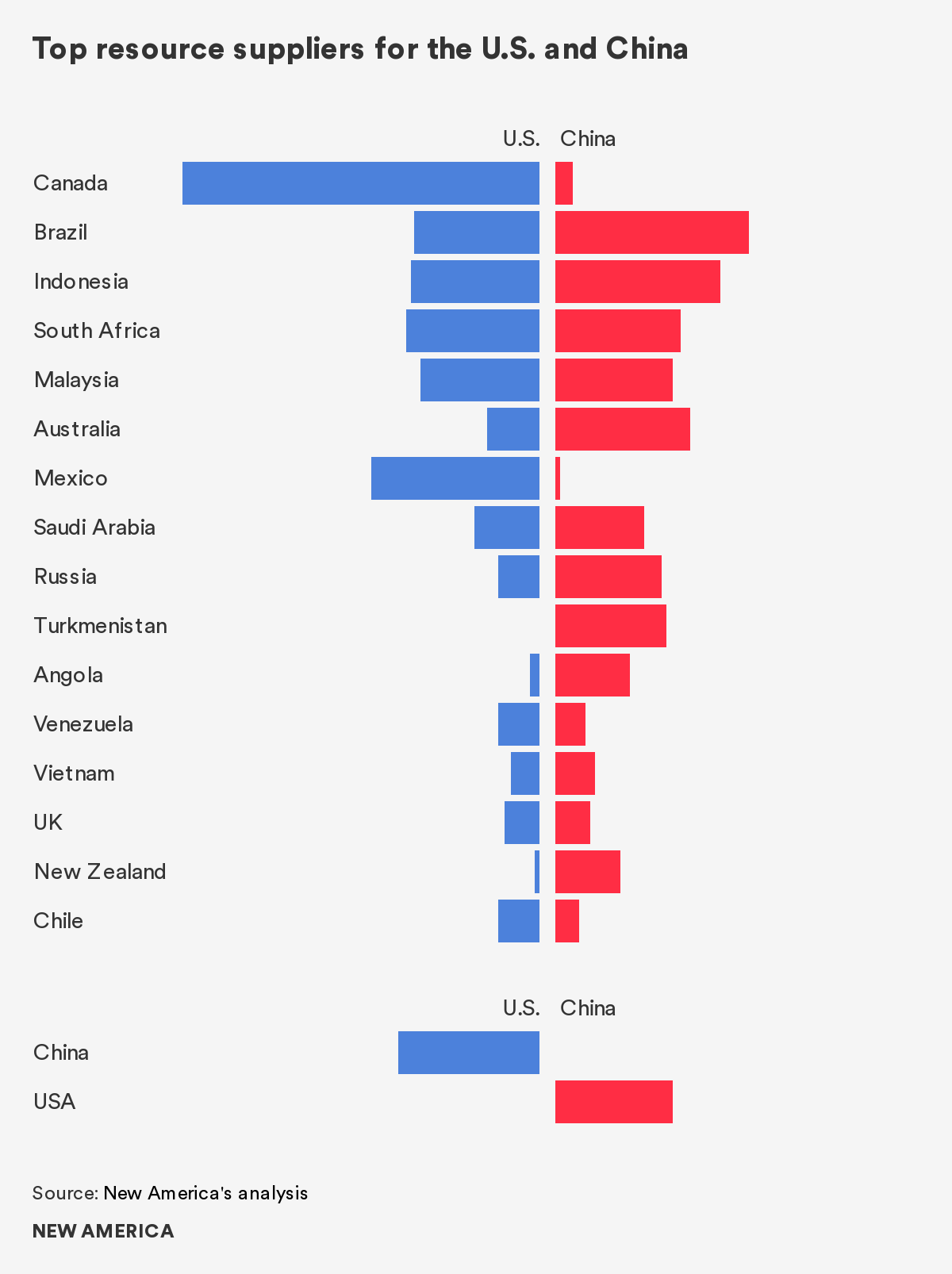
The United States and China rely on many of the same suppliers for natural resources: Brazil, South Africa, Indonesia, Malaysia, Australia, and Russia—as well as each other. Specific country profiles follow.
In general, in these overlapping countries (according to Figures 2 and 4), China invests more effort in diplomacy compared to the United States, but U.S. cultural and economic soft power outpaces China’s. The United States has more military engagement and coordination around the world than China, including with key resource partners.
China and the United States
At this time, the United States and China rely on each other for resources, and have made considerable soft power and military investments in each other (see Figures 2 and 4), as well. The United States depends on China mainly for critical minerals: China is a top supplier for antimony, bismuth, graphite, and rare earth elements. China depends on the United States mostly for agricultural products: the United States is China’s second-largest supplier of pork, poultry, and soy.
It is difficult to say if these ties will continue to the same degree, given current trade disputes and rising animosity. However, it would not be easy for either country to find a new primary trading partner for these resources. Specifically for critical minerals, the source of China’s comparative advantage is both its geology and its capacity for processing. The global demand for critical minerals is relatively new, and most current known reserves were discovered more or less by accident, as veins found in association with copper, gold, or some other commodity metal. There may be more commercial amounts of these high tech minerals buried in the Earth, including in the United States, but exploration is expensive. Even with reserves that have already been identified, financing and building a new mine takes years. Finally, the raw ore from a mine has to be crushed, heated, and bathed in chemicals, such as sulfuric acid or sodium hydroxide, in order to obtain useful minerals, and it can be difficult to permit and site such highly polluting plants.
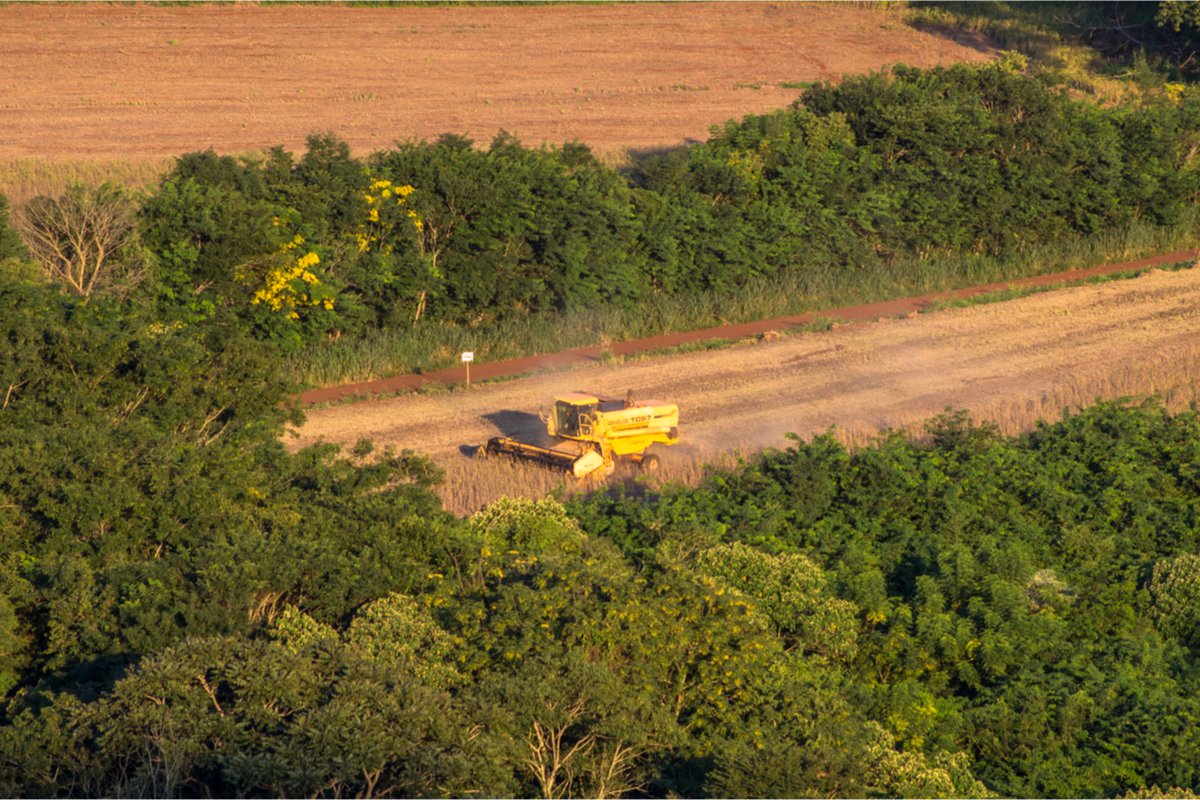
In agriculture, pivoting to a new trade partner is not as difficult as it is for mining, in terms of the time and investment required, but a shift is not without consequences. Soy is instructive: as U.S. soy exports to China have declined in the last three years, exports from Brazil have increased, accelerating deforestation in the Amazon to make way for farmland.
Alf Ribeiro / Shutterstock
Brazil
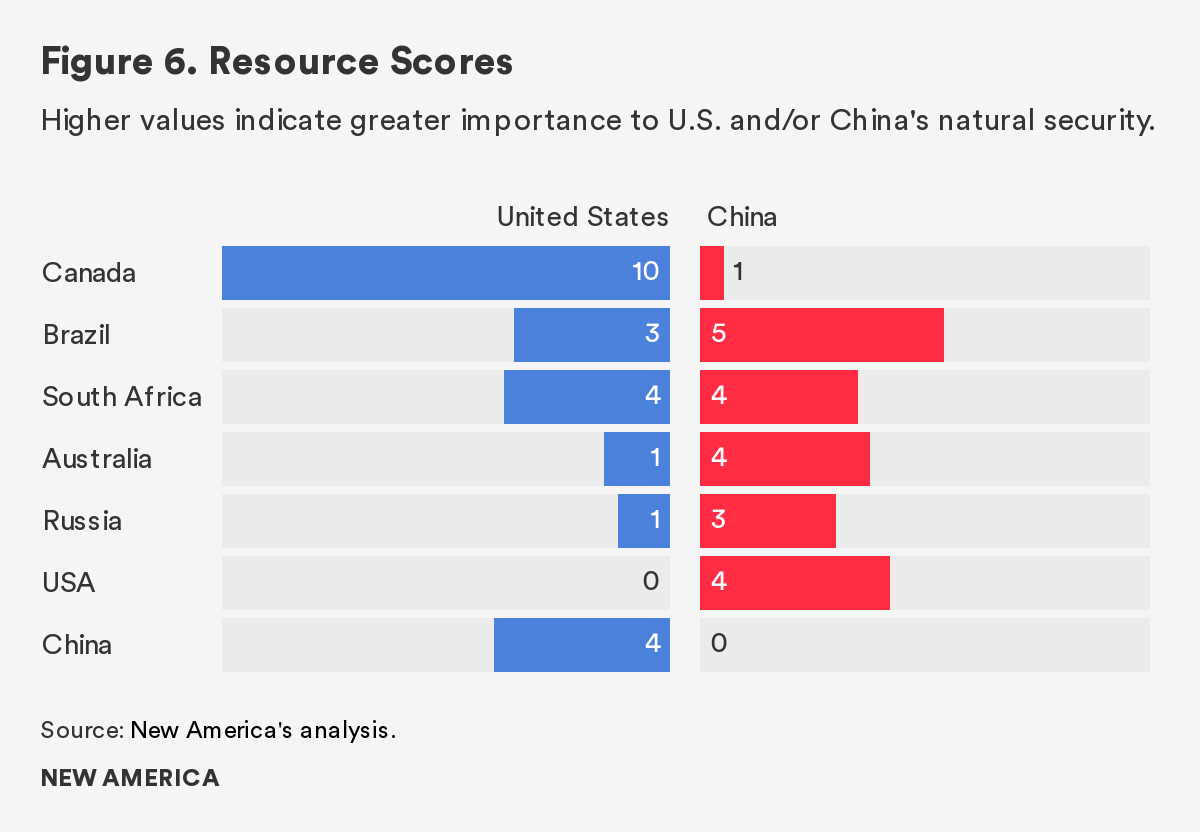
Arguably the world’s most important natural resource power (outside the United States and China), Brazil exports a range of commodities, especially minerals and agricultural products, and supplies over 75 percent of the U.S. and China’s total supply of niobium. Niobium is essential for high-tech devices such as cell phones and laptops, though most niobium in the United States and China goes to high-strength steel, a higher-volume, lower-value use. Although there are substitutes for niobium, other metals may result in degraded performance. According to our data analysis, Brazil is also a significant agricultural producer, supplying 43 percent (and growing) of China’s soy imports and 14 percent of its sugar imports. The United States produces enough soy to meet its own needs, but relies on Brazil for a quarter of its coffee supply. Both the United States and China have considerable national power investments in Brazil—diplomatic, economic and cultural, and military.
South Africa
South Africa ranks first for the United States and China in critical mineral dependence, supplying chromium, manganese, zirconium, and several platinum group metals (palladium, platinum, and rhodium) to both countries. Manganese is used in steelmaking; chromium is critical for making stainless steel for pipelines, machinery, and home appliances; and zirconium has unique properties that make it important for the nuclear industry. Platinum group metals have several characteristics that make them important to industrial economies, specifically properties that help reduce dangerous emissions from vehicle exhaust and oxidation resistance in electronics. As with Brazil, both the United States and China have a range of national investments in South Africa, with China trending more diplomatic than military.
Australia
Natural security and national power indicators all suggest Australia is a key country of contention between the United States and China. Australia’s resource wealth and proximity to China make it a critical partner; Australia is China’s number one supplier of zirconium and silver, and comes in second for manganese, gold, coal, and gas. China has a range of national power investments in Australia, including military coordination, cultural engagement, and economic investment.
Australia is a top military ally for the United States, enshrined in the 1951 Australia New Zealand United States (ANZUS) treaty and the Five Eyes intelligence sharing agreement. Australian forces have fought alongside Americans in every conflict since World War I, though a recent Lowy Institute poll suggests that a younger generation of Australians may feel less beholden to that shared history. The United States also relies on Australia for a range of resources, including uranium, manganese, and cadmium, though the dependency is less concentrated than it is for China.
Lingkar Hari / Shutterstock
Indonesia
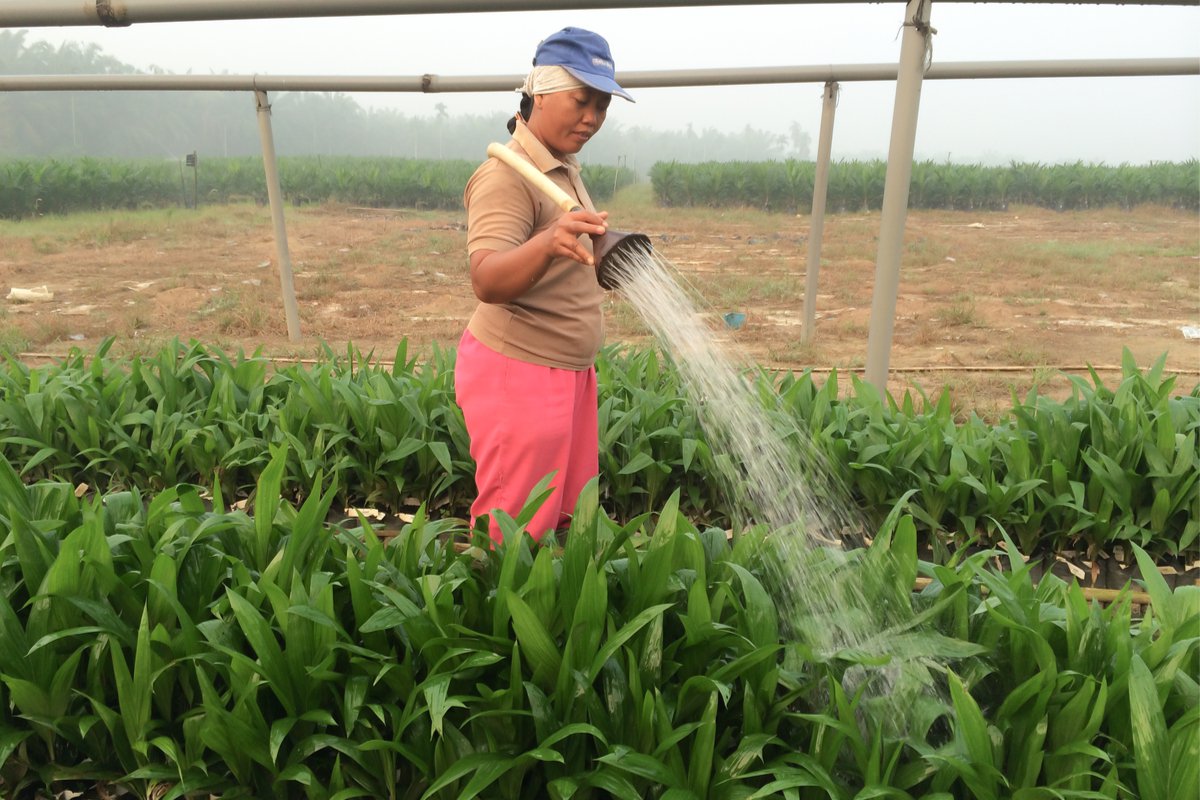
Indonesia has become an increasingly important agricultural supplier globally in recent years due to the world’s embrace of palm oil. Indonesia also exports fossil fuels and coffee to China, and tin to the United States. The country is of high strategic importance due to its central location in the Pacific astride the Malacca Strait, a critical shipping corridor between the South China Sea and Indian Ocean. Indonesia has ties to both the United States and China, and ranks relatively high in military coordination with China.
Canada and Russia
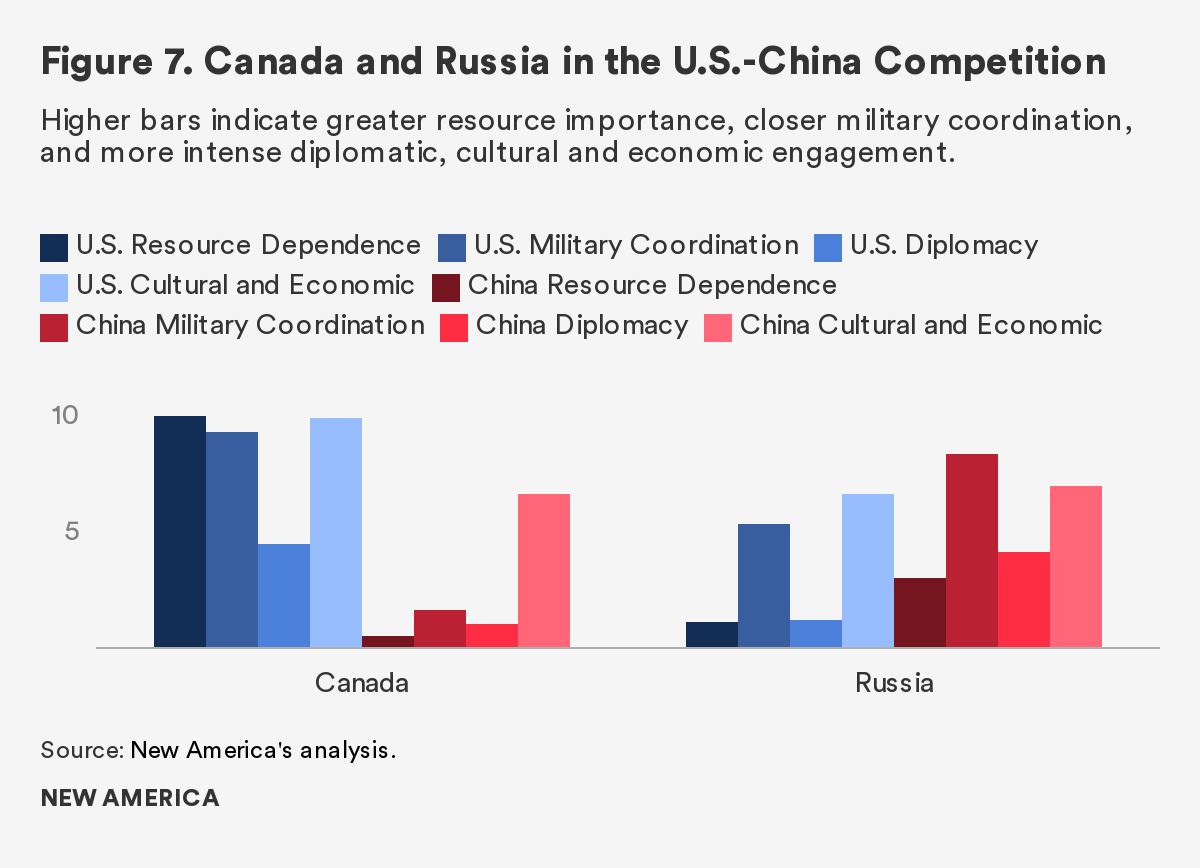
The U.S.-Canada and China-Russia relationships are analogous; these are regional partnerships that cut across indicators, from resources to military to economic to cultural. At the same time, the United States relies on Russia for resources such as palladium and rhodium, and has cultural and economic engagement with Russia that rivals that of China. China likewise looks to Canada for cadmium and niobium, with about the same degree of cultural and economic engagement that the United States has with Russia.