Table of Contents
- Checklist
- Introduction
- Household Economy
- Community Resilience
- A Pandemic of Racism
- Election Integrity
- Healthcare Surge Capacity
- Supply Chain Management
- Universal Access to Digital Services
- Banking and Payment Systems
- Economic Resilience
- Future of Work
- Epidemiological Readiness
- Porous Lines of Defense
- Institutions
- Policy Considerations
Supply Chain Management
As much as the pandemic is a medical and economic emergency of global proportions, it is also very much a supply chain and industrial production shock not seen since war times. The economic transition over the last 75 years, since the end of World War II, prioritized industrial capacity and supply chain efficiency, creating the tightly woven patchwork of manufacturing and inventory sites, shipping, and air cargo lanes that trace the world’s supply and demand. Many of these supply chains either snapped or proved to have little redundancy as the effects of COVID-19 dragged on.
This supply chain and production tension was evident for critical medical supplies, such as ventilators and PPE needed on the frontlines. Countries turned to war powers to shift local industrial production or seize and divert critical supplies from export for local use, proving the cost of outsourcing, off-shoring, and taking a less than strategic view of critical national stockpiles. Indeed, demand across the entire world for three essential stock keeping units (SKUs) surged at exactly the same time—ventilators, the difference between life and death for the worst-hit COVID-19 patients, N95 masks, and PPE.
In the same way you cannot buy insurance when the house is on fire, you cannot develop a supply chain strategy in the middle of a global emergency. The scarcity of these critical items turned desperation into ingenuity and corporate largess, as firms, such as Facebook, Apple, and SoftBank, among others, donated millions of N95 marks, designed makeshift ventilators, or shifted production of perfume and spirits to make hand sanitizer. The ingenuity and largesse also showed up in the small-footprint manufacturing of critical supplies using decentralized networks of 3D printers and open-source blueprints of key supplies, such as medical face shields, among other items.
Other aspects of the world’s supply chains ground to a halt during the pandemic. Critical supplies, for example, in medicine, which already labor under cost-prohibitive market distortions were and remain strained. This is especially true as the search for medical treatments and cures for COVID-19 flagged other drugs and treatments, such as Remdesivir and the controversial use of Hydroxychloroquine, used to combat dread diseases like Ebola and malaria as potential panaceas. Clinical trials are ongoing with these and others treatments, diverting supplies from their originally intended use, which itself can imperil many lives or distort pricing and availability.
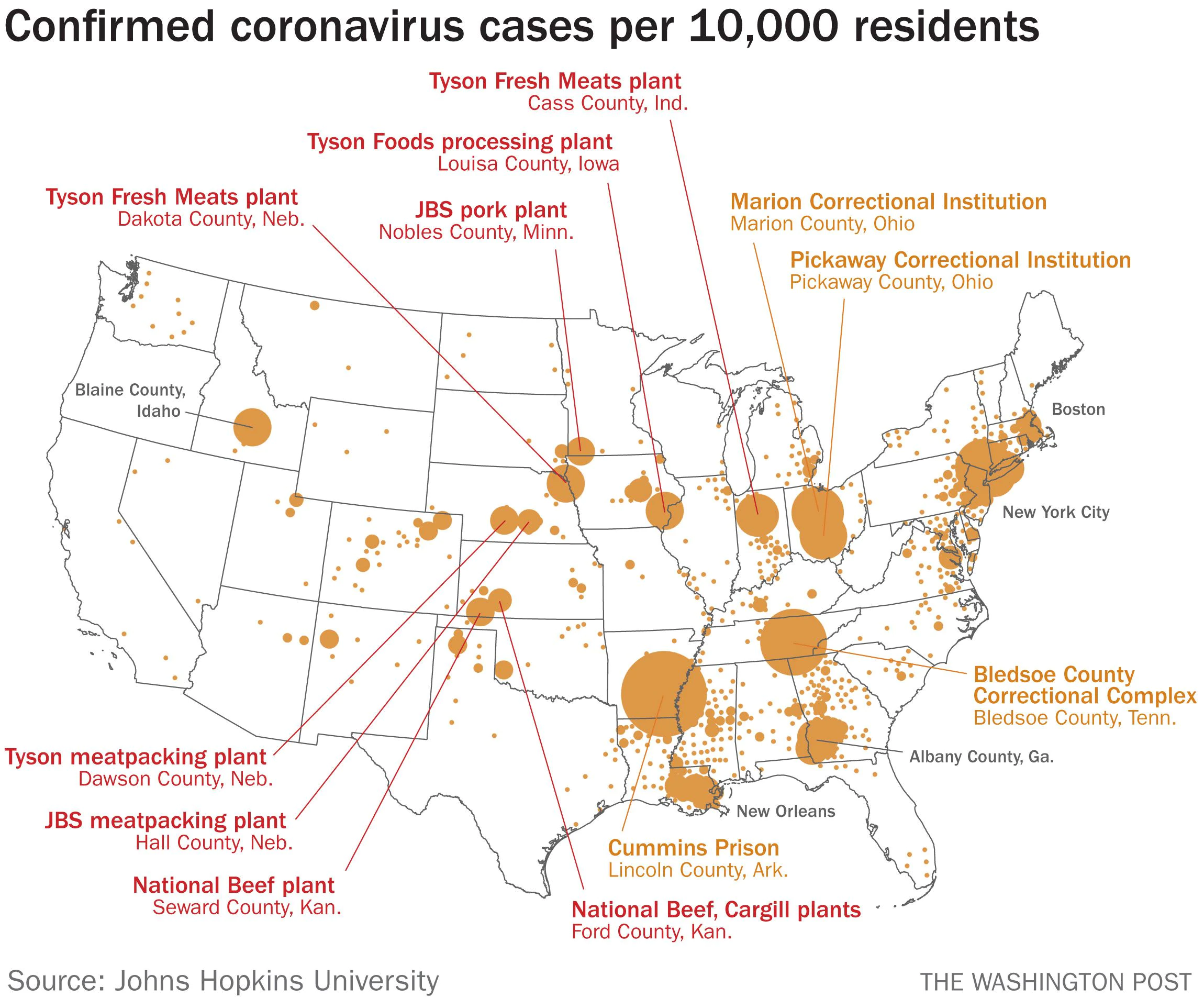
In the crisis, all supply became national, local and hyperlocal as the effect of an ongoing lockdown grinds on. This is perhaps truest with the food supply chain on both the demand and supply sides of the equation. On the demand side, as more than 40 million people filed for unemployment, long lines formed across the country for food kitchens, pantries, and donation sites to help feed the most vulnerable and the newly unemployed. On the supply side, meat production has been particularly hard hit as the close proximity and unhygienic conditions of animal slaughter proved to be a veritable petri dish for the spread of COVID-19. Many meat processing plants across the country that were compelled to remain open as essential services, saw 50 percent or more of their frontline staff affected by the virus, disrupting production and further exacerbating efforts to flatten the curve. This issue will also raise the specter of employee class action lawsuits and worker’s compensation claims, among other challenges.
Here too, any semblance of supply chain normalcy, especially at the retail level, was provided by technology-powered platforms, such as Amazon and a wide range of delivery services that could cater to social distancing requirements. The steadfast U.S. Postal Service could add pandemics to the perils that would not stop postal workers from completing their rounds, along with “neither snow nor rain nor heat nor gloom of night stays these couriers from the swift completion of their appointed rounds.”
As worker strikes and walkouts showed, however, even domestic supply chains are not inured to disruptions, particularly in a public health event that shifted so much retail and commercial demand to online platforms. The pandemic exposed already strenuous working conditions and paltry protections of warehouse, inventory, and logistics workers, like long-haul truckers, the other unseen heroes. Firms, such as Amazon, Gojo, Safeway, and Domino’s, promised to ramp up hiring by the thousands to buttress their forces, while others, such as Macy’s, J. Crew, and Modell’s, declared bankruptcy, perhaps marking the end of the local fight for life of physical retail shopping and box stores. An onslaught against national retail chains that began with the ease of online commerce may have been sealed by the global pandemic. Meanwhile, hyperlocal businesses such as restaurants, corner stores, bodegas, and others, proved to be resilient and adaptable—their comparatively light asset base and low overhead became an advantage.
Much of the federal intervention, led by agencies like FEMA, was nothing short of a wartime airlift and supply chain effort. Having a national backstop and strategic readiness capability that can spring to action in tangible (smoking crater disasters, such as floods, fires, windstorms) or intangible disasters (blue sky events, such as cyberattacks, vector-borne or communicable diseases, bio-terrorism) is not optional. It is essential. While much of the national emergency response framework and human capital capacity is geared for traditional natural hazards, such as fires and floods, the response to the pandemic, which triggered disaster declarations in all 50 states and U.S. territories, underscores the need for whole-of-society readiness. How tightly woven, just-in-time supply chains and private sector production performed in this crisis raises important questions about what should be onshore, near-shore, or re-shored—lest we turn to wartime production powers in the next crisis.