
Table of Contents
- Checklist
- Introduction
- Household Economy
- Community Resilience
- A Pandemic of Racism
- Election Integrity
- Healthcare Surge Capacity
- Supply Chain Management
- Universal Access to Digital Services
- Banking and Payment Systems
- Economic Resilience
- Future of Work
- Epidemiological Readiness
- Porous Lines of Defense
- Institutions
- Policy Considerations
A Pandemic of Racism
The graphic murder of George Floyd by Derek Chauvin, a Minneapolis police officer who was aided by three of his colleagues, gripped the nation. Floyd, like so many victims of police brutality in the United States, was a Black man who died indiscriminately with a knee on his neck uttering the painful last words “I can’t breathe” and calling out for his mother. This is an all-too-familiar scene on the streets of the United States, where unarmed Black men fall prey to policing tactics borrowed from a militarized urban assault manual, and where Black people appear to be violent threats like foreign enemies on a battlefield here at home.
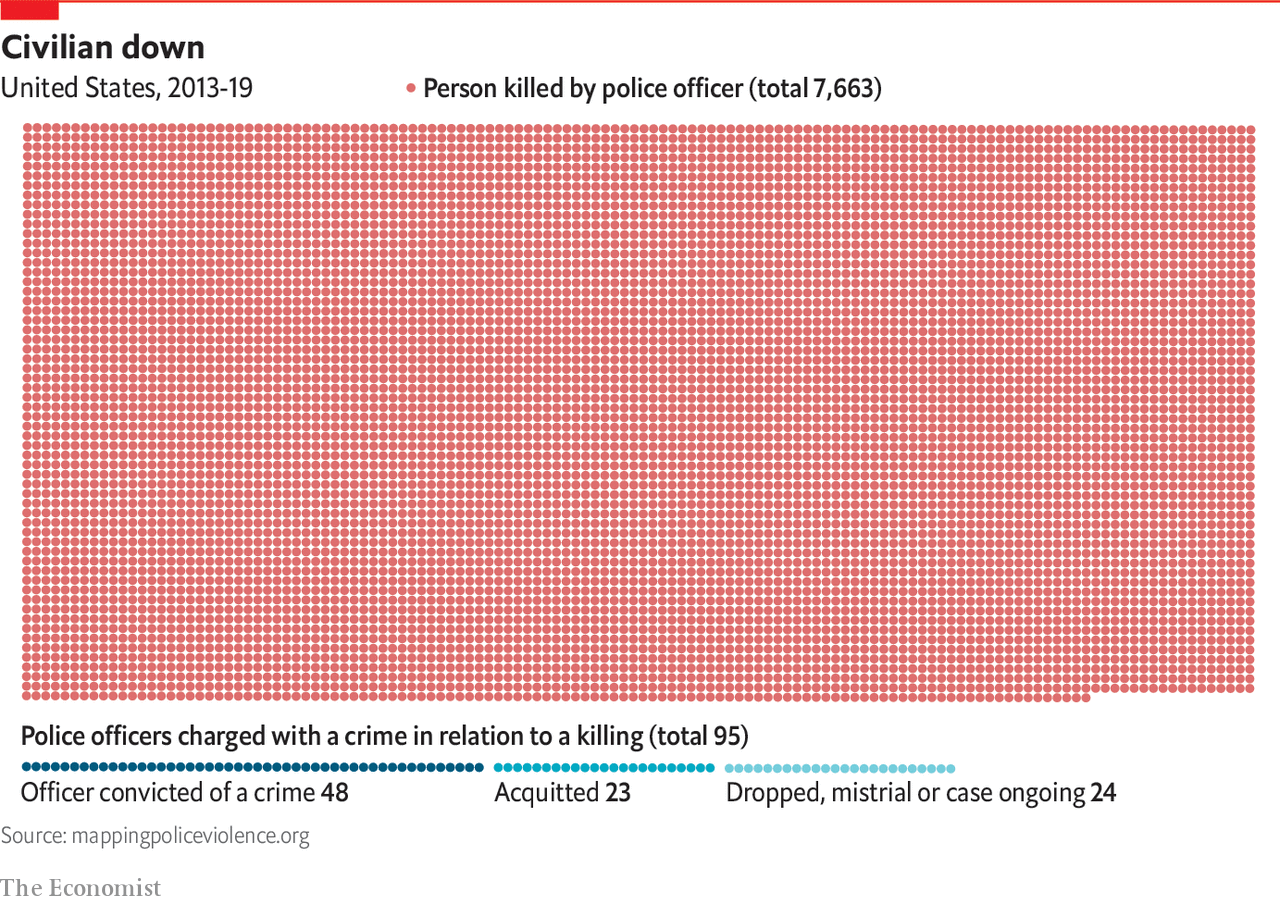
Unlike so many lives before his, Floyd’s death was not in vain and has sparked a global Black Lives Matter movement that is already seeing a wave of change throughout the country. At the heart of this movement, which triggered record protests (along with civil commotion and a militarized police response) at the height of social distancing, are calls for social justice and equal treatment of Black people in the United States. This should not be a tall order for a country with founding ideals that espouse justice for all, equal rights, and the pursuit of life, liberty, and happiness. To Black people in the United States, while noble, none of these pursuits come easily courtesy of centuries-old systemic racism that has ossified into the very fabric of U.S. society, the economy, legal treatment, and opportunities for social mobility.
Despite being 13 percent of the population, Black people comprise 33 percent of the prison population—a veritable bookend of a justice system that is as heavy handed in recorded videos of police brutality, as it is in how “justice” is meted out in like-for-like crimes compared to other groups. In economic terms, the accumulation of Black wealth is even more elusive compared to other groups in the United States. The median wealth of Black families is nearly ten times smaller than the wealth of the median white family. Black people are not only systematically excluded from a range of jobs, they are woefully underrepresented in the entire employment pyramid in the country. The ladders of economic mobility for Black people appear to be greased by years of financial exclusion, unfavorable risk rating models, and the rungs of this ladder have been weakened or broken by the others who clambered up first.
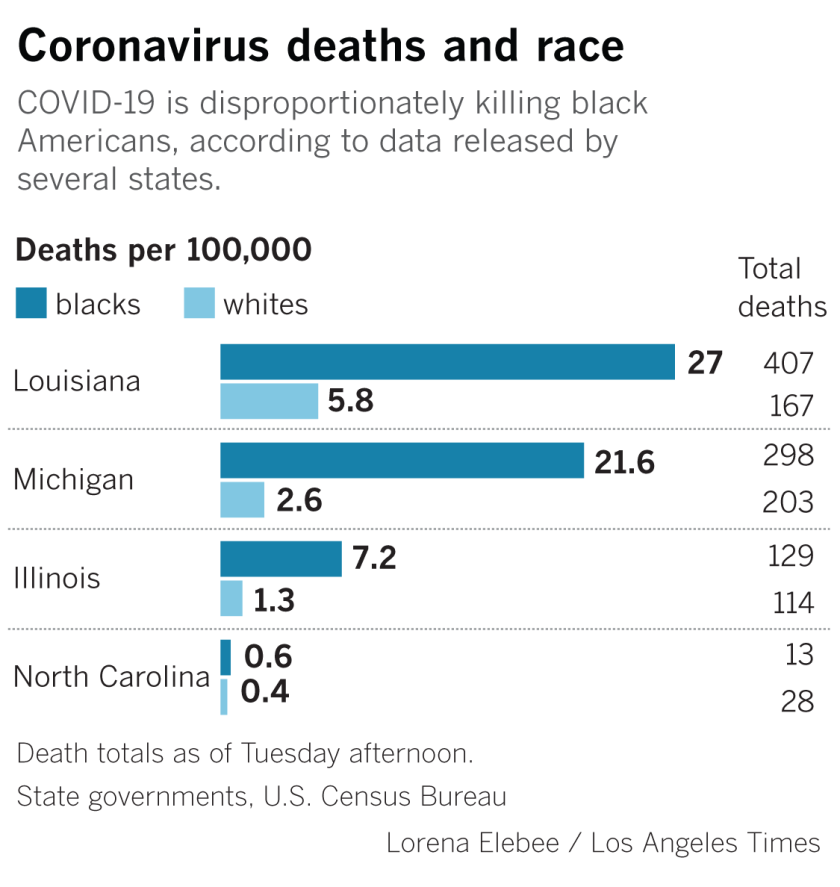
The median Black household in the United States earns $10,000 less per annum than the national median household income of $62,626. A major part of how systemic racism rears its head is in the insidious financial exclusion and dependency built into many low-earning frontline jobs. These jobs, sadly, were among the first to go during the first onslaught of the COVID-19 pandemic. So not only is the Black population more exposed to financial vulnerability that predates the pandemic by centuries, but Black people are also twice as likely to die from COVID-19 when infected. Early data from cities across the United States bears this painful truth, that like many aspects of the Black existence in the United States, the onset of a pandemic would be unfairly weighted against Black people where poverty and unequal access to quality healthcare would be comorbidities.
In terms of access to health insurance or the healthcare system in the form of physical proximity to hospitals or clinics, many Black communities are as deserted by the healthcare system as they are by public education, grocery stores, and other basic community services. Black people are 10 percent more likely to be uninsured or dependent on public assistance programs with periodic access to healthcare as compared to other groups. This much is part of what animates protesters whose rank and file are mercifully as diverse as this great country in a moment of national solidarity that has the power to invoke the type of real change seen in past civil rights movements. The United States, it would seem, errs on the side of gradualism when it comes to social change and justice, and while long, the arc of this country’s spirit bends towards equality.
Something broke in the country with George Floyd’s last words and that so many people would risk their lives is a deep reminder that even in times of crisis America’s motto, e pluribus unum, out of many, one, has deep meaning. Uprooting and short circuiting the causes of systemic racism in the United States that overshadow all aspects of Black reality will require long term commitments akin to those uncovered by truth and reconciliation commissions in post-crisis countries, like South Africa. Until then, hearing and abiding by the basic rallying cry, Black lives matter, is as good a starting point as any for mending a community and mending a nation.