Yuliya Panfil
Senior Fellow and Director, Future of Land and Housing

Welcome to 2020. Australia is burning, the U.S. is hurtling towards elections, the UK is… still Brexiting. And the Future of Property Rights program has turned two.
We started 2019 with two principal goals: to raise our profile, and to narrow down our work priorities.
Raising our profile required that we put our journalist hats on, and focus on translating the wonky issues we work on into interesting, human-centered stories that would galvanize mainstream audiences. We wrote articles for outlets like The Washington Post, CNN, Wired, and Project Syndicate, bringing the under-reported topic of land and property rights to an estimated 1.5 million people. We also started this newsletter, to make sure these stories reach our core audience.
Goal number two was tougher. The field of land and property rights is broad, and we are one of the only think tanks operating in this space. Naturally, it is difficult to choose what to focus on. Throughout 2019, we dove into everything from property rights in outer space to corruption in the land administration sector.
Still, as the year progressed, two major topics came into focus.
The first happened organically and was not something that we expected coming into the year. In early 2019, the conversation intensified over Donald Trump's proposed border wall, and we began to ask what will happen to the thousands of families whose homes and properties lie along the border. At the same time, it became apparent that a lack of property titles was seriously hampering Puerto Rico’s post-Hurricane Maria recovery effort. We read Evicted, Matthew Desmond’s best-selling exposé of America’s eviction crisis. Then, in the summer of 2019, two major media publications wrote about a little-known American property system called heirs property, which has been exploited by real estate developers and others to force a reported 90% of African American farmers off their farmland. In the fall, U.S. media intensified their reporting on America’s mushrooming homelessness crisis.
As these issues coalesced, we began to ask ourselves: why are people losing their homes?
And so began our Property Loss in America project, through which we will visualize the scale and breadth of home and land loss across the U.S., as well as the insecurity factors that lead to this loss, and its consequences. We will map the problem on a national scale, and then do a deep dive in three U.S. cities—Phoenix, Indianapolis, and Winston-Salem—to tell the story of why Americans are losing their homes, who is losing their home, and what happens to them and their families.
We are excited to have several partners on board for what will be our marquis project of 2020. Look out for a separate announcement with details later this month.
Our second focus topic has emerged from the FPR program’s founding mission of looking at the intersection of technology and policy. In 2018, we began to research a form of decentralized digital ID called self-sovereign identity, and its application to property rights. In particular, we were interested in whether a self-sovereign ID system could be used to store, organize, and share evidence of property occupancy and ownership.
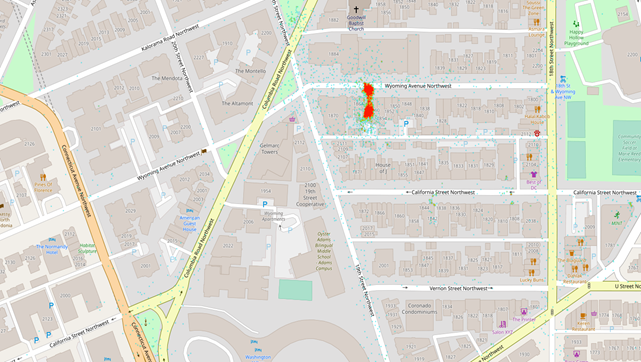
That research led us to a more fundamental question: is it possible for people to use their own digital footprints—in other words, the information they generate passively, just by leading their social and economic lives online—to help prove where they live?
This question turned out to be incredibly timely, as The New York Times and other outlets ramped up their reporting about big data’s dystopian hand in everything from deporting undocumented immigrants to tracking where the president of the United States is at any given moment. We propose turning this scary argument on its head, instead asking a more optimistic question: can we create a bottom-up approach through which ordinary people are empowered to use their own data to prove important things about themselves, including where they live.
We used ourselves as the guinea pigs first, and the results were pretty cool.
In the fall of 2019, we brought together experts from the property rights, digital identity, post-conflict, and disaster recovery communities to put this idea on the table. We received an overwhelmingly encouraging response, and so Project Visible was born.
Stay tuned in the coming months for news about a pilot, further research, and a Frontier Fellow who will lead this work.
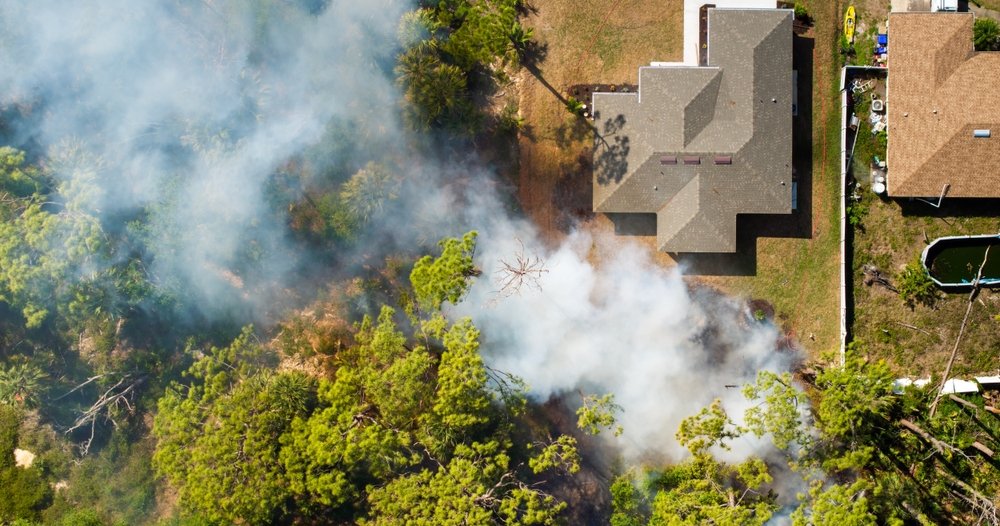
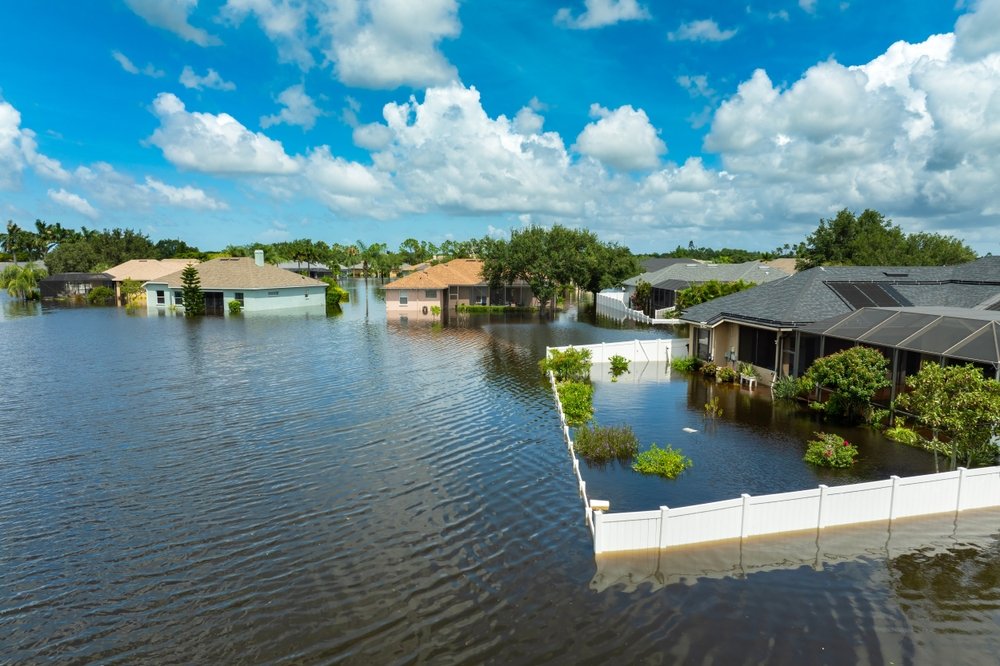
These will be FPR’s two major focus areas for 2020. However, we sense there may be a third area coming into the picture, one that is impossible to ignore in the face of frightening predictions from the IPCC and the Union of Concerned Scientists about climate change. As we watch wildfires consume Australia, increasingly frequent and severe hurricanes and floods devastate the United States, and desperate pleas from island nations who are quite literally sinking into the ocean, we are asking ourselves: what are the property rights implications of these phenomena?
This topic would be irresponsible to ignore, and so we are searching for how FPR can contribute to the increasingly urgent conversation about climate change. We have a few ideas that we are cooking up, but if you have thoughts about important topics and under-explored topics at the intersection of climate change and property rights, please write to us. Many of our best ideas have been directly crowd sourced from our audience and peers.
To close, we thank you for participating in our toddler year, and we look forward to continuing to grow together in 2020.
-The FPR Team
Senior Fellow and Director, Future of Land and Housing