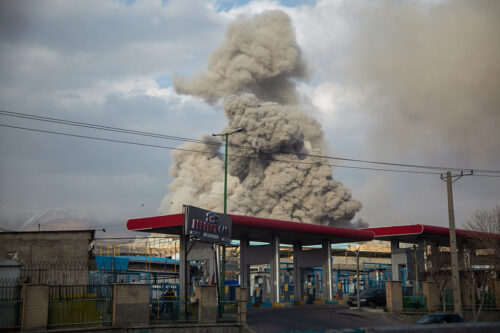
The first of the Democratic Party presidential primary debates is scheduled for Wednesday night, and in the lead up to the debate several of the candidates have proposed new policies on issues ranging from cancelling all student debt to a plan on veterans policy that includes a call for a war tax. Yet one area that remains largely absent from candidates’ public plans is how they would structure and preside over America’s counterterrorism and drone wars abroad. Nor is it just the Democratic candidates vying to challenge Trump, who have provided little in the way of public plans on the issue. The Trump administration has not publicly released its new guidance regarding counterterrorism strikes after replacing the Obama administration’s Presidential Policy Guidance on the issue.
Here are four policy stances that each candidate should publicly commit to in order to rein in and provide accountability for America’s drone and counterterrorism wars abroad.
- Establish a Civilian Casualty Review Commission: Multiple investigations (including in Iraq and Somalia) have provided reason to believe that the United States is substantially undercounting civilian casualties in its counterterrorism wars. In one case, AFRICOM acknowledged failing to report civilian casualties in one strike due to a “breakdown in reporting.” This issue could be addressed by establishing a commission drawing on outside experts to review processes across America’s wars on reporting of civilian casualties. Such a proposal has been put forward by Vermont Senator Patrick Leahy, and should be lifted up and built upon publicly by candidates for the presidency.
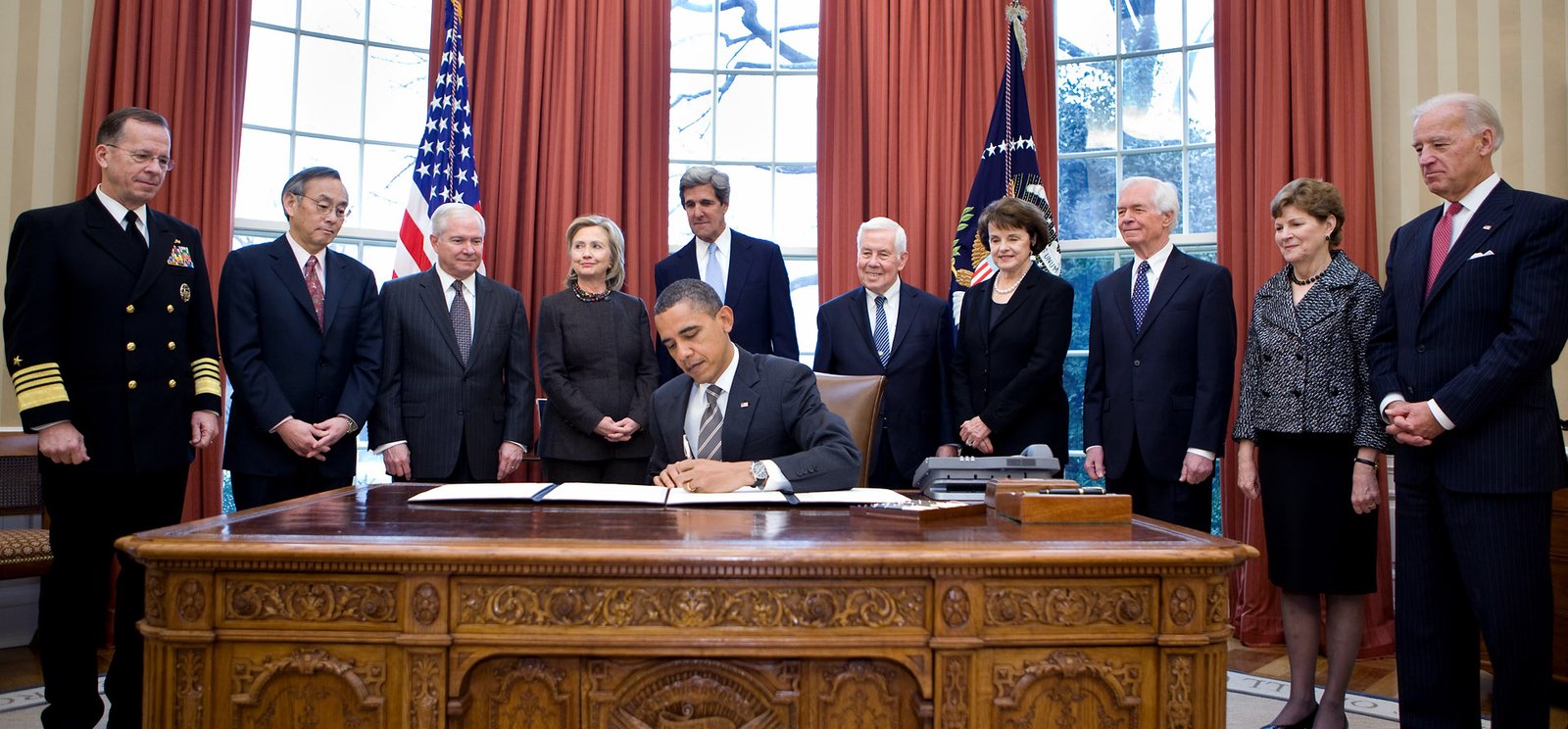
- Commit to Publicly Releasing Presidential Guidance on Strikes: By 2017, the Trump administration replaced the Presidential Policy Guidance issued by the Obama administration – and eventually publicly released – with its own guidelines. Yet those new guidelines have not been released publicly. The Trump administration should release its guidelines and any challenger for the presidency should commit to releasing the guidelines operating when they take office and any changes or new versions of the guidelines that they make.
- Re-Institute the Annual Review of Civilian Casualties in All Strikes: The Trump administration ended a requirement (manifested in an Obama executive order) to provide a public accounting of civilian casualties in all strikes – covert and overt – annually. Congressional statute currently requires reporting of casualties in overt strikes but not covert ones. The reporting not only provided important information to the public and others tracking America’s wars, but provided an important opportunity for inter-agency coordination and information sharing. Re-establishing this policy – preferably in statutory form – is especially important as there are real questions about whether the United States is increasingly returning to covert strikes.
- Provide Detailed Press Releases After Every Strike. Currently CENTCOM does not release casualty assessments for each strike in Yemen. The United States should return to providing casualty assessments and as much detail as can be revealed without significant operational security concerns. The lack of governmental reporting on death tolls in American strikes in Yemen has made it next to impossible to get a good handle on the number of casualties. In the current environment of civil war, the United States government has become the primary provider of such information. The United States should aim to make that information flow as complete and accurate as possible. That other combatant commands like AFRICOM do provide such information challenges generalized claims that releasing assessments would pose operational security issues.
These four proposals provide a set of policies for candidates – or the sitting president – that could be embraced to provide more accountability and justice in America’s counterterrorism wars. Candidates must go beyond these policies to address their reasoning regarding the justifiability and strategic wisdom of these wars, and in particular voice their views on the unprecedented escalation of strikes in Somalia over the past few years. But these policies provide a baseline for what a candidate seeking to bring accountability to and eventually end the forever wars should commit to, and reporters covering America’s ongoing wars and the election should ask every candidate for the presidency where they stand on these specific policies.