Equity and Racial Justice: Where Do They Fit in a National Security Strategy?
Table of Contents
- Introduction by Heather Hurlburt and Shalonda Spencer
- Decolonizing U.S. Aid and Foreign Policy by Elana Aquino and Shannon Paige
- U.S. Support for a Post-pandemic Recovery Must Prioritize Energy Equity by Sundaa Bridgett-Jones
- Global Health is a Security Issue by Mari Faines
- Antiracism as Foreign Policy: Exporting Diversity as an American Value by Nola Haynes
- Is there Room for “Bread, Dignity, and Freedom” in U.S. Foreign Policy towards the Arab World? by Amaney Jamal
- Racism & Ontological Security in America by Theodore R. Johnson
- Reimagining U.S. Foreign Policy as an Anti-racist Endeavor by Sneha Nair
- Fulfilling U.S. Human Rights Commitments as a First Step in an Anti-racist National Security Agenda by Pratima T. Narayan
Abstract
New America's New Models of Policy Change Initiative and Women of Color Advancing Peace, Security, and Conflict Transformation (WCAPS) are proud to present a set of eight essays exploring what a U.S. national security strategy focused on racial equity and justice could look like at home and abroad.
Downloads
Introduction by Heather Hurlburt and Shalonda Spencer
Introduction
By Heather Hurlburt and Shalonda Spencer
New America's New Models of Policy Change Initiative and Women of Color Advancing Peace, Security, and Conflict Transformation (WCAPS) are proud to present a set of eight essays exploring what a U.S. national security strategy focused on racial equity and justice could look like at home and abroad.
The authors bring decades of expertise in the U.S. government and military, NGOs, and international organizations, pursuing security, peace-building, development, and equity agendas. They represent, as well, a profound diversity of experience as Americans and as international affairs practitioners, social justice advocates, and executives who devote their lives to this work.
We hope these writings amplify a renewed movement for racial justice at home and abroad and intensify scrutiny of whether U.S. policies align with our stated national values. They aim to redefine national security from a new starting place—understanding that racial equity is about seeing people as human beings who deserve fair treatment in society. The authors unveil how we define ourselves in daily domestic life, interact with the United Nations, and handle planet-wide challenges like climate change and human rights. Their solutions are ambitious and creative—but they are well-grounded and well within reach if we choose to reach for them.
Decolonizing U.S. Aid and Foreign Policy by Elana Aquino and Shannon Paige
Decolonizing U.S. Aid and Foreign Policy
By Elana Aquino and Shannon Paige
On April 4, a Black man was needlessly killed; an event that has repeated itself throughout history across the globe. Black and Brown people, the targets of normalized collective aggression, are seen as what is wrong with society and the world, rather than what is intrinsically good and worthy of value. In this case, the Black man was Martin Luther King Jr., and the year was 1968.
We pigeonhole King today as a champion of racial justice inside of our country. But he offered visionary ideas about what exactly constitutes security within and between countries. His ideas, part of a global stream that includes Mahatma Gandhi and Desmond Tutu, centered on equity and racial justice, and developed what he termed “positive peace”—peace that is grounded in justice, which necessitates a focus on local peacebuilders and the communities they serve. In 1967, King saw that “racism, materialism, and militarism” ruled the day in terms of foreign (and domestic) policy. Positive peace links security and justice of all kinds, including racial. Fifty-five years later, the idea still challenges us: Have we moved the needle? Is U.S. foreign policy a relic of colonial times? Could it be reconceived as a vehicle for peace, equity, and human agency, both within and outside our borders?
Positive peace recognizes that the agency of local actors is vital for achieving outcomes that are just and sustainable. Such a re-think of U.S. security calls for renovated approaches and courageous funding that features greater flexibility and autonomy for local implementers.
Instead, however, U.S. foreign policy is characterized by the othering of non-American populations, especially non-white ones, and a belief that U.S. global leadership is both necessary and globally beneficial. U.S. strategy continues to center a militaristic approach above all else. Reporting, for example, about China, Russia, and Iran—and, by extension Chinese, Russian, and Iranian people—continues to be dehumanizing and uncomfortably reminiscent of colonial-era language, featuring them most often as threats to American security. U.S. strategy remains rooted in White supremacist notions that demonize non-white governments and insist that only through force will our own population be secure.
Despite our outsized spending, it is doubtful whether a strategy rooted in those ideals is making Americans safer. According to a report by the Cato Institute, the total number of terror attacks globally at the start of the War on Terror was 1,880. By 2015, the number reached over 14,800. Conversely, in 2020, the level of global peacefulness declined. This is the ninth overall global deterioration in peacefulness in the last 12 years.
We have focused on extinguishing the threat posed by “the other,” but have failed to accomplish peace. Our current foreign policy strategy is not making us safer, and our government is increasingly aware of that. Deputy Secretary of Defense Kathleen Hicks has said that “a budget is about priorities, and we continue to overinvest in defense.” For foreign policy to accomplish its aims of keeping the U.S. population safe, it should begin to reframe its global peace efforts as an integral pillar in security strategy.
As we invite an expansion of our conceptualization of security to include peacebuilding, we have to consider how to ensure we are working towards a positive peace. Current practices position U.S. peacebuilders as leads, relegating the local communities they serve to the sidelines, or the recipients of services. Peace Direct’s research has long shown that peace-building efforts that are led by local communities have more buy-in, are more sustainable, and most importantly, are most impactful.
So, where does decolonization come in?
Decolonization refers to deconstructing and dismantling neo-colonial ideologies regarding the superiority of Western approaches and working toward a redistribution of power that was accrued because of colonialism. Decolonization centers local inclusion. It asks us to be less risk-averse and more pro-community in our on-the-ground foreign engagement and less militaristic in our foreign policy. As a country that holds a significant amount of power, it is our responsibility to recognize the regions that have been destabilized by our past efforts to promote our own political and financial interests. To rectify the incredible disparity between certain countries, and especially the unequal global-local power dynamics, the United States will have to change its approach to peace to one that engages at a community-level in a meaningful way.
What would it look like to decolonize aid? We should start by centering the inclusion of local communities in peace-building efforts, in addition to having a less militaristic foreign policy.
Poverty, hunger, and conflict cannot truly be addressed through a military-first foreign policy. We know that locally-led peacebuilding is the most reliable way to ensure peace is sustained beyond peace agreements. In a forthcoming report on closing civic spaces, Peace Direct and the Alliance for Peacebuilding show that locally-led peace-building efforts are seen as relevant by local stakeholders, allowing for higher levels of buy-in and support. In a truly decolonized U.S. approach to the world, support for local peacebuilders would be the first, and best-funded tool policymakers reached for.
U.S. policy has already taken a few tentative steps towards this approach. Legislation like the 2019 Global Fragility Act supports efforts to move towards a preventative approach to violence, atrocities, and genocide. USAID Administrator Samantha Power recently committed to delivering 25 percent of USAID’s funding through local partners in the next four years. USAID’s funding pledge acknowledges the current exclusion of non-elite, typically non-white local populations.
Still, there’s much more to be done. The United States could create more opportunities for diplomats, such as Foreign Service Officers abroad, to engage directly with local community members and leaders. Funding more locally-led peace initiatives with flexible funding over longer periods of time could create opportunities for sustained relationship-building. The United States. also holds a great deal of sway in determining who is and is not present at peace negotiations in many places around the world. We, therefore, have an opportunity to insist on the meaningful inclusion of women, youth, and people of other marginalized identity groups in formal peace processes from the very beginning. Peace-building efforts are also woefully underfunded: the creation of a peacebuilding fund would support these efforts by transferring a portion of the resources allocated to the Department of Defense to USAID and the State Department.
Desmond Tutu warned that “if… leaders fail to reach out to each other and restore peace, if they fail to comprehend that our shared humanity is our greatest gift, they will forever bear the burden of this growing human disaster.” The United States spends trillions of dollars on the military-industrial complex, yet peace could be possible for pennies on the dollar. We must take a hard look at what continues to make war so attractive to those in power and incentivize peace.
U.S. Support for a Post-pandemic Recovery Must Prioritize Energy Equity by Sundaa Bridgett-Jones
U.S. Support for a Post-pandemic Recovery Must Prioritize Energy Equity
By Sundaa Bridgett-Jones
In January, journalist Jill Filipovic published a deep look at how COVID-19 has affected the lives of adolescent girls in Kenya. For them, the past couple of years have been filled not only with worries about a virus that has killed millions, but also with unwanted marriages, unintended pregnancies, and unexpected setbacks to their education and careers. While Filipovic writes about just a few young women—the “lost girls of COVID”—similar experiences have played out across the developing world, where many fell behind these last two years, but women and girls fell first and furthest.
In a piece of important observations, one in particular stood out. When describing remote learning for Kenyan students, Filipovic pointed to a study that found fewer than half of the adolescents’ homes (and for a while, their remote classrooms) had consistent electricity. This is hardly a new or isolated phenomenon. More than half of those without sufficient power today are children under 18, undermining their opportunities to read, study, or stay safe after sunset. In a quarter of the subnational regions covered by the global Multidimensional Poverty Index, electricity as a basic commodity is absent for two-thirds or more of the population.
Several things would have to happen for those girls in Kenya and others around the world to regain the ground they’ve lost. They need renewed and improved access to health care, child care, education, and work opportunities. But even if a post-pandemic recovery makes that possible, where will they be if the lights go out when they’re visiting the doctor’s office, starting a new business project, finishing a homework assignment, or walking alone after dark? Moreover, where will they be if the other crisis facing the planet—climate change—continues unabated? How will they recover if a drought makes food and water scarce, or a flood destroys their home?
Any recovery from COVID-19 must address the energy poverty of the “lost girls” of Kenya and billions of other people around the world and do so in a way that avoids contributing to the climate crisis. Until recently, the prevailing wisdom was that humanity could boost development by creating jobs at a massive scale, affordably empower those who lack access to electricity, and cut emissions enough to avert the climate crisis—but not do all three at the same time. That is no longer the case. Today, technological advances allow us to avoid carbon emissions in a way that can empower communities and create jobs.
Any recovery from COVID-19 must address the energy poverty of the “lost girls” of Kenya and billions of other people around the world and do so in a way that avoids contributing to the climate crisis.
Traditionally, world leaders have focused on cutting emissions in large, developed countries. Too little attention has been paid to energy-poor countries, home to half the world’s population but far fewer investments in renewable energy technologies. Eager to develop, these countries are working to support their growing populations with the energy access and economic opportunities they deserve. Unfortunately, these countries could account for up to 75 percent of global emissions by 2050 if we do not act swiftly and aggressively to ensure a green trajectory for their growth.
The only way to stimulate a just economic recovery and stop the trajectory of the climate crisis is to promote green energy transitions in these low- and middle-income countries. Humanity can take the steps to make these transitions a reality if we build dynamic partnerships with bold leadership and high ambitions. No single institution can do it alone. Public-private partnerships, like Gavi and PEPFAR in the public health space, have demonstrated a special ability to meet global challenges and correct market failures.
That’s why The Rockefeller Foundation, IKEA Foundation, and Bezos Earth Fund launched the Global Energy Alliance for People and Planet last fall at the UN Climate Change Conference in Glasgow, Scotland. Alongside a dozen public and private partners—including national governments, development finance institutions, and delivery providers from around the world—the alliance aims to catalyze our initial $10 billion investment to $100 billion over the next decade. We will marshal the big investments, technical support, and regulatory changes needed to scale up the latest technological advances in energy-poor countries across Asia, sub-Saharan Africa, and Latin America.
Our goals are ambitious: we aim to extend clean, productive-use energy to one billion underserved people, create or support hundreds of millions of green jobs, and avoid and avert over four billion tons of emissions. We will meet these goals by building a pipeline of transformational projects that support the decommissioning and repurposing of fossil fuel plants, utility-wide adoption of renewable energy, and reliable, productive-use power for off-grid and underserved communities.
There is a strong track record of success for projects like these, and the alliance is ready to get to work. In the Democratic Republic of Congo, where 50 million people live more than 15 kilometers away from the grid, the alliance will develop and finance renewable metro grids in 25 cities. This will improve energy access for 4 million people and 30,000 businesses and avoid 4.6 million metric tons of emissions. In India, the alliance will continue efforts to deploy 10,000 renewable power mini-grids by 2027, enabling over 100,000 local enterprises to boost productivity and create new jobs, while avoiding one million tons of CO2 emissions and 57 million liters of diesel each year.
Our work in India is already making an impact. In a remote village in the state of Bihar, a solar mini-grid empowered Ruby Kumari, a widowed mother of two, to walk the streets more safely at night, connect with the world through a new Twitter account, and turn her expertise as a seamstress into a viable business: a sewing school. It even helped her pivot to a new source of income—making face masks—when COVID-19 shuttered her school.
U.S. foreign policy centered around equity would prioritize women like Ruby, the “lost girls” of Kenya, and the estimated 1.5 billion people in energy-poor countries who have unreliable or unstable energy access. A person without electricity is powerless in the modern economy. By giving countries technical and financial support to build green economies with energy access and genuine opportunities for all, the United States can help contribute to a more stable, sustainable future.
An equity-centered foreign policy would also look beyond incremental changes. Too often, institutions and organizations are designed to help alleviate suffering on the margins, not to fundamentally transform systems, solve problems, and lift up lives. We need to reorient our sights to a higher goal. Given the twin challenges we face in COVID-19 and climate change, we cannot confine ourselves to small gains that feel good, but that ultimately perpetuate problems. With bold, ambitious partnerships like the Global Energy Alliance for People and Planet, we can meet those challenges—empowering billions of people, supporting hundreds of millions of jobs, decarbonizing entire economies, and altering the trajectory of climate change.
Sundaa Bridgett-Jones is the chief partnerships and advocacy officer for the Global Energy Alliance for People and Planet.
Global Health is a Security Issue by Mari Faines
Global Health is a Security Issue
By Mari Faines
As we enter the third year of a global pandemic, we are also two years removed from the Black Lives Matter “Summer of Protest,” a global uprising about racial equity not only in the United States but across the globe. In the wake of these events, the foreign policy and national security community was forced to reckon with systemic failures and policy contributions that they have made to inequitable systems. In March 2021, President Biden released his Interim National Security Guidance, which, reflecting on the future of our nation, states, “We must prove that our model isn’t a relic of history; it’s the single best way to realize the promise of our future.” With plans like “Build Back Better,” Biden asserts there is good in our nation’s past, and further, hope for a brighter future.
Although the sentiment is admirable, the fact is that for many populations in this country, such a historic reflection does not provide a positive lens. For Black and Brown people across the United States, reminders of our nation’s past aren’t better days. Rather, they are the baseline for systems designed to disenfranchise our communities on a daily basis.
As advocates and policy professionals move to advance a more secure world, we must enhance our understanding of safety and security—not just by changing who is included in the conversation, but also by expanding the topics of conversation. As we look toward the future, we must commit to creating policies that are rooted in anti-racist practices. Reflecting on the current state of affairs, global health is one of the first places to start.
Why is this a Security Issue?
Traditionally when analyzing safety and security, it reflects “hard security” issues, but today, we must acknowledge the importance of “soft security,” especially global health. It is imperative to recognize that fighting infectious diseases and that creating a global standard for health care is a security issue. These are essential to our safety and establishing a more equitable and anti-racist society. While individuals who work in national security, defense, and foreign policy typically focus on military tactics, deterrence theories, or diplomacy, these are not the daily musings of the average citizen. The pandemic has exacerbated the ways in which these insecurities affect all people, but especially Black and Brown communities. For those individuals, the daily ailments that cause insecurity in their lives are often rooted in proximate threats evolving around personal issues, access to jobs, housing, education, and, most importantly, health.
While the pandemic has further exacerbated all proximate security issues, it has truly magnified health insecurities, particularly for Black and Brown communities. In the past few months, there have been clear racial divides around health issues created by the effects of media coverage and policy decisions. Whether acknowledging the misinformation spread about the origin of the Omicron variant of COVID-19 in sub-Saharan Africa, the inability of wealthy and powerful countries to work with the WTO to share vaccine patent waivers to protect predominantly Black and Brown countries from the pandemic, or continued domestic conversations around the impact of vaccination rates in Black and Brown communities on the nation’s ability stabilize this pandemic, there continues to be a disconnect between the people and the policy.
The Problem
For decades, the United States has created policies at federal, state, and even local levels that were unequal in terms of access and quality of care for all citizens. These policies have generated conditions leading to unequal access to education, jobs, housing, and economic opportunities, which has led to poor health outcomes for communities of color. Members of Black and Brown communities are more likely to die from treatable diseases directly linked to issues surrounding access to care, lack of nutrition, and a general lack of understanding of health literacy and health systems.
The pandemic has ravaged Black and Brown communities, and again it is due predominantly to systemic failings that have been in place for decades. Inequitable policies enacted upon Black and Brown communities produced higher poverty rates; people work in lower-paying industries, now considered essential work; and living conditions are extremely high-risk for myriad reasons, including to lack of access to food and higher rates of violence. The United States cannot continue to offer security guidance and consider itself at the forefront of global health strategy if it cannot commit to creating more equitable systems for all populations within its own country.
The Solution
Creating these equitable solutions starts by developing policy that is rooted in anti-racist principles. This is not generating policy with affected communities in mind; rather, it is actively producing policies that will benefit Black, Indigenous, and communities of color. Policymakers must move their conversations from the ivory towers of academia and the meeting rooms in D.C., and engage Black and Brown—especially low-income—communities who have been negatively impacted by these systems. Policy will have to include public and private partnerships rooted in trust and understanding.
In order to fix community relations, policymakers will also need to change health policy into something that acknowledges health care hesitancy in communities of color and outlines tangible ways to repair the historical effects of medical racism. There must be an implementation of healthcare literacy programs that teach communities in a way that is culturally relevant. Policymakers must work to remove barriers and allow for communities to have easier access to care. This includes transportation to hospitals as well as better integration of healthcare systems within the community. It also requires providing more equitable coverage, changing enrollment processes for patrons, limiting bureaucracy, and becoming more aggressive in creating diverse planning options for subsidies, deductibles, and overall coverage. These are the first steps in showing commitment to more equitable systems. Leading by example will help implement better domestic policy, leading to our further commitment to create better global health and security.
Conclusion
Antiracism as a security issue is about understanding what makes people feel secure. Most people are not made to feel more secure with a $700+ billion proposed military spending budget. Reallocating funds and committing to changing health policy and equity in their own communities does. There will always be a need for hard security, but it is the ability to change people’s access to daily, quality care that will impact their potential to live full lives. People will feel safe and secure when you take away the insecurity of not knowing where to get their care.
There is no question that, for decades, Black and Brown communities have been devoid of adequate security and care. Now is the opportunity to change that. Moving forward, the United States must invest in creating healthier communities that will provide more safe and secure spaces. Those in power must upend inequitable policies that have killed communities and start prioritizing people over profit. The work has started by opening the conversation, but it is time to go further. For the United States to truly be a leader on the world stage through actions like pushing our allies to support global health and safety work—including sharing vaccine patents and creating a standard for care—It must invest in creating anti-racist policies that uplift the most disenfranchised pockets of our communities at home. Only then can we achieve the change that we want to see reflected across the globe.
Antiracism as Foreign Policy: Exporting Diversity as an American Value by Nola Haynes
Antiracism as Foreign Policy: Exporting Diversity as an American Value
By Nola Haynes
American foreign policy is predicated on securing and expanding U.S. interests. The goals of securing and expanding are projected through the value system codified in the National Security Act of 1947 (NSA). The grand vision of protecting American values, both domestic and abroad, underwrites foreign policy decision-making. Considering the NSA reflects American values and its commitment to democracy, in an updated NSA, there is an opportunity to explicitly value and protect diversity as it is one of the country’s strongest assets.
One suggestion is to apply the lens of diversity, equity, inclusiveness, and accessibility (DEIA) to the definition of American values. In this way, DEIA is more than a catchphrase for increasing diversity in workspaces and in higher education; it becomes part of U.S. national security ethos that is then baked into foreign policy decision-making. The 2017 and 2020 Trump administration travel bans illustrate how legal instruments such as the Immigration Nationality Act (INA) are vulnerable to the vagueness of determining what American values are and who gets to decide them.
The Immigration and Naturalization Act of 1965 was amended to jettison the quota system established by the Immigration Act of 1924. Also known as the Johnson-Reed Act, this legislation went a step further than creating immigration quotas. It prevented people from all Asian countries and countries along the Western Hemisphere from entering the United States In 1952, the Immigration and Nationality Act altered the quota system, allowing non-citizen husbands of American citizens to enter (women were already exempt), and it lifted the prohibition against people from Asian countries. However, people from countries along the Western hemisphere, such as Latin America and African countries, were still excluded. The 1965 amendment added provisions that stated, “no person shall receive any preference or priority or be discriminated against in the issuance of an immigrant visa because of his race, sex, nationality, place of birth or place of residence.”
The 1965 act decreased the barrier to entry in some ways. It also challenged U.S. domestic and foreign policy propped up by Jim Crow-era laws. However, lurking inside the act was § 212 (f), a provision that relies on presidential powers, suspending entry to “aliens as immigrants or nonimmigrants” as the president sees fit. In 2017, the Trump administration applied § 212 (f). Because the provision says, “the President must make a ‘finding’ that the entry of the noncitizen is detrimental to the interests of the United States,”1 the administration used terrorism as the finding.
In post-9/11 America, the word “terrorism,” once invoked, triggers a response in the national memory. In 2017 the Trump administration enacted its first national security policy, the travel ban, via Executive Order 13769, banning people from mostly Muslim-majority countries from entering the United States. The ban was updated in 2020, which included banning people from mostly African countries.
It is the reality of using national security concerns, such as terrorism, that projects a foreign policy that is unwelcoming to Muslim religious groups, Middle Easterners, and Africans. As an aside, the travel bans argued by some national security legal scholars had the potential to erase strict scrutiny, a constitutional protection prohibiting discrimination. The travel bans also impacted translators working inside countries named in the travel ban. This was a real security consequence for foreign service officers and military personnel.
To illustrate how identity-bias factored into the travel bans, below is population data of countries listed on both 2017 and 2020 travel bans. This list shows how many people were impacted by the bans, in millions.
2017
Somalia: 15.9
Venezuela: 28.4
Iran: 17.5
Syrian Arab Republic: 17.5
Libya: 6.9
Sudan: 43.8
Yemen: 29.8
TOTAL: 159.8
2020
Ghana; 31.1
Kenya: 53.8
Kyrgyzstan: 6.5
Myanmar: 54.4
United Republic of Tanzania: 59.7
Eritrea: 3.5
Nigeria: 206.1
TOTAL: 415.1
2017 + 2020 = 574.9 million
So, how can we reimagine a foreign policy that includes antiracism as a guiding principle? Antiracism is a multi-modal concept that explains how racism is expressed systemically, buoyed by biased thinking, which is propped up by an ideology of supremacy. The travel bans illustrate how racial and ethnic racism, xenophobia, and Islamophobia can be expressed systemically through foreign policy that invokes national security claims of protecting against terrorism.
One way to bake antiracism into foreign policy decisions is by updating the vision and philosophy of the National Security Act of 1947. This is not unheard of, considering many incoming administrations present a National Security Strategy plan that addresses updated threats. American political, social, and economic policy in 1947 was premised on a value system that excluded people of color and non-Protestant groups. These groups did not have full access to democracy, multiple groups were disenfranchised, and segregation was codified in the Constitution via Plessey v. Ferguson (1896). An updated NSA must include a vision of diversity, equity, inclusion, and access so that these values are not easily erased based on the whims and ideology of a given administration.
As seen with the January 6, 2021 insurrection at the U.S. Capitol, which was motivated by a philosophy of supremacy elevated to a national security threat because democracy was violently and publicly imperiled. Therefore, since domestic national security impacts the effectiveness and credibility of exporting democracy to the world, envisioning an anti-racist foreign policy starts with clarifying what American values are, what we hold sacred, and what we are willing to fight for. This kind of clarification will help create ethical and good-faith policy while setting an example for the global community, restoring trust in the United States as peace brokers, and repairing its. reputation as stewards of diversity.
Citations
- Ordorica, D. (2019). Presidential Power and American Fear: A History of INA 212 (F). BUL Rev., 99, 1839 pg. 1.
Is there Room for “Bread, Dignity, and Freedom” in U.S. Foreign Policy towards the Arab World? by Amaney Jamal
Is there Room for “Bread, Dignity, and Freedom” in U.S. Foreign Policy towards the Arab World?
By Amaney Jamal
Over the last several decades, the Arab world’s strategic utility to the U.S. remains a key pillar of U.S. foreign policy. U.S. policy toward the Arab region has been guided by a set of geostrategic priorities that have privileged authoritarian regimes over Arab citizen aspirations for democracy and economic dignity. Unfortunately, the normalized justifications for these policies continue to reinforce existing essentialist, orientalist, and racialized depictions of Arabs and Muslims as extremists and lacking the civilized norms that purportedly emerged only in Western civilizations. Keeping volatile Arabs under lock and key ensures long-term regional stability.
Indeed, the U.S. security prerogative as it pertains to the Arab world is one that seeks to maintain regional stability, ensure Islamists do not seize power and terrorism does not spiral out of control, secure oil fields (and the supply of oil to global markets), and protect close allies like Saudi Arabia, Israel and Egypt. Thus, U.S. ties to existing Arab regimes, first and foremost, guarantee the strategic priority linked to regional stability.
In 2011, citizens across Arab states took to the streets to demand more representative governments, social justice, and economic reforms. Demands for “bread, dignity, and freedom” were heard across cities in the region, eventually labeled as the “Arab Spring.” In Egypt and Tunisia, protest movements toppled dictators who had ruled for decades; authoritarian regimes elsewhere in the region were rattled as never before. The Arab Spring captured imaginations around the world and challenged long-held assumptions about the region’s political culture.
A little over a decade after the initial uprisings, however, democratic aspirations are withering away. Not only have authoritarian leaders further consolidated their rule, but even more important, Arab attitudes toward democracy and political rights have negatively shifted. At the time of the Arab Spring, most citizens across the region believed that democracy was the best political system, according to the Arab Barometer survey, a central resource for public opinion research of Arab citizens. This decline in support for democracy did not result from a shift in democratic political orientations, but rather dire economic circumstances have deflated citizen support for democracy.
Tunisia offers perhaps the most illustrative example of how persistent economic hardship has deflated support for democracy. During the past decade, the country had often been held up as democracy’s greatest hope in the Arab region. Analysts suggested that — of all the countries in the region — Tunisia had the best basis for success: It possesses an ethnically homogenous, relatively well-educated population, a relatively large middle class, and its armed forces were relatively apolitical.
Yet, Tunisia’s democratic transition failed to bring tangible economic gains and solutions to its people. Today, the country’s economy is in worse condition than it was before the Arab Spring; in 2011, per capita income in Tunisia stood at $4,265; by 2020, it had fallen to $3,320. Unsurprisingly, people’s economic frustrations have grown. Only a few months after the departure of former President Ben Ali, 27% of Tunisians surveyed by the Arab Barometer believed their economy was in good or very good shape; in 2018-19, that figure fell to just 7%.
Citizens in Tunisia blame “democracy” for this dismal condition. In 2011, when asked if democratic regimes are indecisive and full of problems, only 19% of Tunisians agreed; by 2018, that figure was 51%. In 2011, 17% of Tunisian respondents agreed with the statement, “In democratic systems, economic performance is weak.” By 2018, that proportion had more than doubled, to 39%. This trend was especially pronounced among Tunisians between ages 18 and 29, many of whom came of age during the democratic transition. In 2011, just 21% associated democracy with weak economic performance; by 2018, that figure was 43%. It is not hard to see why: According to Tunisian economist Mongi Boughzala, “The share of [Tunisian] unemployed people who are younger than 35 years old is 85%. And the higher the level of education attainment, the higher the rate of unemployment: 40% of the unemployed have university degrees.”
As democratization and economic development continue on this sluggish path in the Arab world, many analysts and pundits will continue to suggest that Arab political culture continues to play a role in democracy’s retreat across the region. This view is faulty not only because it exonerates outside actors that bolster authoritarian rulers in the Arab region but also because it ignores the role of economic stagnation in turning many ordinary Arabs against democracy itself. The steep decline in interest and faith in democracy in recent years does not reflect a failure of Arab polities to grasp the value of liberty and democracy. It reflects, rather, the failure of international, regional, and local actors to solve the region’s deeply rooted economic problems. Arabs crave freedom and justice — but if democracy does not also deliver economic dignity, Arabs will question the suitability of democracy for their societies. Unfortunately, this paradox only reinforces the existing authoritarian status quo which continues to serve U.S. national security objectives.[1]
[1] See Jamal, Amaney and Michael Robbins. “How Democracy Faltered in the Middle East: Economic Despair and the Triumph of the China Model,” Foreign Affairs forthcoming.
Racism & Ontological Security in America by Theodore R. Johnson
Racism & Ontological Security in America
By Theodore R. Johnson
During the last two presidential elections in the United States, Russia employed focused influence operations to undermine our democracy. The general approach was quite straightforward: exacerbate existing animus between groups of Americans and exploit those anxieties so that election outcomes are called into question. Unsurprisingly, given our nation’s history, racial tensions featured prominently in Russia’s tactics, ranging from spreading disinformation on Black Lives Matter activism to amplifying white supremacist rhetoric in hopes of inciting violence.
Taking aim at our democracy, however, was not just an attempt to destabilize domestic politics; in fact, it wasn’t even the primary goal. The strategic objective was to deliver critical blows to America’s standing in the world. To put a finer point on it, race relations in the United States were weaponized to advertise democracy’s weaknesses and threaten our national interests. This episode in contemporary electoral politics reveals a longstanding truth: if America hopes to achieve its interests abroad, it must address the racism on its shores.
Closing the vulnerability that domestic race relations exposes requires a deeper engagement with the role ontological security plays in American foreign policy.
Political scientist Jennifer Mitzen, building on the work of sociologist Anthony Giddens, argues that in the same way an individual’s sense of agency is derived from security and stability in one’s identity, nation-states also seek this ontological security. They will go to great lengths—perhaps even engaging in activities that traditional assessments would deem unwise or irrational—to maintain national identity. Political scientist Brent Steele asserts that should a nation-state believe its identity has been radically unsettled, “such a disruption is just as important to states as threats to their physical security.” That is, a nation may go to war to protect its identity and place in the world, even if its physical and economic security are not similarly at risk.
To demonstrate ontological security threats and responses in action, consider the military conflict in Afghanistan, arguably our nation’s longest war. America’s great power identity is bound up in three primary elements it deems superior to other nations: its military, its economy, and its democracy. Seen through an ontological security lens , the September 11 terrorist attacks targeted the symbols of these units of power: the Pentagon, the World Trade Center, and either the U.S. Capitol or the White House (this third target failed when Flight 93 crashed in Pennsylvania because passengers fought for control of the plane). The principal reason the United States waged war in Afghanistan for two decades was because its national identity had been successfully struck and challenged in front of the watching world. Long after national security interests had been satisfied—the threat of physical attacks from Al-Qaeda were virtually eradicated in short order—we remained. The 20-year venture showcased the lengths to which the United States would go to reclaim its great power identity.
Within this frame, then, the stories a nation-state tells itself about itself become elemental to its security interests. Its public history and mythologies not only root the national identity, but they are the vehicles by which that identity is conveyed to its people and nations around the world.
For the United States, the defining story is clear: it is a nation-state created on the idea that we are created equal, that we have inherent rights the government is required to recognize, and that governing power is granted and constrained by us, the people. That is, we offer ourselves as evidence that a liberal democratic republic in a multiracial society cannot only be established and long endure, but that it can prosper and become a great power.
This characterization of the United States., of course, runs headlong into its actual history, replete with the enslavement and oppression of Black Americans, the dispossession of dozens of Native American nations, and the subjugation and disenfranchisement of women and immigrants from all corners of the world. To manage this quandary, America’s ontological security has integrated and foregrounded a story of progress, of employing democracy with a dogged insistence toward becoming a more perfect union that has confronted its shortcomings. Events contravening this conception can be interpreted as security threats. Our foreign policy must be attentive to the formation and maintenance of our national identity, and grapple with how it dictates who exactly it is crafted to benefit and to what end.
Now, through an exercise of soft power using traditional and social media, our democracy is the focus of an ontological security strike yet again, and race relations define the angle of attack. American foreign policy must account for the damage done to the country’s interests when racial tensions within its borders weaken its position abroad. A democratic society rife with racialized conflicts is more susceptible to electing leaders that feed disunity at home and diminish the nation-state’s stature internationally.
How is a racially and ethnically diverse world facing climate change, the reemergence of great power conflicts, global pandemics, cyberattacks, and the rise of authoritarianism to trust American leadership when our values are in question? Americans do not agree on whether or not structural racism exists. We watch xenophobia and hate crimes increase in response to a pandemic, and then we politicize public health responses. We permit our elected officials to entertain the idea that the participation of majority Black and Hispanic communities in elections leads to fraudulent outcomes. We excuse those who fuel a politics of white grievance in their quest to gain and hold onto influence and power. And we are so partisan and divided that half of the country views the other half as evil and an existential threat to the American way of life.
What about the brutal clashes between militarized police and Black Americans demanding racial justice following yet another public killing inspires faith in our systems of justice? What about the violent overrunning of the U.S. Capitol by a nearly all-white mob carrying Confederate battle flags and threatening to lynch members of Congress makes our systems of democracy appealing? How can we expect nations watching our disingenuous bickering and bitter conflicts to trust us?
These are the questions adversarial nations put to an anxious world. Indeed, there is more than a century of evidence that other nations have used information warfare to target America’s identity as a liberal democracy, seeking to create what international security scholar Derek Bolton calls ontological insecurity. Other nations’ foreign policy and national security strategies have often employed tactics to create instability in our national identity and narratives and inflame existing divisions among Americans. During World Wars I and II, the Korean War, and the Vietnam War, enemy forces often peppered segregated American troops with leaflets filled with racist caricatures and depicting racial violence back home. And in the early years of the Cold War, when the United States would trumpet the virtues of democracy, the Soviet Union would respond, “And you lynch Negroes.” More recently, after George Floyd’s murder in Minnesota, Russia leapt at the opportunity to call out hypocrisy in the United States, and Iran launched a video game where players have to save Floyd from racist American police.
Race relations in the United States—and, importantly, the persistence of structural racism in shaping life chances and socioeconomic outcomes—is not a thorn in the side of an otherwise functioning liberal democracy. Rather, race has a starring role in the American story, and thus, is central to the country’s ability to feel ontologically secure. A foreign policy that does not account for this reality and compel a reckoning with racism is one that is destined to fall short of meeting the interests that will secure liberal democracy for posterity.
Reimagining U.S. Foreign Policy as an Anti-racist Endeavor by Sneha Nair
Reimagining U.S. Foreign Policy as an Anti-racist Endeavor
By Sneha Nair
There is a healthy amount of irony to be appreciated when considering the application of antiracism in U.S. foreign policy. For all its achievements, the United States is a country wracked with racial tension, profiting from racist policies that exploit people and resources to the benefit of its own profit and power. That being said, the United States, with its increasingly diverse population and the pervasiveness of racist policies with racist outcomes, provides an excellent case study for envisioning an anti-racist policy overhaul.
Imagining anti-racist U.S. foreign policy in action starts with acknowledging the effects of systemic racism and white supremacy on policymaking and finding ways to prevent it from persisting. It also requires reconstructing national security in a way that truly encompasses all Americans. This requires dismantling an understanding of the American identity as white by default in order to rebuild it in the image of the myriad racial and ethnic identities that make up its population—and to ensure that foreign policy decisions to protect national security include protecting the diversity of the U.S. population. Antiracism also entails a foreign policy that treats racism and white supremacy as a vulnerability that can be exploited abroad and integrates antiracism into all national security structures.
Centering antiracism as a core principle of U.S. foreign policy would mean leaders, both in government and civil society, acknowledging both systemic racism and white supremacy as structural drivers of decision-making and policy outcomes. Recognizing the impacts of these policies alone, however, is not enough. An anti-racist foreign policy shifts the focus away from an idealized, white image of the United States, to a more realistic representation of the population, both in the interests it represents and the people making decisions.
Postcolonial foreign policy critics have consistently pointed out the whiteness of policymakers, and how the lack of diversity in decision-making can lead to racist policies and outcomes. Antiracism as a core principle of U.S. foreign policy only succeeds if the people creating policies and implementing them reflect the diversity of the country. Initiatives like career pipelines and efforts to reach out to racial and ethnic minorities and other underrepresented groups like the LGBTQ+ community, people with disabilities, and those from a broad range of socioeconomic backgrounds could help build a platform through which a wide range of perspectives and experiences could inform U.S. foreign policy.
The crux of anti-racist foreign policy is redefining national security. U.S. national security can be largely characterized as having an “us” vs. “them” mentality, centered on protecting an idealized, white image of the nation. Protecting whiteness and othering those who are not “American” enough, given their racial or ethnic background, ideals they espouse that are considered incompatible with “American values” is antithetical to an anti-racist foreign policy, and requires a reconceptualization of both national security as a concept and the idea of who those policies are meant to protect. Seeing structural racism and white supremacy as threats to national security and the American people—approximately 39.9 percent of which identify as racial and ethnic minorities—would more effectively protect all Americans.
This reconstituted threat framework would allow for a broader understanding of threats, both at home and abroad. One example of this is how foreign policy and national security policy approach terrorism. Counterterrorism activities largely center around the search for “anti-American sentiments.” Systemic integration of antiracism ideals into U.S. foreign policy would more effectively separate legitimate threats to the United States from critiques of government, white supremacy, or the structures that support it. In implementing anti-racist principles, not only will white supremacy be acknowledged as a threat to national security, but as a part of the national structure that has allowed for the development of racist policies and outcomes throughout U.S. history.
Incorporating antiracism into America’s understanding of threats also allows foreign policy decisions to address a broader range of threats against the full, diverse range of national interests. This means treating systemic racism and white supremacy as a threat from abroad and a vulnerability at home, rather than racist policies that position non-white racial and ethnic ties as threats. Foreign policy issues, like state-sponsored disinformation, have succeeded by exploiting racial tensions within the United States. Failing to address the effects of systemic racism and white supremacy is a security vulnerability, as demonstrated during the January 6 insurrection in 2021. These effects would be much more difficult to exploit if antiracism was at the core of U.S. foreign policy.
Anti-racist principles informing foreign policy would not eliminate threats to the United States., but it would ensure that efforts to secure the country and its interests were being directed at legitimate vectors of concern, rather than socially constructed differences.
While imagining an anti-racist U.S. foreign policy can feel like fantasy in an era of partisan gridlock, there is potential in the steps that have been taken by the Biden-Harris administration. The 2021 Interim National Security Strategic Guidance explicitly mentioned the threat of systemic racism to American democracy. White supremacy is already a foreign policy concern, with the State Department designating a white supremacist organization as a terror threat for the first time in Country Reports on Terrorism 2020.
The few steps taken to address the historic white supremacy in U.S. foreign policy are a long way from actually implementing antiracism and the systemic changes required to sustain it. Imagining the United States, a country with significant influence in the international arena, championing antiracism from within its foreign policy framework has global implications worth exploring, even if that possibility lies far into the future. But without broad rejection of the status quo and systemic racism, it is impossible to conceptualize U.S. foreign policy as an anti-racist endeavor. Reshaping U.S. foreign policy as something that protects and serves all citizens equitably is impossible without broad support and integration of anti-racist principles both in policy, and in society – and that is where real change needs to take root.
Fulfilling U.S. Human Rights Commitments as a First Step in an Anti-racist National Security Agenda by Pratima T. Narayan
Fulfilling U.S. Human Rights Commitments as a First Step in an Anti-racist National Security Agenda
By Pratima T. Narayan
White supremacy; systemic racism; unconscious bias; injustice; polarization; identity politics; domestic terrorism; racial reckoning; intersectionality; renewal; democracy: These words have dominated headlines for the past two years. As President Biden releases his National Security Strategy in the coming months, policymakers, diplomats, and military leaders will have to contend with the prospect that America’s credibility and moral standing on the world stage is at an all-time low.
U.S. foreign policy has always been hampered by its treatment of its Indigenous, Black, and Brown communities. Two years on, the COVID-19 pandemic has both exposed and exhausted the racialized hegemony and systemic inequities that have underpinned nation-states and global systems from their very inception. The killing of George Floyd and at least 181 other Black people as a result of over-policing and militarization within the year after his death have garnered America renewed reproach.
In spite of the momentum created by global protests against police brutality, 89 percent of people surveyed across 27 countries, including the United States, indicated these events increased racial, ethnic, or national origin-based differences or had no impact on opportunities for or access to housing, education, employment, and/or social services in their country. The January 6, 2021 attack on the U.S. Capitol and the prevailing threat of white supremacist extremism, combined with anti-Asian hate, economic decline, disinformation, and voter suppression, have continued to lay bare our domestic vulnerabilities.
“Build[ing] back better,” “battling for the soul” of the nation, and realizing “America’s founding promise” through a National Security Strategy will require moving beyond the buzzwords and rhetoric of the recent antiracism movement to drive systematic action focused on equality and dignity, rather than America’s dominance and cognitive dissonance. We must embrace our complicated pursuit of democracy with unprecedented truth, accountability, and transparency. This will entail acknowledging our privilege and America’s role in harming its own people of color even as it was threatening communities of color and reinforcing oppressive systems abroad. Two mutually reinforcing domestic and foreign policy priorities will ground such an anti-racist agenda.
I. National Action Plan against Racism
The United States must honor its existing legal obligations under the International Convention on the Elimination of All Forms of Racial Discrimination (ICERD). In its last concluding observations to the United States, issued in 2014, the United Nations Committee on the Elimination of Racial Discrimination (CERD) recommended that America adopt a national action plan to comprehensively promote racial equality in the public and private domains. It is encouraging that the United States has pursued action plans to eliminate racial and ethnic discrimination through bilateral agreements with countries such as Brazil and Colombia. The U.S. Congress and Helsinki Commission also adopted a joint declaration with the European Parliament to combat racism and systemic discrimination in September 2020. Still, a national action plan would provide greater opportunity for introspection and accountability by delineating a system of objectives and activities, ensuring adequate financial and human resources, and measuring progress in addressing racial inequity through time-specific goals and dedicated indicators.
ICERD also provides for affirmative steps to be taken to accelerate the achievement of racial or ethnic equality where specific groups have historically been discriminated against. Since all levels of government are required to comply with ICERD’s provisions, in developing indicators, the United States would have the opportunity to review and report on compliance at the state and local levels where human rights continue to be severely threatened, as opposed to simply reporting on federal policies as it has previously done in international forums.
A national action plan to promote racial equality would serve as an effective tool for reinforcing other regional and international commitments, while educating public officials and communities about their rights and emerging forms of discrimination. It can also foster coalitions between a range of stakeholders advocating for a comprehensive anti-racist agenda in government and civil society whose collective efforts will be necessary to remedy past injustice and advance sustainable reform.
II. Atrocity Prevention to Promote Peace and Security
In its 2005 Declaration on the Prevention of Genocide, CERD also flagged the close relationship between systemic discrimination based on race, color, descent, or national or ethnic origin and the commission of mass atrocities. The same year, along with the rest of the international community, the United States committed to the Responsibility to Protect (R2P), which embodies its obligation to protect populations within its borders from genocide, war crimes, and crimes against humanity, in addition to ethnic cleansing. The R2P also lays out the responsibility of the international community to assist the United States. and other states in protecting their populations and the responsibility of the international community when the United States or other states fail to protect their populations.
The Obama administration’s Presidential Study Directive on Mass Atrocities (PSD-10) elevated the prevention of mass atrocities and genocide to “a core national security interest” and moral imperative. The United States further established an Atrocity Prevention Board and enacted several pieces of legislation designed to enhance peace and security. However, America’s atrocity prevention frameworks have generally been applied to combat foreign threats to our national security, rather than domestic threats. This can be clearly seen in the fact that the Global Centre for the Responsibility to Protect issued an atrocity alert on the United States in June 2020 after the police, state militias, and the National Guard met peaceful Black Lives Matter protests with disproportionate force. Since then, the White House and the Office of the Director of National Intelligence have acknowledged that domestic violent extremists’ (DVE) motivations include biases against “minority” populations. Still, President Biden’s National Strategy for Countering Domestic Terrorism makes no mention of atrocity prevention to address DVE.
Consistent with the United State’s global commitment under R2P, the National Security Strategy should reprioritize the Atrocity Prevention Board and expand its mandate to assess threats posed by DVE. This would increase the range of resources available to combat systemic discrimination, offering greater protection for communities of color, including through gender-sensitive early warning systems. Since American interventions in non-white foreign countries can be influenced by racist viewpoints, it would also ensure greater consistency in how and when we intervene in conflicts abroad in the name of democracy and human rights.
Racial inequality and discrimination have become normalized and deeply woven into America’s social fabric. Recognizing the human rights commitments that America has already made in President Biden’s forthcoming National Security Strategy would be a first step in moving beyond another fleeting season of promises towards genuine, systemic change.
More About the Authors

Heather Hurlburt
Director, New Models of Policy Change

Shalonda Spencer
Executive Director, Women of Color Advancing Peace and Security

Sneha Nair
Research Associate, Nuclear Security Program, The Henry L. Stimson Center

Elana Aquino
US Executive Director, Peace Direct

Shannon Paige
Policy Associate, Peace Direct

Sundaa Bridgett-Jones
Chief Partnership and Advocacy Officer, The Global Energy Alliance for People and Planet

Mari Faines
Director of Communications and Outreach, Physicians for Social Responsibility

Nola Haynes
Director of the West Coast Chapter, Women of Color Advancing Peace and Security

Amaney Jamal
Dean, Princeton School of Public and International Affairs

Theodore Johnson
Senior Advisor, Executive Office

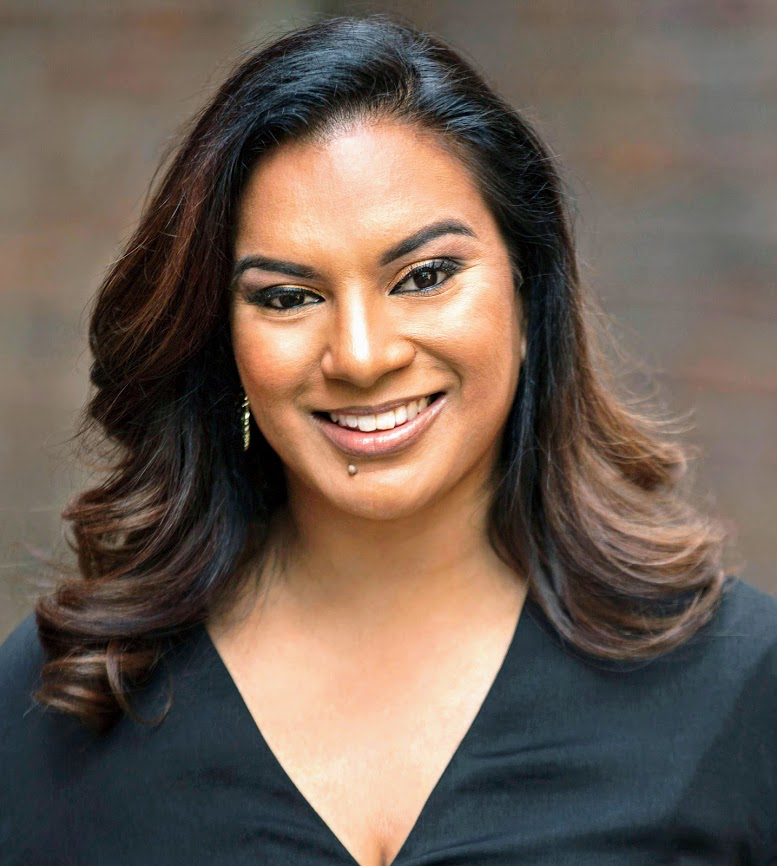
Pratima Narayan, Esq.
Pratima Narayan, Esq.
Deputy Director, Global Initiative for Justice, Truth and Reconciliation, International Coalition of Sites of Conscience