
COVID-19 Impact on Employer-provided Training
The Employer Training Survey was fielded during the unprecedented economic disruption caused by the coronavirus pandemic, during which the national unemployment rate reached nearly 15 percent and labor force participation plummeted. Alongside questions pertaining to employers’ training methods and motivations, some survey items sought to understand how the pandemic affected training programs, employee skill development, training modalities, and employers’ incentives to provide training. The pandemic’s effects on training programs varied for different types of employers and programs, as well as across states with different levels of stringency in their COVID-19 responses.1
Disruption of Training Programs and Skill Development
The ETS asked respondents to characterize the effect of the COVID-19 pandemic on their current and future business situation. About half of respondents reported strong or very strong current effects of COVID-19 on their businesses, and about a third expected further strong or very strong effects in the future. ETH Zürich’s analysis subsequently investigated how perceptions of COVID-19’s business impacts were correlated with training program disruption and employers’ perception of trainees’ skills gains.
Survey data were inconclusive as to whether pandemic conditions caused significant disruption to training programs overall. Reported disruptions to training by large employers were more common than for small businesses, and for programs that were demographically different from the rest of the company, but neither effect was found to be significant in ETH Zürich’s analysis. However, some employers and some types of programs did experience significantly greater training disruption due to the pandemic. Internships were significantly more disrupted by the pandemic than on-the-job training for regular employees, and private sector companies were significantly less affected than public sector organizations.
Analysis of survey data showed that the pandemic did significantly impact employers’ perceptions of practical skills attainment by trainees overall. As with program disruption, neither firm size nor trainee age group significantly affected trainees’ skill development during the pandemic, and skill development for private sector employees was also significantly less affected than for public sector employees. Participants in professional development programs and internships, both less structured training models, suffered significantly more severe effects on skills development than participants in on-the-job training programs.
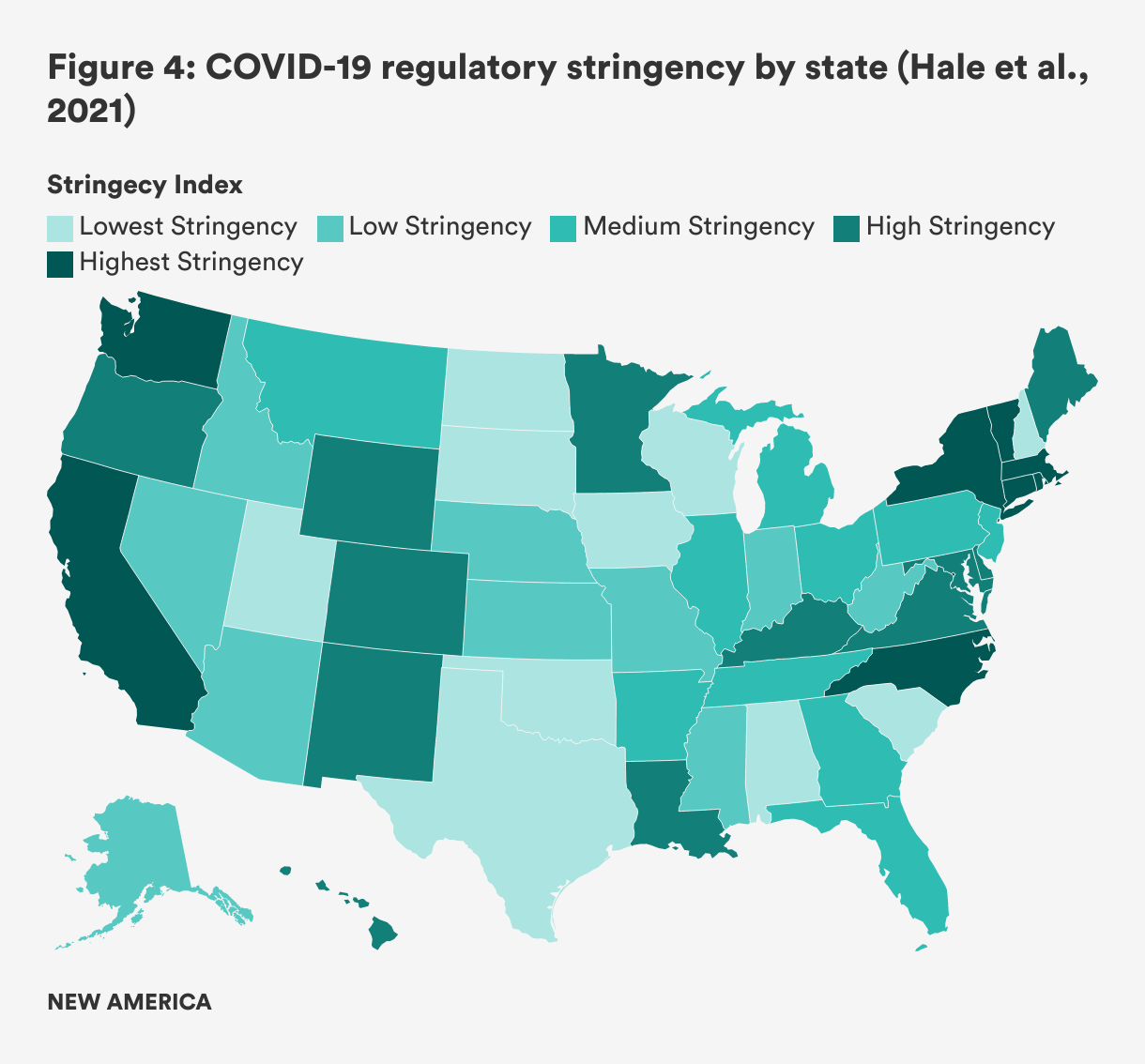
Current pandemic conditions and states’ regulatory stringency did not significantly affect program disruption, but survey data suggest that employers who anticipated future business effects from COVID-19 were significantly more likely to pause, cancel, or delay programs. Conversely, while expected future impacts of COVID-19 were not associated with significantly larger effects on employers’ appraisals of trainees’ skills, employers facing more severe current effects—whether in the form of stringent public health regulations or actual pandemic conditions—were significantly more likely to report negative skills effects. In short, employers worried about long-term pandemic effects appear more likely to adjust plans for training delivery, while those facing more disruptive present conditions were more likely to report immediate skills effects.
Changes in Training Modalities and Motivations for Training
The ETS also sought to understand pandemic-related changes in training delivery and in employers’ motivations for training.
The survey asked respondents about the types of learning and work activities trainees performed since the start of the pandemic, including normal on-site work, limited or “hybrid” on-site work, remote work, training “homework,” or no practical training. Most respondents reported that their trainees continued to perform normal, on-site work; the second most common option was limited on-site work. Fully remote work and training homework were both rare overall, although internships and professional development programs were significantly more likely to have shifted to a fully remote setting than on-the-job training, and significantly less likely to have continued as normal in person. Internship participants were the only type of trainee significantly more likely to have received no practical training during the pandemic. Nonprofits were significantly more likely to move trainees to remote work or training homework arrangements than public sector employers.
Separate survey items asked if the pandemic had affected the availability of skilled workers to meet respondents’ business needs, and whether a lack of qualified employees had affected business growth. Although 43 percent of respondents reported that skills problems had become worse during the pandemic, 50 percent saw no change in the availability of skilled workers. However, respondents in manufacturing and construction sectors, as well as those who employed fewer women as trainees, were significantly more likely to report worsening skills problems due to the pandemic. These findings mirror recent complaints from construction sector employers and industry associations about workforce shortages as building projects resume.2
As the full economic impact of the pandemic emerged, economists, workforce development practitioners, and education researchers feared that workforce education programs would grind to a halt, derailing the career aspirations of millions of Americans. Indeed, total fall enrollment at community colleges has declined nearly 14 percent since 2019.3
ETS data show important pandemic-related effects on employer-provided training, with 40 percent of companies reporting program cancellation or pauses. Providers of certain types of training, such as internships and professional development, were especially likely to adopt new delivery models and contend with some skills losses. Apprenticeships, which are typically longer, more rigorous, and more consistently defined than either internships or professional development, experienced shocks from the COVID-19 pandemic but were not significantly more affected than on-the-job training. With most employers still affirming that skills shortages affect their business prospects, it seems unlikely that the pandemic will lead to sustained disinvestment in employer-provided training.
Citations
- ETH Zürich’s analysis used a stringency index developed by researchers at Oxford University’s Blavatnik School of Government to explore training effects related to the stringency of states’ pandemic responses. Stringency refers to the strictness of lockdowns and other types of government pandemic responses. Laura Hallas, Thomas Hale, Ariq Hatibie, Saptarshi Majumdar, Monika Pyarali, Rachelle Koch, and Andrew Wood, Variation in U.S. States’ Responses to COVID-19 (Oxford, UK: Blavatnik School of Government, May 7, 2021), source. The data used to develop the stringency index can be downloaded from GitHub: source
- See Vanessa Yurkevich, “America desperately needs 1 million more construction workers,” CNN Business, July 11, 2021, source and Patrick Sisson, “One Solution to a Shortage of Skilled Workers? Diversify the Construction Industry,” New York Times DealBook Newsletter, September 25, 2021, source
- Current Term Enrollment Estimates: Spring 2021 (Herndon, VA: National Student Clearinghouse Research Center, January 13, 2022), 4, source