
Education and the Economy: State Strategies

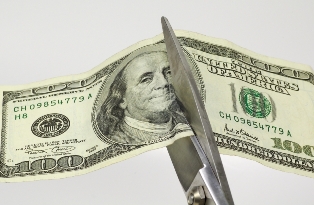 Things aren’t great in the economy right now. Federal, state, and local bodies are struggling to make ends meet.
Education has been particularly hurt by this economic triple threat. Federal funds account for roughly 9 percent of national education funding. Diminishing tax revenues and increased emergency spending will severely constrain future funding increases. Additionally, focus on healing the economy has distracted policymakers from improving federal streams to education through the reauthorization of No Child Left Behind (NCLB).
State dollars make up as much as 87 percent of education funding in some states and as little as 30 percent in others. In the face of budget crunches, states such as California, Massachusetts, and Arizona are cutting investments in education.
Districts and localities are feeling the squeeze too. As home values fall across the country, property tax revenues – often the primary source of local education funding – are dropping rapidly. With this dwindling foundation of funding, local officials are looking to cut or downsize ancillary programs or otherwise think creatively about how to maintain the integrity of their education budgets.
Ed Money Watch will be following responses to the economic crisis as they develop. We would like to use this post to examine how some states are responding to their 2008-09 budget woes and affecting education in the process.
California, the eighth largest economy in the world, is facing an $11.2 billion budget shortfall (out of $144 billion). As part of his $2 billion in cuts to education programs, Governor Schwarzenegger has proposed cutting millions of dollars from the state’s three higher education systems, pushing up the cost of tuition that students must bear. Such cuts will also limit the number of courses these public institutions are able to offer, the instructors they can employ, and the students they can admit. The rest of the cuts will come from the state’s massive PK-12 system forcing districts to further reduce transportation programs, release staff, and increase class sizes.
The state of New York is struggling with a $15 billion deficit (out of $81.6 billion) and education stands to absorb a fair amount of the burden. Stakeholders across the education arena are waiting for Governor Patterson to release his Executive Budget on December 16th. In the meantime, Patterson has asked the state’s employee unions to postpone scheduled salary increases to make room for spending in other areas. Union leaders hope that Patterson’s plan will focus on increasing revenue as well as limiting spending. They suggest a more aggressive progressive tax on New Yorkers to yield more than $1 million.
While California and New York’s deficits outweigh those of most other states, they are not the only ones using their education budget to offset financial troubles. States like Kentucky are cutting PK-12 education budgets across the board, cutting state funding to schools by as much as 4 percent. In these states, local administrators are struggling with the real possibility of losing much needed funding.
The Massachusetts legislature recently approved a $98 million cut in its $6.2 billion education budget. The majority of cuts came from the public higher education budget – $53 million. The Office of Elementary and Secondary Education lost $30 million in funding. But these cuts will not affect all districts in the state evenly because of the way the state allocates money to localities. Only districts that participate in programs targeted by the cuts will feel a real impact, sparing some smaller districts. The single largest cut from an individual program, $13.5 million, came from the budget for special education reimbursements.
In Arizona, state and local officials are afraid that all day kindergarten, a program initiated by out-going Governor Napolitano in 2005, will be the first program to disappear as the new governor struggles to balance the budget. While the program has shown promise and is popular with residents, it is unclear whether the new governor will prioritize the program as Napolitano did.
These budget cuts are just the tip of the iceberg for the economic crisis and its impact on education. We hope that the nation’s governors and state education agencies stay level headed with these cuts, make plans to compensate for today’s losses in the future, and don’t throw the education baby out with the financial bathwater.
Stay tuned next week as we explore what districts and localities are doing to make ends meet.
More About the Authors
Issues
Related

Representation Matters for Women of Color in Youth Apprenticeships

Meet the Commissioners

New America & ACCT Invite Community Colleges to Apply for Work-Based Learning Capacity-Building Cohort