The event will be streamed live here, where you can also RSVP.
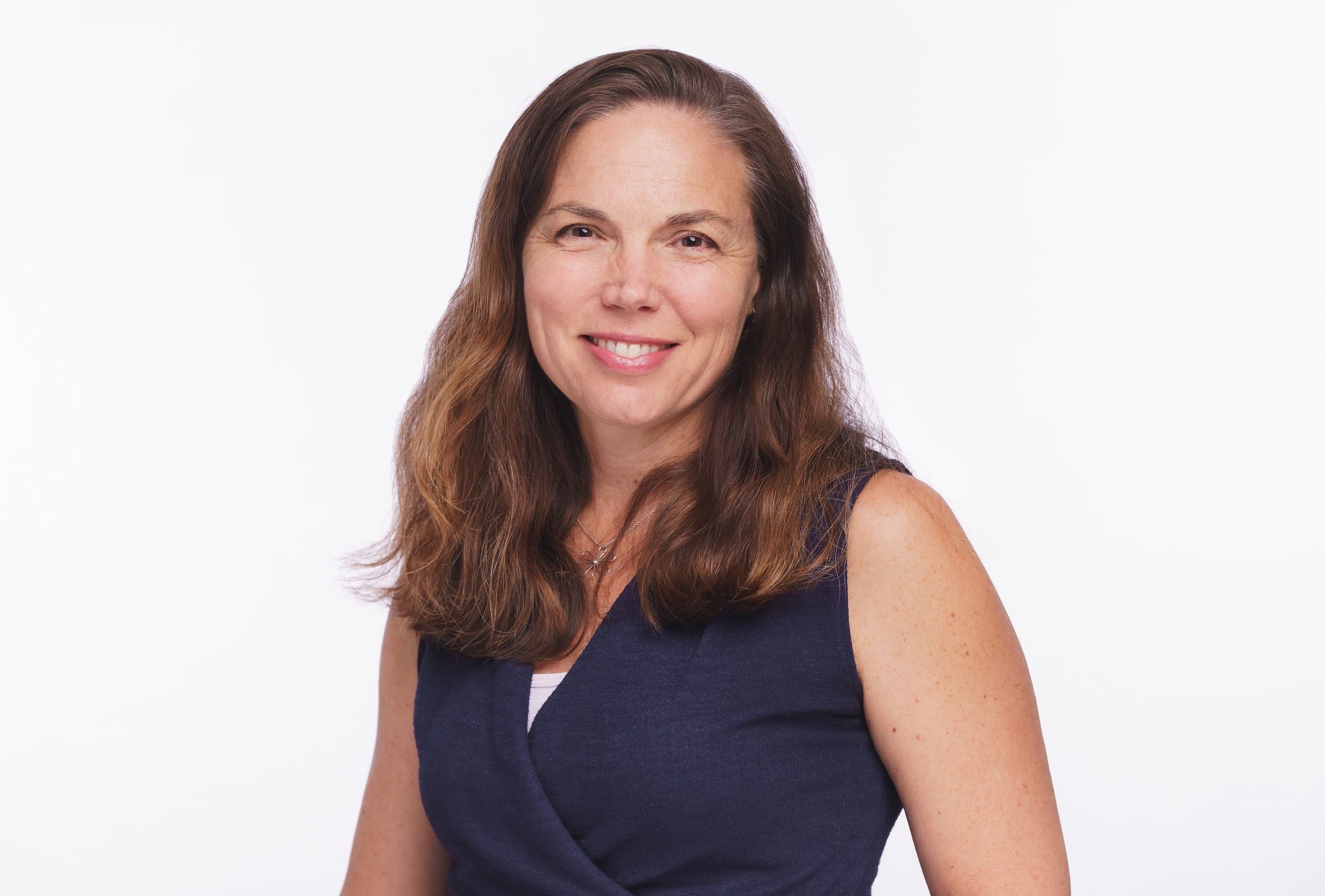
I’ll be moderating a discussion with Joel Levin, “The Minecraft Teacher” of Columbia Grammar and Preparatory School; Alice Wilder,
co-creator and head of research and education for “Super Why!” on PBS; and Annie Murphy Paul, an incoming fellow here at the New America Foundation who is writing a book,
Brilliant: The New Science of Smart. We will also hear a pre-recorded interview with Scott Traylor, founder of research and development company
360KID, and examine the research of Reed Stevens, co-lead of the
LIFE Center, a multi-institution Science of Learning Center funded by the National Science Foundation.
To seed the conversation,
Slate is running a series of articles this week on chidren, technology and learning. In one piece, I divulge
why I have a love-hate relationship with Minecraft, an online, multiplayer building-block game that has changed the dynamic of my household for better and worse. The game is becoming such a hit with kids (as well as teens and adults) that several teachers are experimenting with it in their classrooms. In the article I introduce “Minecraft Teacher” Levin, who has been using Minecraft as an educational tool since before it was officially launched last year and who was the subject of a recent video
case study produced by the Joan Ganz Cooney Center. Levin is co-owner of a company developing
MinecraftEDU.
Also on
Slate, Michael Levine, executive director of the
Cooney Center, and Alan Gershenfeld, founder and president of
E-Line Media, write about the
potential for more intergenerational play and learning via social media and games. Adam Sneed, researcher for Future Tense at New America, highlights some social robotics research from the Massachusetts Institute of Technology, Yale University and the University of Southern California that triggers questions about
whether robots might invade kindergarten. And Katherine Mangu-Ward, editor of
Reason magazine, reports on how KIPP Empower, a charter school in Los Angeles, uses
blended learning (computer time and face-to-face small group instruction) to keep teacher-child ratios low in the wake of budget cuts.
As we look for answers to the question of “how will schools change?” we should be also watching
Rocketship Education, a charter school company that has turned heads with its record of improved test scores, unorthodox (and cheaper) approach to teacher scheduling, and reliance on computer-lab work for two hours of the school day. Don’t miss Lyndsey Layton’s article in the
Washington Post last week, “
Is a Charter School Chain Called Rocketship Ready to Soar Across America?“
UPDATED 8/7/12: Added a description of Slate article on KIPP Empower.