Displaced in America: A Preview
Below is an updated version of an August 6, 2020 email.
Dear colleagues,
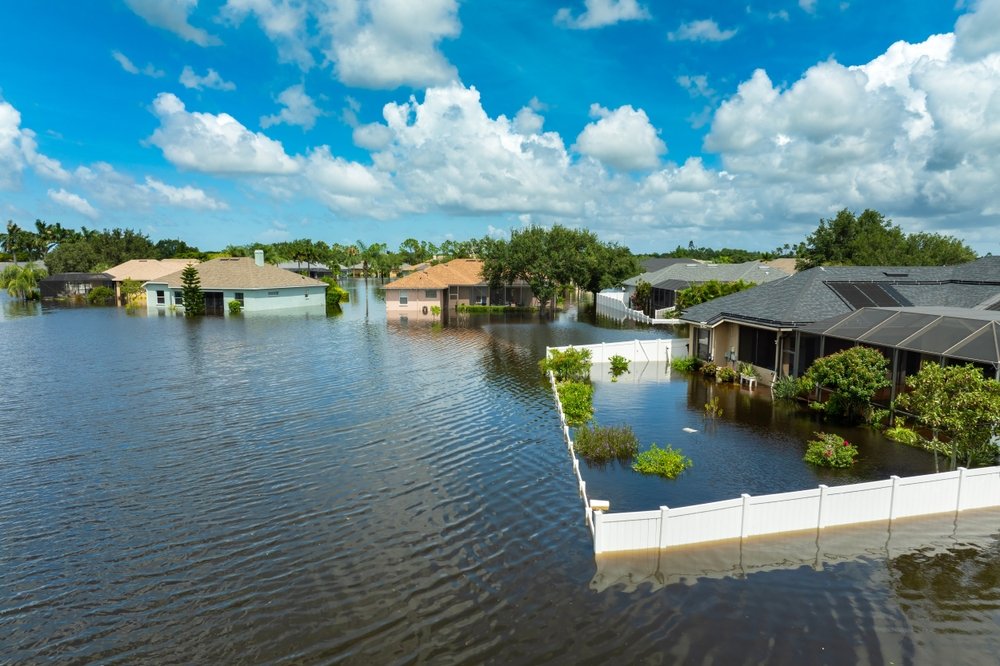
Every year, more than 5 million Americans lose their homes through evictions and foreclosures. As a result of the COVID-19 crisis, we anticipate that number to be magnitudes greater in the coming year, perhaps 20 or more.
These forced displacements are intensely traumatic—financially, physically, and emotionally. Children have to switch schools, parents lose their jobs, families’ possessions end up on the sidewalk, and suicide rates spike.
Yet even as our nation braces for a flood of housing loss, we know very little about these life-changing events. Why does housing loss occur? Who is most at risk? And where is forced displacement most acute?
Over the past year, the Future of Property Rights program and our research partners have embarked on an ambitious project to visualize the scale and breadth of housing instability and displacement across the United States, and to tell the stories of communities impacted by these losses. Our forthcoming Displaced in America report, to be released September 9, will reveal our findings.
In the meantime, we’d like to share a sneak peek of some of our research and storytelling. We hope that you will tune in to our virtual release events in mid-September to learn the full scope of what we found.
Displaced in America: A Preview
A National Housing Loss Index: By analyzing and aggregating data on the two most common forms of displacement—eviction and mortgage foreclosure—we have created a national Housing Loss Index that ranks more than 2,200 U.S. counties by their severity of housing loss. We won’t tell you which counties have the worst displacement problems, but here’s a hint: four of the five jurisdictions with the highest housing loss rates in the nation—in one case almost 10 times the national average—are within an 80 mile radius of one another.
Map: FPR at New America/DataCorps – Source: Eviction Lab/ATTOM
Census Tract-Level Heat Maps: Between 2014 and 2018, more than 100,000 people were evicted from their homes in Indianapolis. But in one Census tract—where household incomes are 20% above the county average—a stunning one in three renters were being evicted every year.
Map: FPR at New America/DataCorps – Source: Eviction Lab
Who is Losing Their Home? In Winston-Salem, Census tracts with predominantly Black residents had substantially higher rates of housing loss, and in particular foreclosures. Census tracts in which residents took public transportation to work or lacked health insurance also had substantially higher rates of both evictions and foreclosures.
Graph: FPR at New America/DataCorps – Source: MapForsyth/U.S. Census Bureau
When are People Losing Their Homes? All across the country, eviction rates peak in the summer. But in Dallas, Texas, eviction rates double between November and August.
Graph: FPR at New America – Source: Eviction Lab
Stories of the Communities Impacted by Housing Loss: Why are people vulnerable to losing their homes? Where do they go, after they are displaced? Take a first look at some stories from the field, with many more to come.
We hope these early findings have piqued your interest, and look forward to sharing the full report with you on September 9.
Subscribe to our mailing list to receive our monthly newsletter and invitations to our events. You can also follow us on Twitter at @FLHatNewAmerica or email us as FLH@NewAmerica.org.
– Yuliya Panfil, Future of Property Rights Program Director
Issues
Programs/Projects/Initiatives
Topics
Related

What If $500 Could Prevent Eviction?

Rehab, Cincy, Rehab