
Summary of Challenges
In each of the three sessions, different challenges were mentioned that made access to small dollar loans more difficult for residents. This section explores those barriers so that loan providers in the financial industry, as well as nonprofits and policymakers, can make the lending process less intimidating and easier to navigate.
Gaps in Information
- The most frequent challenge mentioned was knowing where to obtain a loan. Most people simply did not have a clear sense of where to go to borrow money at reasonable rates when they had a major unexpected purchase or regular cash flow issues. Many felt that finding $2,000 for an emergency would be extremely difficult.
- Participants perceived borrowing at traditional banks as a time-consuming, complicated process, so they would avoid taking out small loans there. Some borrowers described experiences with long and complicated forms, extensive documentation, and probing personal questions about their lives that made them feel unfairly scrutinized despite a good payment history or steady income.
- Lack of clarity about the approval timeline and potential loan amounts made more reputable lenders less attractive than high-interest lenders. Going through the lengthy process of applying for a bank or credit union loan only to be denied or not get as much money as they needed made many residents hesitant to even try. Conversely, with high-interest payday loans, borrowers knew they would get the amount they needed quickly. The importance of transparency in eligibility and the application process is also supported by user testing with low- to moderate-income consumers conducted by ideas42.1
Confusion about Playing the Credit Game
- Paying off bills on time didn’t necessarily improve people’s credit, leaving them confused about the ideal time to pay their bills and how to obtain a higher credit score.
- With online lending apps, a few participants found they weren’t always able to prove to the lender that they were paying their other bills on time. Not having a bank account was a barrier to using some online apps.
- Those who had emigrated to the United States found it almost impossible to build their credit score or build for future financial security with or without an Individual Taxpayer Identification Number (ITIN). A few had successfully obtained car loans and credit cards after significant effort, but the dream of purchasing a home or sending their children to college felt less attainable due to their immigration status.
- Residents perceived that missing a loan payment even by a day or two can hurt credit quickly and puts borrowers in a vulnerable position if lenders contact their employers or family members. However, when they paid early or on time it did not seem to help their credit scores.
- Lenders may not drop old loans from borrowers’ credit reports after seven years. Some borrowers had to contact lenders to start that process.
“Immigrants are still going through the same situations. You ask for a loan, you have to meet certain requirements. You almost always do not qualify, and they give you a high interest rate. When there are no requirements, they ask you to have a good record or background. Even then, when they see how much you earn, they tell you no and they keep taking more and more money that you don’t have.” —Mariana, 33, Logan Square
High Fees and Unfair Practices
- Unlike other bills, customers often cannot choose on which day of the month loan payments are deducted. This can lead to missed payments and high fees that people cannot afford.
- Loans can end up costing much more than the amount needed through fees and high interest rates, particularly prior to the PLPA. Some residents said that a high interest rate for them would be above 10 percent. Additional fees weren’t always clear to residents either and were often hidden in the fine print of loan terms.
- Several people had liens put on their property or their cars repossessed without any warning. This was particularly galling when the value of the car was less than the loan.
Susan Montgomery/Shutterstock
Access Differs by Location, Work Type, and Race/Ethnicity
- Using zip codes to decide who gets a loan means that Black and communities of color may have less access to loans, regardless of actual income.2
- While some lenders offer loan applications in multiple languages, educational materials and customer service are not always translated.
- Discrimination was an issue in multiple ways. Some Black residents experienced discrimination when applying in person at a bank branch. Some immigrants who hadn’t yet become citizens felt they were poorly treated and that resources were reserved for citizens.
- Immigrants who hadn’t yet become citizens faced a number of challenges, both with and without an ITIN. An ITIN wasn’t always accepted by banks, credit cards, or mortgage companies. Even making regular payments and having a good credit score didn’t necessarily help them get a loan, especially if they were self-employed. Not being able to get a bank account makes it difficult to use banks or other lenders at all.
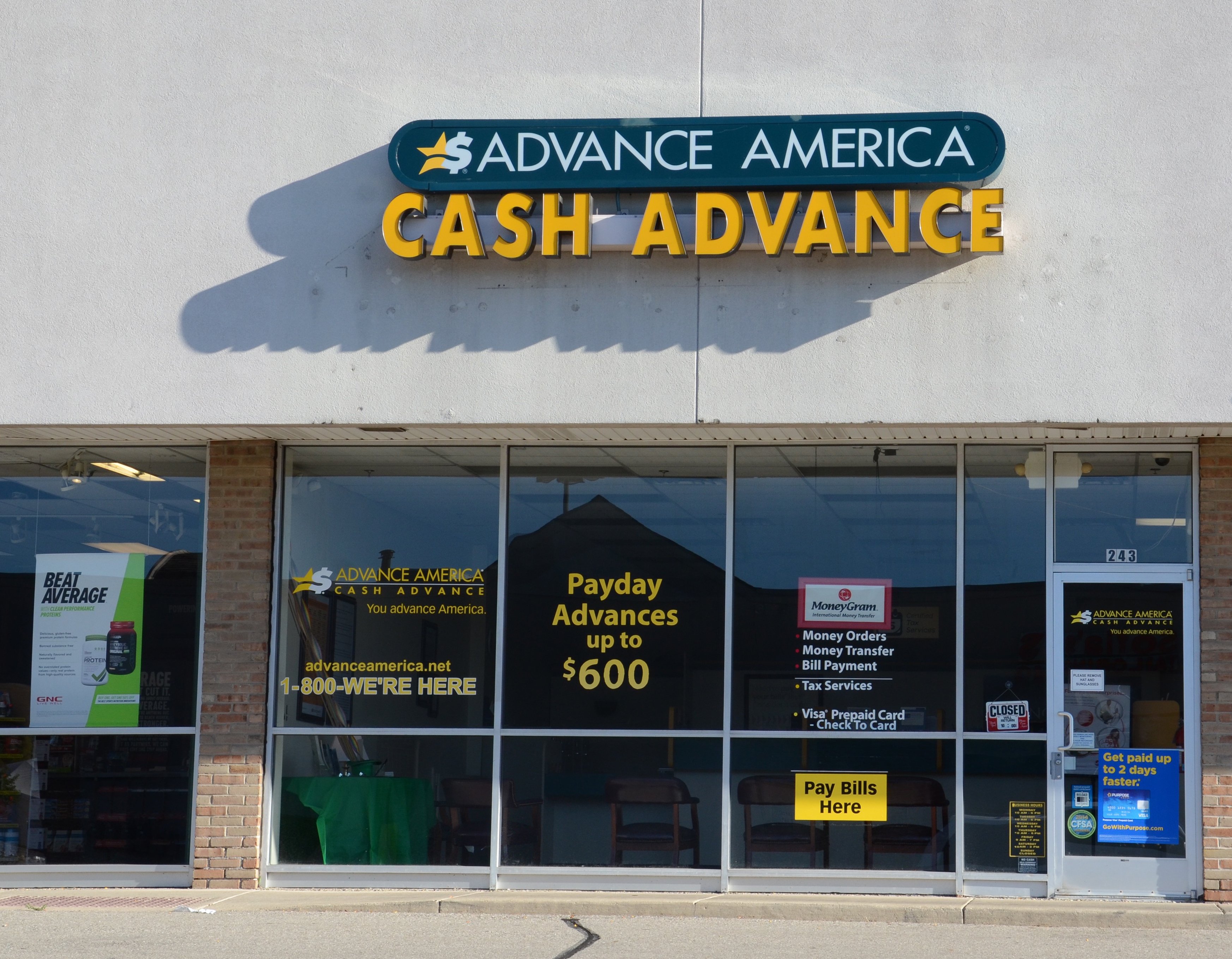
- Participants felt that loan advertisements can be predatory, whether online or in neighborhoods. Predatory online ads and social media posts were particularly attractive to young people.
- In Black and Latino communities, self-employment is common, either to supplement an income or as a main source of income. People can make considerable money in these jobs (for example, as a nanny or barber), but it can be difficult for them to prove their income because lenders want to see a W-2 form.
- People felt like they just couldn’t win. If they had a good income but were self-employed or had an account at an online bank, lenders said no. If they had a steady payment history but not enough income, they were denied. If they did receive a loan, they felt they would have to pay a much higher interest rate than others.
“I think when it comes to income, they don’t have a lot of options for self-employment. They want [a] W-2. Some people make a lot of money doing hair, etc. and have the receipts to prove it, but if they don’t have a W-2 then they don’t give them a loan.” —Tiffany, 38, East Chatham
Citations
- Vivien Caetano, Dan Rosica, Tahan Menon, Evelyn Stark, and Manasee Desai, Increasing Applications for Small Dollar Loans: A Behavioral Design Guide for Financial Providers (New York: ideas42, July 2023), source.
- For more information about geographical distribution of credit scores see Taz George, Robin Newberger, and Mark O’Dell, “The Geography of Subprime Credit,” ProfitWise News and Views 6 (2019), source.