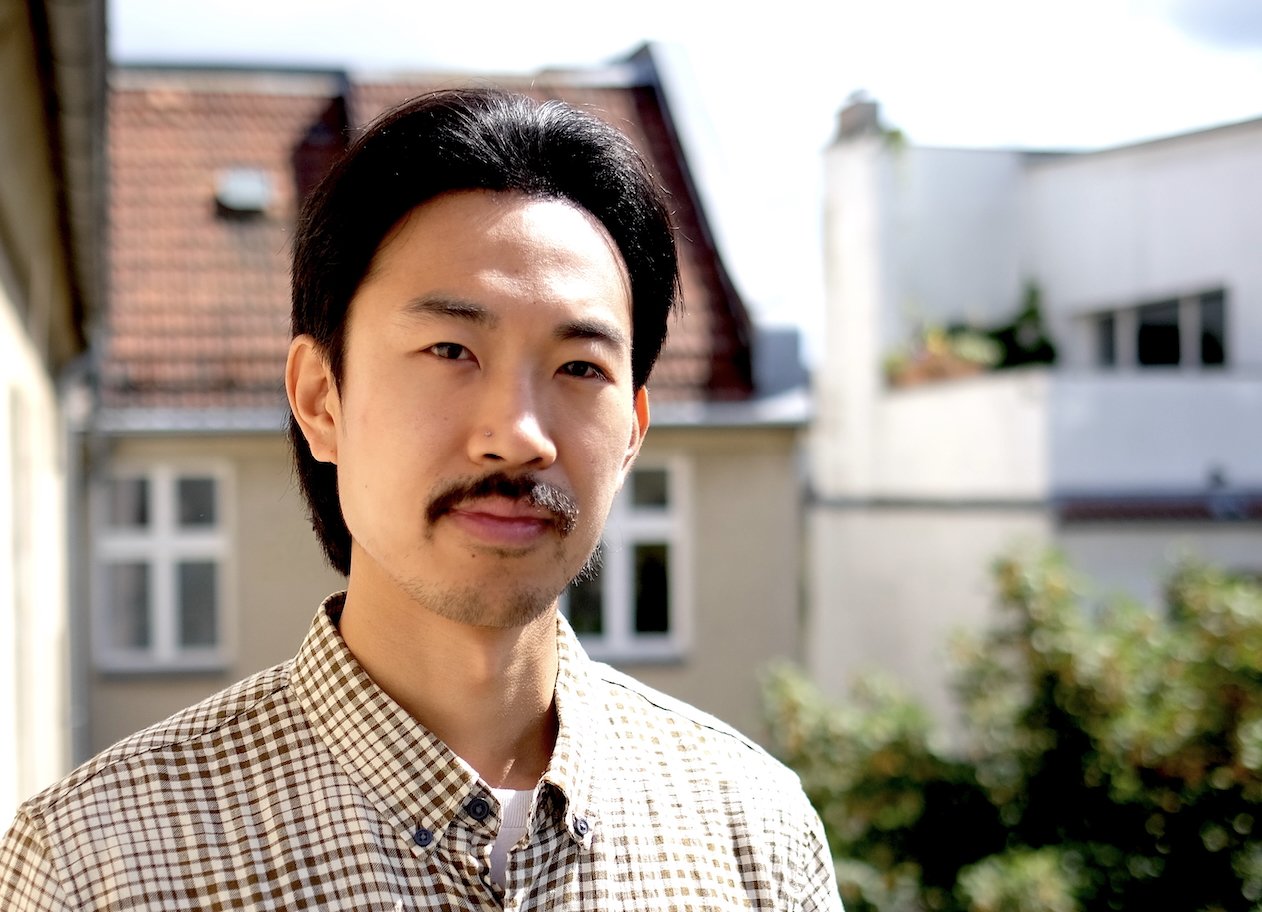
Dan Xin Huang
New America Fellow, 2026
New America 2026 Fellow Dan Xin Huang spoke about his forthcoming book, Rutter, for “Three questions” in The Fifth Draft, the Fellows Program’s monthly newsletter. Huang is an independent writer and journalist whose work addresses education, inequality, and class in America.
Your Fellows project will be a book, Rutter: The Story of an American Underclass, about the intertwined braids of education and class in America, told through the story of one Appalachian school district. Can you explain what a “Rutter” is and how you came to write this story?
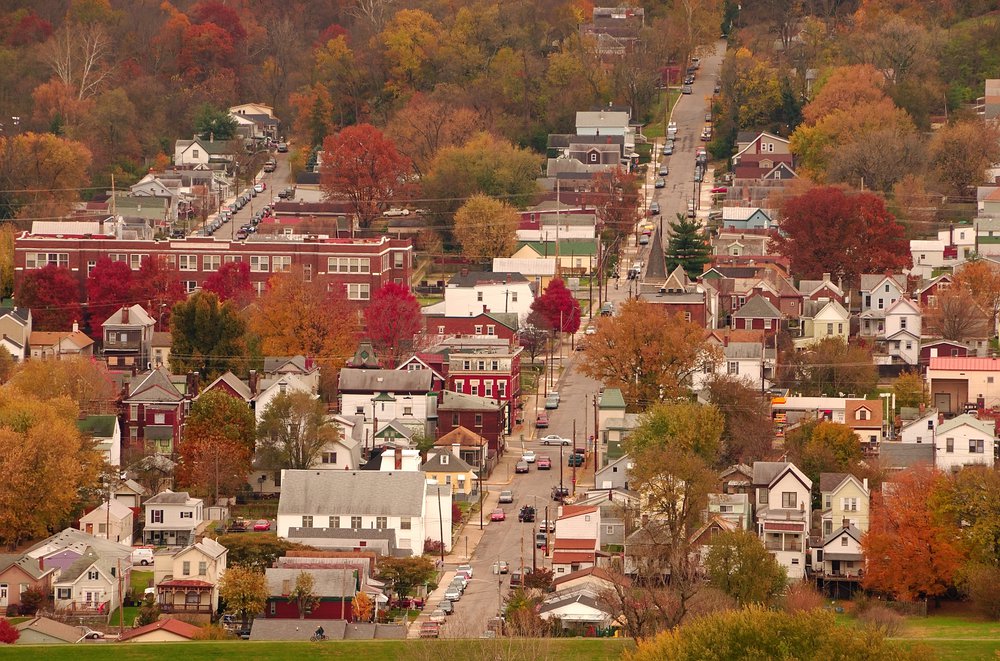
“Rutter” is a derogatory term commonly used in southeast Ohio. It comes from the surname of a local family from one of the region’s former coal towns. It bears many of the same markings as slurs like “hillbilly,” “redneck,” “white trash”—poor, dirty, lazy, uneducated.
I grew up in southeast Ohio, where the term was ubiquitous. As a kid, I said it myself, and heard it spill from the mouths of classmates, teachers, friends and their parents. Since the town is nearly all-white—over 95 percent when I was growing up there—the term was one of the most visible ways to express and enforce a kind of boundary: this is us; that is them—the Rutters.
Much of how we understand division, inequality, inclusion/exclusion in this country attends to race and ethnicity. I wanted to examine how these forces operate in a community where the fissures are drawn by class and culture.
No matter where we land on the long ladder of class and status, we’ve all felt the sting of being perceived or snubbed as "less than."
You’ve chosen to tell the story of inequality in America not through charts or datasets, but through the lives of everyday people in Athens, Ohio. What does that ground-level view show us that national policy reports miss?
There is a tension between two fundamentally different ways of viewing the world. The institutional view constructs the world as a set of systems, to be optimized according to its prescribed outcomes. The human view recognizes the gaps in every design, the inherent messiness of every project.
Thomas Jefferson wrote: “Laws and institutions must go hand in hand with the progress of the human mind.” Both are essential, but the distance between them has grown wider. Our discussions have disproportionately centered around institutional calibration, while our individual capacities to inhabit other points of view, find common ground, hold diverse relationships have deteriorated.
Immersing in the lived experiences of my book’s subjects, I’m convinced: the personal is the political. Can there be an approach to national policymaking that paves its own retreat, that transfers agency and ownership to local people and communities? That’s an area I’d like to explore.
What would success look like for the project, not in sales or reviews, but in the kind of conversations or changes it sparks in the future?
America, since its founding, has resulted from cycles of competition and power struggle between classes. The fights continue to this day, from shifts in voting-bloc demographics to the small, charged constituencies of a local school district fight—the subject of my book. My aim is to link the broader political debates that generate headlines with the private gestures and grievances accrued in our daily lives. No matter where we land on the long ladder of class and status, we’ve all felt the sting of being perceived or snubbed as “less than.” Whatever our perch, we’ve also all been perpetrators of prejudice, pointing judgment toward others to feel less precarious about ourselves. I hope to bring greater consciousness and vulnerability into our conversations around class.
Subscribe here to receive next month’s issue of The Fifth Draft.
New America Fellow, 2026