Table of Contents
Conclusion
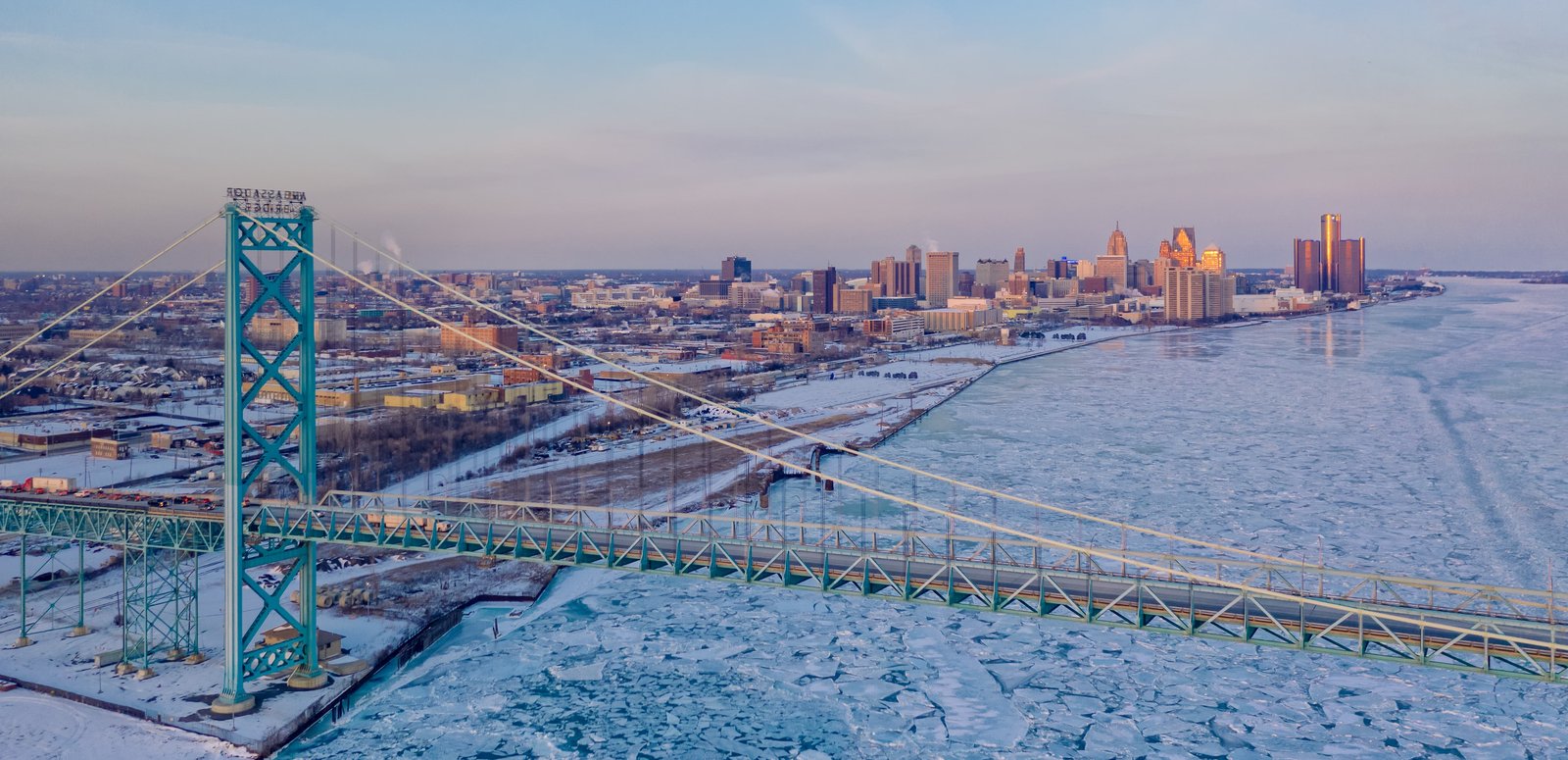
Climate change is predicted to drive tens of millions of Americans from their homes by 2100, and the contours of domestic climate migration are increasingly apparent with each devastating storm and record high temperature. As floods, hurricanes, and wildfires become more frequent and severe, these disasters will likely push households to nearby urban areas. Some migrants might flow from Savannah to Atlanta or from Houston to Austin, for example. And as slow-onset impacts such as sea-level rise, extreme heat, and drought render whole regions of the country uninhabitable, many people will relocate north to the post-industrial cities of the Great Lakes and New England.
In receiving communities—both safe harbors and climate havens—migration inflows might potentially overwhelm housing supply, infrastructure, and public service delivery. Or, with sufficient planning and resource allocation, climate migration could lead to economic growth and revitalization. There is a critical window of opportunity for receiving communities to utilize the massive influx of federal funds to ensure an adequate supply of safe and affordable homes, as well as infrastructure, services, and economic opportunities that can support significant population growth. If implemented effectively, these policies can ensure that both newcomers and existing residents thrive as the climate changes.
At the same time, it is worth mentioning that a crucial part of the U.S. transition amid climate change is to also support sending communities. These shrinking towns and cities are unlikely to disappear completely, and will benefit from financial and planning support to downsize. Smaller sending communities, especially, will need to control public spending while also ensuring that their community remains livable and that their tax base remains relatively stable. To the extent possible, the federal government must allocate funding and technical assistance to these places, from a political, social, and humanitarian standpoint.
Climate migration will reshape America, but it is not occurring at a massive scale just yet. The policy and program decisions that receiving communities and their partners make today can ensure more equitable economic growth, just and sustainable development patterns, and thriving neighborhoods. Major challenges are, of course, the lack of sustained political will, effective governance, and institutional infrastructure that can plan and implement comprehensive and long-term plans. But a range of policies and tools are available to receiving communities to help them prepare. The time to act is now.