Climate Migration’s Impact on Housing Security in the United States
Table of Contents
Abstract
The United States will experience major population shifts due to climate change. In the next three decades, 50 million Americans could move due to climate impacts, by one estimate. Domestic migration patterns will depend in part on geography, the type and severity of climate hazards, and socioeconomic status. Relocation will be an adaptation strategy to mitigate risk for wealthier households. But poorer Americans could be stuck in place, only moving after a catastrophic disaster or due to unlivable climate conditions.
Many Americans will move to urban areas within their own state or region. As a result, “safe harbor” cities in the climate-vulnerable South could receive hundreds of thousands of new residents. Meanwhile, more resilient cities in the Midwest and Northeast view climate migration as a social and economic opportunity, with some publicly positioning themselves as “climate havens.” Climate-driven population growth in any of these receiving communities, however, could exacerbate local housing crises, increase economic competition, and overwhelm infrastructure and public service delivery.
This report explores how climate change will influence future migration in the United States and how these population flows will impact housing security in receiving communities. It provides actionable recommendations for federal, state, and local policymakers to ensure adequate supply of safe and affordable homes, as well as infrastructure, services, and jobs that can support large demographic increases. If implemented effectively, such policies will mitigate any adverse effects of rapid growth and harness the potential benefits of climate migration for both newcomers and existing residents.
Acknowledgments
We would like to thank Abrahm Lustgarten, Christopher Flavelle, and Katie Oran for their invaluable feedback on a final draft of this report. Thank you, as well, to our New America colleagues Sabiha Zainulbhai, Kelley Gardner, Naomi Morduch Toubman, Joe Wilkes, Jodi Narde, and Katie Lund for their support.
Editorial disclosure: The views expressed in this report are solely those of the authors and do not reflect the views of New America, its staff, fellows, funders, or its board of directors.
Downloads
Introduction
In the coming decades, climate change will drive unprecedented levels of displacement and migration across the globe. Sea-level rise, extreme heat and drought, and natural disasters such as tropical storms, flooding, and wildfires will prompt individuals and communities to seek refuge in more climate-resilient regions. As early as 1990, a report by the Intergovernmental Panel on Climate Change warned that “the greatest single impact of climate change could be on human migration,” and researchers predict that as many as 300 million people worldwide will become displaced due to climate impacts in this century.
Like the rest of the planet, the United States will likely experience major population shifts due to climate change. Domestic migration patterns will depend in large part on geography, the type and level of climate risk, and socioeconomic status. For middle- and high-income households, relocation may be a proactive adaptation strategy to mitigate physical and financial risk. Many poorer Americans, meanwhile, could be stuck in place, only to move after a catastrophic natural disaster or due to unlivable climate conditions.
By one estimate, 50 million Americans could move due to climate impacts in the next three decades. Across the southern half of the country, one in 12 residents may move towards California, the Rockies, or the Pacific Northwest. Climate haven cities in the Northwest and Northeast should expect to grow by roughly 10 percent.
But many Americans will move within their own state or region. Previous research on post-disaster migration in the United States suggests that many displaced persons relocate to nearby communities. Analysis by the Urban Institute, for instance, found that most California households affected by wildfires in 2015 and 2017 moved to neighboring counties. Safe harbor cities across the climate-vulnerable U.S. South, including Austin, Orlando, Atlanta, and Riverside, could each receive over a quarter million new residents due to sea-level rise alone, by 2100.
What Is a Receiving Community, and Are There Different Types?
- Receiving Community: Broadly, a town or city that receives a significant influx of new residents due to climate-related migration. These include:
- Climate Havens: A community in a relatively less climate-vulnerable part of the country that is better prepared for climate migration due to adequate housing, infrastructure, and public services; and
- Safe Harbors: A town or city located in a climate-vulnerable region that nonetheless continues to grow in population as people relocate from smaller or more at-risk communities nearby.
In many U.S. communities, climate driven-population growth could exacerbate the affordable housing crisis, increase economic competition, and risk overwhelming public infrastructure and social services. The city of Chico in northern California is a stark example of these challenges. A sudden inflow of disaster-displaced households from nearby Paradise, largely destroyed in the 2018 Camp Fire, intensified Chico’s housing shortages, overburdened post-disaster assistance, and led to a significant increase in homelessness. Future safe harbor cities across the South and elsewhere could very likely experience similar challenges. Austin already lacks over 150,000 affordable homes,1 while Atlanta may lose its water supply to drought by 2100 as its population swells.
By contrast, some northern cities view climate migration as a socioeconomic opportunity. Buffalo, New York, and Duluth, Minnesota, are currently positioning themselves as climate havens, in anticipation that an inflow of climate migrants will help to improve the local economy and reverse population loss as a result of deindustrialization. Buffalo is indicative: The city experienced a 50 percent decline in population between 1950 and 2021, yet its inland location and proximity to Lake Erie’s freshwater mean that it is relatively well-positioned to withstand climate change and thrive socioeconomically.
Federal, state, and local decision makers must respond to these projected demographic shifts in the coming decades with proactive policies that ensure an adequate supply of safe and affordable housing, as well as infrastructure, services, and economic opportunities that can support large population increases. If implemented effectively, such policies can not only mitigate any adverse effects of rapid population growth, but also harness the potential socioeconomic benefits of migration for both newcomers and receiving communities.2
This report explores how climate change will influence future migration within the United States and how these demographic changes will impact housing security in receiving communities. It provides actionable recommendations for federal, state, and local policymakers to ensure that population inflows lead to economic growth and opportunity rather than crisis for the cities and towns projected to receive domestic climate migrants in the coming decades.
Citations
- As of August 2023.
- February 2024 research from the Congressional Budget Office predicts that immigration will add an additional $7 trillion to the U.S. economy over the next decade. Future receiving communities might derive similar economic benefits from domestic climate migration, albeit at smaller scales.
Climate Change Will Drive Domestic Migration across the United States
As disasters become more frequent and severe, and as the gradual impacts of sea-level rise and extreme heat become more pronounced, it is increasingly likely that millions of Americans will move away from vulnerable parts of the country. Still, the relationship between climate change and migration is complex, and questions remain around how exactly climate impacts will shape domestic migration patterns, when it will occur at scale, who will be most affected, and where migrants will relocate. A growing body of research and reporting examines these critical issues.
Climate-Driven Displacement and Migration, Defined
- Displacement: People are forced to leave their home temporarily or permanently, typically because of sudden-onset climate disasters, such as hurricanes, floods, and wildfires.
- Migration: People temporarily or permanently relocate based on a number of social, economic, political, demographic, and environmental factors, including climate risk and slow-onset climate impacts like extreme heat and sea-level rise. To a certain degree, this relocation is voluntary.
Why—and When—Will Americans Move amid Climate Change?
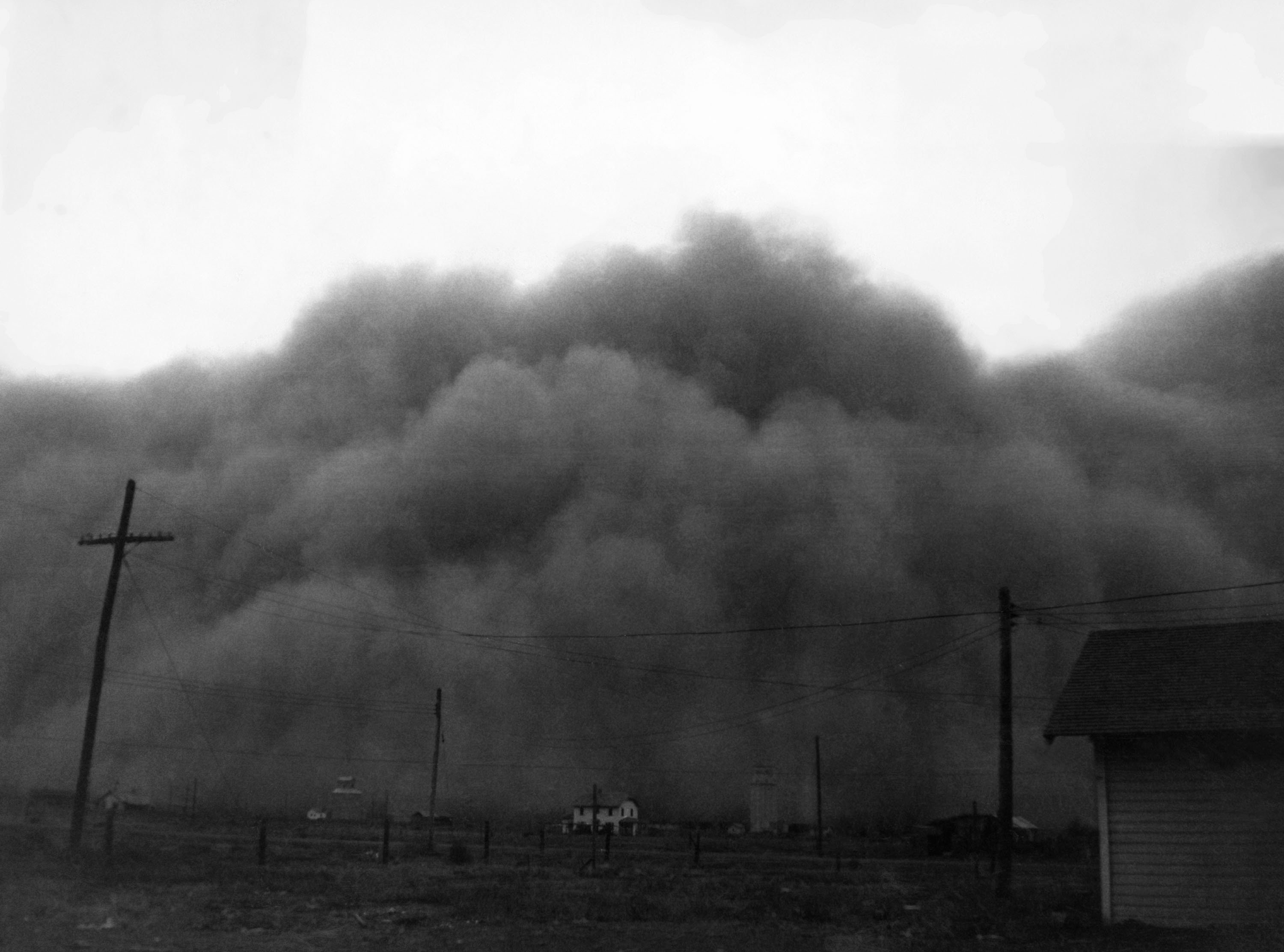
To start, academic literature recognizes that there are usually multiple drivers behind migration: Political, economic, social, and demographic factors exist in addition to environmental considerations. The decision to migrate usually results from a mix of these drivers, although economic motives often dominate. Environmental factors such as climate change rarely act in isolation and tend to influence or compound other stressors: Drought and economic depression combined in the 1930s Dust Bowl to prompt many U.S. farmers westward. Personal and household characteristics from age, wealth, and education to place attachment also inform the decision to move.
Everett Collection/Shutterstock
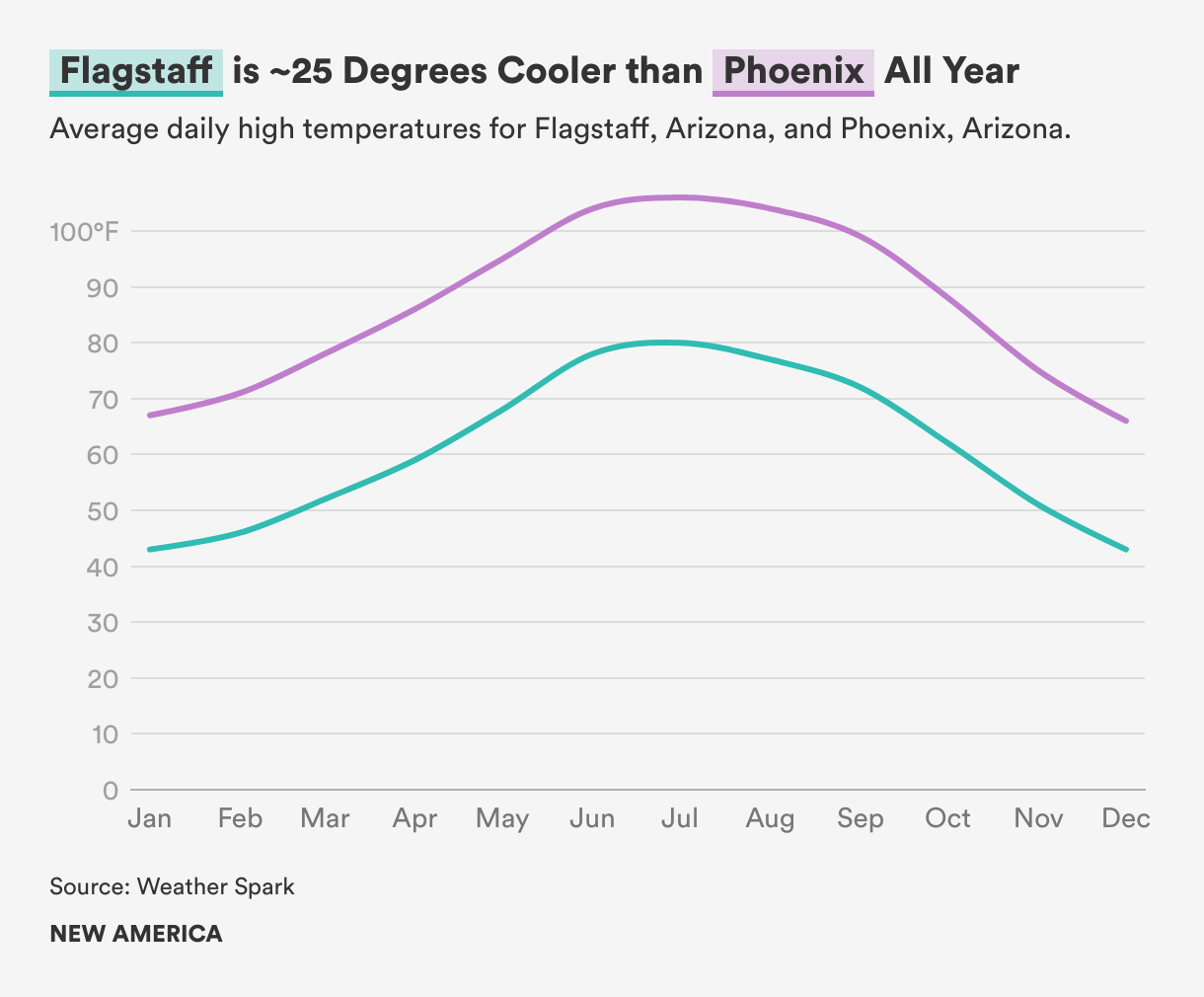
Evidence further indicates that there are multiple pathways for population movement amid climate change. Short-term displacement often results from sudden natural disasters, such as a mandatory evacuation order ahead of a hurricane. But sometimes, an inability to recover and rebuild following a disaster will turn temporary displacement into permanent moves.1 Or repeated disasters in the same geography can encourage relocation. Slow-onset impacts, especially extreme heat and sea-level rise, are also likely to drive longer-term migration. Wealthy households in Phoenix, for example, are actively relocating to Flagstaff, a mountain city in northern Arizona where summer temperatures are 25 degrees cooler than the state capital.
Despite a broad consensus that climate change will result in greater displacement and migration, it is difficult to determine a “tipping point” for very large population movements across the United States. Of course, sudden disasters or slow-onset impacts within a specific geography can cause significant out-migration at the city or regional level. Directly after Hurricane Katrina, for example, New Orleans lost about half of its residents, and the city was home to less than 80 percent of its pre-Katrina population in 2022. And sea-level rise and associated land loss will obviously force relocation, especially on the Atlantic and Gulf coasts.2 Anecdotal reporting and small-scale research indicates that more Americans are grappling with decisions related to climate risk and relocation, but if and at what point exactly many millions across the country will migrate to safer or cooler ground is still largely unknown.
Several scholars and journalists believe that the indirect economic impacts of climate change will likely spur a mass migration, impacting large swaths of the United States. Within this century, the negative effects of climate change on economic sectors such as construction and real estate, manufacturing, tourism and recreation, and agriculture could lead to economic downturns, job loss, and then migration. In many climate-vulnerable regions, lack of access to traditional 30-year mortgages, increasingly expensive or unavailable homeowners insurance, or unsustainable repair costs following repeat disasters may cause real estate prices to crash and convince Americans to relocate. And as ProPublica reporter Abrahm Lustgarten writes: “Once home values begin a one-way plummet, it’s easy for economists to see how entire communities spin out of control. The tax base declines and the school system and civic services falter, creating a negative feedback loop that pushes more people to leave.”
Who Will—or Can—Move in Our Climate Future?
Perhaps obviously, wealthier households and individuals can more easily relocate amid climate change due to greater financial means and access to other resources. But more affluent Americans may alternatively choose not to relocate from vulnerable areas, at least until their home becomes completely unlivable. An influential 2017 study that predicts future population movements amid climate change, for example, assumes that households earning over $100,000 per year are likely to adapt to sea-level rise in some manner other than migration. Rich individuals and households will be able to purchase property without a loan, armor against negative climate impacts, afford progressively expensive insurance, and finance reconstruction following a disaster. At-risk but attractive locations, such as Miami or California’s Sierra Nevada, may very well become expensive and exclusive enclaves, inaccessible to most people.
Differently, some poorer households could be unbound to their socioeconomic status and more quickly search elsewhere for economic opportunities and improved quality of life amid climate change. But low-income and other marginalized communities may also remain in situ as they often have no other choice. Many poor Americans likely lack the financial and social resources to relocate, despite usually residing in areas at greater risk of flooding, storms, and other climate-related hazards.3 Worse, while wealthier households can stay in place, protect themselves from negative climate impacts, and maintain a high standard of living, poorer people more at risk from climate change are often unable to adapt—are trapped, even—and will experience increasingly worse quality of life. Lustgarten reports that low-income, Black, and Native American communities in rural Louisiana and coastal Georgia are already at risk of being left behind as others flee increasingly severe climate impacts.
Income, Race, and Disaster-Driven Displacement
Research from the University of Vermont shows that low-income populations are less able to evacuate in response to disaster warning systems. Hurricane Katrina is a striking example of this intersection between immobility and climate change: Those left behind in New Orleans as the storm approached were disproportionately Black, low-income, and did not have a car or other resources to shelter elsewhere.
But when socially vulnerable populations do evacuate, or when they are forcibly displaced by a natural disaster, such circumstances exacerbate existing racial and socioeconomic inequities. Post-disaster reductions in affordable housing, especially, make it difficult for lower-income households to return to their communities. Families in low-income and minority neighborhoods are much more likely to be displaced long term by natural disasters or struggle to rebuild their homes and recover financially.
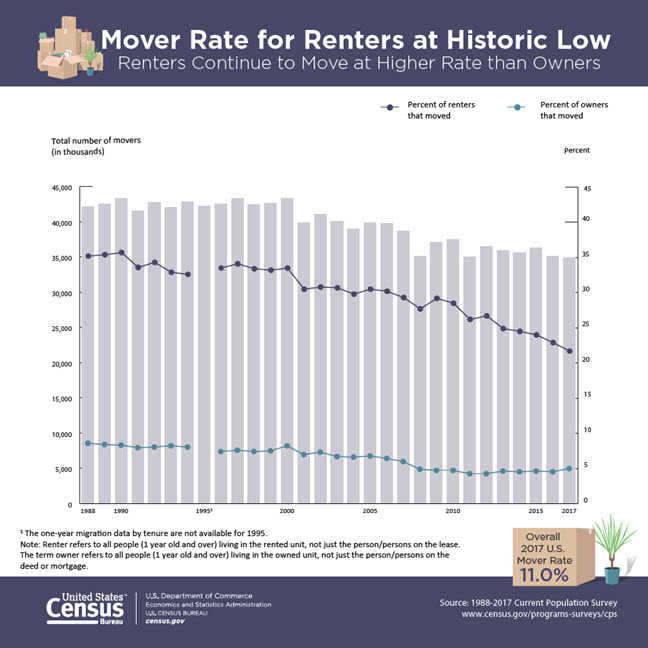
Might it be, then, that the U.S. middle class is the most likely demographic to plan long-term moves amid climate change. Middle-income homeowners in climate-vulnerable areas may soon face dropping property values and financial ruin due to recurrent disasters and proactively choose to relocate. Well-off renters, typically more mobile than homeowners, may also be quick to migrate. Many of these Americans will have sufficient financial and social resources, as well as favorable job prospects, to move away.
Where Will At-Risk Americans Migrate: North or Nearby?
Predictions have proliferated on where domestic climate migrants will move in the United States. Historical trends suggest that the climate crisis will accelerate urbanization, and some researchers believe that 90 percent of the U.S. will live in urban areas by 2050, in part due to negative climate impacts. Future urban growth is largely unsurprising, as decisions around migration are usually influenced by “pull factors” such as social networks, employment opportunities, and the availability of amenities.
According to a 2021 Redfin survey, nearly half of the respondents that planned to relocate in the next year already cited extreme heat and increasingly frequent and severe disasters as a factor in moving. More than a third mentioned sea-level rise. As the southern U.S. in particular becomes increasingly hotter and more vulnerable to rising seas, flooding, and storms, millions of Americans could move to the Pacific Northwest and the Northeast. Cities in these regions might grow by roughly 10 percent in the coming decades, according to one model.
Some of these cities, including old industrial centers in the Rust Belt like Buffalo and Cincinnati, as well as smaller cities such as Ann Arbor, Michigan, and Burlington, Vermont, are increasingly labeled as climate havens. No community in the United States will escape climate change completely, and deadly blizzards, flash floods, and extreme heat are increasingly affecting the Midwest and Northeast. Yet proximity to large sources of freshwater, relatively cooler summer temperatures, and lesser risk of wildfires and hurricanes make these cities more attractive and resilient for the coming decades. And former manufacturing hubs like Detroit, home to roughly 1.8 million people in the 1950s but only 650,000 today, can leverage sparsely populated residential neighborhoods and underutilized public infrastructure to more effectively accommodate rapid population growth.
However, other research and recent trends suggest that climate migrants will remain relatively close to their communities of origin. A recent Rice University report on government buyouts of flood-prone houses found that 58 percent of participating homeowners subsequently relocated within a 10-mile drive of their previous property. Nearly three-quarters remained inside a 20-mile radius. Post-disaster, the Sacramento Bee reported that 80 percent of Camp Fire victims remained within California, while a year after Hurricane Katrina, over half of displaced New Orleans residents had settled elsewhere in Louisiana or Texas. Such findings all correspond with analysis from the Natural Resources Defense Council, which shows that many displaced Americans prefer to remain in their own region, if possible. People in coastal areas may simply move further inland within their own state or region.
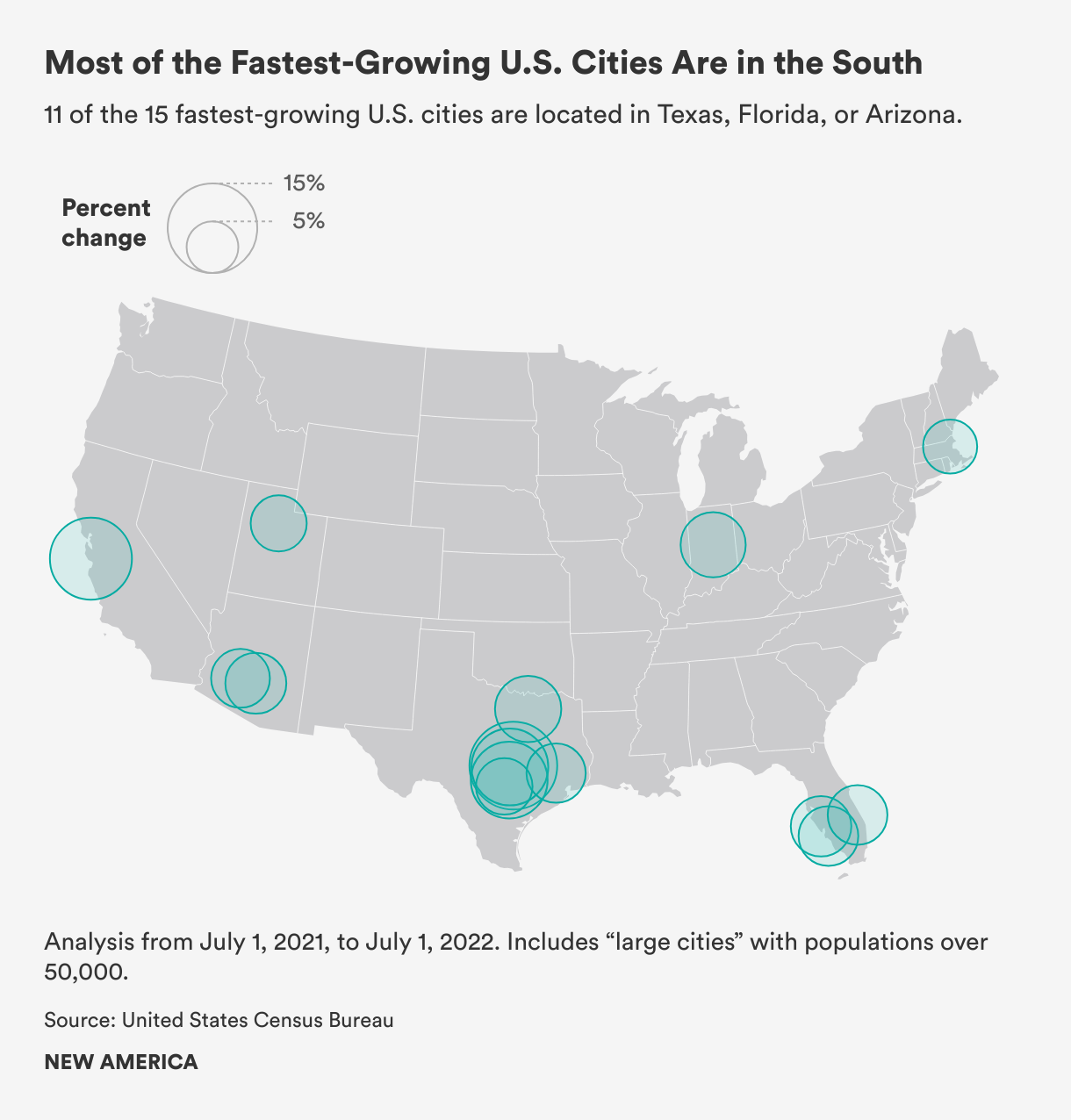
At the same time, millions of Americans continue to move into the country’s most climate-vulnerable areas. U.S. Census Bureau data from last year shows that 11 of the 15 fastest-growing large cities in the country are located in Texas, Florida, or Arizona, states variously at growing risk of sea-level rise, extreme heat and drought, flooding, and hurricanes. In general, lower costs of living, economic growth, and warmer weather are driving population increases across the Sun Belt. But many transplants in the U.S. South may not understand the extent of climate risk to their new properties. For example, roughly one-third of states, including low-lying Florida, lack flood disclosure laws.
Taken together, these two demographic patterns—the Sun Belt’s current population boom and a preference for short-distance moves—mean that climate change could force millions across the U.S. South to relocate to relatively lower-risk urban centers within the region. Thousands of residents might flee a sinking Charleston for an increasingly flood-prone Charlotte, for instance. In fact, results from quantitative modeling by the University of Georgia predict that the cities of Austin, Orlando, and Atlanta will receive hundreds of thousands of migrants each by 2100, due to sea-level rise alone.
Differently, experience suggests that some future climate migration might be seasonal or circular in nature, dependent on economic opportunities and other factors. According to the research firm Rhodium Group, warming temperatures could shift agricultural production to the northern Great Plains, potentially leading to an ebb and flow of migrant labor in the region due to growing seasons. Separately, “reverse snowbirds” might make their primary residence somewhere in the Sun Belt with a summer home in cooler New England or along the Great Lakes.
Ultimately, the United States will probably experience a mix of growth in northern climate havens and in safe harbor cities elsewhere. Following a severe natural disaster, such as a Category 5 hurricane along the Gulf Coast, affected middle-class households will most likely relocate nearby, to cities and towns that are slightly less vulnerable to climate impacts. Concurrently, slow-onset impacts like sea-level rise and extreme heat could gradually undermine the habitability and economic viability of certain regions like the Southwest, pushing many Americans to migrate northwards over longer distances.
Citations
- Lower-income renters are particularly vulnerable to involuntary and permanent relocation following a natural disaster due to loss of affordable rental housing in impacted areas.
- By one estimate, over 13 million Americans could permanently move due to rising seas alone by 2100.
- In large part, these settlement patterns are due to the legacy of racist policies such as redlining, urban renewal, and disinvestment.
Intersections between Climate Migration and Housing Security in Receiving Communities
Climate migration will undoubtedly impact housing security in receiving communities throughout the United States. Yet future outcomes in each community will differ based on several factors. These include the condition of the local housing market pre-migration and a community’s zoning laws; the socioeconomic characteristics of migrants themselves; and patterns of displacement and migration, including its scale and pace and whether it is primarily permanent, temporary, or even circular in nature.
Local Housing Conditions and Zoning Regulations
The increased demand for housing within receiving communities will raise rents and home prices. If local decision makers fail to ensure that housing supply keeps pace with demand, the result could be major spikes in housing insecurity and home loss.
To analyze existing housing conditions, a 2023 report from the Urban Institute considers whether a local market is “loose” or “tight” with respect to vacancy rates and home costs. Some markets may be better situated to accommodate climate migrants, especially with innovative policies and increased investment in housing. Larger Rust Belt cities such as Detroit, Cincinnati, and Buffalo have experienced deindustrialization and job losses in the last half-century, losing hundreds of thousands of residents as a result. Local leaders have an expressed desire to rebound socioeconomically, and these communities also possess plenty of vacant homes for sale and empty buildings to convert into housing. Many already score well on various indices analyzing housing affordability across the country. The land bank in Wayne County, Michigan, which includes Detroit, owned over 100,000 homes in 2020 and sells properties for as low as $2,000, for example. Inland New England and the northern Great Plains—including the Dakotas, Wyoming, and Montana—are also cited as states with room for more housing.
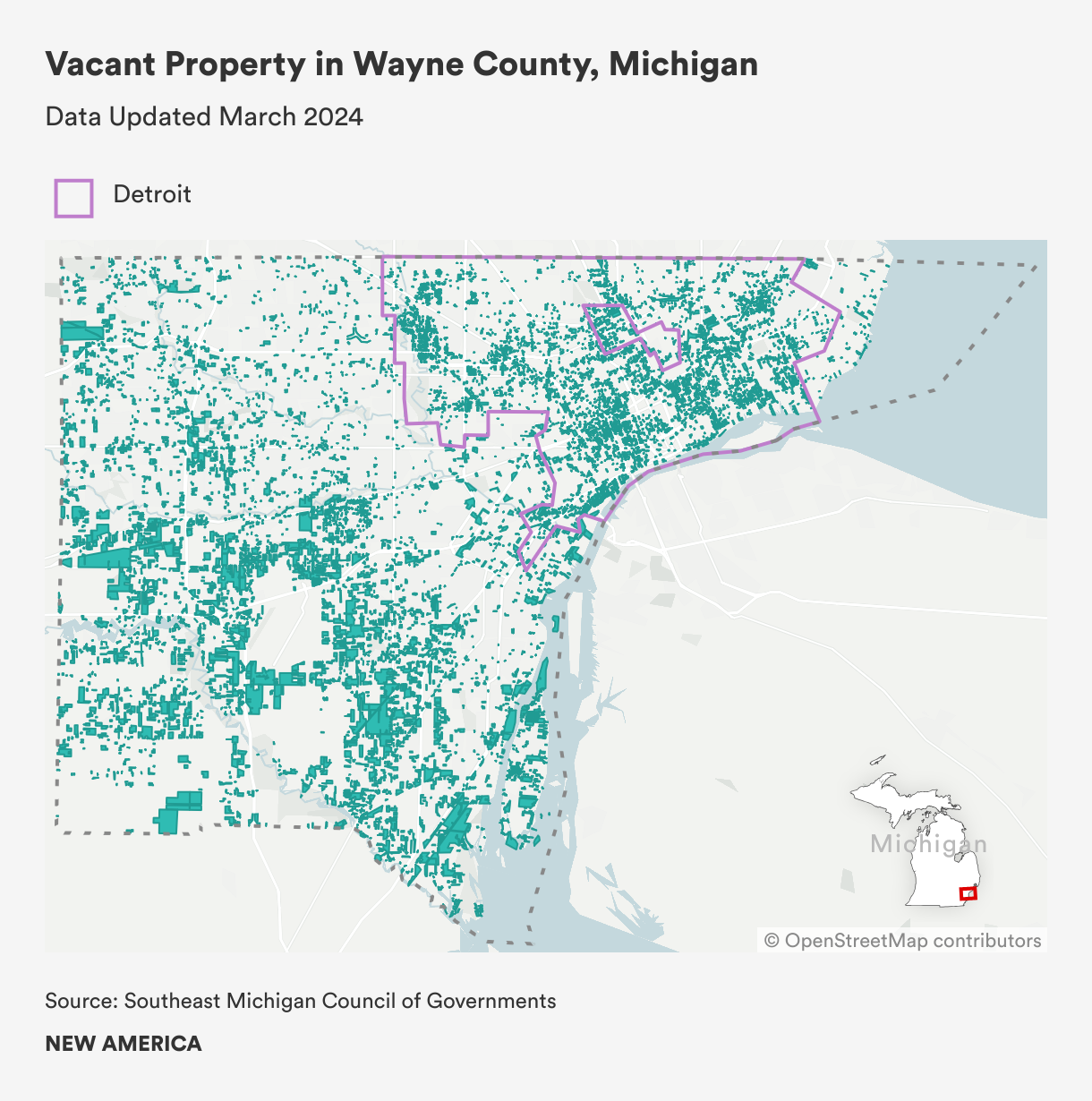
But in many places, the arrival of a large number of climate migrants could exacerbate long-standing supply and affordability constraints. Myriad receiving communities are likely to struggle, as the United States is currently experiencing a severe affordable housing crisis and is short as many as 5 million housing units by some estimates. As a result, roughly half of all American households are housing cost burdened, or spend over 30 percent of their income on housing. Even in Duluth, a former industrial city with existing infrastructure to accommodate nearly 50,000 additional people, housing stock is aging, limited, and increasingly unaffordable. And in 2021, the city’s rental housing vacancy rate was only 2 percent.
In close relation, local land use and zoning regulations in receiving communities will likely affect housing availability and affordability in the long term, for both climate migrants and lifelong residents. Municipal governments throughout the United States are primarily responsible for zoning rules, and many have historically restricted multi-family development. A 2019 study from the New York Times found that 11 American cities allowed only single-family homes on 75 percent of their residential land. Research shows that this restrictive zoning limits housing supply and contributes to increased home costs and housing insecurity nationwide.
Local officials and residents in some communities are evaluating or implementing zoning reforms that could lead to more affordable and secure housing. Many of these changes allow for multi-family homes in more neighborhoods (which is also known as “upzoning”); encourage transit-oriented development; and lower barriers for construction permitting. Minneapolis, Minnesota, is often cited as the leading model for innovative zoning, allowing for greater density downtown and near public transportation, eliminating minimum parking requirements, and authorizing accessory dwelling units on residential plots.
At the same time, however, there is often considerable opposition to zoning reform at the local level. “Not in my backyard” homeowners from Montana to Texas and Connecticut have organized politically against rezoning and have voiced a number of concerns over high-density housing—valid or otherwise—including changes to “neighborhood character” and lower property values as supply increases. Many proposed changes are abandoned by elected officials or are blocked by the legal system after residents file lawsuits.
Other Considerations: Public Infrastructure, Service Access, and Job Markets
In addition to housing, climate migrants and those displaced by natural disasters will have a number of critical needs such as employment, education, care, and access to transportation. These exigencies are especially important for low-income and otherwise marginalized populations, as research indicates that disaster-related displacement exacerbates racial and socioeconomic inequalities across the United States. Access to physical and mental health services is also important because displaced individuals experience high levels of stress that negatively impacts mental health and well-being.
The rapid and unplanned arrival of climate migrants in a receiving community could place additional strain on existing public infrastructure and services, including health care, transportation, schools, water and sanitation, electricity, and waste management. Areas unprepared for significant demographic shifts, especially rural, lower-capacity, and historically underfunded communities, may experience challenges in basic amenity provision, service disruptions, and increased maintenance costs.
As academic Mathew Hauer notes, infrastructure and service delivery challenges related to climate migration are virtually unexplored in many potential receiving communities, from Riverside, California, to Atlanta, Georgia. In these cities and elsewhere, the lack of financial and technical resources creates significant barriers to preparedness. Many municipal governments do not have the staffing and capacity to access funding for planning.
Ultimately, the local needs required by climate migration are much the same for any balanced and thriving community. Investments in infrastructure, public services, and economic growth might be tangential to climate adaptation, but also serve to increase community resilience and preparation for climate migration.
Migrant Socioeconomic Status and Gentrification
Given a general lack of housing options in many places, some lower-income climate migrants may not be able to access safe and affordable homes in the short or long term. There are also well-documented cases in which migrants from historically marginalized groups experience challenges in navigating new and unfamiliar housing markets, due in part to knowledge gaps and a lack of resources. Following Hurricane Maria in 2017, for instance, many Puerto Rican migrants in the Orlando area struggled to secure adequate long-term housing. Instead, many families booked hotel room after hotel room, crowded into small apartments with relatives or friends, ended up unhoused, or returned home.
Some climate migrants could arrive in a receiving community following financial ruin. Sea-level rise, wildfires, and other climate impacts will very likely lower property values in at-risk regions, leading to loss of equity for homeowners and, eventually, an unsellable house. In fact, real estate prices are already dropping: A 2019 analysis from First Street Foundation found that between 2005 and 2017 sea-level rise diminished the value of 25.6 million properties across all East Coast states, Alabama, and Mississippi by a total of $15.8 billion. Insurance coverage gaps could also cause significant economic hardship for homeowners following a flood or wildfire, leaving them responsible for thousands of dollars in repairs.
Ultimately, many homeowners will be unable to afford a rebuild without insurance and could default on their mortgage, sell at a loss, or even abandon their property. There is already evidence that American families are underselling their homes to move away from high-risk areas. Such market forces could very well subvert the traditional view in the United States that homeownership is a tool for generational wealth building, and many future migrants may be moving while down-and-out economically.
An influx of middle-class or wealthier migrants, however, could result in climate gentrification, whereby these newcomers gradually displace households in neighborhoods that are poorer and more Black and Hispanic, but also more resilient to climate impacts. Lower-income, lifelong residents might be pushed out by rising housing costs and pressures from real estate developers, eager to profit on increasingly desirable land. Unfortunately, displaced individuals and households may have little choice but to relocate to more climate-vulnerable neighborhoods.
While climate gentrification is currently more associated with coastal cities such as Miami and New Orleans, recent disasters make clear that it also occurs in receiving communities. Following rapid population growth due to the 2018 Camp Fire, for instance, housing prices in Chico jumped 21 percent and low-income renters struggled to find housing. Some residents in future climate havens are now voicing their concerns around such displacement. A 2021 WIRED article notes that the American Society of Adaptation Professionals, an organization that helps Great Lake communities prepare for climate migration, “often hears worries about gentrification, that their towns will attract wealthy people, drive up housing prices, and push out poorer residents.” In Buffalo, locals are already concerned that outsider developers and investors are snatching up residential properties in the area. Even in 2019, the city ranked seventh nationally for rent increases and housing choice voucher program participants were struggling to find rentals.
The Pace of Climate Migration and Housing
Finally, it is imperative to understand how the speed and volume of migration will impact housing in receiving communities. Fast-paced or sudden population growth could quickly overwhelm a receiving community’s housing sector, leading to a spike in costs, displacement, and homelessness. Low-income and minority renters, already at increased risk of home loss, may be particularly vulnerable to eviction amid an influx of climate migrants. Gradual migration that is accompanied by long-term planning and sustained action, by contrast, could benefit both newcomers and long-time residents of receiving communities (see next section). Some receiving communities will see both rapid and longer-term migration: Analysis from the Urban Institute notes, for instance, the protracted movement of people from small Louisiana towns on the Gulf to higher-elevation communities amid sea-level rise, and also sudden migration inland following especially severe hurricanes and flooding.
Experience also demonstrates that smaller and mid-sized communities, especially, can struggle with the sudden arrival of many newcomers. These towns and cities experience their own social, economic, and environmental challenges, and the local housing market along with other services and amenities are quickly overwhelmed amid rapid population growth. Resentment and social conflict can result. An unfortunate example is Chico, whose initial welcome of Camp Fire evacuees eventually turned negative, as the city experienced more traffic, an increase in crime and housing insecurity, and strains on public infrastructure. Lacking any meaningful state or federal funding to address the challenge, long-time residents became resentful and the Chico City Council was actually admonished publicly by the American Civil Liberties Union for the city’s treatment of unhoused people.
Case Study: Holyoke, Massachusetts
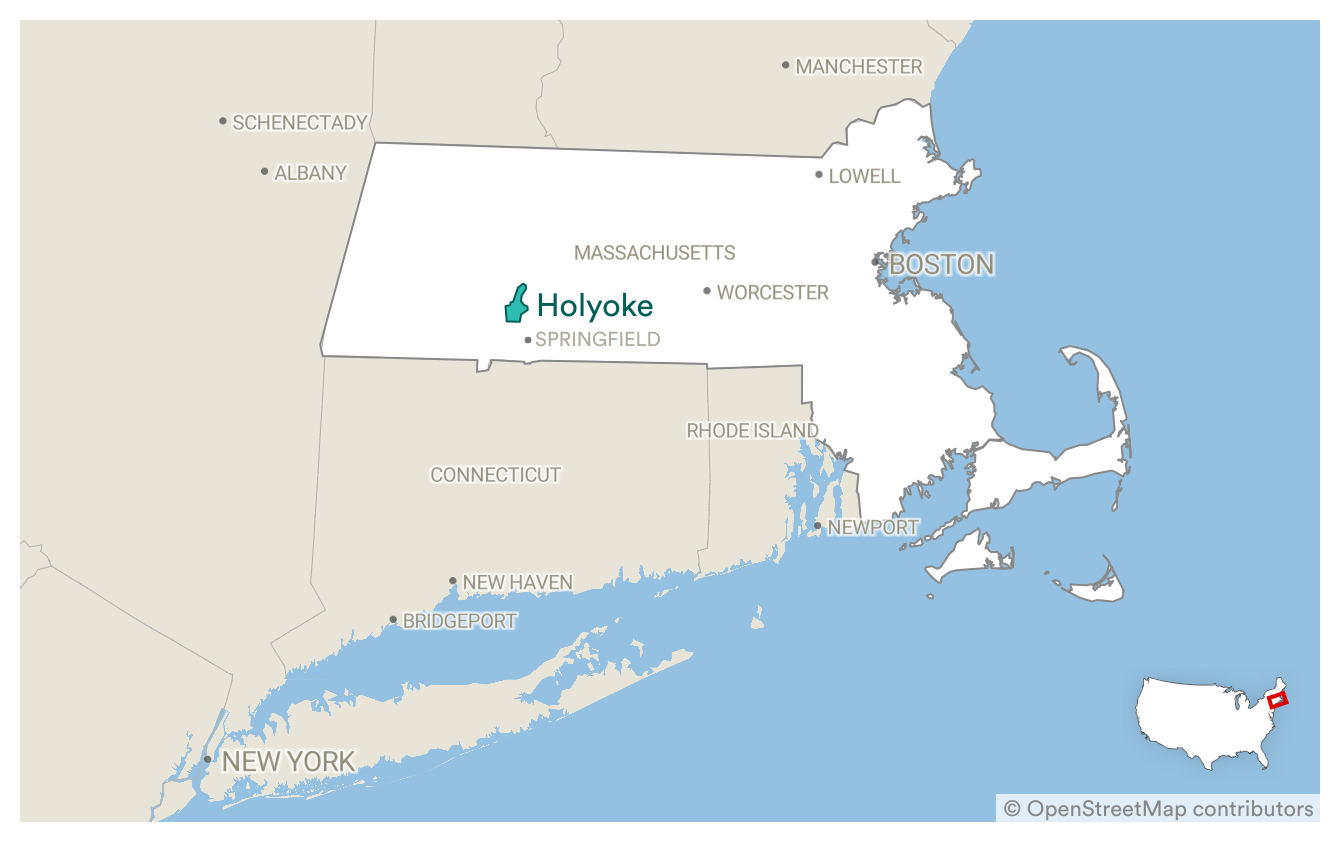
Deadly Hurricane Maria struck Puerto Rico in September 2017 and displaced over 150,000 of the island’s 3.3 million residents. The majority fled to Florida, with around 30,000 evacuees heading to the Orlando area. But approximately 5,400 people migrated from Puerto Rico to Massachusetts, with a significant number seeking refuge in Holyoke, a small city home to the highest concentration of Puerto Ricans outside Puerto Rico.
Holyoke, with approximately 40,000 residents in 2017, 46 percent of whom are Puerto Rican, sprang into action in attempt to meet the needs of the new arrivals. Primary needs included food, clothing, medical care, assistance navigating benefits, and housing. Although the local government and nonprofit sector—led by the organization Enlace de Familias, which acted as a central “one-stop shop” for people to access services—was commended at the state level for a coordinated approach, Holyoke lacked adequate resources to address the acute needs of 2,100 migrants. As a result, a large share of the effort came from kinship networks within the city’s Puerto Rican community.
Through focus groups funded by a Massachusetts Executive Office of Energy and Environmental Affairs grant, displaced persons, hosts, and service providers all identified housing as a primary need facing migrants. In Holyoke’s tight housing market, with a 2017 vacancy rate of 3.6 percent and over 41 percent of renters housing-cost burdened, long-time residents and newcomers alike felt the strain from a lack of housing options. Some residents on the waiting list for Housing Choice Vouchers suddenly found themselves moved down in order during the months after the hurricane. A migrant from Puerto Rico, meanwhile, remarked that, “housing assistance from the city was terrible. It wasn’t until later, at a meeting, that I was able to understand the great demand for housing there was because so many people arrived from Puerto Rico. The city wasn’t ready for a boom of people. I understand why it was, but we suffered it because we needed housing.” An evaluation of Holyoke’s response found that a lack of flexibility from government service providers, particularly at the federal level, created challenges: The federal Housing Choice Voucher program, funded by the U.S. Department of Housing and Urban Development (HUD), does not allow recipients to host others for longer than 15 days, or risk continued receipt of crucial rental assistance.
The needs and challenges of displaced Puerto Ricans lasted for several months, but the community eventually stabilized. By 2020, many migrants indicated plans to remain in Holyoke rather than return to Puerto Rico. Ultimately, city and civic leaders built an impressive network of assistance to receive displaced families, but a lack of flexibility from federal partners and constraints on both housing supply and rental assistance funding prevented Holyoke from completely meeting the needs of those displaced by Hurricane Maria.
Climate Migration Is an Opportunity for Resilience and Growth
Although an environmental crisis due to climate change is likely unavoidable, climate migration can present a meaningful opportunity for many receiving communities. Through proactive, equitable, and collective planning, local governments, civil society, and the private sector can not only mitigate the negative effects of migration, but also harness future growth to improve quality of life for all residents.
Climate Migration as an Adaptation Strategy
Natural disasters—especially repeated natural disasters—such as storms, wildfires, and severe flooding are physically and mentally traumatic; disrupt livelihoods, education, and social cohesion; and negatively impact housing security and financial well-being. Research also indicates that disaster-related displacement exacerbates racial and socioeconomic inequities in the United States. And after a disaster, many Americans struggle to rebuild their damaged house or find safe and affordable housing long term, in part due to a confusing patchwork of insurance coverage and government aid.
Research from CoreLogic indicates that 64 percent of U.S. homeowners insurance policies fail to sufficiently account for disaster risks, and this trend is often worse in many climate-vulnerable areas: In California’s wildfire regions, for example, 80 percent of homes are underinsured. Nationally, over half of the $145 billion in losses due to 2021 disasters were not covered by insurance. Even if insurance policies do cover natural disasters, policyholders sometimes struggle to receive payouts in a timely manner or face increased coverage costs. Homeowner premiums increased an average 12.1 percent between 2021 and 2022 in the United States, in part due to increasingly expensive storms, floods, and fires.
The federal government and some states do provide insurance policies that protect against flooding and other disaster hazards. But these services fail to completely close gaps in private coverage, and many programs are at risk themselves of becoming too expensive for the average homeowner. Other post-disaster aid from the Federal Emergency Management Agency (FEMA) and HUD is not intended to cover the entire cost of home repair, while federally funded buyout programs are inefficient and largely unpopular.
These gaps and inefficiencies can cause financial ruin after catastrophe strikes, leaving homeowners responsible for repairs or reconstruction. Additionally, sea-level rise, extreme vulnerability to wildfires or flooding, and other climate impacts could dramatically lower property values across the country, resulting in loss of equity or an unsellable home (see previous section).
The United States is also likely to experience a significant decrease in affordable housing stock within climate-vulnerable areas. More than 300,000 U.S. homes are at risk of chronic flood inundation by 2045, rendering these properties uninhabitable. Constrained supply will have cascading effects, especially in low-lying cities, which are likely to experience higher rents and mortgages, in turn leading to increased levels of housing insecurity such as evictions, foreclosures, and overcrowding.
For a number of health and safety, economic, and social reasons, therefore, migration should be viewed as a climate adaptation strategy. It is a logical if somewhat forced decision undertaken to increase resilience and improve overall well-being. Potential benefits of migration to less climate-vulnerable areas for migrants themselves include reduced financial and physical risk from natural disasters and slow onset impacts; greater household stability, living conditions, and peace of mind; and increased access to jobs, education, and health care.
Relocation can empower individuals and communities, providing climate migrants with greater decision-making abilities over their livelihoods and future. Migration and associated cultural exchanges can also foster greater understanding and tolerance. And new social networks and support systems in receiving communities, which can provide emotional, material, and financial support amid hardship, are crucial for migrants’ resilience in the face of social, economic, and environmental challenges.
Rising Home Values and Neighborhood Revitalization
While a population influx can constrain housing supply and increase housing costs,1 case studies in Florida, Louisiana, and Texas suggest that the effects of climate migration on housing affordability were short-lived. Markets in various Gulf Coast communities either adjusted to the initial spike in demand, or migrants eventually moved to other, more affordable places nearby.
Extrapolating from trends related to international immigration into the United States, several studies find that immigrants tend to improve their neighborhoods and help increase their new neighbors’ wealth. Joint research by the Americas Society, Council of the Americas, and the Partnership for a New American Economy shows that increased immigration into a county corresponds with economic gains reflected in the local housing market. These benefits are partly due to the fact that immigrants revitalize underinvested neighborhoods in and near expensive American cities, creating new markets for middle- and working-class U.S.-born households. For hard-hit Rust Belt counties particularly, immigration has acted as a barrier against additional declines in home values. In parallel, revitalization helps to relieve pressures in close-by high-cost housing markets. Domestic climate migrants might also avoid expensive neighborhoods and instead “lift up” more affordable or declining areas. Assuming enough added density and an associated boost in home values, such growth will make these areas more attractive to the wider population.
Increased demand for housing due to migration can lead to more construction of housing stock,2 and also create an impetus for investment in existing homes. A study by the Harvard Joint Center for Housing Studies notes that small multi-family properties in the Boston metropolitan area are popular options to facilitate immigrant homeownership. Older or vacant homes in less climate-vulnerable regions, such as the Northeast and the Midwest, may provide similar options for climate migrants. Many of these buildings will require maintenance, upgrades, and retrofitting; while expensive, these projects can increase property value and also present an opportunity to develop more climate-resilient and energy-efficient housing.3
Community-Level Benefits of Migration
Beyond housing, climate migration can help to drive economic growth and revitalization in receiving cities. Population increase benefits a local economy by boosting demand for goods and services, fills any gaps in the local labor market, and increases a municipality’s tax base. American climate migrants will arrive with a diverse range of professional experience, skills, and educational backgrounds that can complement the existing labor pool within a receiving community. Many workers could come from key industries in the Southeast and Southwest, including manufacturing, health care, agriculture, energy, and tourism. Such an infusion of new skills and knowledge can help to foster innovation and drive growth in these sectors and elsewhere.
According to the Urban Institute, migrants are more likely to be self-employed and start their own businesses in comparison to long-time residents. Other research from Boise State University finds a significant and positive relationship between domestic migration of young, single, and college-educated individuals with new business creation. The proliferation of small businesses, in turn, can help to increase employment and local wages.
Last, climate migration can enrich a receiving community culturally. Migrant populations with diverse backgrounds will introduce new traditions, cuisines, and perspectives, which will translate into more vibrant and inclusive cities. Cultural exchange can lead to innovation and knowledge exchange, fostering creativity and problem solving.
Case Study: Cincinnati, Ohio
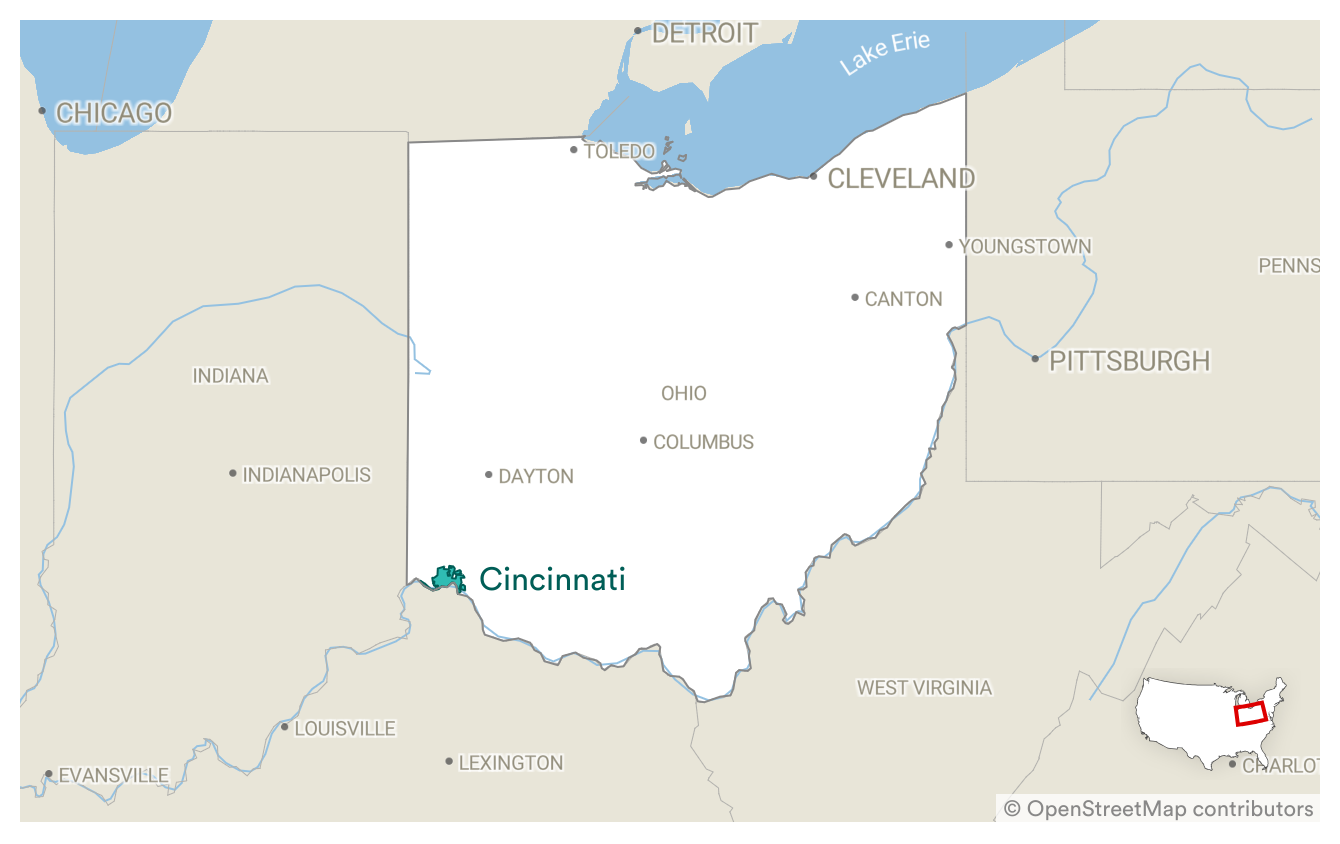
Similar to other “legacy cities” in the Midwest and Great Lakes region, Cincinnati has experienced a decline in population over the last 70 years. But in the coming decades, the south Ohio city could experience significant climate-related population growth,4 as it avoids some of the worst impacts of climate change due to its geography and ample water supply.
Local leaders view future climate-driven migration to Cincinnati as a potential opportunity for socioeconomic growth and are planning accordingly. The Green Cincinnati Plan, developed in 2018 and then updated in 2023, includes recommendations to position the city as a climate haven. If implemented, the plan would improve Cincinnati’s preparedness to receive climate migrants both in the short term—by improving sewer systems and increasing beds and food reserves in shelters—and in the long term—through development of a “climate migration response plan” and implementation of affordable and mixed-income housing strategies.
Thus far, the city government has worked to reduce flood risk, by improving stormwater drainage and “daylighting” covered streams, and also substantially increased funding for public transit. Notably, Cincinnati decision makers also engaged residents in under-resourced neighborhoods to collaboratively develop “neighborhood climate resource plans,” which analyze how each community is impacted by climate change and identify solutions based on resident input.
As in other potential climate havens, housing access is crucial in Cincinnati’s response to climate migration. HUD estimated in 2017 that the 15-county region surrounding Cincinnati in Ohio and Kentucky, with a population of 2.1 million, had approximately 37,400 vacant housing units. Exacerbating this crunch, a 2022 report noted that “a vacant unit doesn’t mean a habitable unit,” as many buildings around Cincinnati are in some state of disrepair. Hamilton County, home to Cincinnati, is undergoing population growth for the first time in decades with a current deficit of approximately 40,000 housing units that are affordable for extremely low-income households. Local leadership must prioritize allocating resources towards housing to meet the needs of current and projected future residents.
Cincinnati’s plans for climate resilience at both the city and neighborhood level represent an actionable and equitable strategy to prepare for potential inflows of climate migrants. The challenge moving forward is to secure the funding and technical expertise to create a prosperous and resilient future.
Citations
- Following the 2018 fire that destroyed the California town of Paradise, for example, home prices in neighboring Chico climbed 21 percent.
- It is worth noting, however, that stringent zoning laws at the local level, as well as political opposition (i.e., “not in my backyard”), can constrain the development of high-density housing.
- Even if significant migration does not occur, increased housing supply and investment in existing housing stock will benefit the community.
- Cincinnati has yet to experience significant climate-related migration to date, although approximately 2,000 people from New Orleans sought refuge in the city after Hurricane Katrina, which illustrated to the city’s Office of Environment and Sustainability the importance of incorporating climate migrants into the community.
Recommendations to Prepare for Climate Migration
Climate migration is not yet occuring at scale. That means receiving communities across the United States have an opportunity to proactively understand and plan for the impacts of climate-related displacement and migration on their housing supply, public infrastructure, and job market. The policy and programming decisions that policymakers, civil society, and the private sector make today can ensure equitable economic growth, just and sustainable development patterns, and thriving neighborhoods for both long-time residents and new arrivals.
So, how can these towns and cities successfully receive people who move because of climate change? Overall, receiving communities must adopt a proactive and whole-of-government approach to plan for climate migration, regularly engaging with the private sector and civil society and leveraging to the greatest extent possible state and federal funding and technical assistance.
This section offers recommendations at the local, state, and federal levels to help receiving communities navigate the challenges and opportunities presented by climate migration while also working towards more equitable and resilient outcomes.
Local-Level Recommendations
Most receiving communities are unprepared for future climate migration and many currently underinvest in housing, infrastructure, and other public needs. Various observers, for example, are quick to point out that labels such as “climate-proof Duluth” and Buffalo as a “climate refuge city” are merely marketing campaigns. In the near future, these cities and others could easily experience migration-related challenges such as gentrification, housing insecurity, and overwhelmed services and infrastructure.
Climate adaptation and resilience overlap considerably with sustainable community development and encompass aims like inclusionary zoning, affordable housing development, improved public services, and walkable communities with ample and accessible amenities. Planning also offers an opportunity to change development patterns that have long resulted in poor living and working conditions, notably for low-income and minority populations, as well as negative environmental impacts. On the other hand, if receiving communities fail to adequately plan for an influx of new residents, current socioeconomic inequities and environmental degradation may become worse.
It is therefore imperative for local decision makers to better incorporate climate migration into planning processes, risk and vulnerability assessments, and future strategies related to resilience and adaptation, land use and housing, hazard mitigation, economic growth, and public infrastructure. Both climate havens and safe harbor cities must assess their physical infrastructure and public services for vulnerabilities that are likely to become worse due to the combined effects of climate change and population growth. Cross-sectoral collaboration and community engagement during planning and other strategy sessions can leverage local expertise and help to effectively identify any gaps and resident concerns.
Receiving communities should consider creating and sustainably funding a chief resilience officer position and a range of tools that are available for more effective and sustainable planning. Scenario planning for multiple “futures,” vulnerability mapping, and creation of early warning systems for extreme weather can help to boost resilience. Mayors, city councils, or resilience offices could also assemble a scientific advisory group or a welcoming committee, created in collaboration with civil society and the private sector to ensure that new arrivals are socially, culturally, and economically supported and connected in receiving communities.1 Post-industrial cities, in particular, might even establish a “rejuvenation committee” to actively attract climate migrants.
Local Recommendation #1: Local planners must integrate climate migration into existing and future planning processes and strategies, ideally in collaboration with other government, academic, and community stakeholders.
Future receiving communities can also cooperate with other cities through regional, state, national, or international networks or initiatives, to share best practices and other learnings around climate migration, facilitate the development of skills and expertise, and act collectively to influence government policies.2 The Anthropocene Alliance, for instance, includes 300 frontline communities across the United States and provides convening support, technical guidance for adaptation, and resources to better access public and philanthropic funding. Another example is the Southeast Florida Regional Climate Change Compact, a partnership between a number of low-lying counties around Miami that is focused on mitigation and adaptation strategies. Similar models could exist for a receiving communities network at various scales.
Local Recommendation #2: Receiving communities should collaborate through networks to share best practices on climate migration, facilitate planning skills and expertise, and act collectively for policy change.
On the ground, significant population growth in receiving communities could lead to challenges such as gentrification, housing shortages, and inadequate delivery of public services (see previous section). Yet local policymakers also possess the tools to meet the needs of current and future residents. Municipal governments can leverage their land use and zoning powers to allow for infill housing development, the retrofitting of antiquated and abandoned infrastructure into mixed-use buildings,3 and accessory dwelling units on single-family plots.4 Through more relaxed zoning policies, or upzoning, receiving communities can encourage developers to build more dense housing; subsidies, tax breaks, and other financial incentives for construction of low- and middle-income housing can help to offset the risk of displacement for vulnerable populations. Innovative approaches such as a municipal acquisition fund for affordable housing, community land trusts or a shared equity homeownership program, and a local land bank can better ensure long-term and more equitable access to housing.5
Local Recommendation #3: Policymakers in receiving communities should use their land use and zoning powers to spur the development of more housing and also implement policies and programs that preserve existing affordability.
Receiving communities with their own risk of flooding and other climate hazards, notably safe harbor cities such as Houston and Orlando, must concurrently limit residential development in unsafe areas. As outlined in our 2023 Beyond Rebuilding report, local governments should reduce or outright restrict new construction in climate-vulnerable areas through changes to zoning codes and land use policies. In 2018, for example, the City of Norfolk, Virginia, reformed a zoning ordinance to include overlay zones that direct new development to higher ground. Such cities should also assist existing residents that live in at-risk areas to relocate, possibly through proactive and participatory buyout programs.
Local Recommendation #4: Receiving communities with climate risk, including many safe harbor cities, must (I) limit new development in floodplains and other unsafe areas through innovative zoning and land use policies; and (II) assist existing residents to move from unsafe areas through buyout programs and other incentives.
It is also essential for local decision makers in receiving communities everywhere to improve their public infrastructure and services in anticipation of future population growth. Many cities in the Northeast and Great Lakes regions possess aging infrastructure, much of which cannot withstand extreme weather events. Power grids, in particular, are extremely vulnerable to severe storms, and a report from the Citizens Utility Board ranks Michigan and Vermont near the bottom of all U.S. states in electrical reliability.
Receiving communities must invest in holistic and sustainable infrastructure upgrades to improve essential services such as transportation, health care, education, and public utilities. Where possible, municipal leaders should collaborate with civil society and the private sector to both carry out upgrades and help deliver services. Climate havens in less vulnerable regions might attract companies or high-skilled remote workers through upgrades to their local fiber optics network.6
Local Recommendation #5: Receiving communities should invest in holistic and sustainable infrastructure upgrades, in particular upgrades to electrical grids, in anticipation of both population growth and increasingly severe climate impacts.
Climate migrants will also likely need economic support in their new communities. To the extent possible, climate haven governments should partner with private companies, civil society, and anchor institutions like universities to promote inclusive labor practices and provide vocational training and “re-skilling” opportunities for both blue- and white-collar workers. Localities can offer tax incentives and revive brownfield sites to further attract commercial and entrepreneurial investments. A focus on fast-growing sectors related to the green energy transition, including solar and wind power, could help to both ease economic insecurity and build resilience.
Local Recommendation #6: To attract migrants and promote inclusive economic growth, climate havens should incentivize private sector investment locally and adopt policies that support workforce development and job creation.
Effective adaptation will undoubtedly take years to plan and decades to implement, necessitating large investments of human and financial resources, along with sustained social and political will. If possible, receiving communities should earmark municipal revenue for affordable housing, infrastructure, and public services that will demonstrably benefit both long-time residents and newcomers. A growing tax base through demographic growth will help partially fund these initiatives, and climate havens should also consider innovative funding models such as taxes levied towards large retailers, fossil fuel production, or electricity consumption. Municipal governments could also issue bonds to fund larger, more capital-intensive projects.
Recent federal legislative packages, including the Inflation Reduction Act (IRA), the Infrastructure Investment and Jobs Act (IIJA), the American Rescue Plan Act (ARPA), and the Creating Helpful Incentives to Produce Semiconductors (CHIPS) and Science Act, provide an unprecedented amount of money to finance climate adaptation. The IRA, for example, offers funding, programming, and incentives for myriad stakeholders—businesses, nonprofits, educational institutions, and state, local, and tribal authorities—for sustainable development. The IIJA allocates $1.2 trillion for a range of policy areas, including the improvement of American infrastructure and “climate readiness.”7
Local Recommendation #7: Receiving communities must complement local funding for climate adaptation with federal technical and financial support, including from large bills passed during the Biden Administration.
State-Level Recommendations
Large-scale climate migration will inherently involve many communities, some of which will experience outmigration while others receive an influx of new residents. Impacts will spill over jurisdictional boundaries, necessitating regional coordination, information sharing, planning support, and allocation of resources. If they have not already, state governments from Alaska to Florida should create their own adaptation and resilience plans, and also lead preparedness efforts across counties, cities, and towns, sharing resources and expertise. Louisiana is a notable example, as its Office of Community Development wrote a Strategic Adaptation for Future Environments (LA SAFE) report in 2019, although the state government has not yet implemented the plan in earnest.
State Recommendation #1: State governments should lead climate preparedness efforts across counties, cities, and towns through regional coordination, information sharing, planning support, and resource allocation.
At the same time, state policymakers must create increased financial opportunities and incentives for municipalities to prepare for climate migration. For example, a state government may allow jurisdictions to create new taxes and fees to fund adaptation projects. Or states could provide flexible grant opportunities for housing and hazard mitigation, including programs specifically for disadvantaged populations. Subsidies for housing, infrastructure, and the private sector might also help spur preparation efforts. The Clean Truck and Bus Vouchers Program in California, for instance, provides millions of dollars for communities to transition to renewable energy and improve infrastructure. Any receiving community would benefit from similar initiatives.
State Recommendation #2: State policymakers must increase financial support for local climate adaptation by allowing for new municipal levies and providing a range of grants and subsidies.
Private sector engagement at the state level can further increase preparedness. To the extent possible, states should leverage their sweeping perspectives and coordinate with businesses to improve understanding of climate migration patterns and then incentivize investment across multiple receiving communities. Policymakers, business leaders, and nonprofits might also partner to create relocation and reskilling programs, especially for low-income workers with limited resources. Focus on fast-growing industries, notably those related to the green energy transition and other national priorities, could help to both ease economic insecurity amid climate migration and build more widespread resilience.
State Recommendation #3: State governments should partner with the private sector to ensure that there are sufficient and inclusive economic opportunities across receiving communities.
Finally, it is critical to acknowledge that smaller receiving communities may not have the capacity to apply for funding and then implement climate-related projects. State policymakers must consider how to more equitably allocate funds, as well as human resources such as experienced planning personnel, to support both climate migrants and long-time residents in smaller receiving communities. Decision makers should focus especially on rural areas during climate preparation, as relocation trends from the COVID-19 pandemic suggest that a significant number of Americans could move to smaller communities amidst climate change. Historically underfunded, rural communities will need to be more mobile, nimble, and creative to support climate migrants.
State Recommendation #4: State governments must lower administrative barriers to access climate adaptation funding and help build the capacity of receiving communities to implement initiatives related to climate migration.
Federal-Level Recommendations
The federal government—from Congress to the White House and agencies such as HUD and FEMA—must take the leading role on domestic climate migration by establishing a national strategy,8 strengthening disaster response and recovery systems, and facilitating coordination among communities across the country. Clear guidelines and a unified vision can ensure consistency and coordination across the country. Any strategy should prioritize principles such as justice, equity, and resilience to support our most vulnerable populations.
Federal Recommendation #1: The U.S. federal government should take the leading role to plan for domestic climate migration by developing a National Climate Migration Strategy, improving disaster response systems, and facilitating coordination nationwide.
It is crucial for Congress to allocate federal funds for proactive planning in future receiving communities, and policymakers might even designate legislative earmarks for these efforts. Major legislation, including the American Rescue Plan, IRA, and IIJA, demonstrate that the federal government can direct significant and flexible resources towards climate adaptation and resilience. Prioritization of these needs must continue.
The nonprofit New Cities, among others, points to “Green New Deal” legislation as a comprehensive policy approach that can help to sustain the transformative change necessary amid climate change. A 2021 Green New Deal resolution introduced into Congress by Vermont Senator Bernie Sanders and New York Representative Alexandria Ocasio-Cortez, for example, proposes funding to retrofit 1.2 million public housing units and repeal the federal ban on construction of new public housing. Solar panel installation and other improvements to public housing would reduce carbon emissions, boost energy and water efficiency, create jobs, and improve quality of life for residents. Other sectors would also benefit from increased public investment. The federal government could fund or otherwise incentivize upgrades to sewage and water treatment systems, public transportation, schools, and medical facilities.
Federal policymakers could also leverage existing initiatives—such as FEMA’s Building Resilient Infrastructure and Communities, Hazard Mitigation Grant Program, and Flood Mitigation Assistance or HUD’s Community Development Block Grant Program—to support receiving communities. This assistance might also include infrastructure grants or subsidies via the Department of Transportation and the Department of Energy, increased technical and financial assistance for urban planning and public awareness campaigns, or the creation of a national resettlement program akin to the newly established Welcome Corps.
Federal Recommendation #2: Congress must allocate significant federal funding for receiving communities to plan for climate migration by leveraging existing initiatives and establishing new programs to fill any gaps in preparation.
In fact, the U.S. government should actively encourage population growth in communities less vulnerable to climate impacts, in partnership with state and local leaders. For better or worse, various national policies incentivized domestic migration in the past, including the nineteenth century’s Homestead Acts during westward expansion and the 1913 mortgage deduction amid the growth of suburbs. Congress or the White House could similarly create a climate relocation program to help resettle Americans from high-risk areas to climate havens, offering tax credits, housing vouchers, or direct financial payouts to households that pack up and move. The federal government might even create a national land trust to acquire housing and land, and then distribute property to climate migrants.
Federal Recommendation #3: In coordination with state and local authorities, the federal government should create a national relocation program that incentivizes American households to move to climate havens.
Access to any federal funding and technical resources should be streamlined to allow lower-capacity receiving communities to benefit from this assistance. Small, poor, and rural municipalities often lack the technical expertise and staffing capacity to identify, apply for, and receive funding for climate adaptation. In turn, these communities should utilize federal assistance to better staff their planning departments, housing agencies, and other offices tasked with resilience.
Federal Recommendation #4: U.S. federal agencies should lower barriers for smaller, poorer, and rural receiving communities to access funding and technical assistance in preparation for climate migration.
Finally, the U.S. government should prioritize continued research and data collection on climate migration nationally.9 Comprehensive, standardized, and up-to-date information on migration patterns, as well as the needs of both climate migrants and receiving communities, is essential for informed and data-driven decision-making across all levels of government.
Federal Recommendation #5: The U.S. government should prioritize the collection of comprehensive, standardized, and up-to-date information on climate migration patterns and related needs to better inform planning in receiving communities.
Data that is collected at the local level and aggregated nationally will allow policymakers to better understand climate impacts on different demographics and geographies, and then develop targeted interventions and investments. Sources to track climate migration might include cell phone records, utility bills, school enrollments, and federal aid requests.
Citations
- A well-rounded support system could include businesses such as banks, mortgage brokers, and financial advisors, alongside community-based organizations such as food banks, legal aid groups, and faith-based organizations.
- Many cities in the U.S. South are likely more politically and socially liberal and are thus more able to discuss and plan for climate change than their conservative rural neighbors and state governments. As a result, there is a need for politically neutral language and approaches that can enable conversations, planning, and policy reform across counties, states, and regions. Collaborative networks provide a forum to develop this type of communications.
- Vacant lots might also be repurposed as solar panel sites for mitigation purposes or micro-farms for food security purposes.
- For instance, Buffalo, New York, which is a self-declared “climate refuge city,” has approximately 16,000 lots of underutilized or unoccupied urban space. More broadly, a 2016 report from the Lincoln Institute of Land Policy found that there were 5.8 million vacant homes nationally, with a majority in post-industrial cities such as Detroit, Cleveland, and Pittsburgh.
- Municipal governments could also purchase empty or underutilized land adjacent to future receiving communities, to better plan for affordable, high-density, and transit-oriented growth, while also ensuring that speculators cannot exploit migration through development of high-cost housing.
- Investments in high-density housing, improved public transit, and clean energy will also help to reduce greenhouse gas emissions locally.
- Much of funding included in the Biden Administration’s large bills is not explicitly allocated for “adaptation” or “resilience,” and many municipalities will need support in understanding the challenges and opportunities in applying for federal resources in preparation of climate migration.
- The Biden Administration published a 2021 report on climate migration, although it focuses only on international migration to the United States.
- Of note, the U.S. Census Bureau collects information on disaster-related displacement through its Household Pulse Survey.
Conclusion
Climate change is predicted to drive tens of millions of Americans from their homes by 2100, and the contours of domestic climate migration are increasingly apparent with each devastating storm and record high temperature. As floods, hurricanes, and wildfires become more frequent and severe, these disasters will likely push households to nearby urban areas. Some migrants might flow from Savannah to Atlanta or from Houston to Austin, for example. And as slow-onset impacts such as sea-level rise, extreme heat, and drought render whole regions of the country uninhabitable, many people will relocate north to the post-industrial cities of the Great Lakes and New England.
In receiving communities—both safe harbors and climate havens—migration inflows might potentially overwhelm housing supply, infrastructure, and public service delivery. Or, with sufficient planning and resource allocation, climate migration could lead to economic growth and revitalization. There is a critical window of opportunity for receiving communities to utilize the massive influx of federal funds to ensure an adequate supply of safe and affordable homes, as well as infrastructure, services, and economic opportunities that can support significant population growth. If implemented effectively, these policies can ensure that both newcomers and existing residents thrive as the climate changes.
At the same time, it is worth mentioning that a crucial part of the U.S. transition amid climate change is to also support sending communities. These shrinking towns and cities are unlikely to disappear completely, and will benefit from financial and planning support to downsize. Smaller sending communities, especially, will need to control public spending while also ensuring that their community remains livable and that their tax base remains relatively stable. To the extent possible, the federal government must allocate funding and technical assistance to these places, from a political, social, and humanitarian standpoint.
Climate migration will reshape America, but it is not occurring at a massive scale just yet. The policy and program decisions that receiving communities and their partners make today can ensure more equitable economic growth, just and sustainable development patterns, and thriving neighborhoods. Major challenges are, of course, the lack of sustained political will, effective governance, and institutional infrastructure that can plan and implement comprehensive and long-term plans. But a range of policies and tools are available to receiving communities to help them prepare. The time to act is now.
More About the Authors

Tim Robustelli
Senior Policy Analyst, Future of Land and Housing

Helen Bonnyman
Policy Associate, Future of Land and Housing
Yuliya Panfil
Senior Fellow and Director, Future of Land and Housing