Lul Tesfai
Senior Policy Advisor, Center on Education & Labor
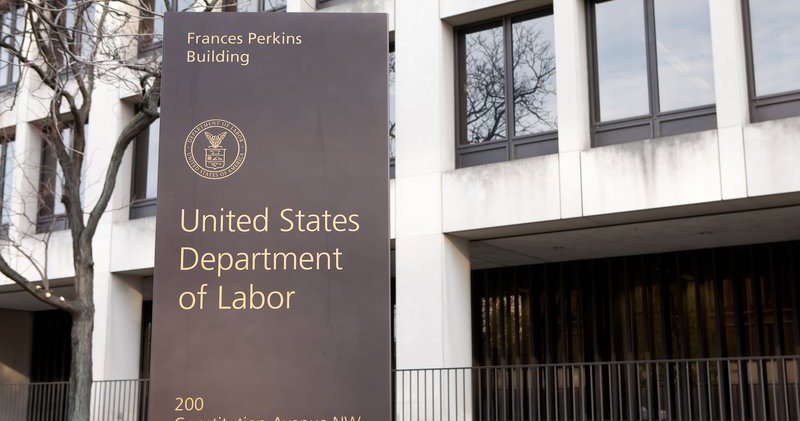

In June 2019, the U.S. Department of Labor (DOL) published a notice of proposed rulemaking (NPRM) that set out a regulatory framework for a system of industry-recognized apprenticeship programs (IRAPs). The IRAP system is designed as an alternative to the existing system of Registered Apprenticeship, with a distinct set of regulatory requirements for the programs and a distinct process for securing government recognition. The proposed rule outlines the role of Standards Recognition Entities (SREs): third party entities that DOL will recognize and grant authority to approve and monitor programs in accordance with the proposed regulatory requirements.
For the last two years, the Trump administration has championed IRAPs as a means of rapidly expanding America’s apprenticeship system and extending it into new industry sectors. Growing apprenticeship is a worthy goal and one that we share. However, the proposed regulations raise many questions on the role of SREs and their capacity to ensure that programs meet the quality hallmarks of the proposed regulations.
This week, the Center on Education & Skills at New America submitted comments to DOL highlighting several shortcomings with the IRAP system as described in the NPRM:
Additionally, New America, along with the National Skills Coalition, Advance CTE, the Center for Law and Social Policy (CLASP), Jobs for the Future (JFF), the National Association of State Workforce Agencies, and the National Fund for Workforce Solutions submitted joint comments affirming the importance of federal policy that supports increasing the number of apprenticeship opportunities, particularly in nontraditional occupations and for underserved populations. Consistent with the Apprenticeship Forward Collaborative’s principles for expanding quality apprenticeships, our organizations offered several suggestions to guide investments, policy development, data collection, and evidence building for apprenticeship.
Senior Policy Advisor, Center on Education & Labor