
Table of Contents
- Fueling the Fight for Net Neutrality
- Embracing Ranked-Choice Voting as a Pathway to Pluralism
- Measuring U.S. Drone Use and Misuse
- Fulfilling the Promise of Child Savings Accounts
- Linking the Individual Mandate and Social Responsibility
- Tracking Terrorism in the United States
- Early Education Doesn't End at Pre-K
- Making Higher Education Outcomes Transparent
- Redefining Care Policy
- Using TV "White Spaces" to Create Equitable Internet Access
- Investing in America's Future Thinkers
- Proposing the Public Option
- Creating a Public Interest Technology Sector
- Building a New Practice of Public Problem-Solving
- Expanding Access to High School-Age Youth for High-Quality Apprenticeship Opportunities
- Engaging North Korea
- A Universal 401(k) Plan
- Measuring the Internet for Everyone
- Rethinking Economic Policy
- Documenting the Long Wars
- Ranking Digital Rights
- Future Tense
- Using Fiction to Make Policy More…Realistic
- Pop-Up Magazine
- Developing an MA in Global Security
- Helping Communities Deploy Mesh Networks
- Partnering with Universities
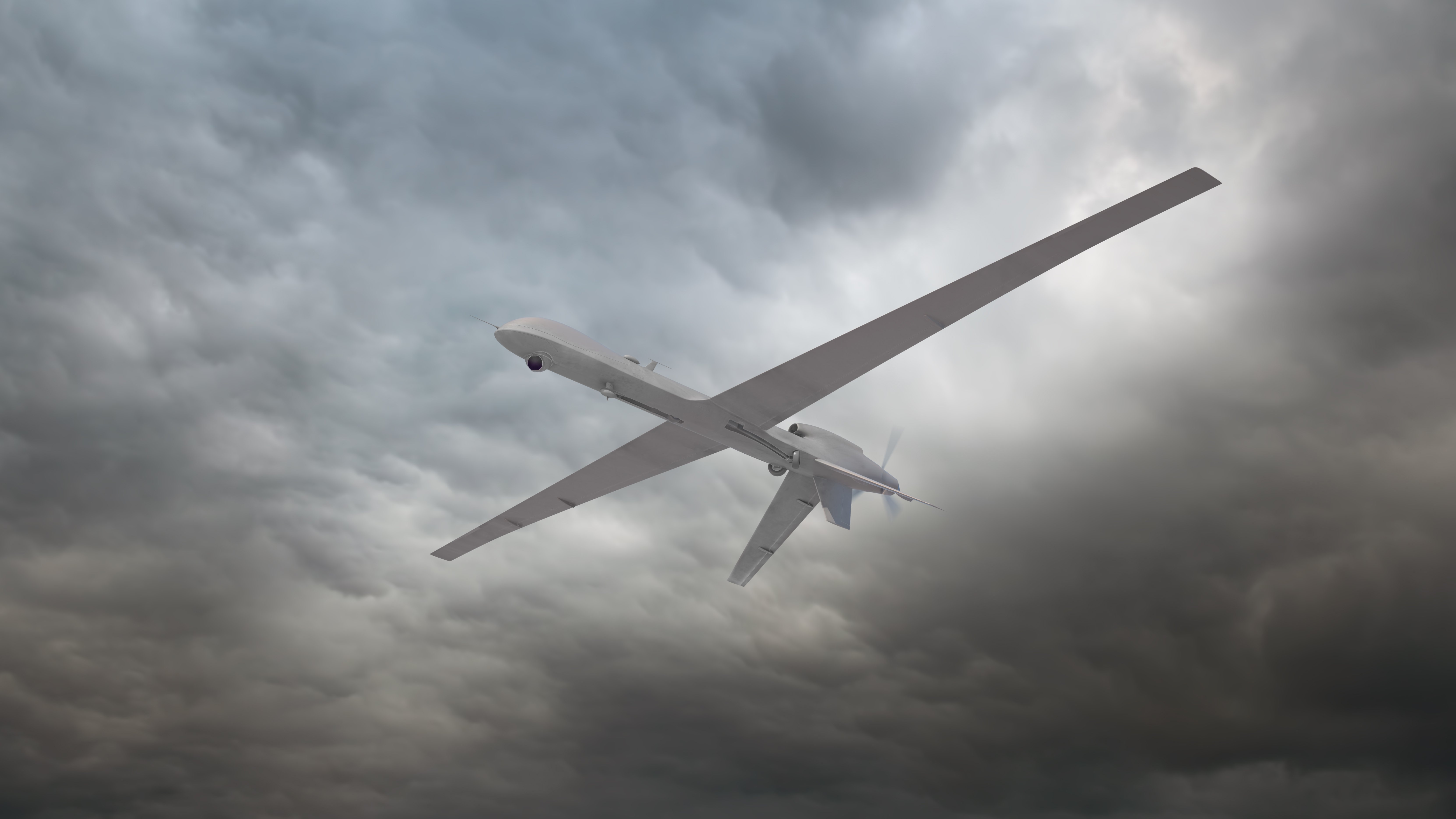
Measuring U.S. Drone Use and Misuse
Idea
Creating the most definitive database of CIA drone attacks, as well as monitoring extra-judicial killings by the U.S. government, will make the world safer.
Incubation
International Security Program Director Peter Bergen created the drones database in 2009, in response to official U.S. government silence about the scope of the CIA drone program in Pakistan and claims by Pakistani sources of numerous civilian casualties and counterclaims by anonymous U.S. officials of scant civilian casualties.
Impact
This project has continued for almost a decade, allowing New America researchers to discover a number of important trends in America’s covert drone program. For example, while in 2006 nearly 100 percent of drone attacks in Pakistan killed civilians, by 2013, the civilian casualty rate had dropped to nearly zero in Pakistan. In addition, while the drone program under former President Barack Obama killed around 3,000 people, our data showed that militant leaders represented only a small number of victims—around 2 percent of the total. New America expanded the database to also examine U.S. drone strikes in Yemen and Somalia. In the final year of the Obama White House, administration officials published their own account of the drone program and credited the work of New America in making the program more transparent and accountable.