Table of Contents
- Fueling the Fight for Net Neutrality
- Embracing Ranked-Choice Voting as a Pathway to Pluralism
- Measuring U.S. Drone Use and Misuse
- Fulfilling the Promise of Child Savings Accounts
- Linking the Individual Mandate and Social Responsibility
- Tracking Terrorism in the United States
- Early Education Doesn't End at Pre-K
- Making Higher Education Outcomes Transparent
- Redefining Care Policy
- Using TV "White Spaces" to Create Equitable Internet Access
- Investing in America's Future Thinkers
- Proposing the Public Option
- Creating a Public Interest Technology Sector
- Building a New Practice of Public Problem-Solving
- Expanding Access to High School-Age Youth for High-Quality Apprenticeship Opportunities
- Engaging North Korea
- A Universal 401(k) Plan
- Measuring the Internet for Everyone
- Rethinking Economic Policy
- Documenting the Long Wars
- Ranking Digital Rights
- Future Tense
- Using Fiction to Make Policy More…Realistic
- Pop-Up Magazine
- Developing an MA in Global Security
- Helping Communities Deploy Mesh Networks
- Partnering with Universities
Early Education Doesn't End at Pre-K
Idea
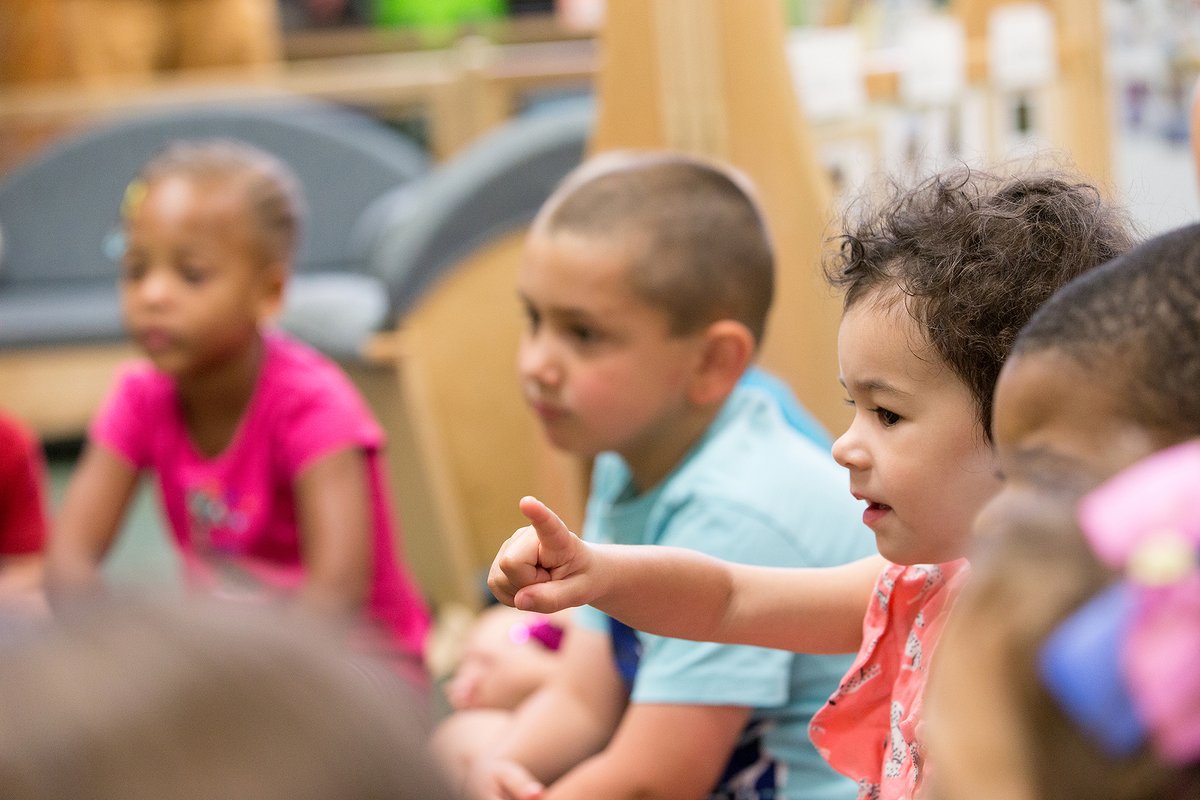
Starting in the mid-2000s, New America’s Early & Elementary Education Policy team began to call out our country’s education system for ignoring the learning path of our youngest Americans: “We, as a nation, are doing a very good job of squandering human potential, and making life harder for all Americans as a result,” the team wrote in 2010. “This has to stop.”
Incubation
Led by Lisa Guernsey and then Laura Bornfreund over the past nine years, the team has laid out the case for a fundamental rethinking of education policy, starting at birth and going through the third grade—work that has helped to spur communities and states to improve their early-learning offerings and change school systems. They have argued that the earliest years of children’s lives are full of capacity for learning, and that early education doesn’t end at Pre-K. More specifically, they argue that our traditional start of education at kindergarten is too late, and that how we educate children until third grade isn’t coordinated enough with how children learn in their early years
Impact
The Early & Elementary team has influenced federal policy (the Obama administration’s Race to the Top Early Learning Challenge and the new ESSA law), as well as how states are training educational leaders and teachers to better bridge the gap between preschool and elementary school. For instance, state leaders from Kentucky to Massachusetts to Virginia and many in between have embraced the change. States are now developing new policies to support the training of—and, in some cases, better compensation for—early educators and educational leaders. Most importantly, New America’s team has helped to shift the mindset of policy leaders and educators across the country to recognize the learning continuum from birth through the third grade, which in turn should result in better educational outcomes for children and stronger citizens for our next generation.