
Anne-Marie Slaughter
CEO, New America
In 2019, New America celebrates 20 years of innovation and impact. Since our founding in 1999, we have promised to bring new ideas and new voices into America’s public discourse: big, bold ideas that anticipate the need for sweeping reform. Over the years, we’ve also made it clear that we don’t stop at just developing big ideas—we want to ensure that those ideas have impact, through law, policy, or technological and practical solutions that help Americans and people around the world. Below, find a list of our biggest ideas, along with some innovative methods to increase our impact.
“New America has been a crucial incubator for some of the most important works of nonfiction to be published in the last 20 years. There are at least three reasons for that: it understands, values and nourishes great reporting by understanding how hard it really is to do; it fosters an atmosphere of honest deliberation; it creates a climate of solidarity so that journalists working on different projects can support each other. Publishers are grateful for all of that because the combination of all three qualities produces great books.”
Priscilla Painton, Executive Editor of Simon & Schuster
Twenty years on, we are dedicated to renewing the promise of America by continuing the quest to realize our nation’s highest ideals, honestly confronting the challenges presented by rapid technological and social change, and seizing the opportunities those changes create in order to expand opportunity and equity for all. America will celebrate its 250th birthday in 2026; we will be a very different country than during our bicentennial in 1976. It has never been more important to find a way to live up to our ideals, even as we recognize how far short of them we have often fallen over our history.
Here, we highlight some of the big ideas that demonstrate the breadth and impact of New America’s work.
Everyone should have equal access to the internet, and providers shouldn’t be able to discriminate or charge different prices for different content or because of the way the user connects.
Tim Wu first coined the term “net neutrality” in 2003, later popularizing it in his 2010 book The Master Switch, which he wrote while on a New America fellowship. Once it was in the lexicon, New America embraced the concept as a motivating ideal of the Open Technology Institute (OTI), formed in 2009. The principle of openness—supporting access to an open internet, open spectrum, and open data—has always been important to OTI.
OTI’s years-long effort to bring federal law in line with the notion of net neutrality saw an important victory in 2015, when the Federal Communications Commission adopted the strongest net neutrality protections in American history. OTI was instrumental in securing and defending those rules, filing hundreds of pages of comments with the FCC and helping the FCC successfully defend the rules from immediate attacks in court. In 2017, the FCC, under new leadership, repealed the rules, shifting OTI’s work to an all-out defensive fight to save net neutrality in the courts, in Congress, and in the states, including California, which recently passed SB. 822—the nation’s strongest net neutrality law—to fill the gap left by the federal level repeal.

American democracy should embody the true pluralism of our country—the many backgrounds, ideas, religious traditions, and institutions that define our shared experience—and our systems of voting and representation should encourage responsiveness and new coalitions in the face of changing public challenges. That’s why, since 2005, New America has gone beyond familiar solutions to improve democracy to explore real alternatives to the winner-take-all election structures that shut out new ideas and new coalitions.
In the 2000s, New America fellows advocated instant-runoff voting in San Francisco and other localities, and more recently, New America’s Political Reform Program has been one of the leading voices for both ranked-choice voting and multi-member legislative districts. These two electoral structures ensure that more viewpoints are reflected and that candidates have to seek broad support.
With Maine becoming the first state to implement ranked-choice voting and to use it to determine the outcome of a congressional race, we have the beginnings of a real test of these ideas, and the Political Reform program will continue to study them closely, looking for lessons for other states and for ideas to improve this innovative system.

Creating the most definitive database of CIA drone attacks, as well as monitoring extra-judicial killings by the U.S. government, will make the world safer.
International Security Program Director Peter Bergen created the drones database in 2009, in response to official U.S. government silence about the scope of the CIA drone program in Pakistan and claims by Pakistani sources of numerous civilian casualties and counterclaims by anonymous U.S. officials of scant civilian casualties.
This project has continued for almost a decade, allowing New America researchers to discover a number of important trends in America’s covert drone program. For example, while in 2006 nearly 100 percent of drone attacks in Pakistan killed civilians, by 2013, the civilian casualty rate had dropped to nearly zero in Pakistan. In addition, while the drone program under former President Barack Obama killed around 3,000 people, our data showed that militant leaders represented only a small number of victims—around 2 percent of the total. New America expanded the database to also examine U.S. drone strikes in Yemen and Somalia. In the final year of the Obama White House, administration officials published their own account of the drone program and credited the work of New America in making the program more transparent and accountable.

Economic inequality and the unequal distribution of opportunity have long been concerns for scholars at New America. As early as 2003, New America’s Ray Boshara articulated a vision to combat these social ills by designing a federal, legislative plan for universal children’s savings accounts, or CSAs.
Built on pioneering scholarship from the world of academia, New America’s plan for universal CSAs was designed to boost opportunity by democratizing the ownership of capital and empowering rising generations of Americans to make productive investments in their future. This legislative ambition was first introduced in 2004 as a piece of bipartisan legislation called the ASPIRE Act. The proposal called for opening an account for each child born in the United States, and for each account to be seeded with a $500 deposit, allowed to grow tax-free. Contributions to the account were to be encouraged by the prospect of tax-free growth and matching contributions for children from families with lower incomes and fewer resources, and the accumulated funds in the accounts were dedicated for key life events related to maximizing opportunity—things like education after high school, homeownership, and retirement.
In the 15 years since its introduction, the ASPIRE Act has continued to inspire new iterations of the same idea and has also helped to spark a movement that is making CSAs a reality—more than 50 CSA programs are now running nationally, serving nearly 400,000 children in more than 30 states.

New America co-founders Ted Halstead and Michael Lind linked the personal responsibility of the individual mandate to purchase health insurance with the social responsibility to re-organize insurance markets through fairer rules and income-based subsidies. This linkage was central to their 2001 book The Radical Center, which also served as the founding document for New America and its approach to domestic policy in 2001.
Their vision both attracted policy mavens and politicians to New America and helped make it a kind of central nervous system of serious bipartisan health care reform efforts in the 2000s. In a way that would later meaningfully influence their book, the specific details of how an individual mandate could work were first developed in 1991 by Mark Pauly and colleagues at the University of Pennsylvania and elsewhere, and were incorporated into a bipartisan counter-proposal to Bill Clinton’s Health Security Act, which centered on an employer mandate. By the mid-2000s the progressive Center for American Progress had embraced the individual mandate as a key element of its respective national reform proposals.
New America Health Policy Program Director Len Nichols and colleagues supplemented these ideas with their own analyses. They also helped shape legislative proposals that centered on the individual mandate, which had broad bipartisan support. Along with Romneycare in Massachusetts, the arguments that had been repeatedly articulated in constructing and defending the Wyden-Bennett Health Americans Act legislation helped set the stage for the debate about the individual mandate between Hillary Clinton (for) and Barack Obama (against) in the 2008 Democratic primaries, as well as the debate about the Affordable Care Act itself in the Congress of 2009-10 and beyond (and quite possibly forever).
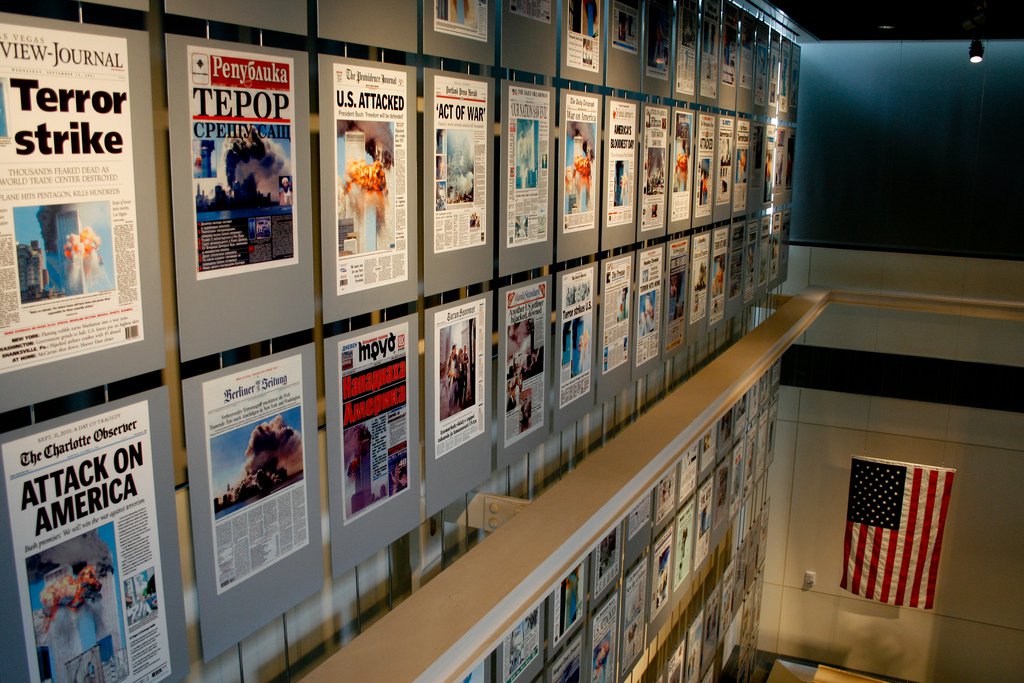
New America’s International Security program (ISP) created a database about terrorism in the United States since 9/11 to track the actions of jihadist terrorists and to better understand who they are, and the reality of threats in order to promote better policy and judicious resource allocation.
ISP established the website in 2010 to better understand who is charged with acts of jihadist terrorism in the United States. The dataset was subsequently expanded to include any act of lethal political violence.
In 2017, New America’s research on the terrorist threat played a central role in the public and legal backlash against the Trump administration’s travel ban. Our data showed that the ban would not have prevented any of the deadly attacks in the United States since 9/11 because it singled out countries of origin that had not been the home countries of any domestic terrorists in the prior 16 years. New America’s research also showed that the Trump administration’s claims that a southern border wall would stop terrorists were nonsense. New America’s commitment to tracking deadly terrorist acts, regardless of motivation, provided an essential counterpoint to the tendency to focus only on jihadist attacks. In November 2017, Senator Dick Durbin introduced the Domestic Terrorism Prevention Act of 2017 to address the terrorist threat from domestic, non-jihadist terrorists. In doing so, Senator Durbin cited New America’s data on deadly far-right attacks. The Obama administration appointed a senior Department of Justice official to focus on non-jihadist domestic terrorists and cited New America’s research when that official was appointed.

Starting in the mid-2000s, New America’s Early & Elementary Education Policy team began to call out our country’s education system for ignoring the learning path of our youngest Americans: “We, as a nation, are doing a very good job of squandering human potential, and making life harder for all Americans as a result,” the team wrote in 2010. “This has to stop.”
Led by Lisa Guernsey and then Laura Bornfreund over the past nine years, the team has laid out the case for a fundamental rethinking of education policy, starting at birth and going through the third grade—work that has helped to spur communities and states to improve their early-learning offerings and change school systems. They have argued that the earliest years of children’s lives are full of capacity for learning, and that early education doesn’t end at Pre-K. More specifically, they argue that our traditional start of education at kindergarten is too late, and that how we educate children until third grade isn’t coordinated enough with how children learn in their early years
The Early & Elementary team has influenced federal policy (the Obama administration’s Race to the Top Early Learning Challenge and the new ESSA law), as well as how states are training educational leaders and teachers to better bridge the gap between preschool and elementary school. For instance, state leaders from Kentucky to Massachusetts to Virginia and many in between have embraced the change. States are now developing new policies to support the training of—and, in some cases, better compensation for—early educators and educational leaders. Most importantly, New America’s team has helped to shift the mindset of policy leaders and educators across the country to recognize the learning continuum from birth through the third grade, which in turn should result in better educational outcomes for children and stronger citizens for our next generation.

States and the federal government spend hundreds of billions of dollars each year to help support students as they enroll in colleges and universities across the country. And yet, despite this investment, students and policymakers know shockingly little about how well particular schools serve students. The answer to the question, “Is college worth it?” is an unequivocal yes—on average. But the real question is: “In which program, at which college, at which price, and for which students is it worth it?” Regrettably, we can’t answer that question because the private higher education lobby convinced Congress to pass a law to ban the Department of Education from using already-collected information in order to answer it. The Education Policy Program has led the fight to change this—to end what we call the College Blackout.
After Congress passed the ban on better data in 2008, the issue was considered a “done deal,” and revisiting it was treated as a political non-starter and a fool’s errand. But New America worked to find solutions and build political will, leading directly to the introduction of a bill in 2011 that would create a work-around to the ban. Future iterations of the bill capitalized on the growing calls for transparency and improved on the legislation, adding new support from policymakers. Future iterations of the bill capitalized on the growing calls for transparency by overturning the ban completely and adding new legislative support. In 2014, New America released a now-seminal report, College Blackout, which shed light on the history of and problems with the ban. We have since worked to build a broad, bipartisan coalition of students, student advocates, colleges, employers, researchers, and other stakeholders to advocate for better data to help answer critical questions about college outcomes.
Since the release of New America’s report, bipartisan momentum for overturning the ban has skyrocketed. In 2017, Sens. Hatch, Warren, Cassidy, and Whitehouse introduced the College Transparency Act—a bill that has garnered support from dozens of other members of the House and Senate from both parties and over 130 outside organizations. Following the 2018 midterm elections, a New York Times article named the College Transparency Act as one of six key issues likely to break the Washington gridlock
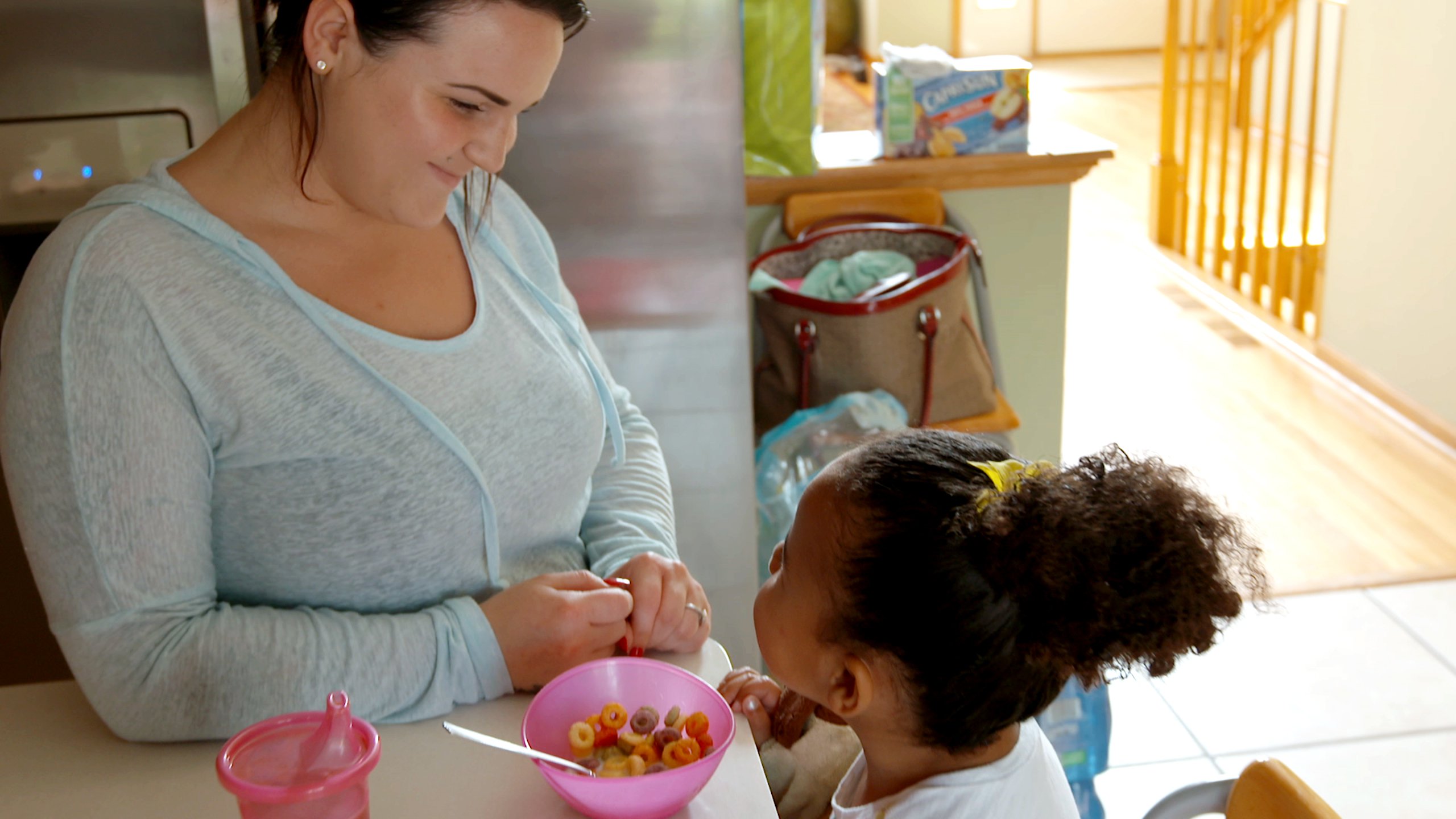
Recognizing that families that used to be of the rigid breadwinner-homemaker model had become two breadwinners or a single breadwinner, New America Fellow Karen Kornbluh popularized the idea that American policy had not changed to keep up, proposing a series of policies to address this gap.
Kornbluh wrote her 2001 Washington Post piece “The Mommy Tax” shortly before coming to New America, citing the work of Joan Williams and Jane Waldfogel. While many had examined this arena, New America was the first to frame it as part of a changing economy. New America Senior Policy Analyst Lauren Damme proposed paid family leave as part of the Next Social Contract Initiative. Building on those foundations, New America launched the Better Life Lab. In 2016, the program released the New America Care Report, which maps the cost, quality, and accessibility of childcare, and it has since worked to change the way we think about the intersection of gender, work, and social and economic policy through rigorous analysis, practical toolkits, and data-driven storytelling.
Work from New America authors has changed the national conversation around women, work, family, and care issues. In 2012, when she was still a New America board member, current CEO Anne-Marie Slaughter wrote the groundbreaking Atlantic article, “Why Women Still Can’t Have It All,” which re-launched a national conversation about gender equality. That same year, Fellow Liza Mundy wrote The Richer Sex, which explores how women’s rising economic power affects the dynamics of marriage, dating, work, and home life. Two years later, in 2014, Fellow Brigid Schulte wrote Overwhelmed: Work, Love and Play When No One Has the Time, which argues that workplaces have created a culture that is less productive and less happy. And with her 2015 book, Unfinished Business: Women Men Work Family, Slaughter argues that gender equality can never be achieved until societies value care work as much as career work, with prescriptions for government, workplaces, and couples. This work continues within our Better Life Lab program, which actively works for culture change on these issues via its channel on Slate and the Better Life Lab podcast.

New America’s Michael Calabrese saw that the transition to digital television would free up a valuable public resource: the empty broadcast TV channels known as “TV white spaces.” He initially proposed in 2002 that vacant channels in each market could be opened for unlicensed use, enabling “Super Wi-Fi” to narrow the digital divide in rural and other underserved areas.
Through Congressional testimony, coalition building and policy research, Calabrese’s Wireless Future Program showed how vacant TV channels are uniquely suited to extend wireless broadband to rural and unserved areas. A New America pilot deployment at West Virginia University later showed how open, public access to vacant “beachfront spectrum” could facilitate more ubiquitous and low-cost wireless broadband connectivity in rural areas.
The Federal Communications Commission (FCC) unanimously adopted the idea of opening unused public airwaves for “Super Wi-Fi” in 2010. The United Kingdom, South Korea and a half-dozen emerging market nations have adopted it since. Microsoft and Google funded pilot networks around the world, mostly for education. In 2017, Microsoft launched its Airband initiative with a goal of using TV white space networks to connect 2 million rural Americans who currently lack fast and affordable broadband by 2022.
At a time when journalism was dominated by the 24-7 news cycle and academia was becoming ever more esoteric, our fellowships were founded as a way to provide support to talented individuals as they pursued more ambitious endeavors. Books, films, photo essays, longform storytelling, policy projects—these are bodies of work that require both time and funding, but that once produced, have the capacity to reach a broad audience and change the way we think about pressing issues. In a short period of time, our Fellows became prominent voices reflecting the diverse backgrounds and ideologies of America.
In 2008, the Fellows Program became more formalized in form and structure. The program aims to support National Fellows in three primary areas: providing funding to support talented individuals, building a community grounded in cohort gatherings throughout the year, and providing access to platforms and partners that can support their work. Today, in light of the grave challenges newsrooms and publishers face, the Fellows Program has become indispensable to journalism and storytelling. The support we provide can help turn an interesting story into a significant body of work. New America has gained a reputation among industry experts as an organization that takes on serious projects with lasting impacts.
Since its inception in 1999, New America has been an intellectual home to more than 200 National Fellows, resulting in the publication of more than 100 books, seven feature-length documentary films, and several longform reporting projects. Books published by New America National Fellows include 12 New York Times bestsellers and three Pulitzer Prize finalists; 61 books were featured in the New York Times Book Review. In 2019, Eliza Griswold received the Pulitzer Prize in Nonfiction for Amity and Prosperity: One Family and the Fracturing of America. A number of National Fellows have gone on to win prestigious fellowships and awards, including the MacArthur “Genius” grant and the National Magazine award.

Recognizing that any move toward introducing universal health coverage required bridging exceedingly difficult political and administrative gaps, Jacob Hacker developed the so-called "public option" while an inaugural New America fellow in 2001. His idea of a public insurance pool based on the Medicare model gave political candidates a proposal that brought America a crucial step closer to achieving universal coverage.
Hacker released his idea in a 2001 paper and continued to develop and distribute it. He was aided by Roger Hickey of the Campaign for America's Future, who, along with Hacker, introduced the idea to leading presidential candidates. By 2008, it was part of all three major Democratic candidates' platforms and was a component of then-President Barack Obama's original health care reform legislation.
The public option didn’t survive 2008, but it remains a key component of continued efforts to update the Affordable Care Act. It can also be credited with making universal health care more popular among voters, as it polled better than other proposals in advance of the 2008 presidential election

With policymakers racing to address societal changes wrought by rapidly evolving technology, a new field was needed to leverage technical expertise in support of governments, nonprofits, and the people they serve. New America sought to create a new field of public interest technology dedicated to helping resource-strapped institutions leverage the technical expertise needed to better serve all people.
In 2017, we brought on a cohort of public interest technology fellows, positioned across the country, to help infuse local governments with technology expertise and show the transformative impact of bringing technologists onto their teams. Complementing the PIT fellows is TechCongress, a program initiated by Travis Moore which has, to date, placed 23 technologists in Senate and House offices. Our fellows serve as technology policy advisors to members of Congress over the course of their one-year Congressional Innovation Fellowship.
The PIT fellows have done extraordinary work, connecting recent immigrants to critical services at the border, collecting a database of services for opioid addicts across the country, and clearing a backlog of pending foster families waiting to be approved. Meanwhile, the TechCongress fellows have helped pass the OPEN Government Data Act into law, led the investigation into Cambridge Analytica's data sharing practices, changed defense procurement rules to allow startups to better compete for contracts and serve our servicemembers, and revealed that the Russian government is targeting the personal emails and devices of members of Congress. Furthermore, PIT launched a groundbreaking University Network (PITUN) in March 2019, which awards grants to support the development of new public interest technology initiatives/institutions in academia and fosters collaboration among network members. Its first grants were announced in October 2019 to 21 schools.
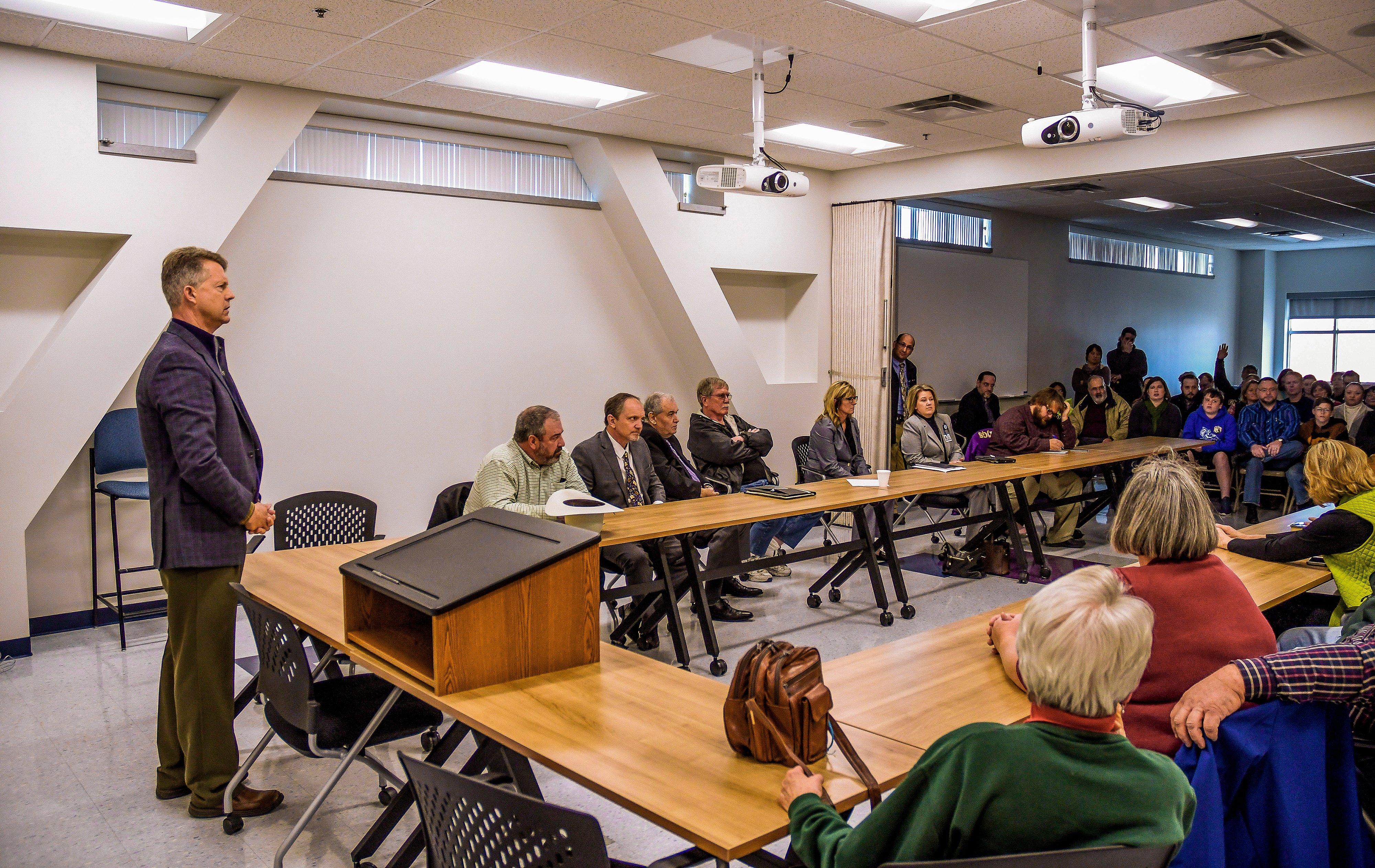
To scale the work of public problem-solving and ensure that good policy ideas actually reach the people they’re meant to serve, Anne-Marie Slaughter and Tara McGuinness identified four key elements of effective policymaking, arguing that these should guide future work. This work represented a departure from the previous century of policymaking, which focused on the origin of the idea (i.e., the policy creation) rather than the constituents it was meant to serve.
In their seminal piece in the Stanford Social Innovation Review, Slaughter and McGuinness argued that policymaking should be people-centered, experimental, data-enabled, and designed to scale. New America implemented these elements in ShiftLabs, a project aimed at helping local governments across the country reckon with dramatic shifts brought to their workforces by automation and artificial intelligence.
Rhode Island’s embattled foster care system has seen marked improvement in recent years—a shift catalyzed not by large-scale systems modernization, but, as PIT fellow Marina Nitze observed, by hands-on, community-oriented policymaking. Nitze worked with a team from the Rhode Island Department of Children, Youth, and Families (DCYF) to develop an essentially people-centered initiative: a weekend event intended to shepherd as many pending foster families as possible through outstanding requirements. Ultimately, 174 families completed in one weekend a process that would normally take months, and the event also yielded more intangible benefits: The sense of community engendered could inspire greater commitment from new foster families—and wouldn’t have been possible without DCYF’s adoption of scalable, constituent-oriented solutions.

To better nurture the potential of our nation's high school-age youth, New America's Brent Parton authored a seminal report called Youth Apprenticeship in America Today. It catalyzed the idea of youth apprenticeship as a means to expand access to high-quality opportunities by creating affordable, reliable, and equitable pathways from high school to good jobs and college degrees.
In October 2018, New America launched the Partnership to Advance Youth Apprenticeship (PAYA), a multi-year, multi-partner initiative to support place-based efforts to expand access to high-quality youth apprenticeship opportunities for high school-age youth. Led by New America, PAYA will build awareness of youth apprenticeship, disseminate analysis about the conditions and strategies that make it successful, and provide direct support to local innovators working to expand youth apprenticeship in cities and states across the country.
In May 2019, the Partnership to Advance Youth Apprenticeship selected nine grantees from an extremely competitive pool of over 220 applicants from 49 states and Puerto Rico. These grants will support place-based partnerships of employers, educators, community partners, and policy leaders who are working together to build high-quality youth apprenticeship programs to improve outcomes for students, employers, and communities. In addition to these nine stand-out programs, PAYA formed a network of over 40 other youth apprenticeship partnerships across the country to better share resources, information, and opportunities amongst members and to support the growth of a well-networked national field.
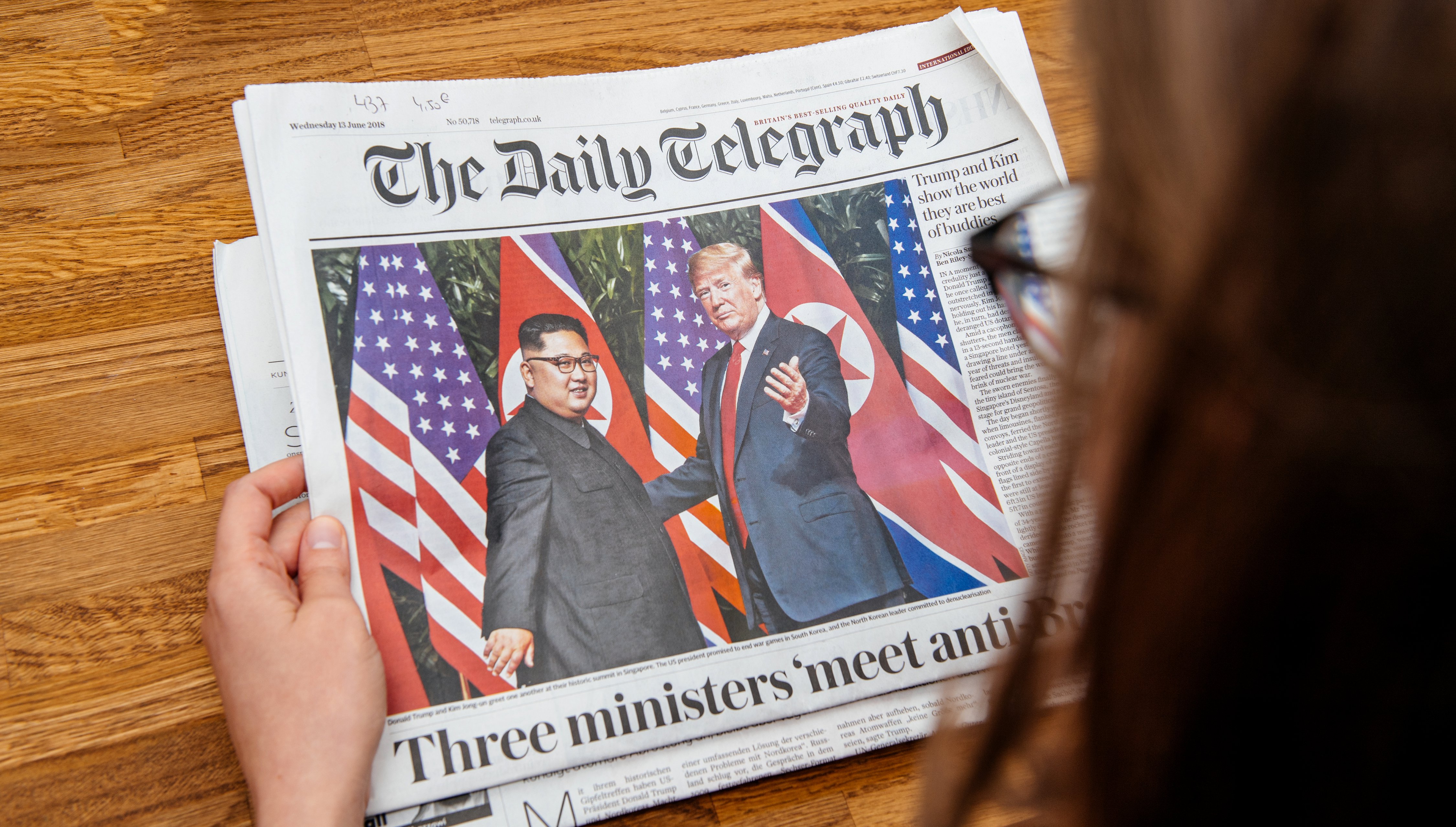
Building on her groundbreaking work in the field of “informal diplomacy,” especially with countries that have limited or no official relations with the United States, New America’s Suzanne DiMaggio initiated a Track 2 dialogue with North Korea to help identify pathways for diplomatic progress. In the absence of normal relations, this effort sought to: (1) defuse tensions between Washington and Pyongyang during a period of escalating tensions; (2) urge the Trump administration to communicate a coherent, diplomacy-oriented U.S. policy toward North Korea; and (3) generate ideas around getting productive official talks underway.
DiMaggio convened a series of discussions that brought together North Korean and U.S. officials and experts focused on nuclear issues, regional security, and bilateral relations. The initiative drew upon a series of best practices DiMaggio developed throughout the long-standing U.S-Iran Dialogue, which she has led through the course of nearly two decades and multiple political transitions in both countries.
As part of this process, DiMaggio facilitated the first official discussions between the Trump administration and North Korean government representatives in Oslo in May 2017. These exchanges led to the release of Otto Warmbier—an American university student who had been imprisoned in North Korea since January 2016— negotiated by Joseph Yun, the U.S. Special Representative for North Korea.

While America's private pension system provides powerful saving incentives (tax breaks, employer contributions, the discipline of automatic payroll deduction, and professional asset management), this employer-based system covers only half of all workers. Further, two-thirds of the tax breaks for retirement savings go to the most affluent 20 percent. The solution is a universal 401(k) plan that facilitates and encourages lifelong retirement saving. All workers would have the option of contributing automatically to their own plan by payroll deduction, the government would match voluntary deposits with refundable tax credits deposited directly into the worker's account, and default options would encourage saving rather than non-saving. This supplemental system would make retirement saving easier, automatic, fully portable, and fair.
New America program director Michael Calabrese initially developed this idea in the early 2000s in writings for the Atlantic and other publications, as well as several research papers and Congressional testimonies. He partnered with other influential thinkers to promote the concept and demonstrated how it would work fiscally and how states could adopt it—even if Congress did not. Calabrese worked to improve the framework at New America for more than a decade.
New America’s California fellows helped shepherd the idea into law as the California Secure Choice Retirement Plan, which launched in November 2019. Secure Choice mandates workplace saving for the lower-wage half of the population without a retirement savings plan at work. Connecticut, Illinois, Maryland, and Oregon have followed California’s lead, adopting Secure Choice programs. Legislation is pending in other states.

In 2008, Vint Cerf, one of the “fathers of the Internet,” began a series of conversations with Internet researchers to learn more about challenges they faced while trying to study Internet performance. Researchers identified several problems, including a lack of widely deployed servers with ample connectivity to support internet measurement experiments. They also reported an inability to easily share large data sets with one another. There was no public resource that could provide combined performance data to policymakers or to consumers interested in understanding their Internet performance over time. As a result of these conversations, Measurement Lab (M-Lab) was founded to help address the core problems experienced by researchers and to promote large-scale open source measurement of the internet.
M-Lab was founded in 2009 by New America’s Open Technology Institute, the PlanetLab Consortium, Google, and a group of academic researchers. It was created as an open source project with contributors from civil society organizations, educational institutions, and private sector companies dedicated to providing an open, verifiable measurement platform for global network performance; hosting the largest open internet performance dataset on the planet; and creating visualizations and tools to help people make sense of internet performance.
M-Lab has become the largest open source internet measurement effort in the world, performing more than 2 million measurements a day by the time it celebrated its tenth anniversary. M-Lab provides internet measurement tests that help consumers develop an accurate picture of their internet service by offering a state-of-the-art server platform. The data are collected and then released to the public for use by policymakers, researchers, and others who are interested in internet issues. New America is proud to have hosted that growth before M-Lab spun out in 2019 to join Code for Science and Society.

New America’s Economic Growth program sought to chart a new growth path for the U.S. economy in the wake of the Great Recession. Through a series of policy papers and public forums, it outlined an agenda that emphasized expanded public investment, new trade and investment relations, full employment macroeconomic policy, and socioeconomic measures that would reduce inequality and expand both domestic and global demand. The ultimate goal of the program was to promote a more balanced pattern of domestic and international growth that would result in a stronger productive economy capable of supporting rising living standards for all Americans.
The program’s seminal papers and projects served notice of the major rethinking that would be required to produce widespread prosperity in the new post-bubble era. America’s New Abundant Economy argued that abundance, not scarcity, was the principal challenge facing the U.S. and world economy. Too much labor, capital, and productive capacity was leading to disinflation, as well as asset and credit bubbles. Supply-side policies therefore had to be accompanied by more robust demand-creating structural changes. The Program’s three-year project, Current Account Surplus Watch, warned that big current account surplus economies, like China and Germany, were creating dangerous imbalances in the global economy, leading to large unsustainable debt build-ups in more consumer-oriented economies. These economies would need to help rebalance the global economy by consuming more and saving less. The Program’s analysis of private debt in America laid out why private, and not public debt was the cause of the 2008 financial crisis—and why the build-up of private debt was creating a major drag on economic growth and the middle-class standard of living. And The Way Forward laid out the case for a massive domestic and global public investment program that, in the wake of the financial crisis, would make up for weak private investment in the United States and other advanced industrialized economies. Public investment would both expand demand and strengthen the productive economy.
The program’s recommendations helped inform the U.S. Treasury push at the 2009 and 2010 G-20 summits to rebalance the world economy and encourage current surplus economies to consume more and export less. The program’s work on public infrastructure investment and the importance of increased public spending led to various proposals for a national infrastructure bank on Capitol Hill. They also helped catalyze a rethinking in the investment community about the need for more expansive fiscal policies and more unconventional monetary measures. Ten years after its inception, many of the Economic Growth’s program core ideas have become conventional wisdom in much of the policy and investment community.

The United States’ post-9/11 wars in Afghanistan, Iraq, and other countries against groups such as al-Qaeda and ISIS are America’s longest wars. Why have these wars proven so protracted?
After 9/11, New America published twenty books by authors Peter Bergen, Rosa Brooks, Steve Coll, Anand Gopal, Souad Mekhennet, Fred Kaplan, David Kilcullen, Daniel Rothenberg, Peter W. Singer, Brian Fishman, Nick Schmidle, Nir Rosen, and David Wood that addressed multiple aspects of these long wars.
Three of the books were Pulitzer Prize finalists; five were New York Times best-sellers; and four were turned into documentaries for CNN, HBO, and National Geographic—two of which were nominated for Emmys and one of which won the Emmy for best documentary. Taken together, these books (which have been translated into more than 20 languages) have helped to shape the public’s understanding of al-Qaeda, ISIS, and the Taliban, as well as the actions that the U.S. government and military have taken against these groups.
New America Fellow Rebecca Mackinnon saw the need to create a set of global human rights standards for companies in the information and communications technology (ICT) sector.
Building on her 2012 book Consent of the Networked, which she wrote during her New America fellowship, Mackinnon established a coalition of partners who offered counsel and thought partnership on how to build such a set of global standards.
For the third year in a row, RDR produced a Corporate Accountability Index in 2019, which evaluates the world’s most powerful internet, mobile, and telecommunications companies based on how their disclosed policies and practices affect freedom of expression and privacy. The 2019 Index evaluated 24 companies and include all 22 previously-ranked companies, plus two new telecommunications companies. It has been covered widely in publications across the globe. More critically, a dozen of the companies listed in the 2018 Index have responded, with many reporting steps they have taken since the 2018 Index to improve.

To better amplify good ideas and meet the moment of distributed media, a think tank and university could partner with a publication to leverage the power of all three institutions. People shouldn't merely entrust the future to siloed "experts" who determine the development of technology and scientific inquiry in a silo removed from the rest of us. In a democracy, the citizenry should have a say on the technologies we prioritize and how we govern them in the public interest. For this to happen, we need to find new and innovative ways to engage the public on our technological futures and create more pathways for citizens to learn about where we are heading. That’s why New America launched Future Tense, the Citizen's Guide to the Future, with Arizona State University and Slate magazine.
Thanks to its independence and belief in compelling storytelling, New America was able from its early days to partner strategically with media, publishing State of the Union issues with the Atlantic, an Ideas issue with Time magazine, and the influential "AfPak Channel" with Foreign Policy magazine. Then, in 2011, New America partnered with Slate and Arizona State University to launch Future Tense, a series of events focused on the societal impact of technology—and a permanent, jointly-produced section on Slate's website.
Future Tense is the most successful long-standing content-creating partnership between a think tank, a university, and a widely-read publication, holding hundreds of events organized around compelling questions (e.g., “Will the Internet Always be American?” “How Will We Govern Ourselves in Space?) and reaching millions of monthly readers for 9 years running. In addition to Slate, Future Tense's ideas journalism is also published by partners in Mexico, Brazil, India, and the U.A.E. An early Future Tense event challenging influential sci-fi writers and policymakers to consider how best to govern synthetic biology inspired the creation of Arizona State University’s Center for Science and Imagination, which holds participatory workshops for NASA and other entities aimed at injecting imagination into our designed futures. Working with CSI, Future Tense added a fiction project to its daily ideas journalism last year, publishing a monthly short story and companion essay. To date, three of these stories have been optioned by Hollywood studios for TV or movie adaptations.

Combining narrative and nonfiction to create a new form of book—and means of policy influence.
Peter Singer wrote multiple award-winning nonfiction books prior to coming to New America. But for his exploration of the future of war and technology, he created a unique blend of thrilling fiction and deep-dive research designed to both entertain and inform. Co-authored with August Cole, his book Ghost Fleet: A Novel of the Next World War combined the format of a techno-thriller with over 400 endnote references to explore what armed conflict between the United States, China, and Russia might look like. Its scenarios were not only grounded in real research, but also allowed the project to warn of potential dangers ahead, inspire readers to action via a non-traditional format, and reach a larger audience.
The result was a best-selling book read at both summer beach vacations and military officer courses. The project’s “useful fiction” model became a phenomenon, influencing military projects and tactics (a three billion dollar Navy program was even named after it), sparking congressional legislation and investigations, and changing professional military education (Ghost Fleet was featured on multiple professional reading lists for the military services and even became the basis of a course at National War College). Singer has since spoken on the project’s lessons at over 300 venues ranging from the White House and Pentagon to CIA and Congress.
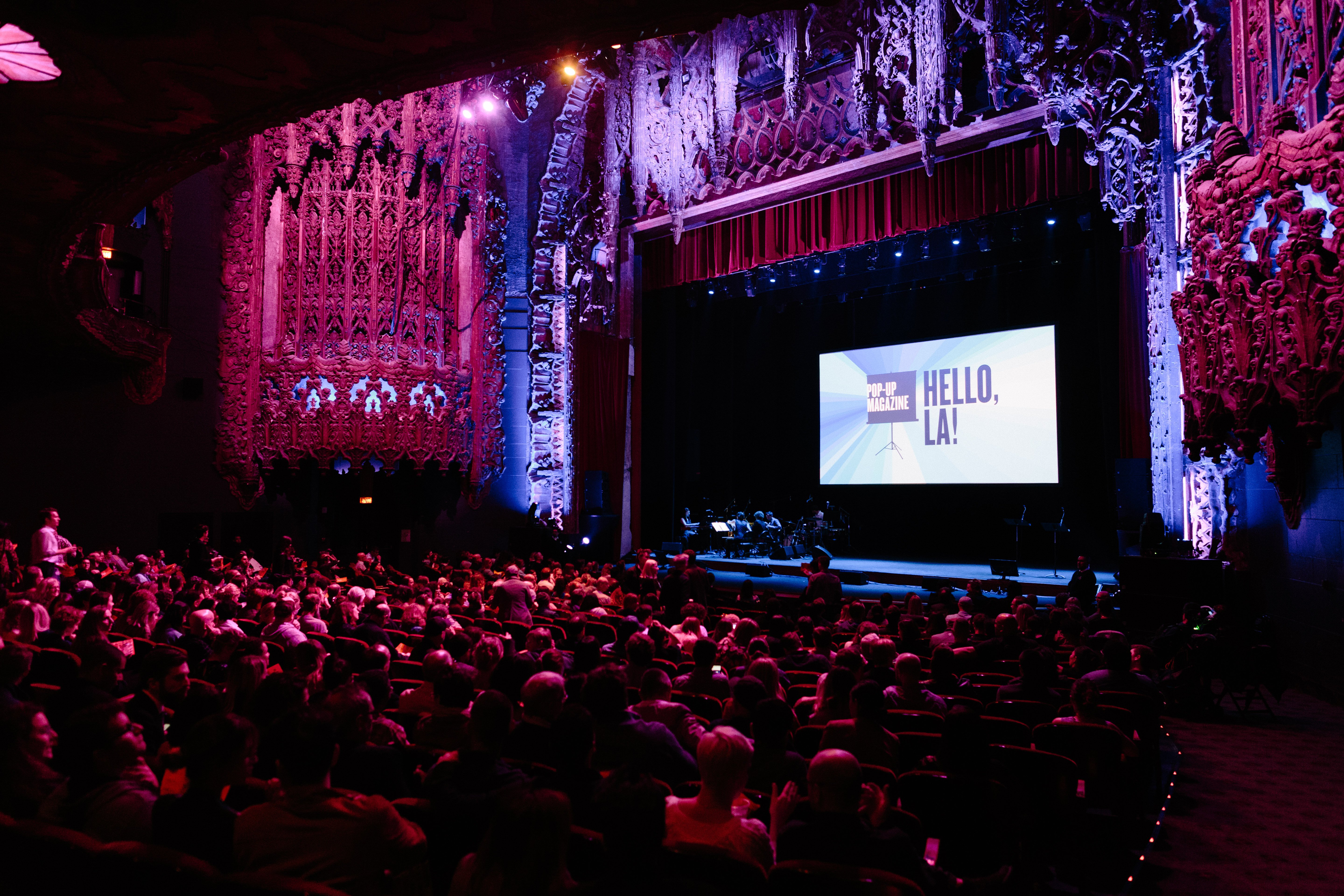
New America California Fellow Douglas McGray launched an experiment to gather and present magazine-style stories by writers, radio producers, photographers, and documentary filmmakers for a live audience. Born of a simple impulse to bring people together around storytelling and ideas, Pop-Up Magazine evolved into increasingly theatrical productions performed at large venues.
Doug took advantage of his fellowship to take a “professional risk,” learning radio reporting and editing to complement his work for national magazines and news outlets. That experience inspired the creation of Pop-Up Magazine. Later in his fellowship, as Pop-Up Magazine grew, he developed a plan to evolve the show into a production company and conceived of the California Sunday Magazine.
Widely recognized for its creativity and innovation, Pop-Up Magazine brings live multimedia journalism to tens of thousands of people per year in more than a dozen cities across North America. Launched at the end of 2014, the California Sunday Magazine publishes ambitious, deeply-reported features from across the American West, Asia, and Latin America. The magazine has been a finalist for thirteen National Magazine Awards, including for General Excellence, Reporting, Feature Writing, Photography, and Design. It was also named Magazine of the Year in 2018 and 2019 by the Society of Publication Designers—the top prize for art and design in American media. Pop-Up Magazine and the California Sunday Magazine were acquired in the fall of 2018 by Emerson Collective (also majority owners of the Atlantic).

To develop and implement an online interdisciplinary and professional graduate program, New America partnered with the School of Politics and Global Studies at Arizona State University (ASU) to launch the Masters in Global Security (MAGS). The MAGS, which is taught by ASU faculty and New America experts, allows students from all over the world (current and former military, government officials, humanitarian workers, and others) to support their career advancement.
The MAGS is a key program of the Center on the Future of War, which was created by ASU and New America in the 2014-2015 academic year (AY) to address urgent conflict and security-related issues through interdisciplinary research, policy-oriented publications, and educational programming. Supported by the Center, the MAGS launched in the 2017-2018 AY as a graduate program within the School of Politics and Global Studies and is now in its third year. Under the program, students have the opportunity to explore the nature of conflict and global security while acquiring tools, skill sets, and insights to influence future policies and programs.
By August 2019, 34 students had completed the MAGS. All MAGS students are required to complete individual or group capstone projects to receive their degree. This spring, the program organized a capstone project with U.S. Special Operations Command, which included a student briefing in Tampa, Fla. as well as a capstone project with the Crumpton Group, a security/intelligence consultancy. As of fall 2019, the MAGS has 122 students, and the number is expected to grow to 200 students by AY 2020-2021 and 500 in the near future.
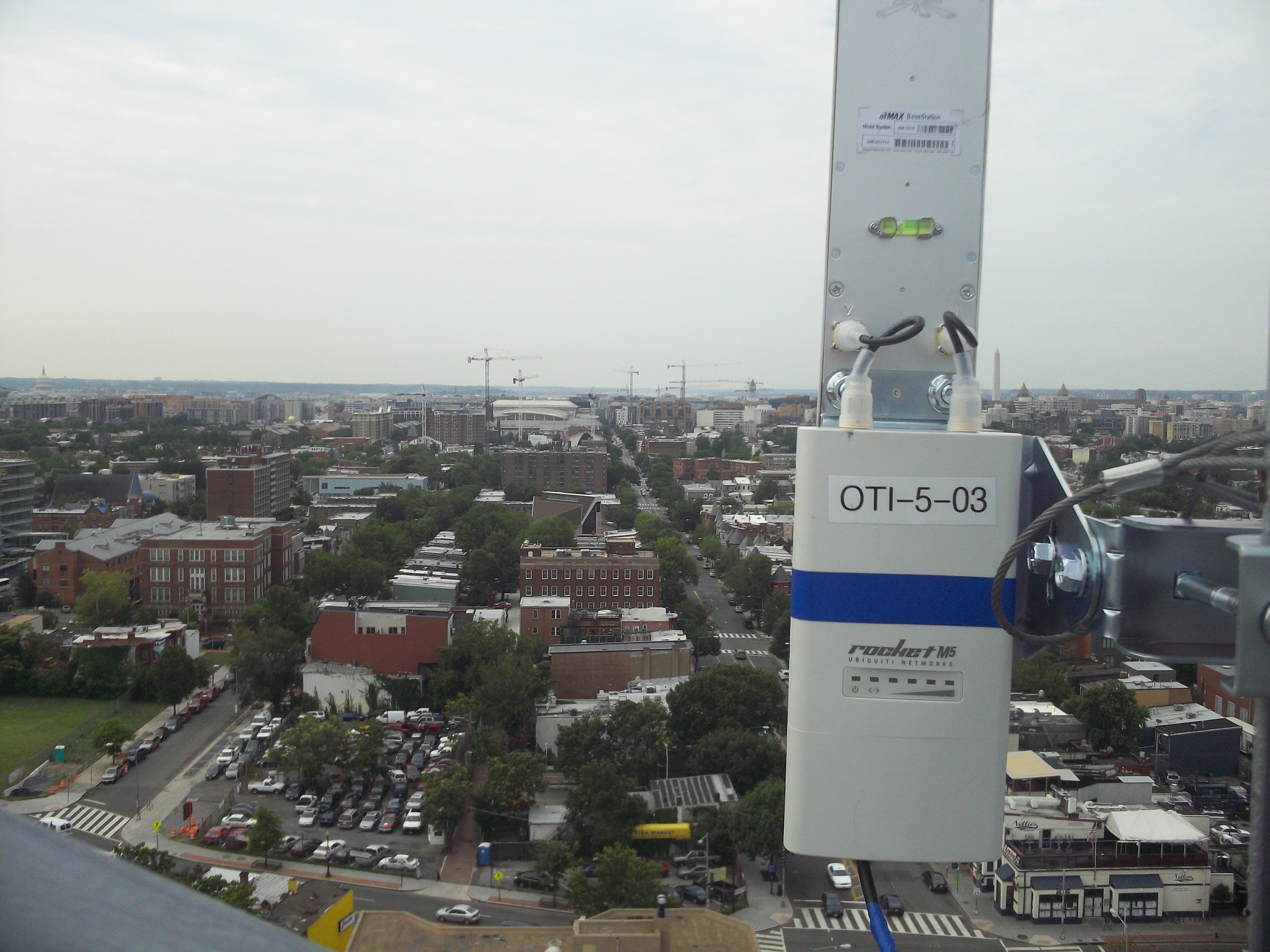
To achieve a resilient, surveillance-free internet designed and built by the community, the Open Technology Institute developed Commotion, a free and open-source communication tool that uses mobile phones, computers, and other wireless devices to create decentralized mesh networks.
Alongside the development of the technology, OTI directly engaged with communities in U.S. cities to identify local needs and build accountable community engagement by recruiting and training local volunteers to deploy and maintain the technology.
As covered in the New York Times, Commotion provided durable connectivity to the Red Hook neighborhood in Brooklyn even in the wake of Superstorm Sandy, when commercial internet connections weren’t working. The network kept hundreds of community members connected to one another and allowed them to seek critical recovery support in the aftermath of the storm.
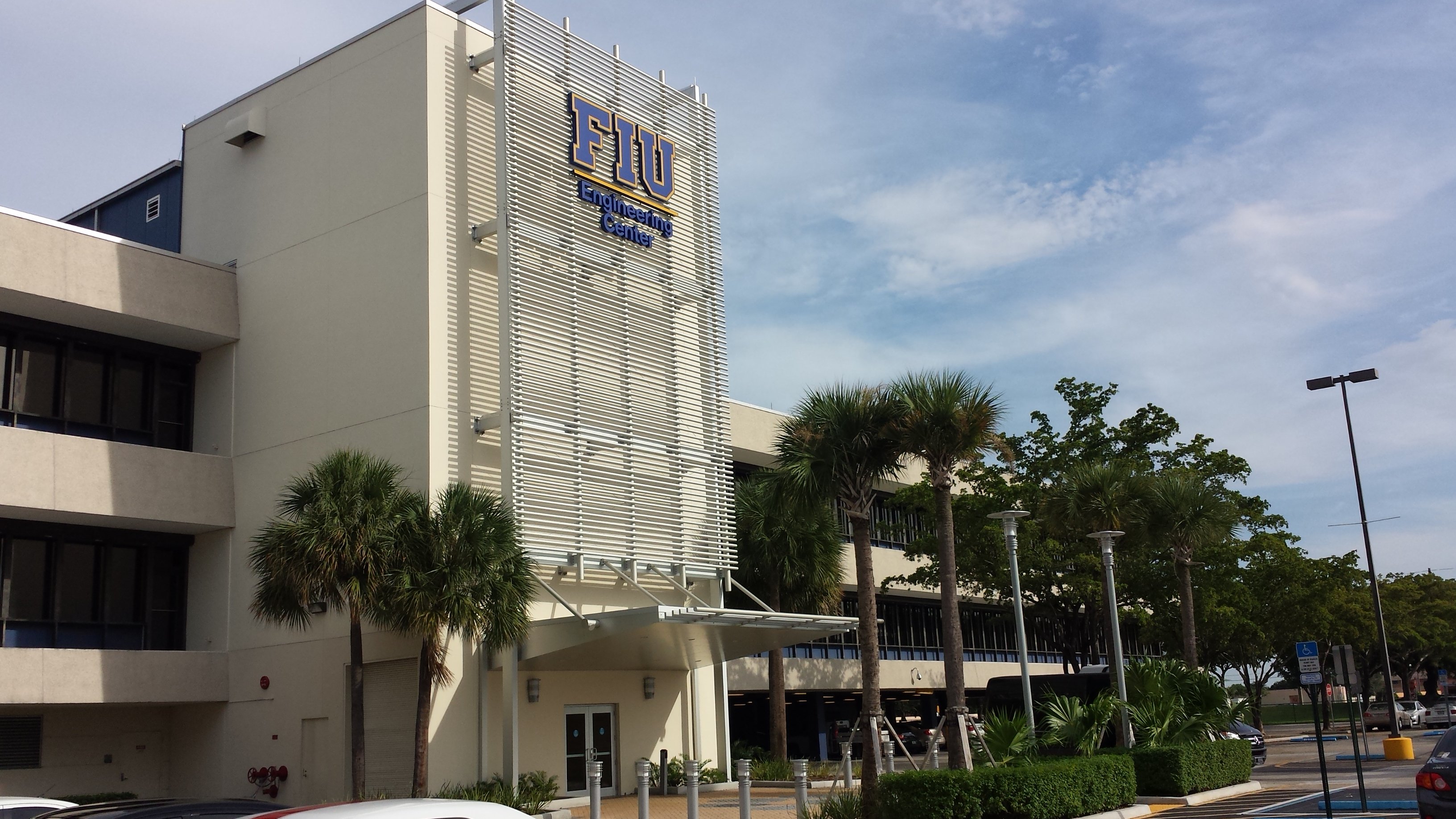
To leverage the complementary strengths of a university and a policy institute, New America has partnered with three leading academic institutions: Arizona State University, Florida International University, and Southern New Hampshire University.
Arizona State partnered with New America and Slate to create Future Tense, a digital and events project that brings story-telling and public engagement to the conversation about tech’s future. That partnership grew to include ASU fellowships at New America and faculty appointments at ASU for New America staff, as well as the jointly-managed Center on the Future of War and its annual Future Security Forum. Florida International formed a Cybersecurity Partnership with New America to work on key cybersecurity topics—such as building cybersecurity workforce capacity (including collaborating to host the National Initiative on Cybersecurity Education Annual Conference) and international cyber capacity—and offer high quality cybersecurity policy education. Southern New Hampshire University partners with our Fellows program to support a new generation of storytellers as they seek to reach a broad audience. Since establishing the partnership, SNHU has hosted two National Fellows on campus as commencement speakers. Stanford University’s new Cyber Policy Center is now partnering with New America to support DigiChina, a unique project that translates and analyzes important Chinese documents on digital economy topics, such as artificial intelligence and data governance.
The conferences and fellowships resulting from these partnerships have reached millions of people, produced 10 books, and brought together thousands of influential leaders from the national security and cybersecurity arenas.
CEO, New America