
#CCRewind: Intravenous Non-Interventions
As they near the end of their fellowship, the 2017-18 Millennial Fellows have each chosen a piece from the Direct Message archives to reflect on. Here’s Myacah on why she picked this particular article:
The theme for this blogpost was to focus on collaboration and in it I specifically advocated for collaborating with drug users in developing sound public health policy to address the opioid crisis. Eleven days after Intravenous Non-Interventions was published, President Trump unveiled his drug policy agenda which contained a great deal of collaboration, but with law enforcement. The bulk of this plan focused on initiatives to bring back the punitive and ineffective drug policy approaches of the 1980s — capital punishment for “big” drug dealers, mandatory minimum sentencing, and police crackdowns on sanctuary cities. Though his plain did contain some public health approaches to drug use, including increasing access to recovery medications as well as overdose reversal drugs, supervised injection facilities remain off the table.
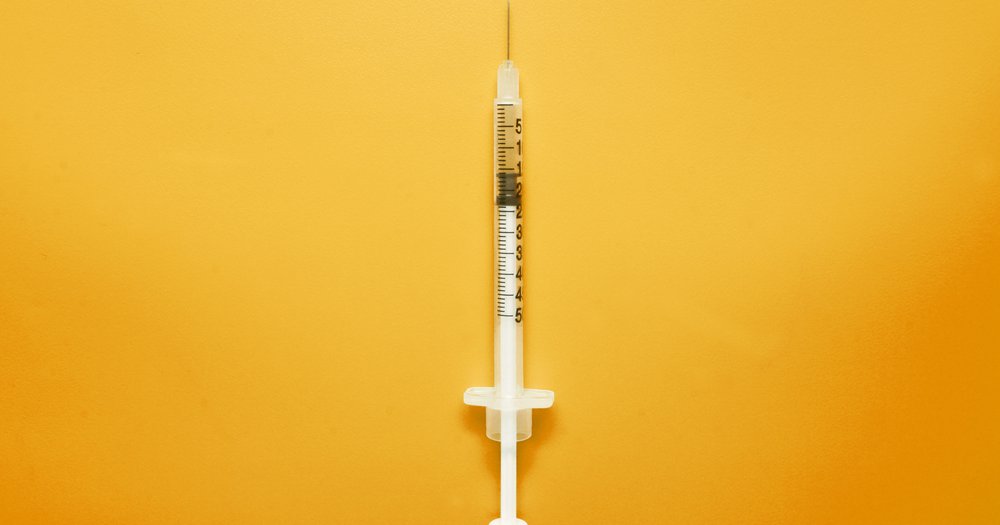
Would you assist someone as they injected heroin?
The knee-jerk response is usually a resounding “no,” but the truth of the matter is that drug users have healthcare needs that go beyond rehabilitative services. One such need is access to safe, sterile environments to take drugs. Supervised injection facilities – places where people can legally take their drugs in the presence of trained medical staff – have been proven to successfully mitigate some of the public health challenges posed by opioids that detox centers alone cannot address.
Though policymakers have begun to frame the opioid epidemic as a public health issue rather than a criminal one, many are still reluctant to get on board with supervised injection facilities. Conventional thinking states that drug users only health care needs are better access to rehabilitative services and overdose-reversing medicines like Narcan. While certainly an improvement from the tough-on-crime response to the crack epidemic of the 1980s, this approach addresses only a fraction of the public health issues posed by the current opioid crisis.
For example, those who use drugs, especially by injection, are at an increased risk for not only overdosing, but also becoming infected with HIV, Hepatitis-C, or other blood-borne diseases. The lack of available sterile injection equipment combined with the stigma of intravenous drug use make it difficult for drug users to seek out an adequate supply of sterile syringes and increases the risk for infection. Harm reduction – a public health approach – is an alternative to abstinence-only models that works by mitigating the health risks associated with drug use.
First established in Western Europe in the early 1970s, supervised injection facilities worked as part of a suite of services under the public health philosophy of harm reduction. Studies of supervised injection facilities in Switzerland, Germany, and the Netherlands have shown that this specific form of harm reduction produce a number of positive outcomes. Clients may modify their injection practices to be safer or stop injecting altogether, which, in turn, reduces the incidence of risky sexual practices. Additionally, these supervised injection facilities regularly connect clients with addiction treatment programs.
North America did not see its first supervised injection facility until the Vancouver, British Columbia based facility InSite opened its doors in 2003. Between its opening and 2016, InSite successfully reversed nearly 5,000 overdoses, and positively impacted public health by reducing the transmission of HIV and Hepatitis-C by lessening syringe re-use and the prevalence of unsafe syringe disposal. After its first year, nearly 30% of InSite’s clients reported using rehabilitative services.
Looking for similar outcomes, New York City, Boston, Seattle, San Francisco, and New Mexico are among communities in the United States moving to open supervised injection facilities. Unfortunately, communities in Ohio, West Virginia, Massachusetts, Rhode Island, and New Hampshire – those with the highest opioid overdose death rates and greatest need for public health responses like supervised injection facilities – remain committed to conventional rehabilitative approaches.
Millions of Americans are negotiating the future of their relationships to opioids. As rehabilitative programs become more accessible, some struggling with opioid addiction may stop using, some may try and fail several times, and many others will continue to use. Supervised injection facilities ensure people live long enough to make decisions about the future of their drug use, and, ultimately, decisions about their own health. It’s time our policy responses to drug crises move away from criminalization and paternalism and toward empowerment.
Issues
Programs/Projects/Initiatives
Related

Online, Vulnerable Groups Only Become More Vulnerable

One Year Later: Reflecting on the Millennial Public Policy Fellowship