Ken Sofer
Summer Fellow, Resource Security Program
The five-year drought is hurting one of the world’s most important food producers. How has the Central Valley’s declining production impacted prices and access to food?
This article originally appeared in the Future Tense channel at Slate.
Despite
the arrival of increased rain and snow from El Niño this winter, California
enters the fifth
straight year of its worst
drought in 1,200 years. The drought has been especially acute in the state’s Central Valley,
which ranges from extreme to
exceptional drought.
With
its fertile soil, moderate climate, and unparalleled irrigation system, the
Central Valley is one of the most productive agricultural regions on the
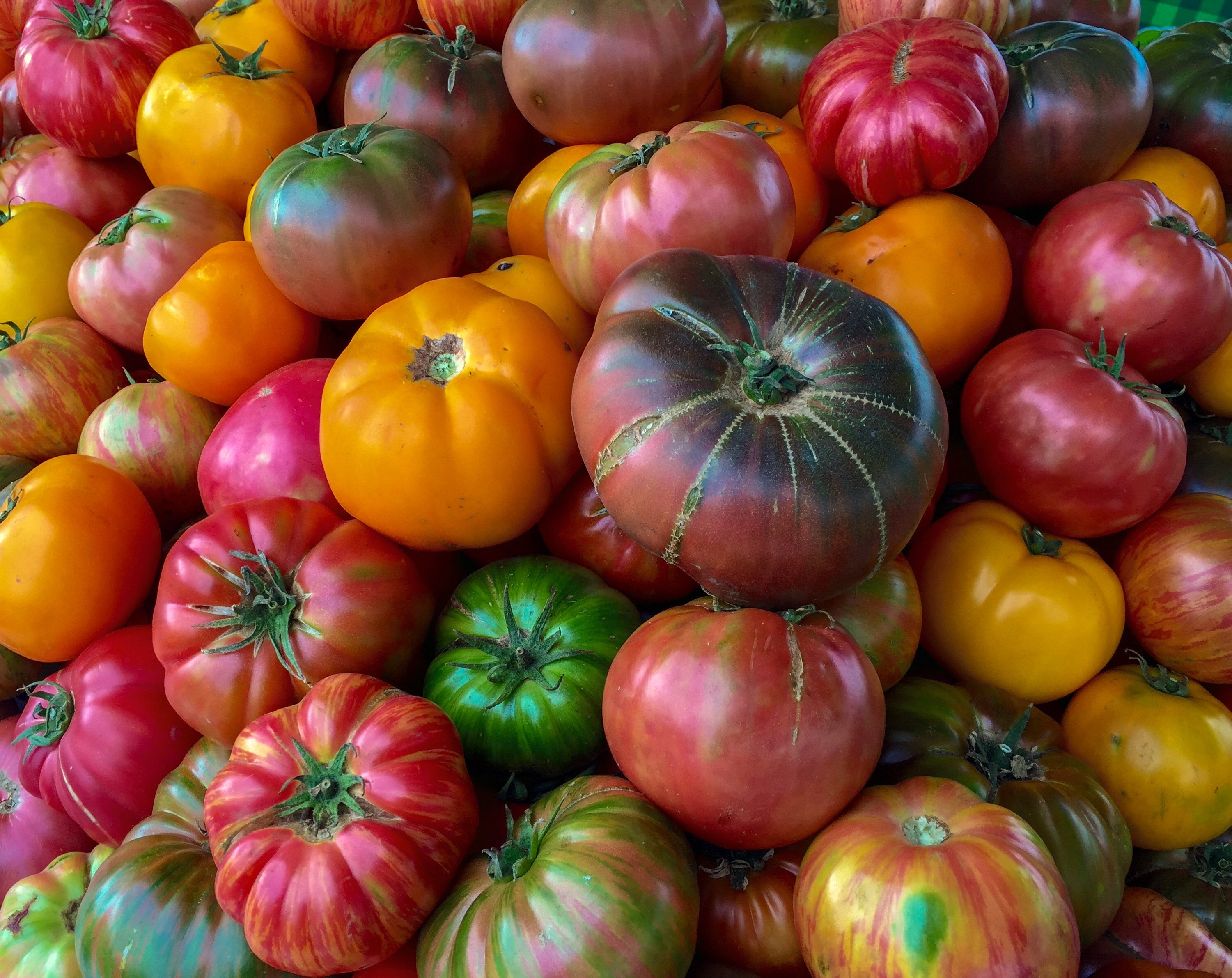
planet, producing nearly all of America’s almonds, olives, walnuts, and
pistachios; the vast majority of its grapes, strawberries, avocados, carrots,
tomatoes, and lettuce; and $13.1
billion worth of milk and cattle. As a result of the drought, California’s 39 million
residents are competing for fewer available water resources. Water prices have spiked,
increasing
tenfold in some areas.
The
drought and the subsequent increased cost of water have led to declines in
agricultural production across the state. According to
the USDA,
production of oranges are down 9 percent, avocados down 13 percent, garlic down
6 percent, romaine lettuce 15 percent, and olives 29 percent in 2014—the most
recent year on record—compared with the previous three-year average. The
drought cost
California’s farmers $1.5 billion in 2014 alone due to the combination of revenue
losses from lower production and additional pumping costs.
The
decline in California agricultural supply has resulted in higher prices for
some fresh fruits and vegetables on supermarket shelves, but so far, the
drought hasn’t led to a significant increase in food shortages or insecurity
here or abroad. In fact, world food prices are currently at a seven-year low, according to the U.N.’s
Food and Agricultural Organization. Two factors have helped mitigate the price
changes caused by decreased agricultural production in California: substitution
between goods and global markets.
First,
unlike staple crops like wheat and rice, consumers can easily swap many of the products
grown largely in California, like almonds and strawberries, for other nuts,
fruits, and vegetables grown in areas not being hit by drought. Substitution
isn’t just happening at the consumer level either. Producers in California are
substituting away from traditional staples like oranges and avocados and
towards fruits like grapes, pomegranates, and dragonfruit that use less water
and are more economically productive. This is part of a
longer-term trend, according to Daniel Sumner at the University of California-Davis, who notes
that over the last two centuries, California has shifted away from wheat and
cotton production to its current mix of crops.
Second,
though California may be the biggest American producer of many crops, it is far
from the only source of avocados, olives, or grapes internationally. As the USDA
notes,
though California produces 86 percent of American-grown avocados, 82 percent of
the avocados consumed in the U.S. are imported from other countries like
Mexico. Indeed, the U.S.’s imported share of fruits and vegetables such as
olives, peaches, beans, and lettuce has grown
with the drought. Though production costs may be increasing for California farmers, they
haven’t changed elsewhere around the world. As the price of produce goes up due
to the decreased supply of California goods, competing farmers from Latin
America to Southeast Asia may now find it worthwhile to increase their production,
even if their marginal costs are slightly higher, which helps limit the
potential for shortages and price increases.
The
reactions of California farmers, foreign producers, and domestic consumers to
the drought highlight a few key lessons for food security moving forward.
First, substitution and diversification are critical. Both producers and
consumers have been able to shift to other agricultural products that cost
less, use less water, and are more economically efficient than those hit hardest
by the drought. Just like a stock portfolio, a more diversified agricultural
portfolio and diet help limit vulnerability to major price fluctuations by any
individual good in the basket.
While
these two principles of substitution and diversification may work well for the
nuts, fruits, and vegetables of California’s Central Valley, it also highlights
the risk of supply disruptions to crops with few options for substitution, such
as the three mega-crops of rice, wheat, and maize, which are responsible
for half of the world’s calories. Wheat alone accounts for more calories and
protein than any other crop on the planet, and as a result the demand for wheat
is highly inelastic, making slight changes in the supply and price of wheat
felt strongly throughout the world.
Relatedly,
the global food supply chain can handle disruptions in one major breadbasket
like California’s Central Valley, but food insecurity becomes a real challenge
when drought, floods, or extreme weather events affect multiple major food producers
at once. A major food security simulation run last fall by the
Center for American Progress and the World Wildlife Fund highlighted how
climate change is increasing the likelihood of simultaneous disruptions to
major food producers. Part of the reason why wheat prices spiked so
dramatically in 2010 was because three major wheat producers—Russia, Kazakhstan, and Ukraine—were
all hit with extreme weather that reduced production at the same time.
Most
Americans live in a state of blissful ignorance about the food that appears on
our grocery store shelves. At best, we might think about which fruits and
vegetables are in season, but rarely do we consider the global supply chain
required to bring the food to market, the equilibrium of supply and demand that
influence the prices we pay, or the delicate balance of heat, soil nutrients,
and water required to grow each crop—and how those pieces of the puzzle might
be changing forever.
We take our food
security for granted until it’s not so secure anymore. The California drought
didn’t cause any food riots, but it provides a window into the future of many
other breadbaskets around the world. The best practices in conservation,
substitution, and diversification we’re learning from California are the things
we’ll increasingly need at a global scale to keep affordable food on the table.
Summer Fellow, Resource Security Program